
Level 1 sweep and inspection to the NFPA 211 annual standard - flue, crown, cap, and flashing checked and photographed
Chimney sweep logs do not sweep chimneys. They loosen some creosote - which then falls where a brush and vacuum still have to collect it.
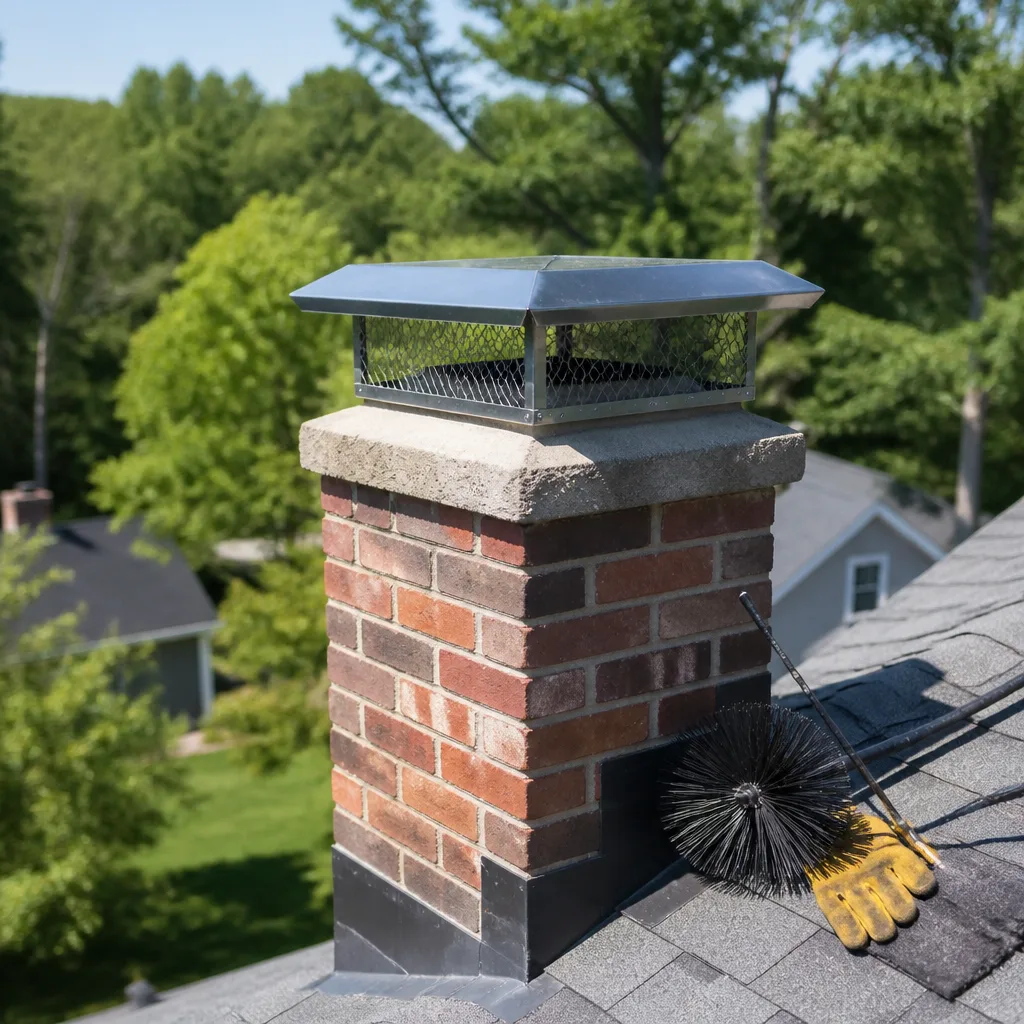
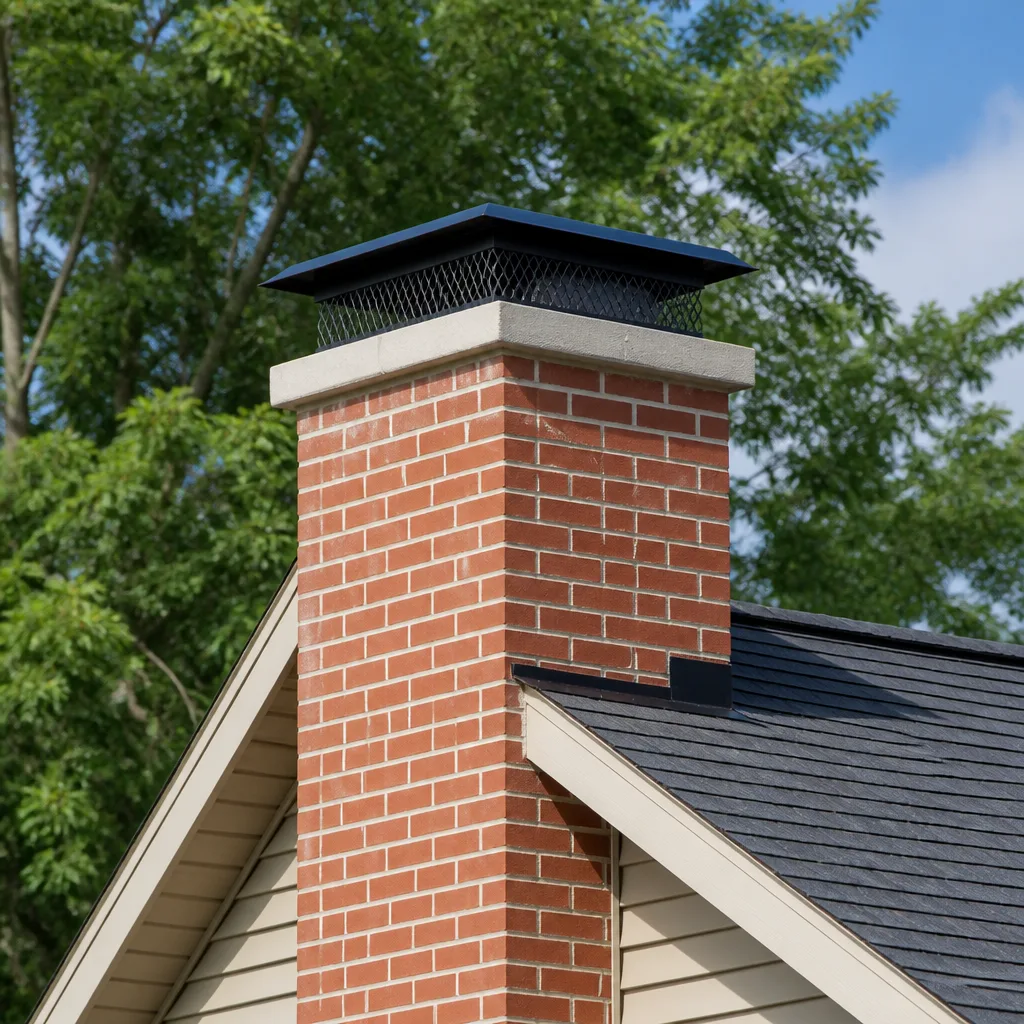
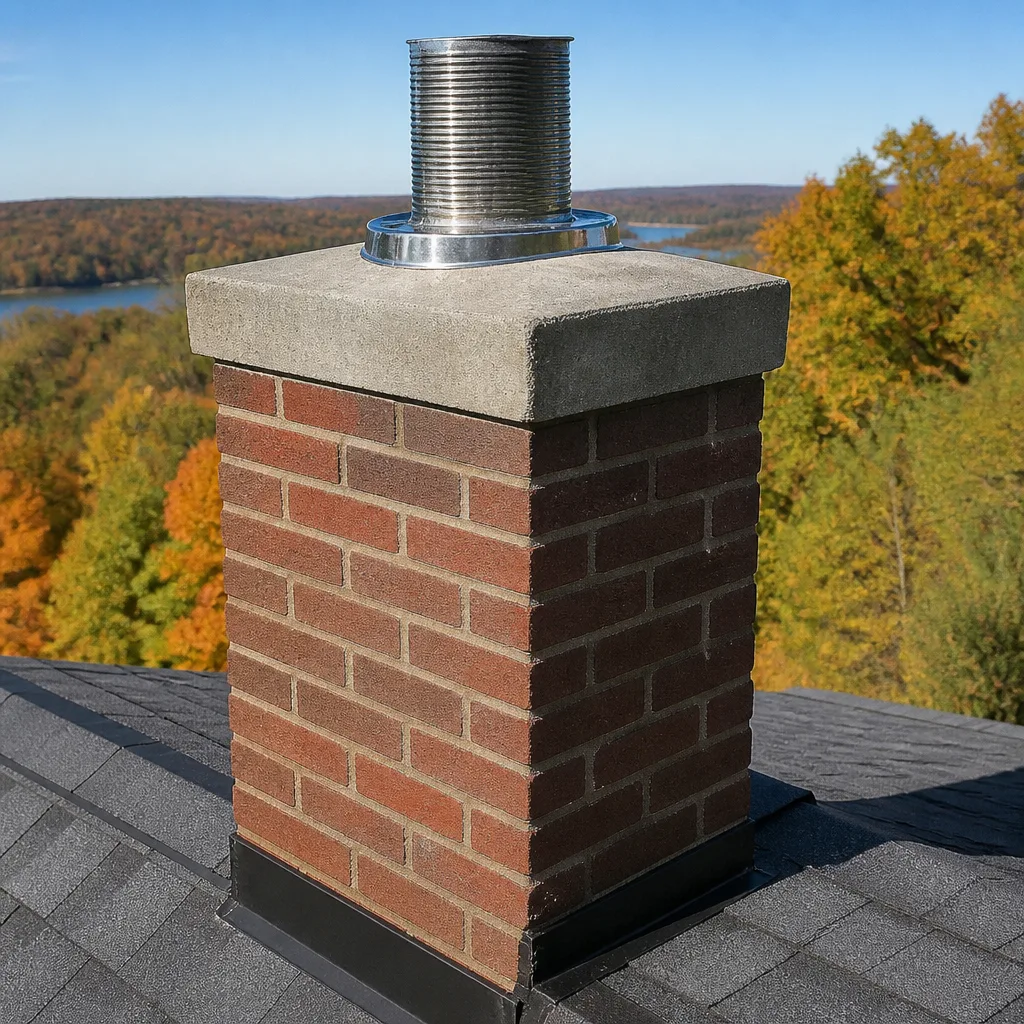
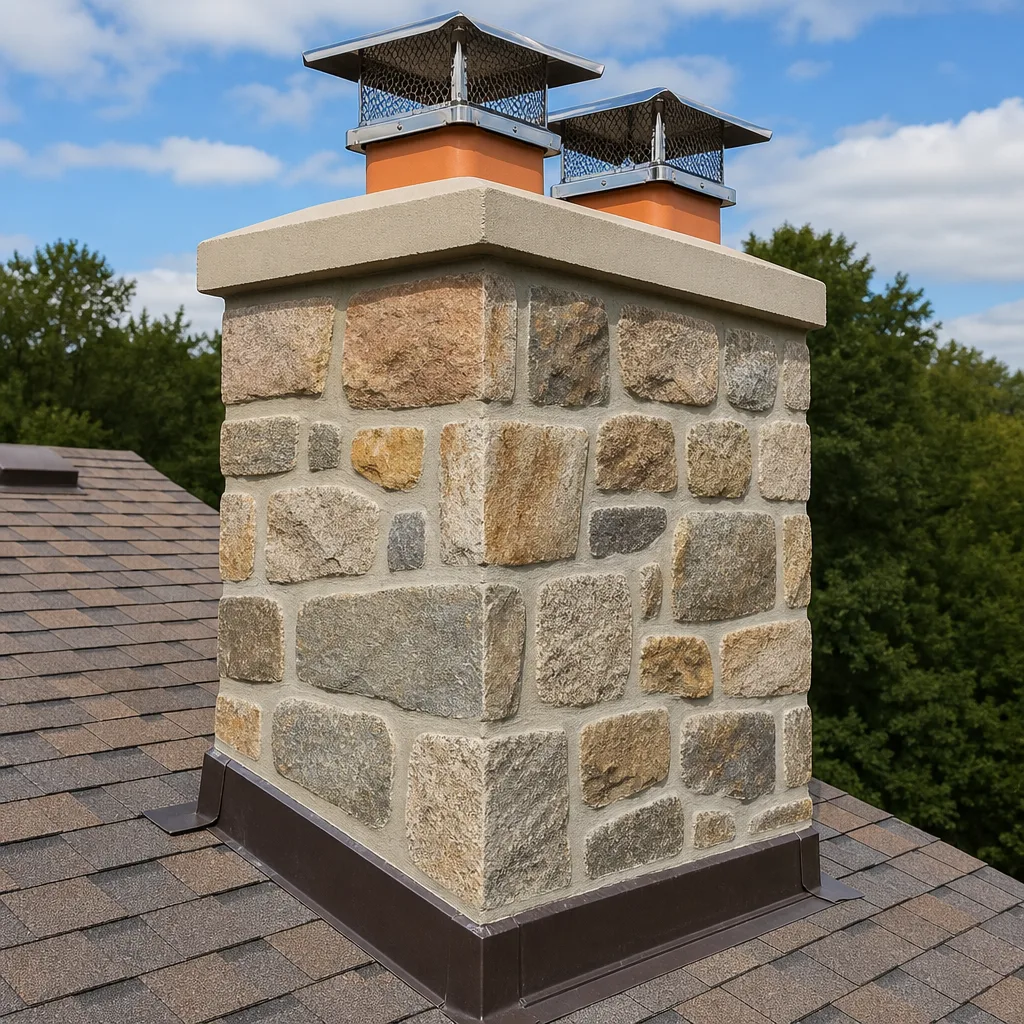
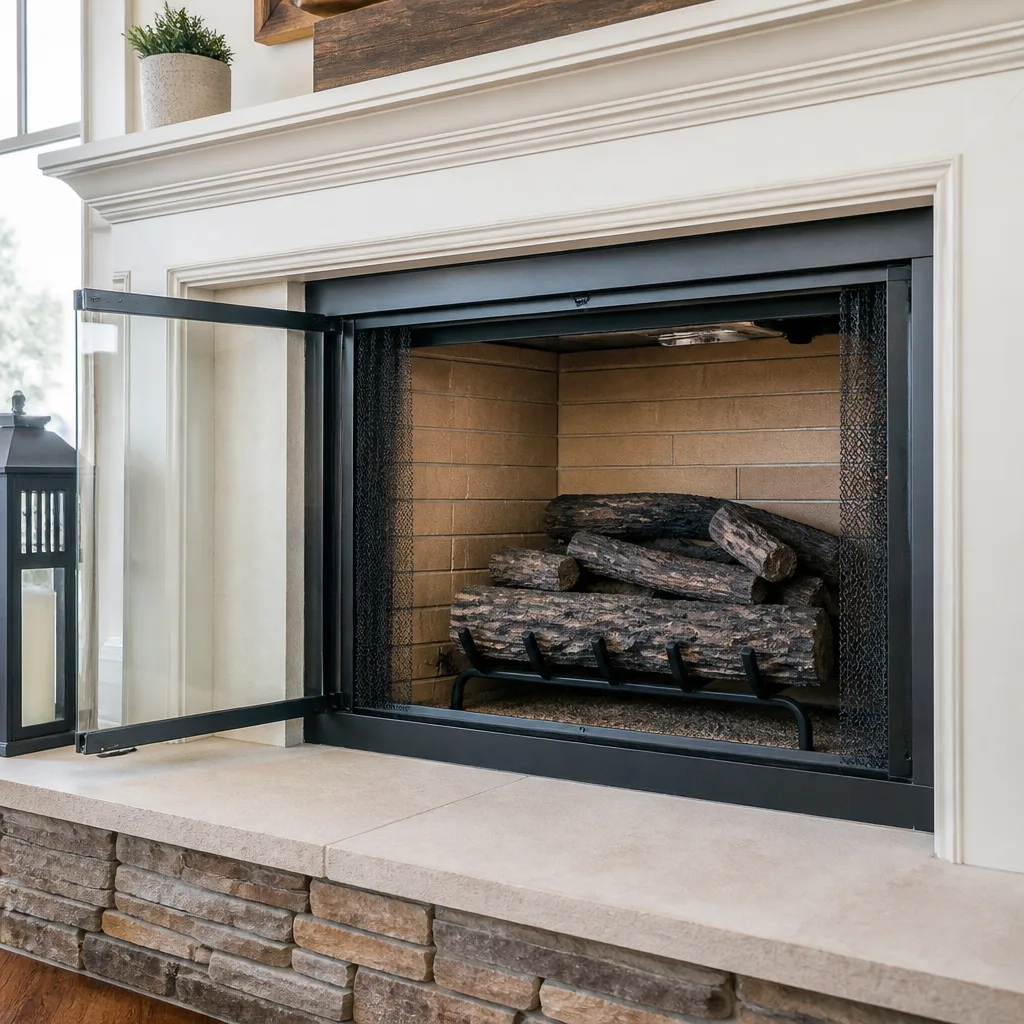
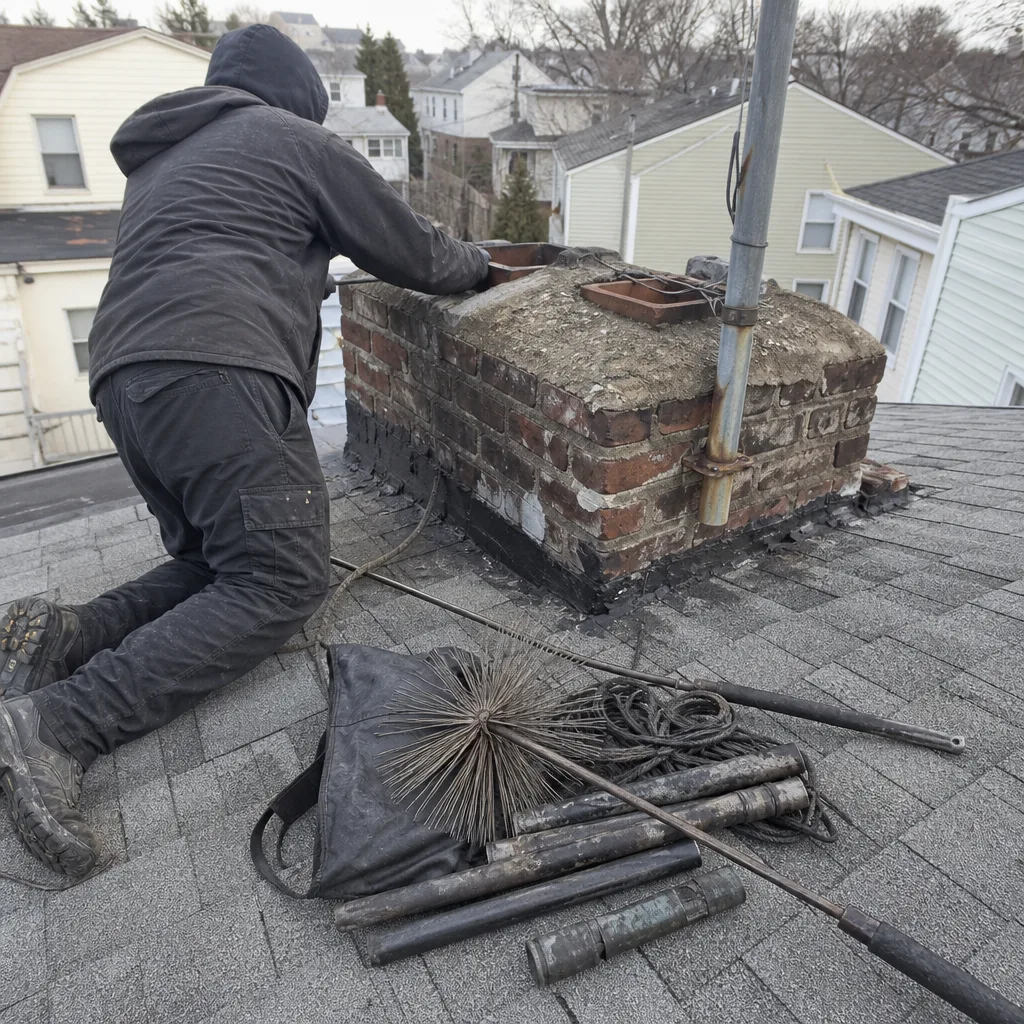 Before
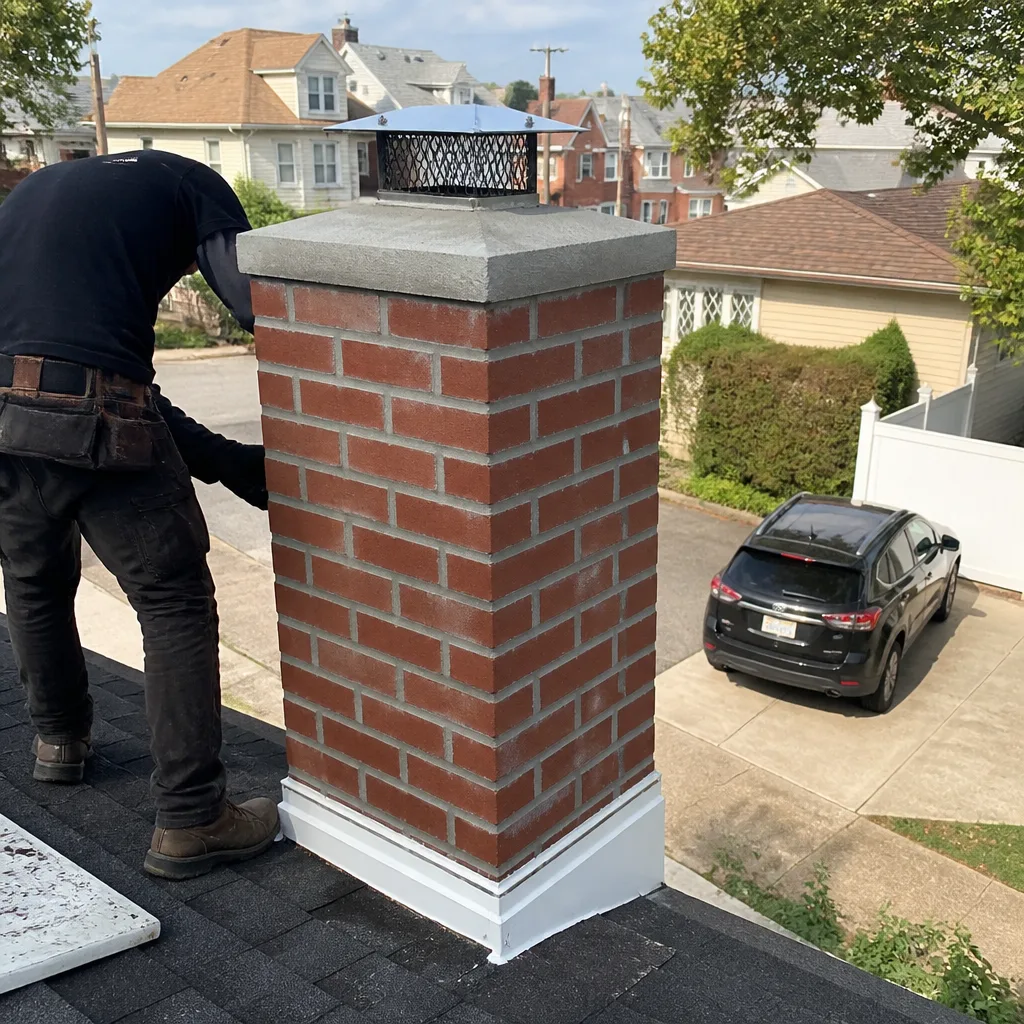 After
After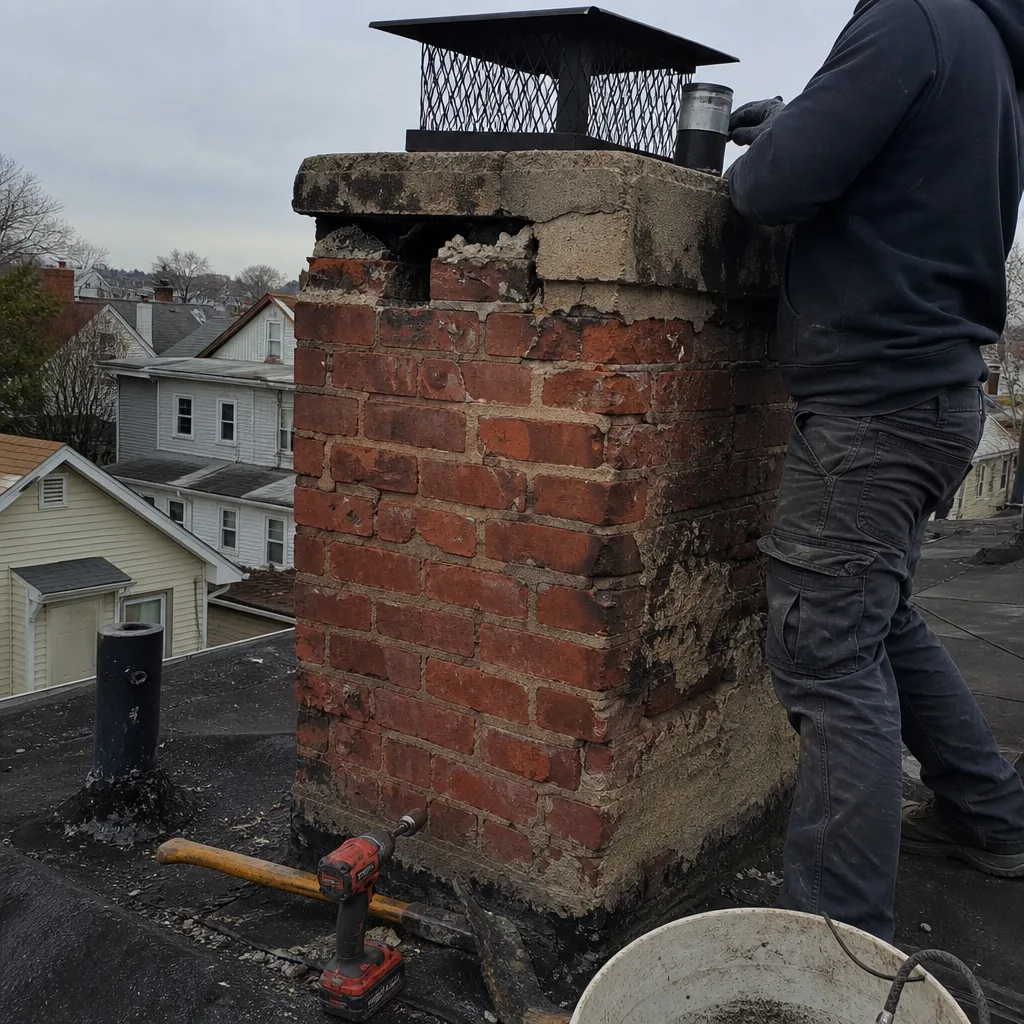 Before
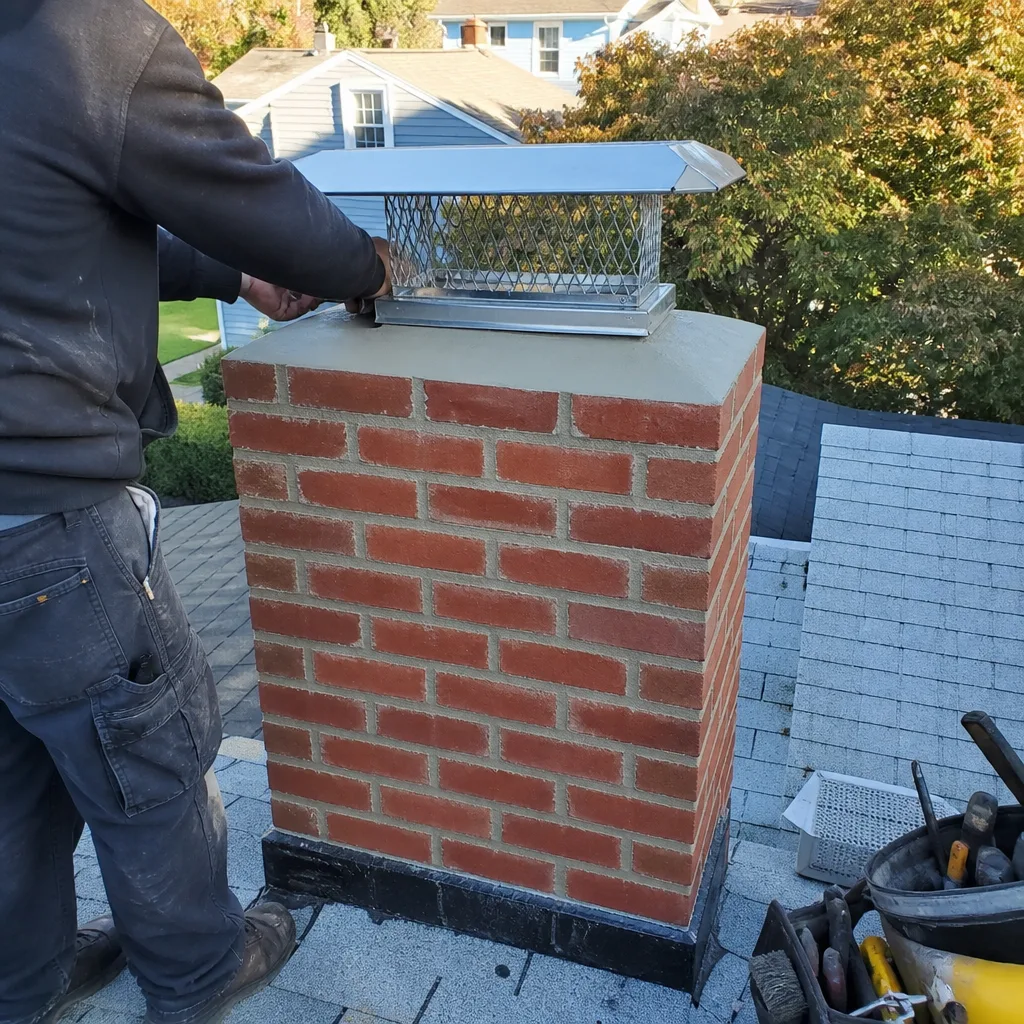 After
After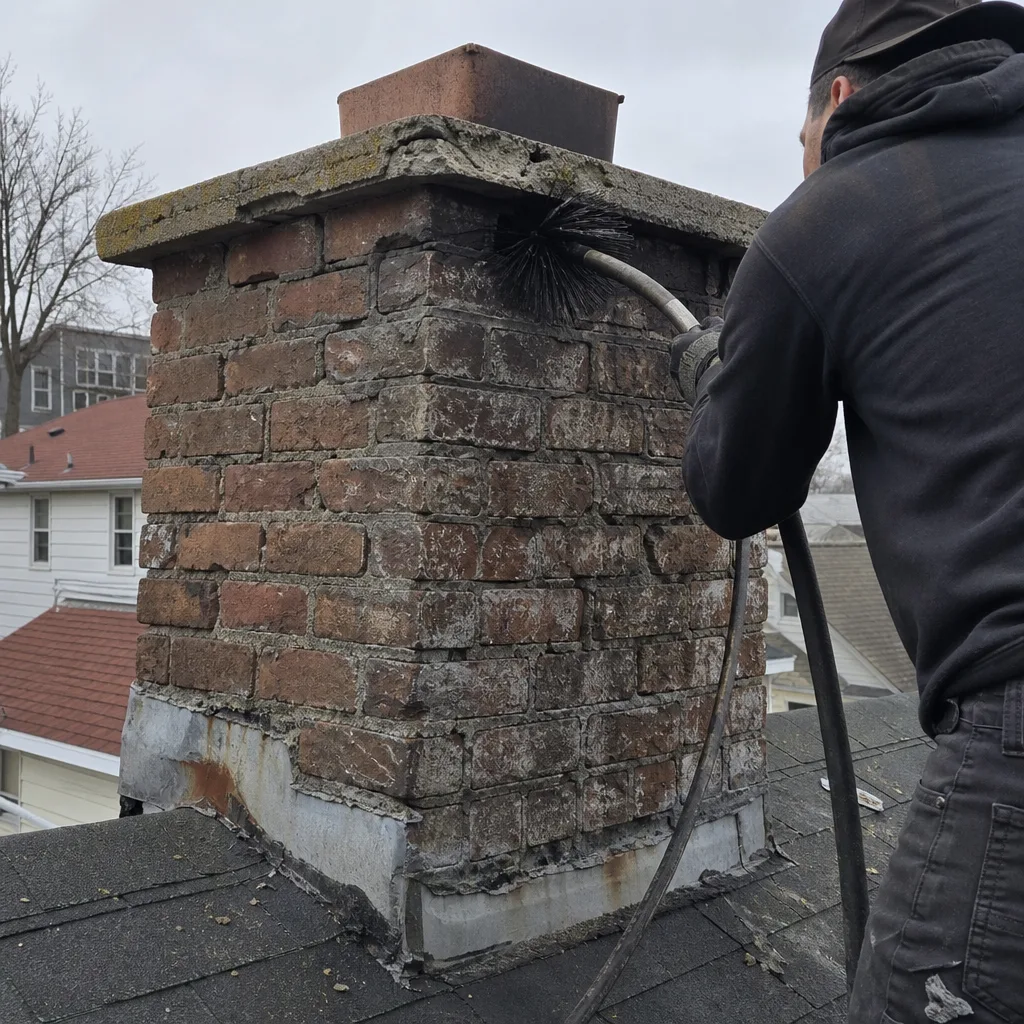 Before
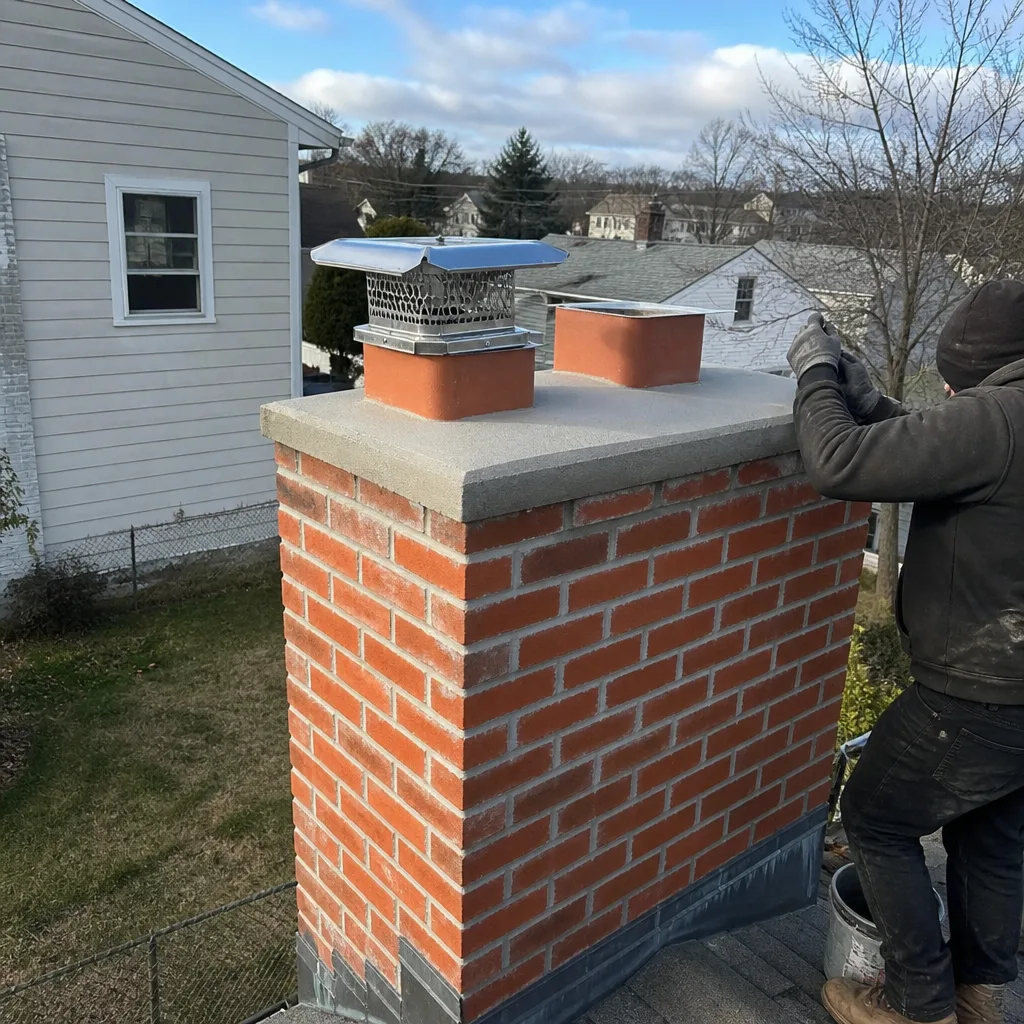 After
AfterHeatShield Chimney Liner & Rebuild in Brooklyn: What to Know First
HeatShield chimney liner and rebuild work in Brooklyn runs between $1,800 and $6,500 depending on whether we’re repairing a section, replacing the liner, or rebuilding the flue from the firebox up. We’re an independent HeatShield service provider, not a factory branch, so we tell you what the repair actually needs and quote a real number before any tool comes off the truck. Most HeatShield jobs take one to two days on site, and we’ll give you a written price you can hold us to.
If you own a HeatShield liner system in a Brooklyn brownstone, row house, or prewar co-op and you’ve got questions about it, call (516) 289-9316. Wendell Pike and his crew have worked on HeatShield flues from Flatbush to Carroll Gardens for over two decades. We know this product’s quirks, and we’ll tell you straight whether it needs a rebuild or just a repair.
How HeatShield Products Fail - and How We Fix Them
HeatShield is a good product. But after years of Brooklyn winters, coal-era chimneys, and roof leaks, even good products fail. Here’s what we actually see up on the roof and in the flue:
- HeatShield Cerfractory Flue Sealant cracking at the mortar joints. This is the single most common HeatShield failure we see in Brooklyn. The material is a cementitious coating, and Brooklyn’s freeze-thaw cycles work it hard. Water gets behind it, freezes, expands, and spalls the surface. We see this mostly on rowhouse chimneys that poke above the parapet with no cap. The fix is usually to remove the loose material, re-coat with a fresh HeatShield Cerfractory application, and install a proper cap. If the home warranty question comes up: HeatShield’s warranty covers the material, but installation quality and improper prior maintenance change the answer. We’ll walk you through what applies and what doesn’t before you spend a dollar.
- HeatShield joints separating where the flue runs through the attic. In prewar Brooklyn homes, attic spaces get brutally hot in summer and frigid in winter. That thermal cycling pulls masonry joints apart. We’ve found gaps you could slide a pencil through behind knee walls. The symptom is a smoke smell in upper rooms on cold starts. We rebuild those sections and re-seal with the HeatShield system, rather than pointing-and-praying from the outside. The camera shows us exactly where the gap is before we open anything up.
- HeatShield liners failing at the smoke chamber. The smoke chamber gets more direct heat and creosote than any other section. On HeatShield systems, we see thinner coverage in the chamber area if the original installer rushed the job. Once the Cerfractory wears thin there, hot gases start working on the old brick behind it. We repair this by parging the chamber properly, then re-applying the HeatShield coating in specified thickness. Let it cure, then heat-cure it with a controlled burn before we call it done.
- Flue blockages and draft failures from missing rain caps. Brooklyn gets real rain, and a lot of chimneys up here never had a proper cap installed. HeatShield material does not love standing water. It degrades the surface and eventually the moisture migrates into the brick. We see it as efflorescence on the outside of the stack and a lazy draft inside. The fix is simple: rebuild the affected section if needed, install a properly sized cap, and the draft problem usually disappears. Some folks replace the HeatShield liner when all they needed was a $200 cap. We’ll tell you which one it is.
- Flexible stainless HeatShield hybrid installations separating at the top plate. Brooklyn’s older chimneys often combine a rigid HeatShield-coated clay flue above with a flexible stainless liner section below. The top plate connection is where rust and movement do the damage. We see this on taller stacks that flex in wind. We re-secure the connection, check the HeatShield coating up top, and usually add a support bracket. Parts for these hybrid systems are not always stock at the supply house. We keep common HeatShield components on the truck and can source the rest within a day or two. If the rigid section is too far gone, we quote a full HeatShield re-coat or a DuraFlex stainless replacement, and show you the numbers for both before you decide.
Our HeatShield Chimney Liner & Rebuild Process
This is how a HeatShield repair or rebuild goes at Top Hat Chimney, from the time you call Wendell’s office to the time we pack up the truck:
- 1
Call and book the diagnostic. We answer live, 24/7. You tell us what you’re seeing or what the home inspector flagged. We give you a real arrival window. No trip charge inside the county.
- 2
Camera inspection. Wendell or one of his crew runs the camera up the flue and records what we find. You see the same footage. If it doesn’t need doing, we’ll tell you that too.
- 3
Written scope and price. We lay out exactly what failed, what we’ll do about it, and what it costs. No surprise line items later. If you’ve got a competing written estimate, bring it. We’ll give you a free second opinion.
- 4
The repair or rebuild. We remove damaged material, strip the old HeatShield surface where needed, and either patch-coat with new HeatShield Cerfractory or rebuild that section of the flue. We use HeatShield-spec materials where required and only substitute where a quality option is actually better for your house. Everything gets documented with photos.
- 5
Heat-cure and draft test. We fire the system, confirm draft with a gauge, and run a final camera pass. You get the before and after footage, so there’s no question about what we did up there.
- 6
The 90-Day Done Right Promise, in writing. If something’s not right after we leave, one call brings us back. No fees, no arguments.
What HeatShield Chimney Liner & Rebuild Costs in Brooklyn
HeatShield work costs more than a sweep and less than a full masonry rebuild. Here’s what we’re seeing across Brooklyn for 2026:
- HeatShield smoke chamber parging and re-coat: $1,400-$2,200
- HeatShield flue joint repair with local Cerfractory patch: $800-$1,600
- HeatShield full flue re-coat (single flue, typical Brooklyn rowhouse): $2,800-$4,500
- Full stainless liner replacement (DuraFlex or Gelco) when the old flue is beyond coating: $3,500-$6,500
- Partial chimney rebuild plus HeatShield re-coat: $5,000-$9,000+
The price moves on access, flue height, and what the camera shows once we’re inside. A five-story brownstone on a busy street costs more than a two-story row house with a back yard. We’ll walk you through a real number on the phone. Call (516) 289-9316 for a free estimate. We don’t quote over the phone without seeing it, but we’ll tell you the range before we show up.
Why Brooklyn Homeowners Call Top Hat Chimney for HeatShield Work
We’ve been on Brooklyn rooftops since 1999. Wendell Pike grew up in San Diego and learned the mechanical side of the trade at Palomar College, but he’s spent the better part of two decades inside chimneys from Flatbush Avenue to Carroll Gardens. He’ll talk firewood with you longer than you want if you let him. The point is: his name and license number are on the work, and he runs into you again on Saturday. You won’t get a national franchise showing up at your door with a different number than the one quoted on the phone.
Every HeatShield job we do comes with the 90-Day Done Right Promise in writing. We answer calls live around the clock. We work with HeatShield, DuraFlex, Gelco, Olympia Chimney, Famco, and Copperfield. That means if a HeatShield repair doesn’t make sense, we’ll show you what a stainless liner option looks like instead, and let you pick. We’re owner-operated. The name on the side of the truck is the guy who signs your invoice.
FAQs
It depends on what the camera shows. If the HeatShield coating is failing in one section but the flue is otherwise sound, a targeted repair makes sense for the money. If joints are separating in several places or the coating is spalling across a broad area, a DuraFlex or Gelco stainless liner often gives you more service life and may cost less than a full re-coat plus rebuild. We’ll show you both options and the real numbers. Call (516) 289-9316 and ask for a camera inspection first.
HeatShield warranties vary by installation and by what a prior owner may have done. As an independent HeatShield service provider, we can’t speak for the manufacturer, but in practice, a proper repair using HeatShield-spec materials won’t void anything. An improper one will. We document every step and give you the before-and-after video, which is exactly what you want if a warranty claim ever comes up. Call (516) 289-9316 and we’ll walk you through what applies to your system.
Usually within a few days for a diagnostic, and we can often complete the repair within a week of that. Parts are the variable. Common HeatShield components we keep on hand. Less common items take a few days to source locally from our supply network. We’ll tell you the real timeline before you commit to anything.
Maybe not. Home inspectors flag HeatShield because they’re taught to. The camera tells us more than a flashlight from the roof can. We regularly look at flues that were flagged and find nothing urgent, and we tell owners exactly that. If your flagged flue has a real joint separation or spalling, that’s worth addressing before the burning season. If it doesn’t need doing, we’ll tell you that too.
Written by Wendell Pike, Owner, Top Hat Chimney at Top Hat Chimney, serving Brooklyn and nearby areas.