
Level 1 sweep and inspection to the NFPA 211 annual standard - flue, crown, cap, and flashing checked and photographed
Chimney sweep logs do not sweep chimneys. They loosen some creosote - which then falls where a brush and vacuum still have to collect it.
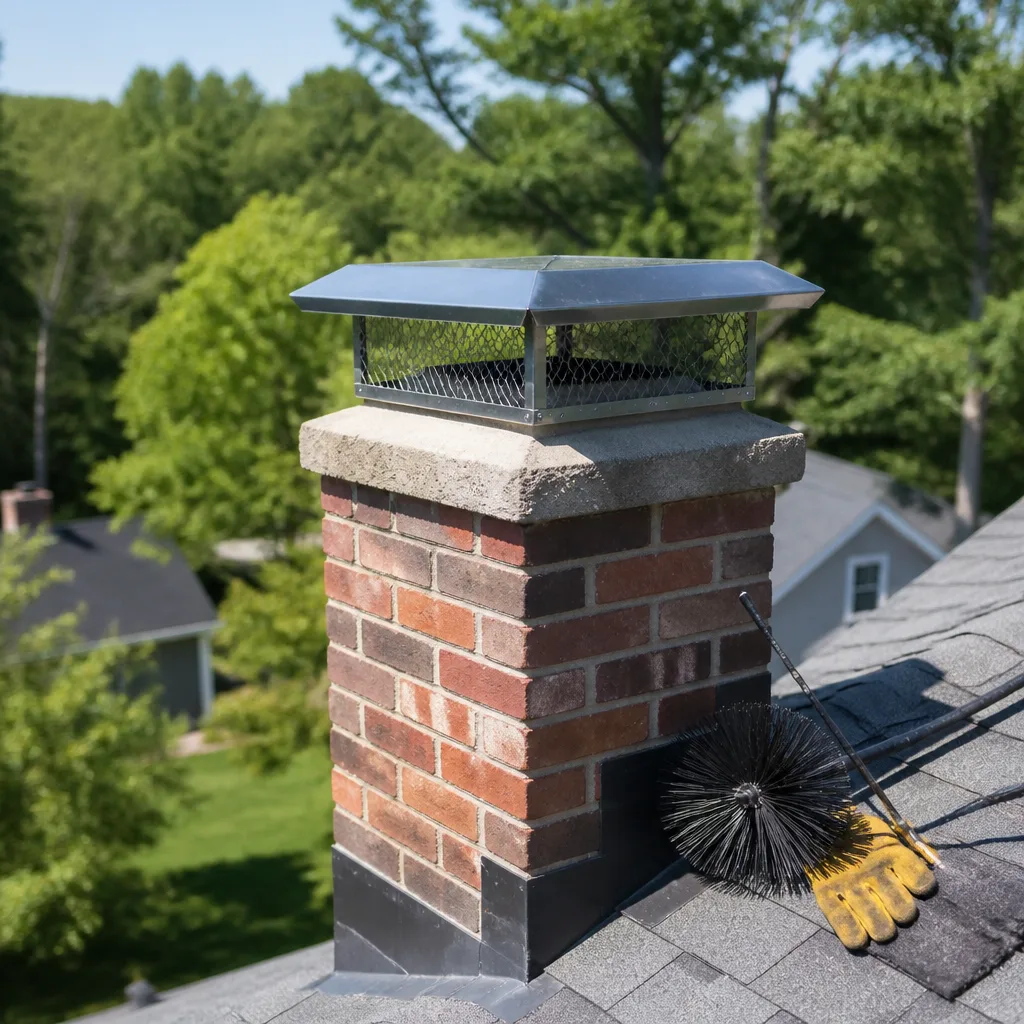
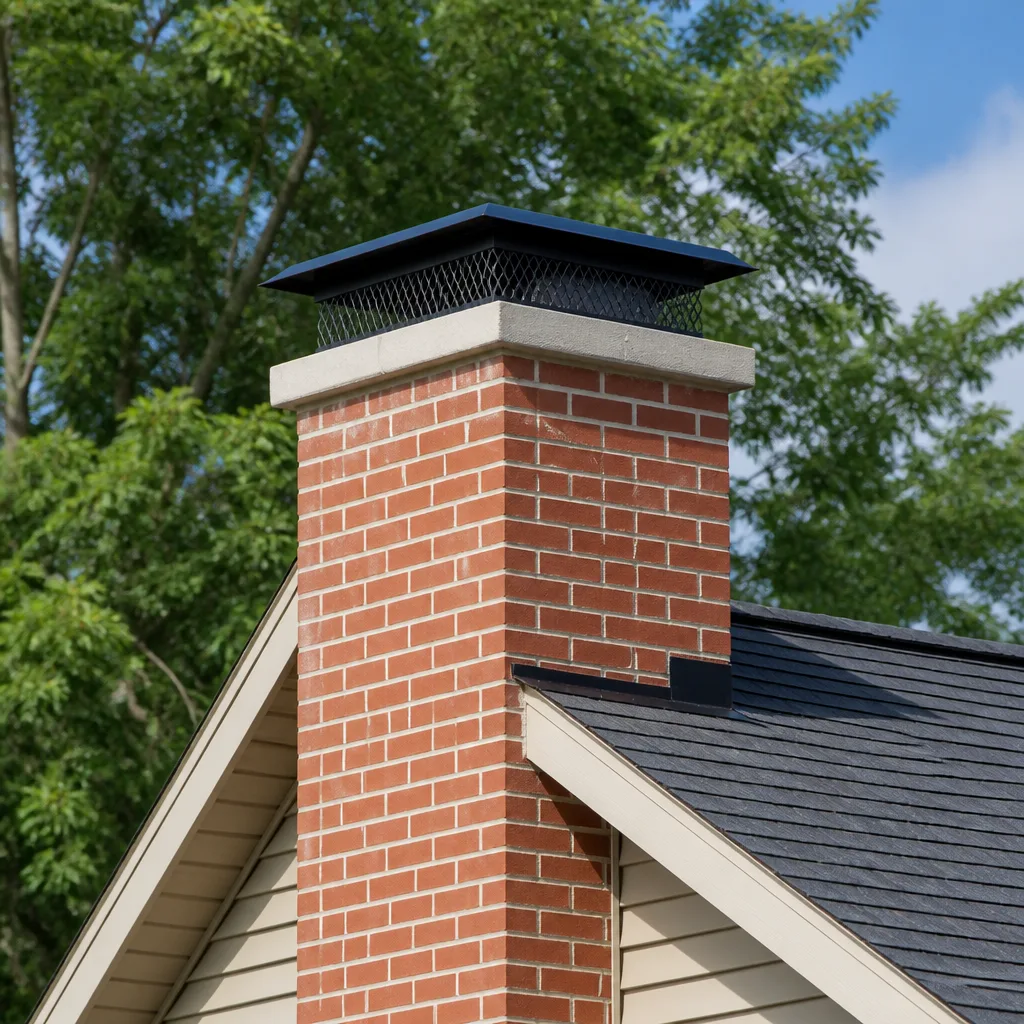
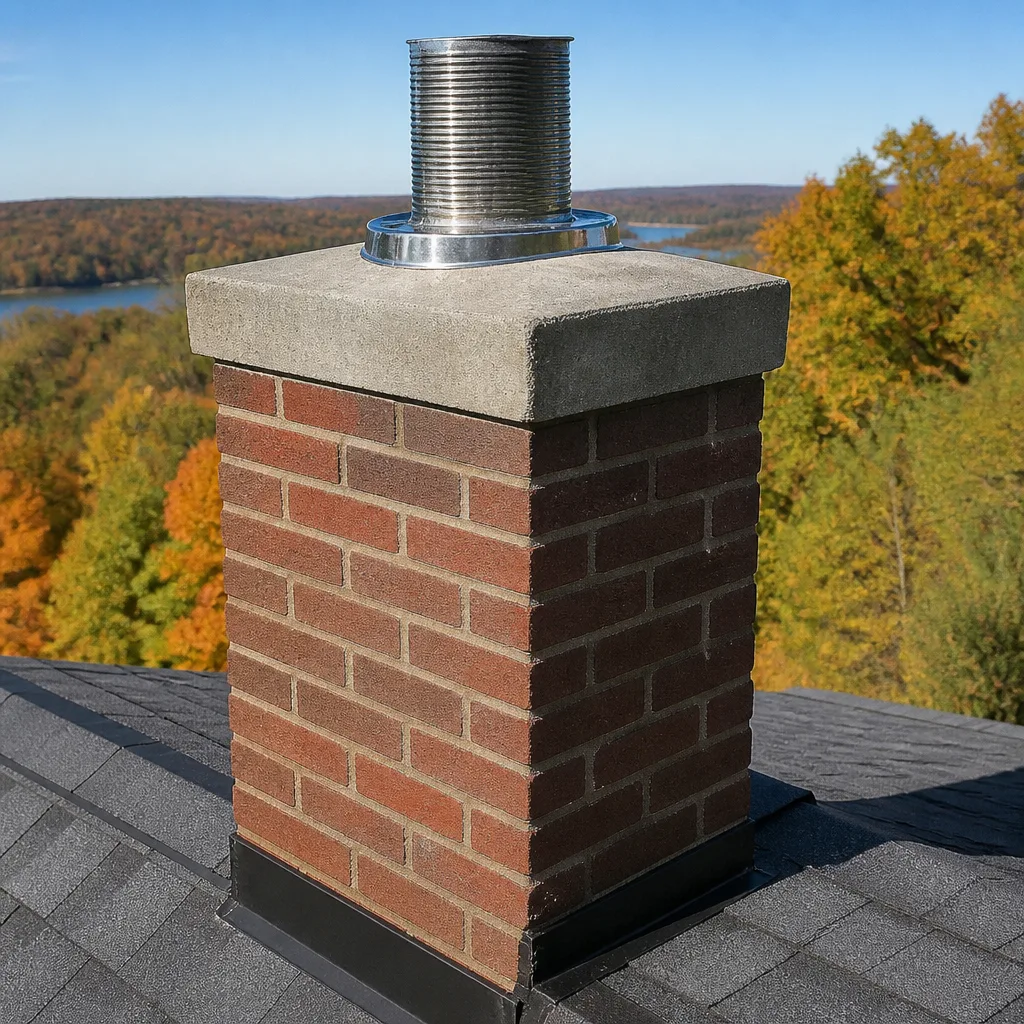
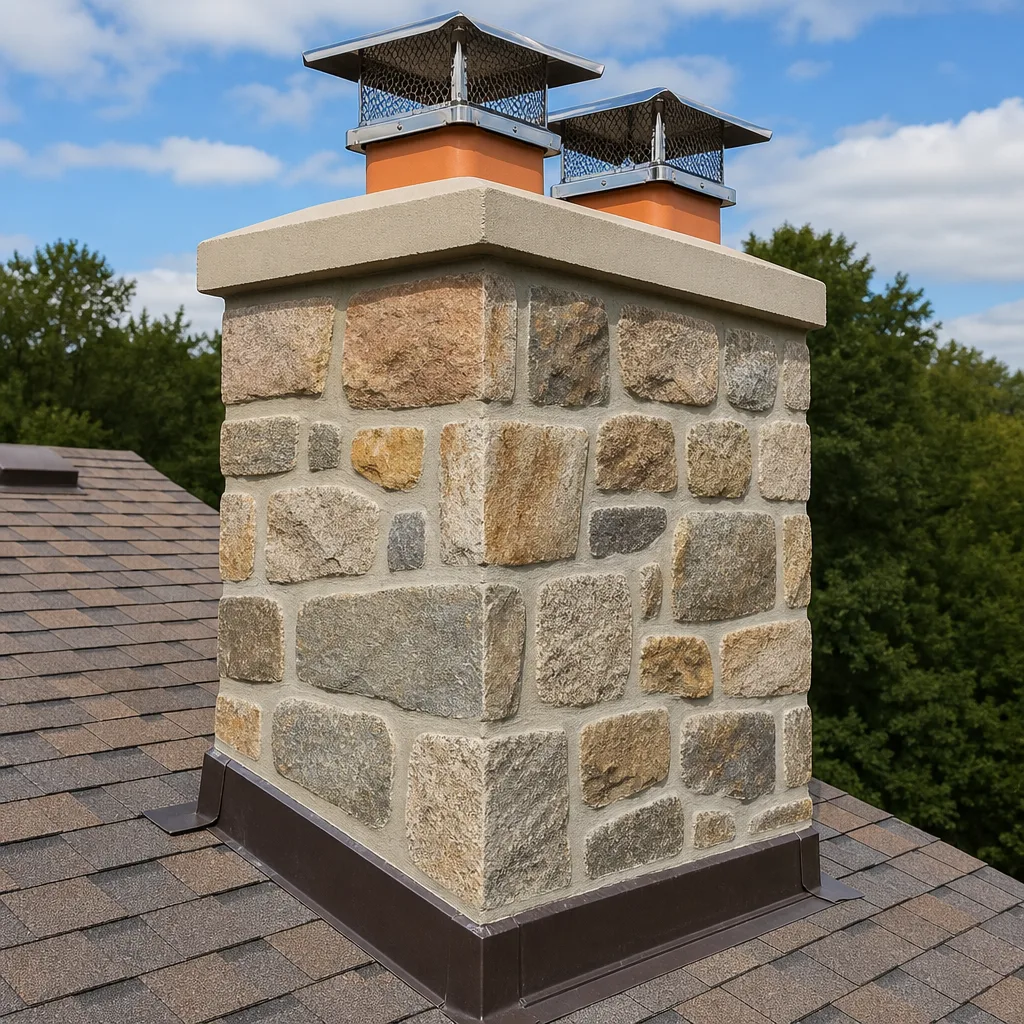
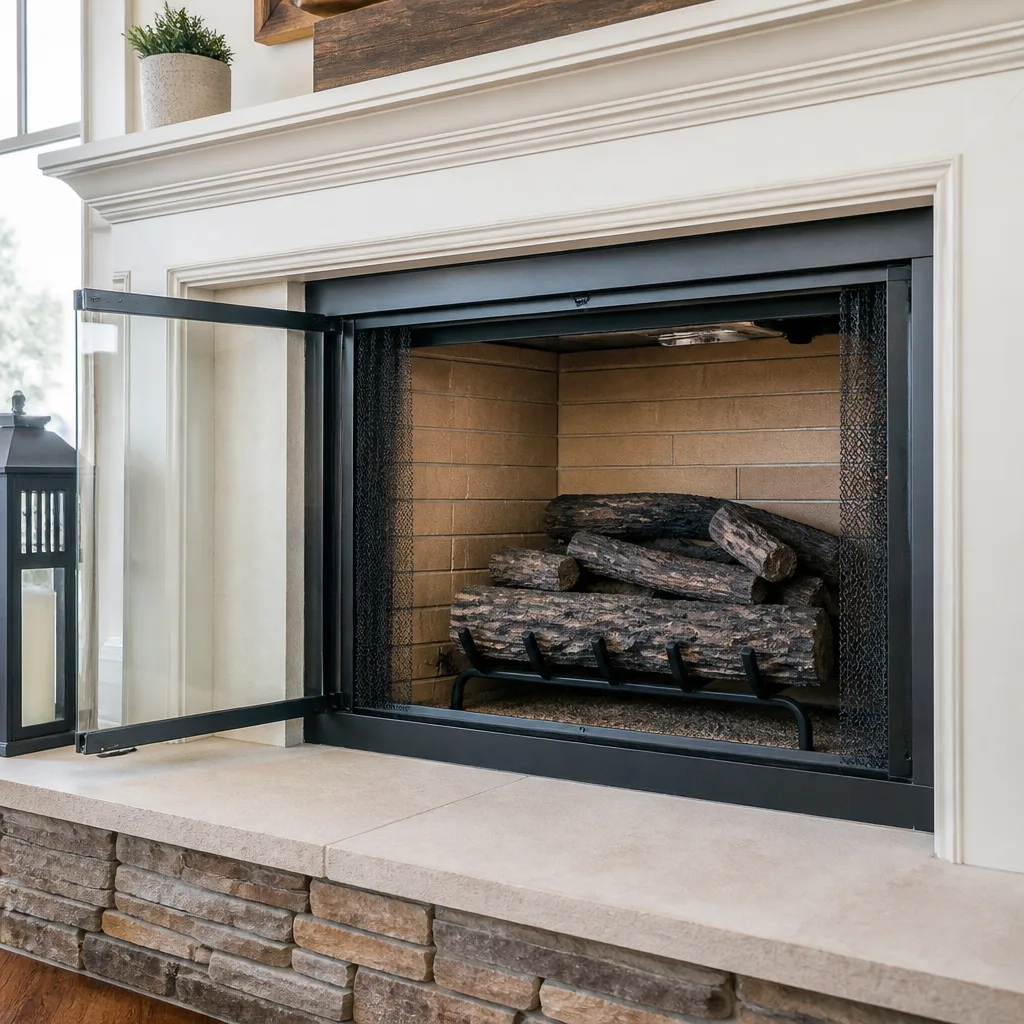
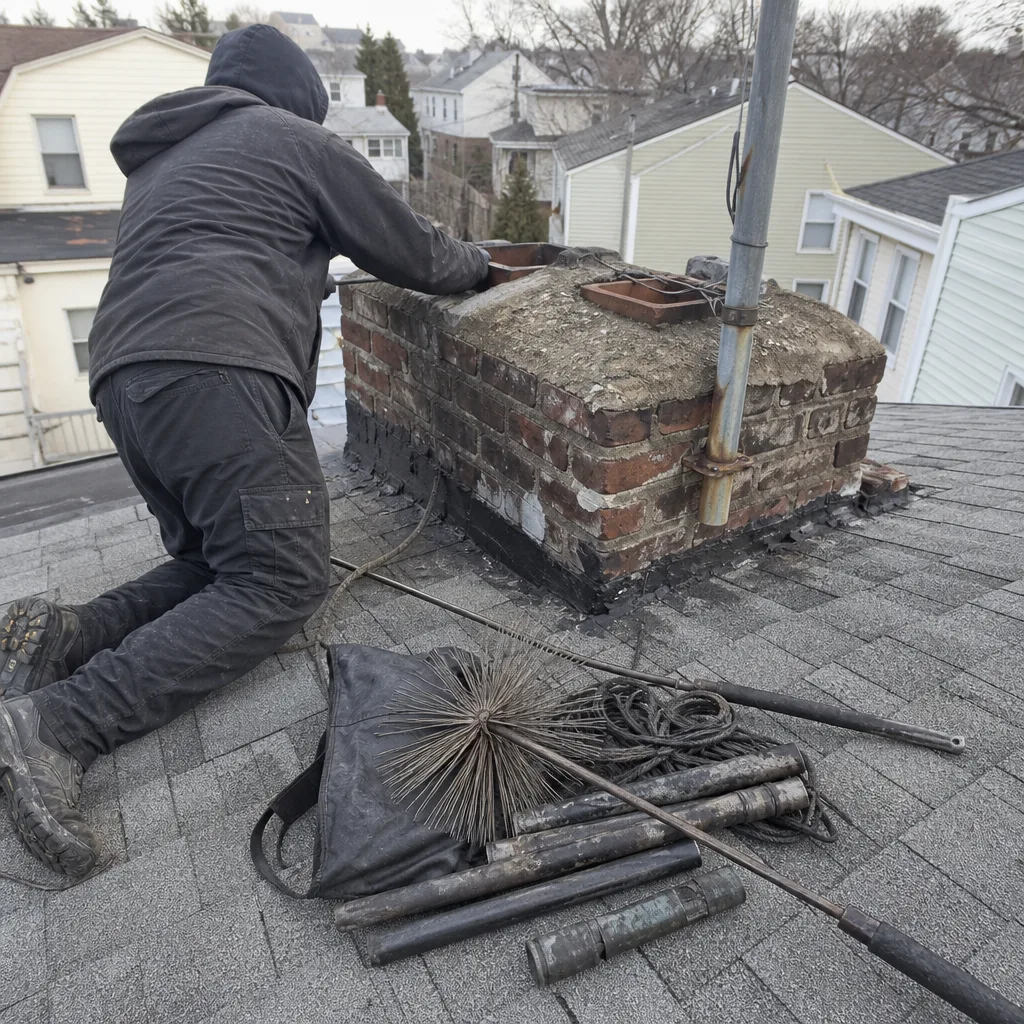 Before
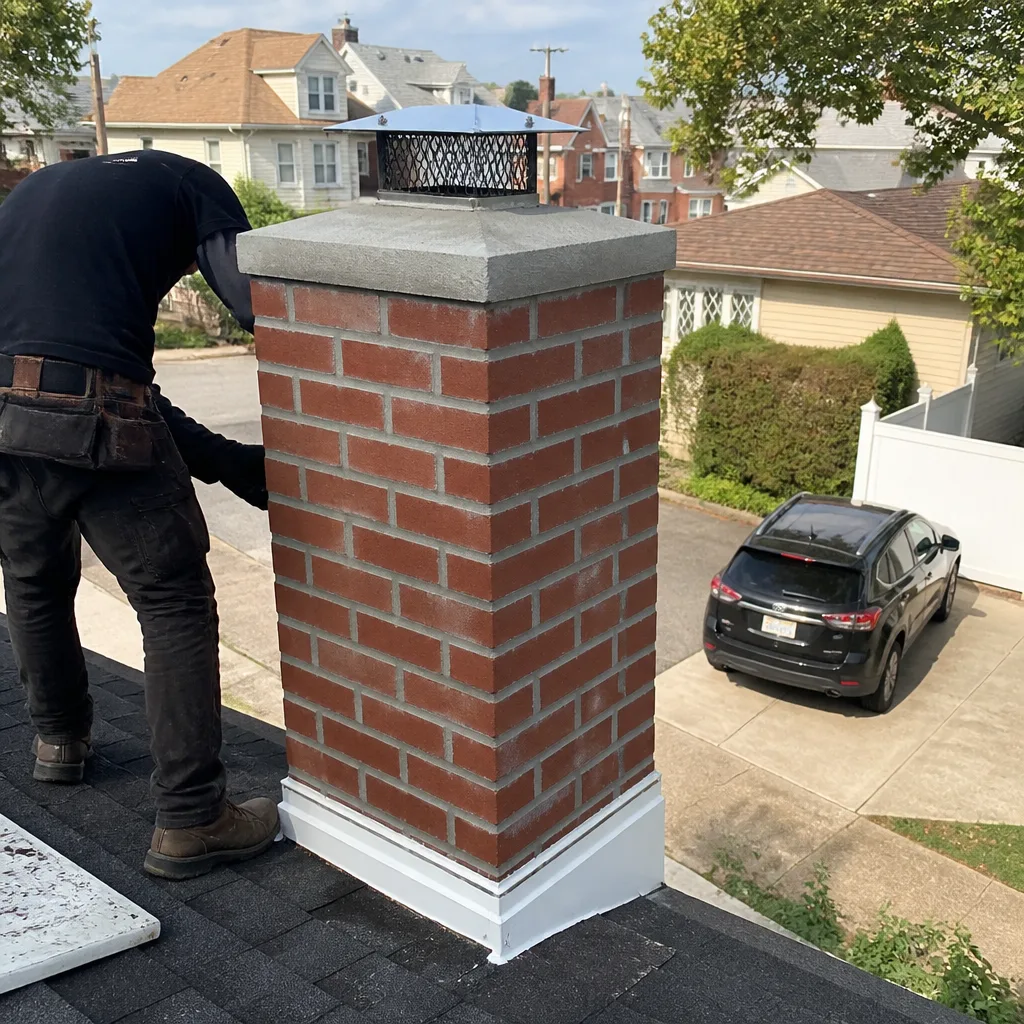 After
After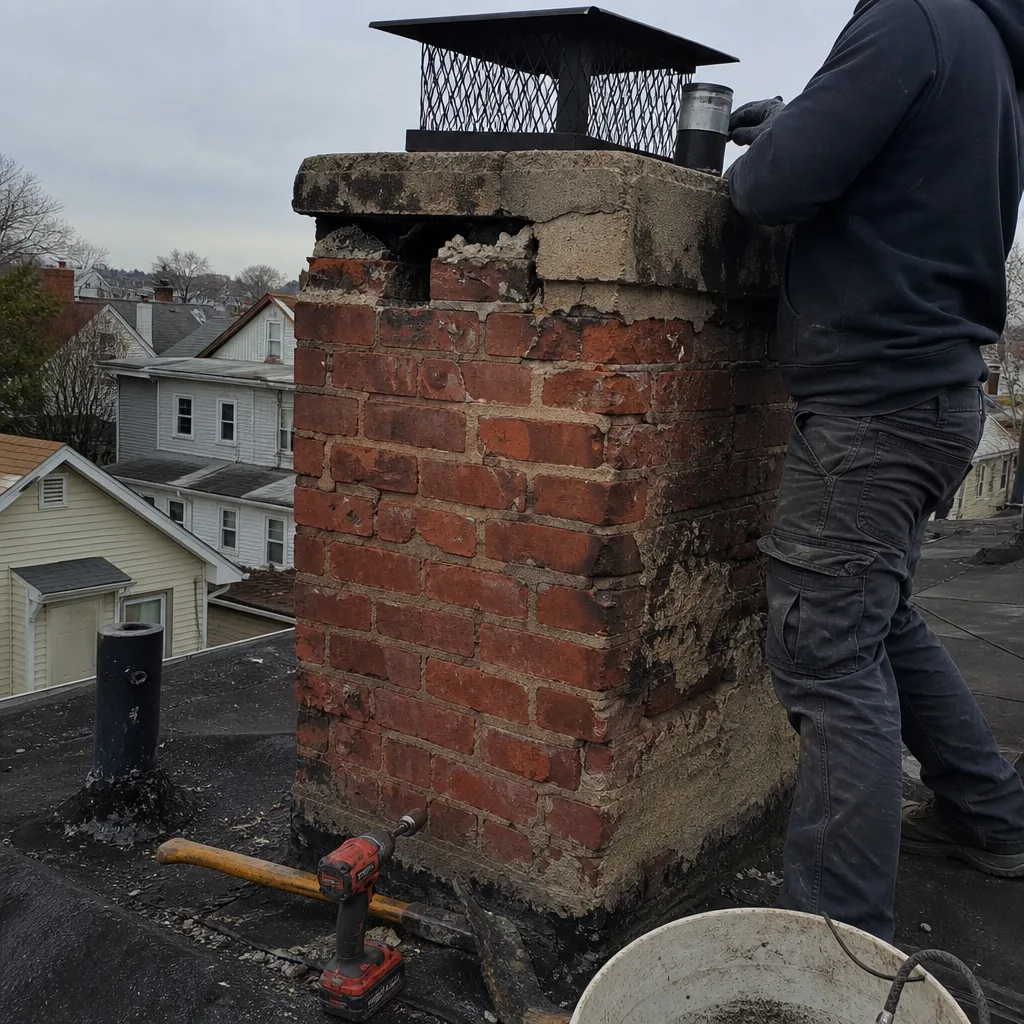 Before
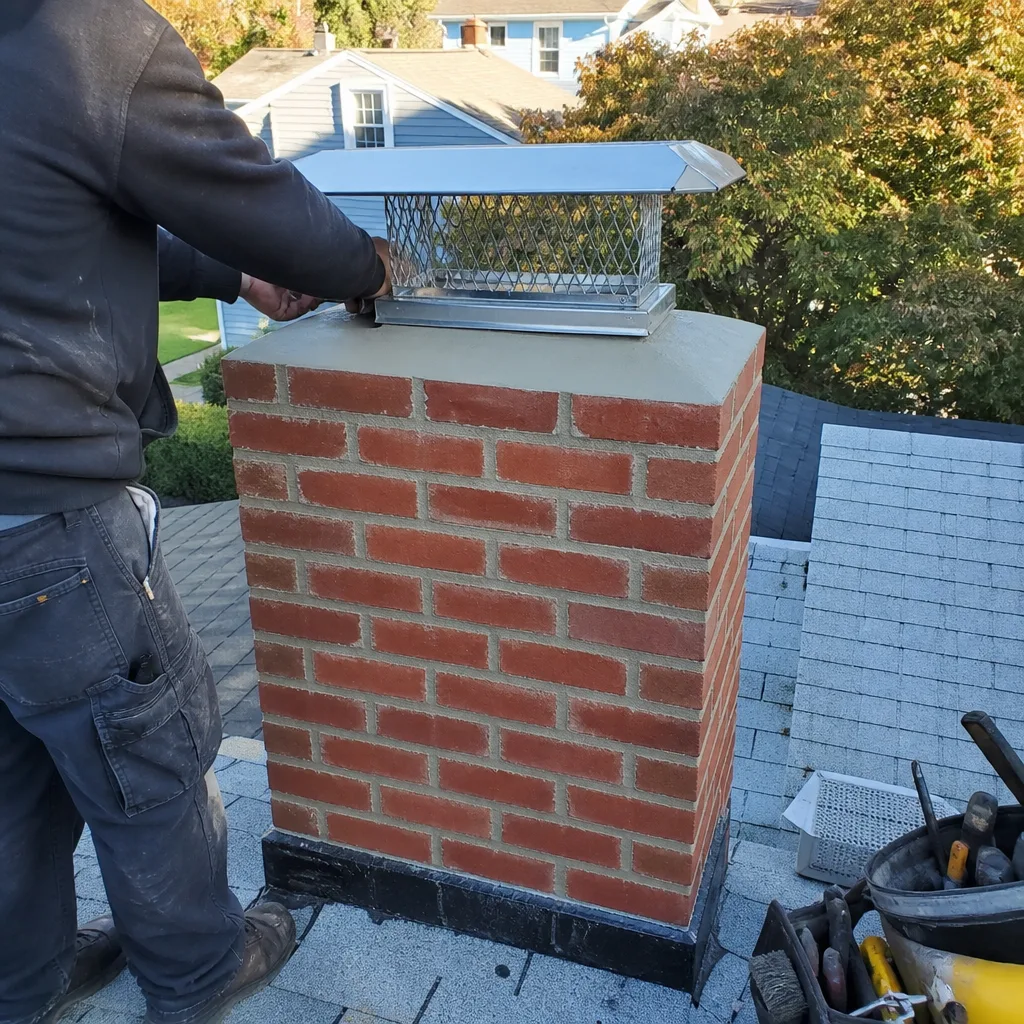 After
After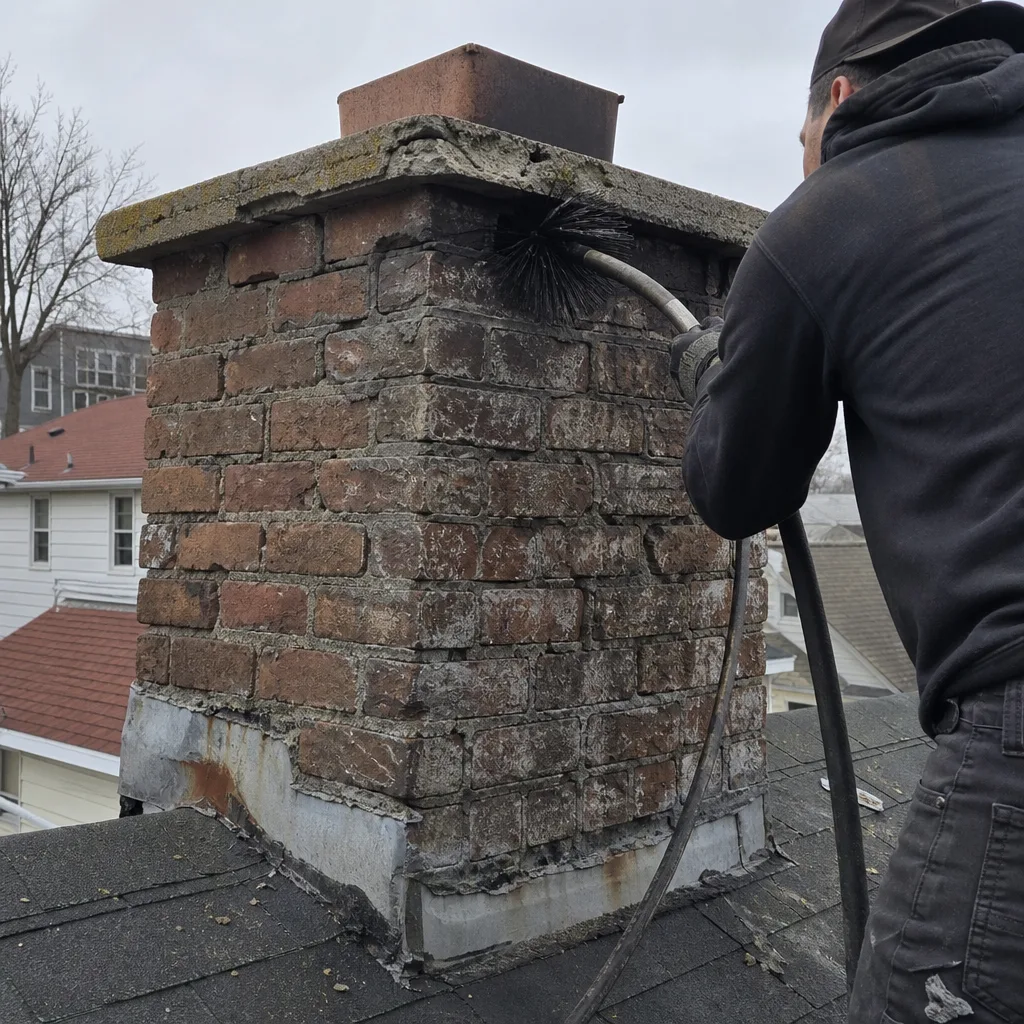 Before
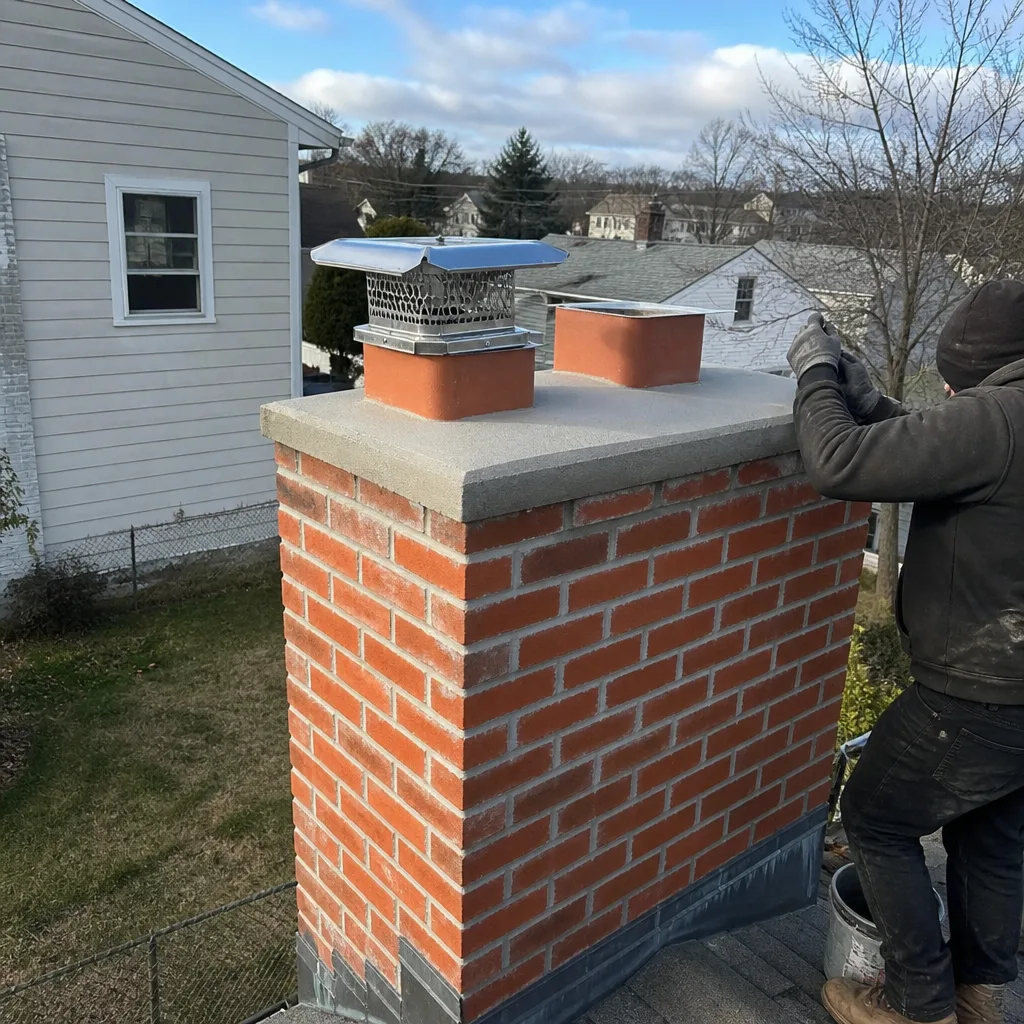 After
AfterGelco Flue Liner Replacement: The Brooklyn Owner’s Guide
We stock and install Gelco-compatible flue liner replacement sections for Brooklyn homes, and most swaps run between $1,400 and $2,800 installed depending on length, accessibility, and whether the surrounding masonry needs attention first. Call it a half-day job in most row houses and brownstones. The way most folks find out their Gelco liner is done is not a dramatic failure: it is rust flakes in the firebox, a faint smoky smell in the upstairs hall, or a sweep’s camera showing a seam that has opened up like a zipper.
We have been pulling failed stainless liners out of Brooklyn chimneys since 1999, and Gelco’s name comes up plenty. The liner itself is usually not the weakest link in the system, but age and the marine air off New York Harbor do not do it any favors either.
Which Gelco Models This Applies To
Gelco’s stainless flex liners show up most often in Brooklyn under two names worth knowing: Gelco 2-ply and the heavier Gelco 316Ti alloy series built for gas and oil flue gases. The 316Ti is the one you want if you are venting anything that produces acidic condensate, which is nearly every modern high-efficiency gas appliance in a Brooklyn brownstone retrofit.
Here is the gotcha worth remembering: a Gelco liner installed in 1995 may be a 5.5-inch diameter, but the furnace or boiler it serves was likely swapped to a high-efficiency unit that requires a 6-inch liner. We measure before we quote, every single time. We also install liners from DuraFlex and HeatShield, so if your Gelco liner is beyond saving and a different brand fits better, we will tell you that straight. We are an independent chimney company in Brooklyn, not affiliated with Gelco, and our loyalty is to the chimney, not a catalog.
Signs Your Gelco Flue Liner Replacement Is Failing
- Rust flakes or discolored powder in the firebox. Galvanized or lower-grade steel jacket corrosion works its way down and shows up as orange or brown dust. The inner liner is what matters for safety, but outside rust usually means condensation is sitting where it should not be.
- Soot streaks or staining on the chimney exterior. When a liner seam separates, flue gas finds a new exit. In Brooklyn row houses, you will see it as a dark streak on the party wall side of the chimney.
- Smoky smell upstairs when the boiler runs. Not a fireplace smell. A damp, sharp smell in a second-floor bedroom that comes and goes with the heating cycle. That is flue gas, and it is pushing through a compromised liner.
- Draft trouble in one appliance but not another. A liner that has delaminated or collapsed partially will vent fine on a warm day and stall out when it is cold. If your oil burner starts hard and the water heater next to it drafts fine, the shared liner is the suspect.
- A camera inspection that shows buckling or gap-to-gap separation. This is the one that closes the case. We run a camera on every liner job, and Wendell sits with you and shows the footage. No mystery, no wasted money.
Replacement Cost & What’s Included
In Brooklyn, a straightforward Gelco flue liner replacement runs $1,400 to $2,800 installed. The spread comes down to height (a four-story brownstone costs more than a two-story Park Slope row house), access (roof ladder versus staging), and whether the existing liner has welded itself to the clay tile behind it. If the surrounding flue tiles are cracked or missing, expect to address that before the liner goes in. Wendell will show you the camera footage before any recommendation is made. If it does not need doing, he will tell you that too.
Every quote is a fixed price before a single tool leaves the truck. Parts and labor are itemized in writing. The work carries our 90-Day Done Right Promise: one call brings the crew back, no charge, no argument. Seniors and veterans get 10% off, always, and any repair over $200 is eligible for a $40 discount. No trip charge inside our Brooklyn service county.
DIY or Call Us?
You can do the safe groundwork: shine a flashlight up the flue after the fire is fully cold, look for rust streaks on the exterior brick, and write down the make, model, and BTU rating from the appliance tag. That information saves us a trip and saves you money.
What you should not do is pull a liner or attempt a patch. Stove pipe cement does not fix a stainless seam under heat stress, and any work inside a flue means ladder time on a Brooklyn roof, often a tall one with a party wall that has been patched by six different masons since 1920. The risk is not worth the few hundred dollars you might think you are saving. Call (516) 289-9316 and we will do it right.
FAQs
A 316Ti Gelco liner in a Brooklyn gas or oil vent typically lasts 15 to 25 years, but the marine moisture off the harbor and the hot-cold cycles of a Northeast winter knock years off the cheaper 2-ply versions. A liner that services a wood-burning fireplace wears faster because creosote burns are hard on thin stainless.
If your liner is 15 years old and the camera shows seam separation, budget for replacement in the next year or two rather than waiting for the stain on the wall. Call (516) 289-9316 for an exact quote.
We patch a liner only when the damage is isolated to a single short run and the surrounding metal is still sound. Most Gelco failures we see in Brooklyn are corrosion working through multiple spots, which is a replacement job. Patching a liner that is already approaching end-of-life is money you will spend twice.
Most Gelco single-family liner replacements in Brooklyn are a four-to-six-hour job, assuming the existing liner comes out clean. If the old liner has fused to the tile or the crown needs cutting back, we may return for a second day. We always confirm before we book and call you if anything changes.
Yes. We keep common Gelco-compatible diameters (5.5-inch through 8-inch) in the truck, along with connector assemblies and rain caps. If your system needs a nonstandard length or alloy, we usually have it in the shop by the next morning.
Written by Wendell Pike, Owner, Top Hat Chimney at Top Hat Chimney, serving Brooklyn and nearby areas.