
Level 1 sweep and inspection to the NFPA 211 annual standard - flue, crown, cap, and flashing checked and photographed
Chimney sweep logs do not sweep chimneys. They loosen some creosote - which then falls where a brush and vacuum still have to collect it.
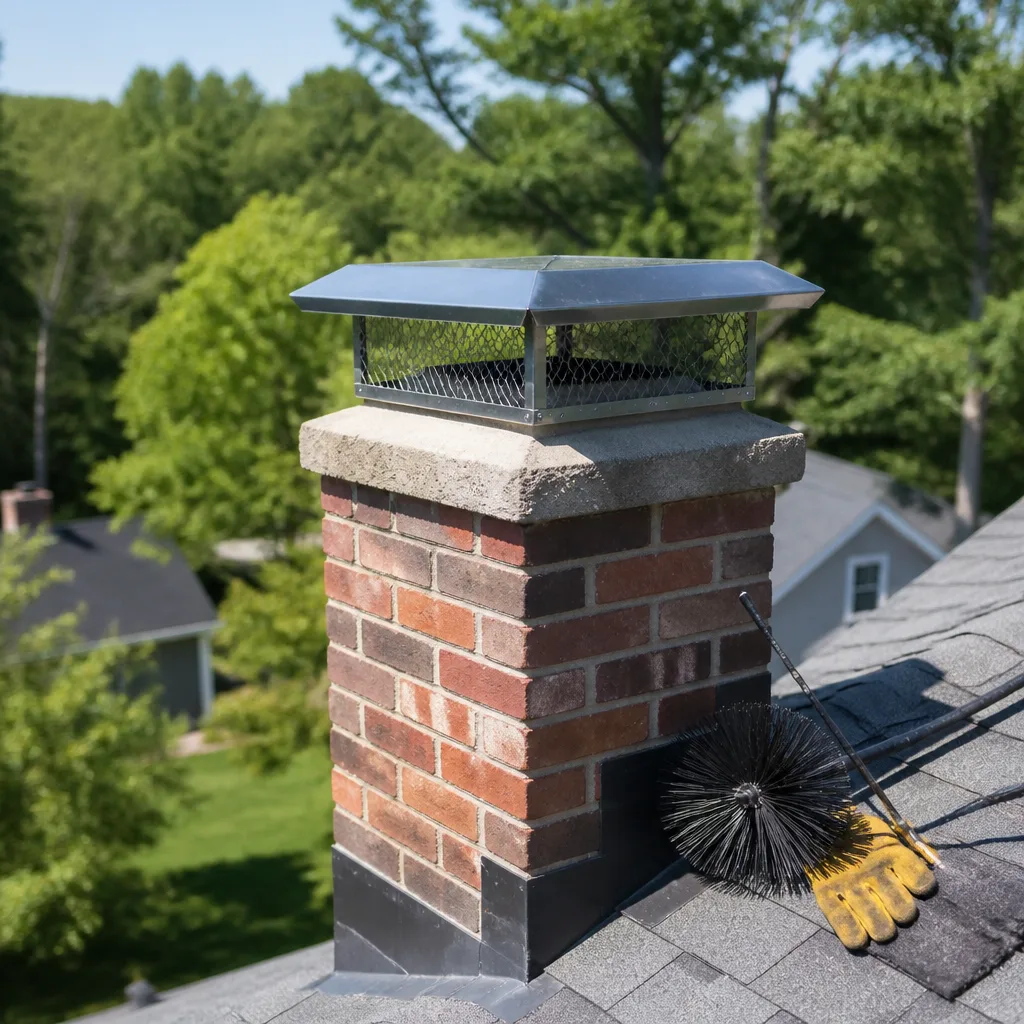
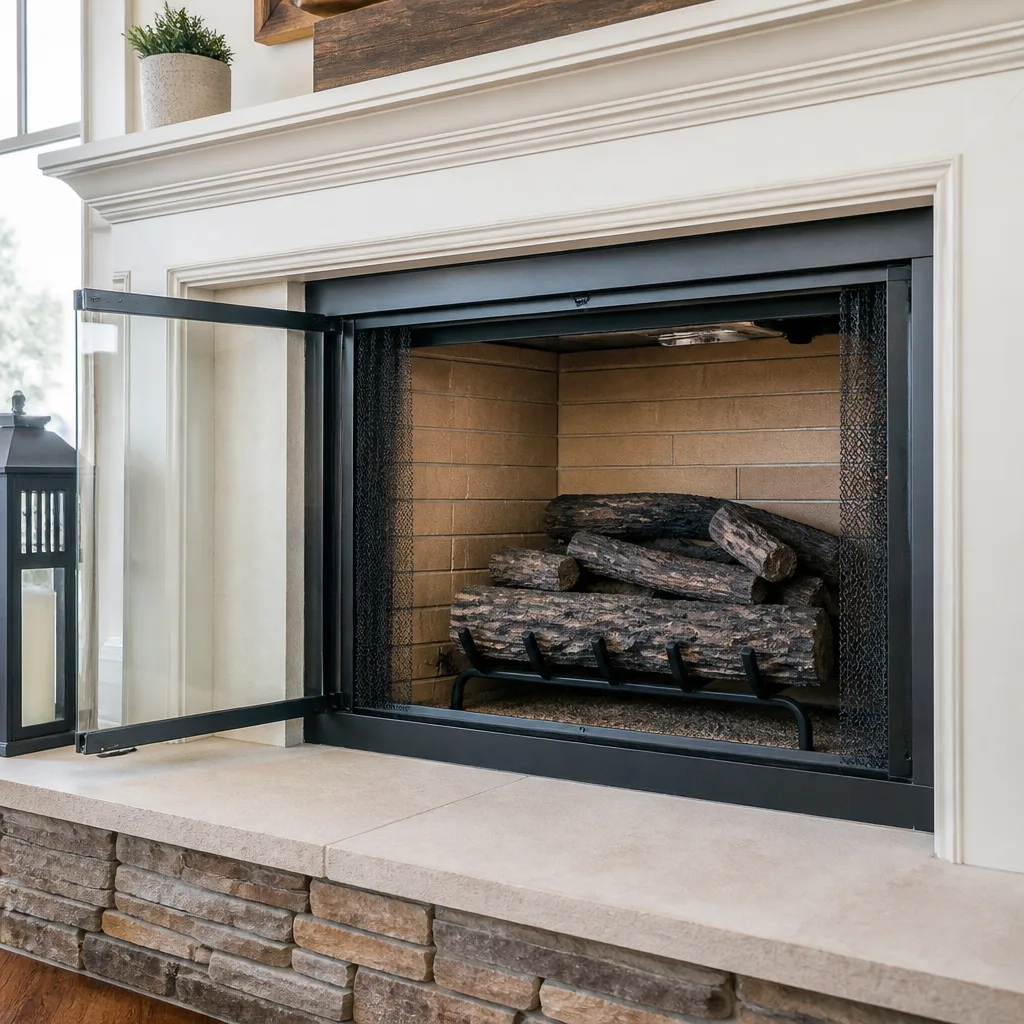
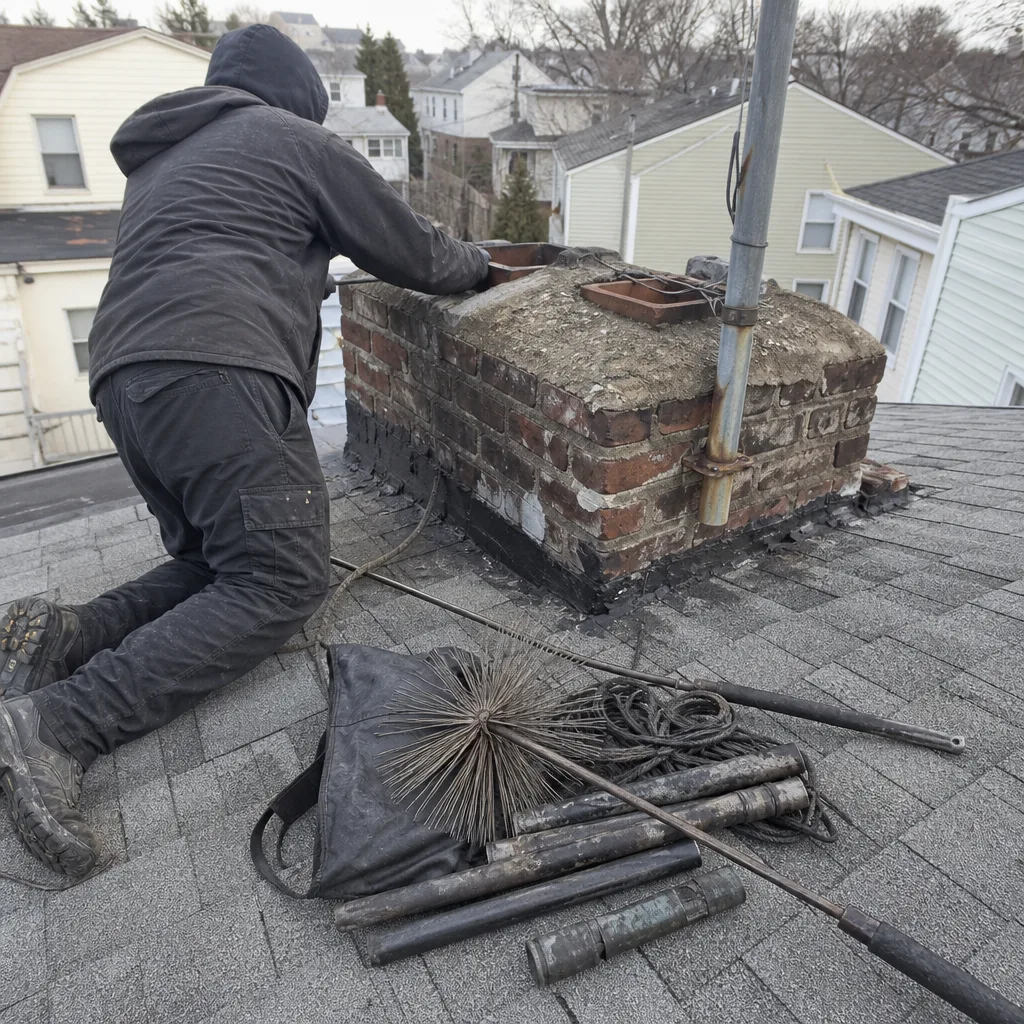 Before
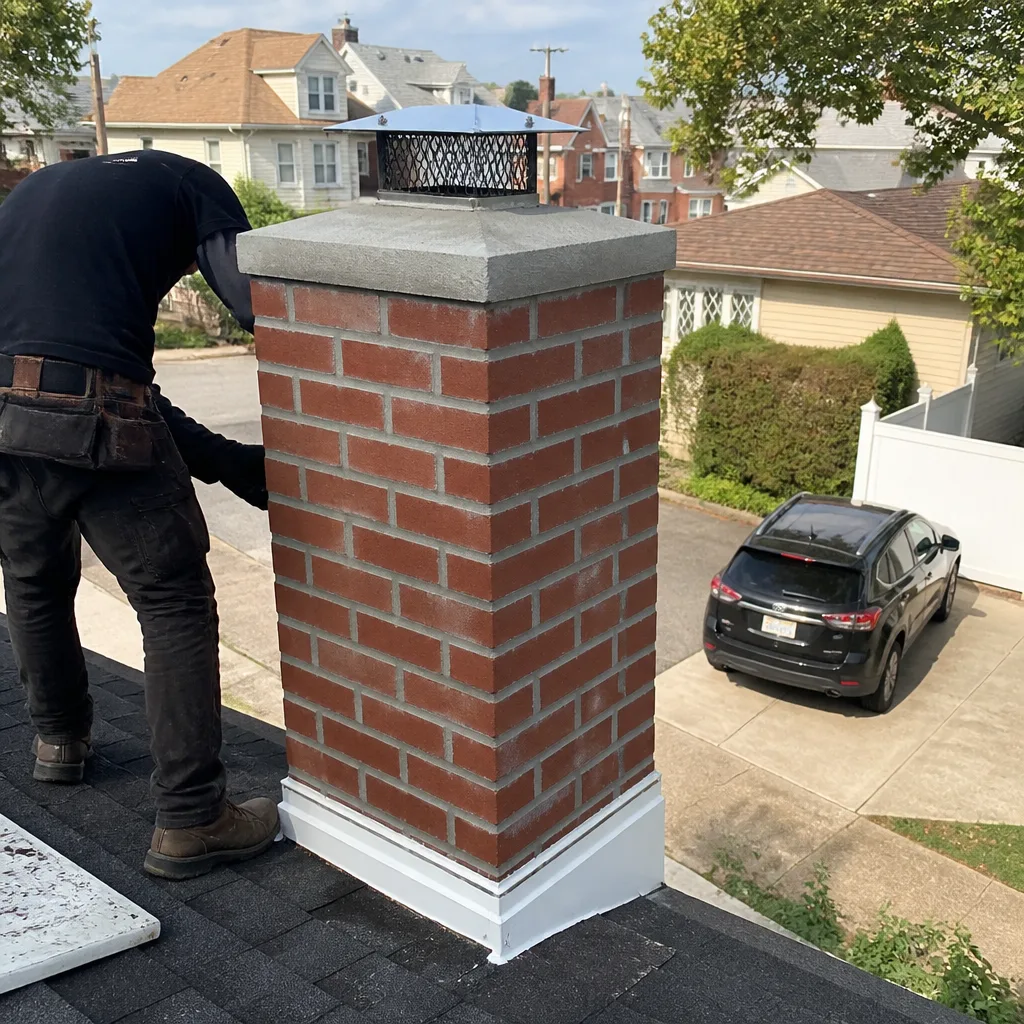 After
After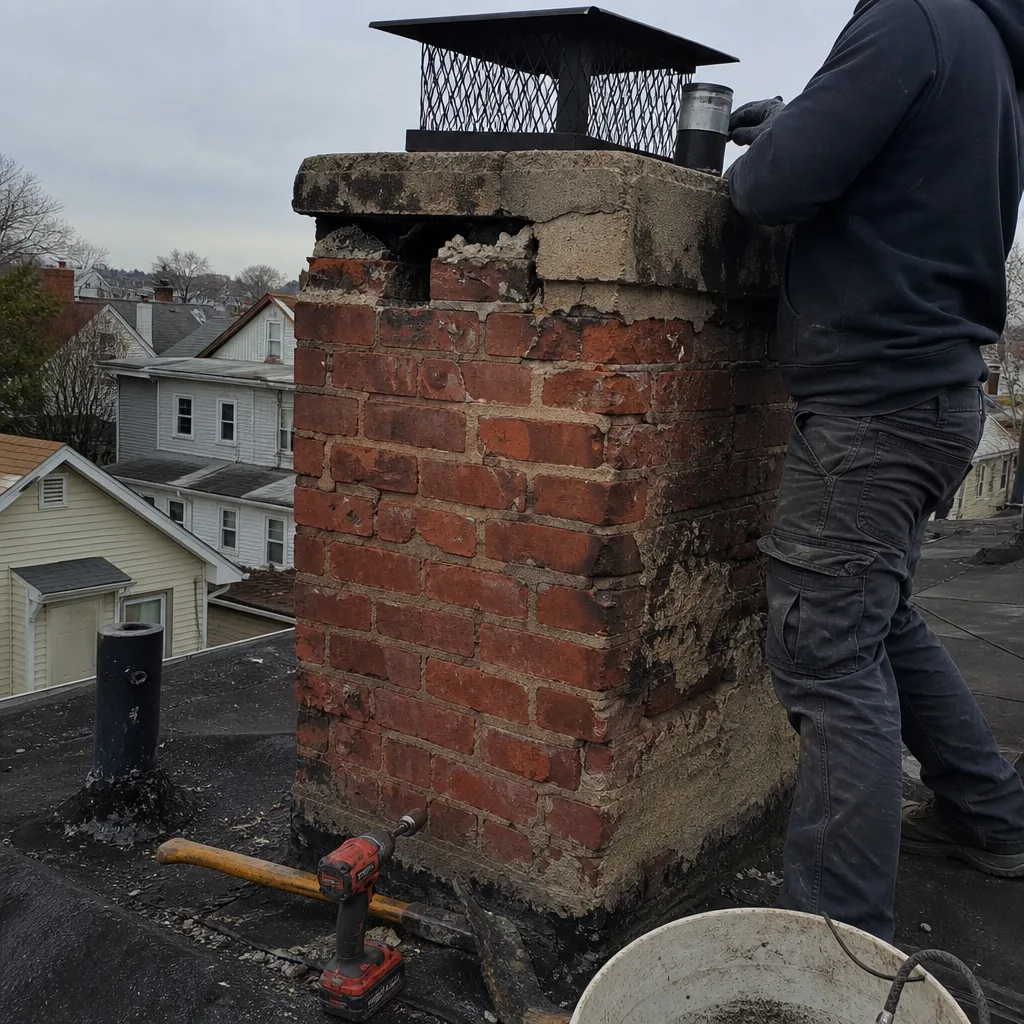 Before
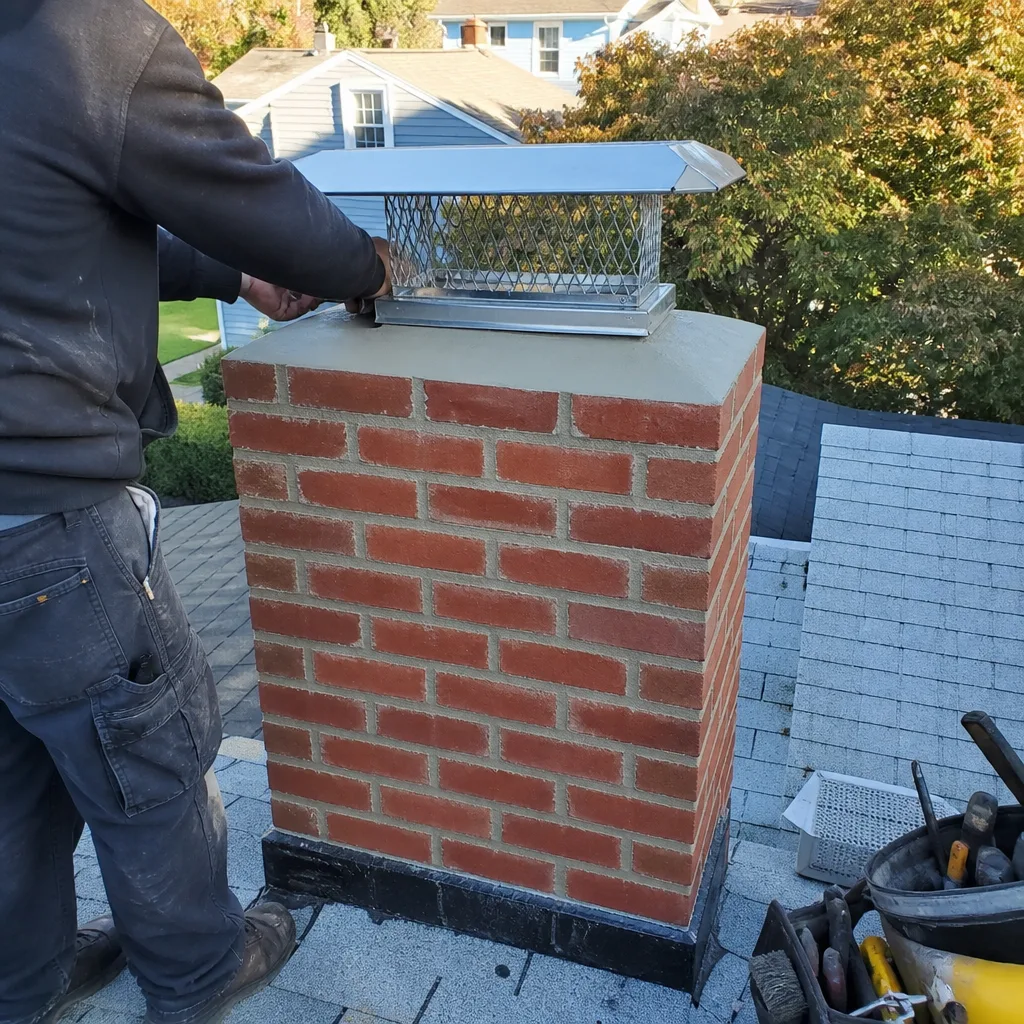 After
After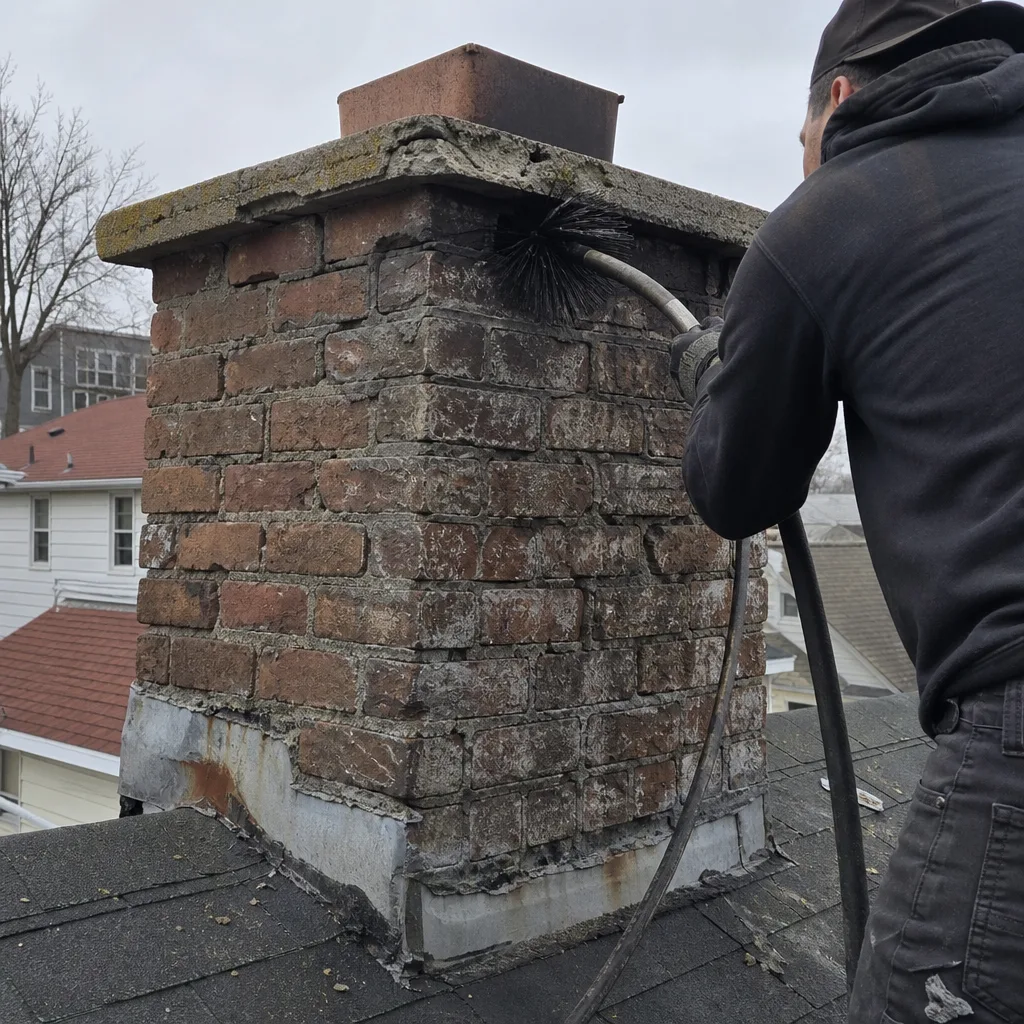 Before
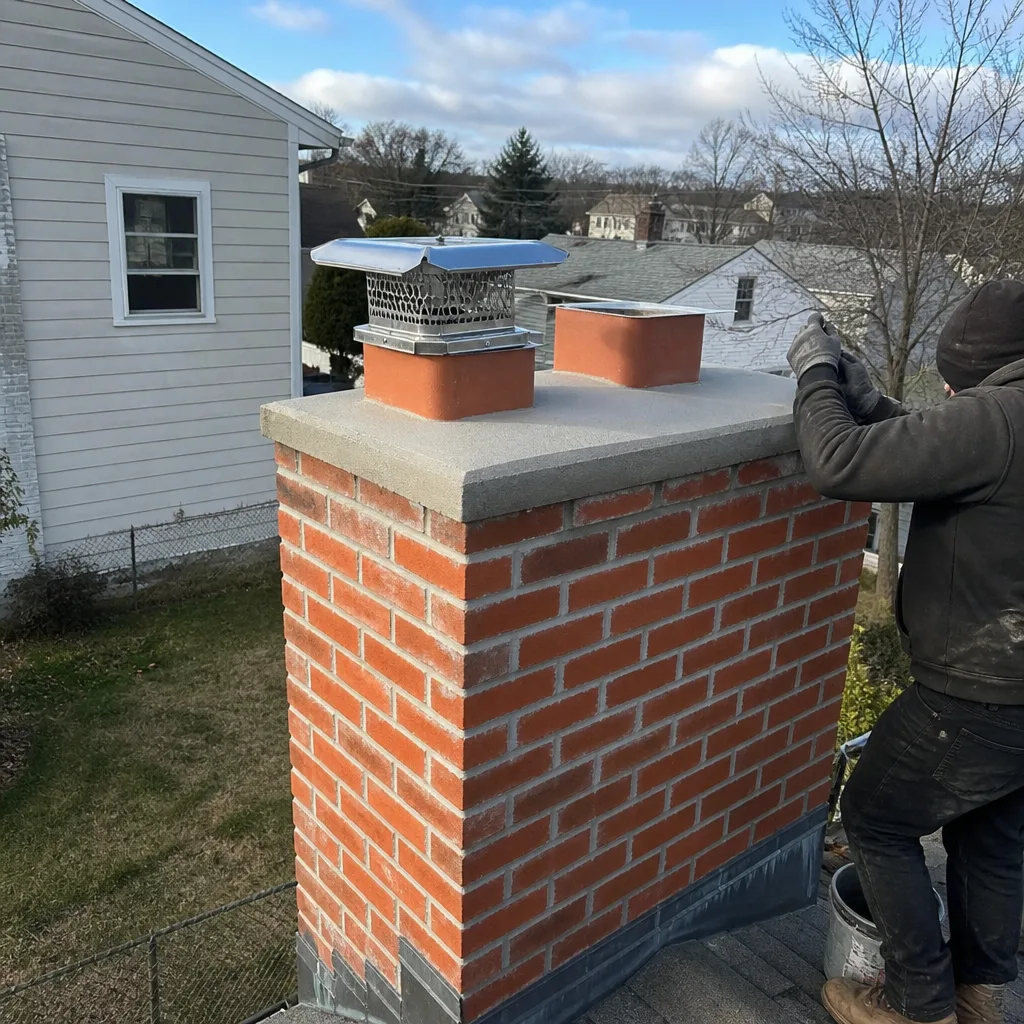 After
AfterCreosote Removal in Brooklyn, NY
Creosote removal in Brooklyn typically costs between $180 and $450, depending on how far the buildup has progressed and how many flue sections need attention. Most jobs are completed in a single visit, and in serious cases, same-day service is available. If you’re smelling something sharp and acrid near your fireplace or noticing a dark, glazed residue inside the firebox, that’s your chimney telling you it’s time to schedule Chimney Cleaning & Sweep services.
We’re Top Hat Chimney, and Wendell Pike has been pulling creosote out of Brooklyn flues since 1999. If you’d like to talk through what you’re seeing before booking anything, call us at (516) 289-9316 – a live person picks up around the clock, and more often than not, that person is Wendell. This page sits under our full Chimney Cleaning & Sweep in Brooklyn service, where you’ll find everything we do for Brooklyn homeowners.
Brooklyn’s housing stock – the attached brownstones in Park Slope, the older two-families in Flatbush, the semi-detached brick colonials in Dyker Heights – tends to run fireplaces more heavily in winter and then sit idle for months. That cycle of hard use followed by long neglect is exactly how third-degree creosote develops. It isn’t about how dirty your home is. It’s about combustion temperature, wood moisture, and airflow – and Brooklyn’s tightly packed flues, many of them original masonry from the early 1900s, can restrict draft in ways that accelerate the problem faster than a newer construction ever would.
Every job we do is backed by the 90-Day Done Right Promise: if something isn’t right after we leave, one call brings us back at no extra cost. That’s in writing, on every invoice.
When You Need Creosote Removal
Creosote doesn’t announce itself loudly. Most of the time it builds up quietly between seasons, and by the time a homeowner in Bay Ridge or Bensonhurst notices something, the flue already has more buildup than a standard sweeping brush can handle. Here’s what to watch for:
- A sharp, tar-like smell near the fireplace when the damper is closed. In Brooklyn’s older attached homes, that odor can migrate into neighboring rooms or even through shared walls. If your neighbors are complaining about a smell and you’re not burning, your flue may be the source.
- A black, shiny, or flaky crust visible just inside the firebox opening. First-degree creosote is dusty and brushes off easily. Second-degree looks like black flakes or tar chips. Third-degree is a hard, shiny glaze – the kind that bonds to the flue tile and requires chemical treatment before mechanical removal. Do not mistake it for soot.
- Smoke backing up into the room during or after lighting a fire. Heavy creosote deposits narrow the effective diameter of your flue and restrict the draft. In older Park Slope brownstones with multiple flues sharing one chimney stack, a badly choked liner can actually affect draft in an adjacent fireplace.
- You’ve been burning unseasoned wood, or you burned a lot of pine last winter. Green wood and softwood burn cooler and produce far more creosote per cord than properly seasoned hardwood. One season of that mistake can leave behind what normally takes several years to accumulate.
- It’s been more than a year since your last cleaning. Once a year is the minimum, burn season or not. Chimneys deteriorate in the off-season, and a flue that sat all summer with moisture inside is already a step ahead of you.
- You’ve had a chimney fire, even a small one. A lot of homeowners in Canarsie and East Flatbush don’t realize they’ve had one – a short, intense burn that might have sounded like rushing air or a low rumble. That kind of event can leave behind a thick deposit of puffed, brittle creosote called “popcorn creosote” that has to come out before the fireplace can be used safely again.
Our Creosote Removal Process
There’s no single method that works for every degree of creosote, and anyone who tells you otherwise hasn’t worked many Brooklyn flues. Here’s how we handle it, start to finish:
- Camera inspection first. Before a single brush goes into the flue, we run a camera so you can see exactly what’s in there. Wendell will give you a plain-English verdict – degree of buildup, condition of the liner, any cracks or deterioration worth knowing about. You see the footage. No guesswork, no upsell based on things you can’t verify.
- Work area protection. We seal off the firebox with a heavy-duty drop cloth and set up a HEPA-filtered vacuum before anything moves. Brooklyn rowhouses have narrow hallways and finished living rooms right next to the fireplace wall; we treat your home accordingly. Uniforms on, drop cloths down, and we track nothing out.
- Mechanical brushing for first- and second-degree deposits. Most Level 1 and 2 creosote comes out with the right rotary brushes and extension rods worked from the firebox up. We use professional-grade equipment from Copperfield – rods and brushes sized specifically to your flue dimensions, not a one-size-fits-all kit from a hardware store. The HEPA vacuum captures the debris as it falls.
- Chemical treatment for third-degree glaze. When we’re dealing with a hard, glazed deposit – the kind that’s bonded to the tile – brushing alone won’t cut it. We apply a certified creosote-dissolving compound that converts the glaze into a friable material that can be brushed out on a return visit (or, in some cases, the same day if the product has done its work). We carry products approved for use in New York, and we won’t skip this step because it’s inconvenient.
- Post-removal inspection and documentation. Once the flue is cleared, the camera goes back in. You see the before and after. If we found cracks, spalling tiles, or mortar joint issues during the process, we’ll show you those too and explain what they mean for your next burn season – no pressure, just information.
- Written summary and 90-Day Done Right Promise. Every job leaves with documentation: what we found, what we did, and the guarantee in writing. If the creosote situation turns out to need liner work – something we see fairly often in Bay Ridge homes with older clay tile flues – we’ll explain your options clearly and give you upfront pricing before any additional work begins.
Creosote Removal Pricing in Brooklyn
Creosote removal in Brooklyn generally runs between $180 and $450 for a standard residential fireplace flue. Here’s what shapes that number:
| Creosote Level | Typical Brooklyn Price Range | What’s Involved |
|---|---|---|
| Level 1 (light, dusty) | $180 – $250 | Standard brush sweep; included in routine cleaning |
| Level 2 (flaky, moderate) | $230 – $320 | Heavier brushing, possible second pass; camera included |
| Level 3 (hard glaze) | $320 – $450+ | Chemical treatment plus mechanical removal; may require two visits |
| Camera inspection (standalone) | $95 – $150 | Applied toward job cost if we do the work |
A few things that can push the number higher in Brooklyn specifically: flue height (a four-story Prospect Heights brownstone has a significantly longer run than a two-story semi-detached in Marine Park), the condition of the liner tiles (damaged tiles slow the process), and access (some Brooklyn chimneys require us to work from the roof rather than the firebox, particularly in attached row houses where interior access is limited by finished walls).
We give you the number before the first tool comes off the truck. What you hear on the phone is what appears on the invoice – no surprises at the door. That’s not a slogan; it’s just how we’ve operated since 1999.
Standing offers that apply to creosote removal:
- $40 off any repair over $200
- 10% off, always, for seniors and veterans
- Free second opinion on any competing written estimate
- No trip charge for calls within our service county
Call (516) 289-9316 for an exact quote – estimates are free, and we’ll tell you honestly if what you’re describing sounds like a simple cleaning rather than a full creosote removal job.
FAQs – Creosote Removal in Brooklyn
Is creosote removal the same thing as a chimney sweep?
Not always. A standard chimney sweep addresses Level 1 Inspection creosote – the light, dusty buildup that brushes off easily and is part of every routine cleaning. Creosote removal, as a specific service, refers to heavier Level 2 and Level 3 deposits that require additional equipment, chemical treatments, or multiple visits to clear safely. In Brooklyn, where many homes run older, lower-temperature fireplaces in brownstones with naturally restricted draft, we see Level 2 and even Level 3 buildup more often than you’d expect from homeowners who burn only occasionally. If you’re not sure which you have, the camera inspection will tell you within minutes. Call us at (516) 289-9316 and we’ll help you figure it out before you book anything.
How dangerous is creosote buildup, really?
Third-degree creosote is the most flammable substance routinely found inside a residential chimney. A chimney fire fueled by a heavy glaze deposit can burn at temperatures above 2,000 degrees Fahrenheit – hot enough to crack clay flue tiles, buckle metal liners, and transfer heat through the masonry into adjacent framing. In Brooklyn’s attached row houses, that’s not just your home at risk; a flue fire in a shared chimney stack can compromise a neighbor’s fireplace or structural wall. First-degree creosote is a brush job. Third-degree is a fire risk that needs professional attention – not a DIY project. Call (516) 289-9316 if you’re unsure what level you’re dealing with.
How often should Brooklyn homeowners have creosote removed?
Once a year is the minimum recommended by the Chimney Safety Institute of America, and it applies whether you burn one cord a season or five. Brooklyn homeowners who use gas-log inserts sometimes assume they’re exempt – they’re not entirely; gas can still produce moisture and light deposits that need attention. For wood-burning fireplaces, the schedule should be tied to use: anything over two cords of wood per season warrants a mid-season inspection. Homes in Flatbush and Crown Heights with older, narrower flue dimensions tend to accumulate creosote faster than newer construction because the restricted diameter slows the draft and drops combustion temperatures. Once a year, minimum – and call after any sustained period of heavy burning.
Can creosote removal damage the flue liner?
Done correctly, no. The risk comes from applying the wrong chemical treatment to an already-compromised liner, or from using brushes that are oversized for the flue dimensions. That’s why we camera-inspect before we brush – if a liner tile is cracked or a mortar joint has failed, we know about it before we start working, not after. The Copperfield rods and brushes we use are sized to your specific flue, and chemical treatments are chosen based on what’s actually in the flue, not a default product applied to every job. If the liner is damaged and creosote removal would risk making things worse, we’ll tell you that upfront and explain your repair options instead.
Why Brooklyn Homeowners Call Top Hat Chimney
Wendell Pike started this business in Brooklyn in 1999 because he saw what the national outfits were doing: quoting one price on the phone, sending whoever was available, and being unreachable when something went wrong. That hasn’t changed much in 25 years, and neither has the way Top Hat operates.
When you call (516) 289-9316, you get a live person every time – not a voicemail, not a call center. The estimate you hear is the one that appears on the invoice. The sweep who shows up at your door is background-checked, in uniform, and will give you a real arrival window – and call you if it slips. Wendell puts his name on the work because he runs into his customers at the hardware store, the diner, around the neighborhood. That’s not a differentiator in a marketing sense; it’s just how a locally owned business works.
The 90-Day Done Right Promise covers every job: if something isn’t right after we leave, one call brings the crew back at no extra charge. In writing, every time, no exceptions.
We’ve been inside more Brooklyn flues than most sweeps have seen in a career. From the shared stacks in Carroll Gardens to the standalone chimneys in Gravesend, from the ornate Victorian fireboxes in Windsor Terrace to the retrofitted gas inserts in newer Williamsburg condos, we’ve seen what Brooklyn chimneys actually look like on the inside – and we know how to clean them correctly.
For more on what a full professional cleaning covers before and after creosote removal, visit our home page, or read through the full scope of our work on the Chimney Cleaning & Sweep in Brooklyn page.
Key Takeaways
- Creosote removal in Brooklyn costs $180-$450 depending on deposit level, flue height, and liner condition.
- Level 1 is a standard sweep. Level 3 glaze requires chemical treatment and is a genuine fire hazard – not a DIY job.
- Brooklyn’s older masonry flues in attached row houses accumulate creosote faster due to restricted draft and lower combustion temperatures.
- Every job starts with a camera inspection so you see exactly what’s in the flue before any work begins.
- Upfront pricing before any work starts – no price changes at the door.
- Backed by the 90-Day Done Right Promise, in writing, on every invoice.
- Seniors and veterans receive 10% off; $40 off any repair over $200.
- Call (516) 289-9316 any time – a live person answers, day or night.
Schedule Your Creosote Removal in Brooklyn
If you’re smelling something acrid, seeing a dark glaze inside your firebox, or it’s simply been more than a year since your last Fireplace Cleaning, don’t put it off until the first cold night of fall when every sweep in Brooklyn is booked out two weeks. Call (516) 289-9316 now – estimates are free, we give you the price before we start, and the 90-Day Done Right Promise is on every job. Wendell and his crew serve all of Brooklyn, from Bay Ridge to Bushwick, from Flatbush to Fort Greene. The number you call is the number on the invoice. That’s been true since 1999.
Written by Wendell Pike, Owner at Top Hat Chimney, serving Brooklyn since 1999.