
Level 1 sweep and inspection to the NFPA 211 annual standard - flue, crown, cap, and flashing checked and photographed
Chimney sweep logs do not sweep chimneys. They loosen some creosote - which then falls where a brush and vacuum still have to collect it.
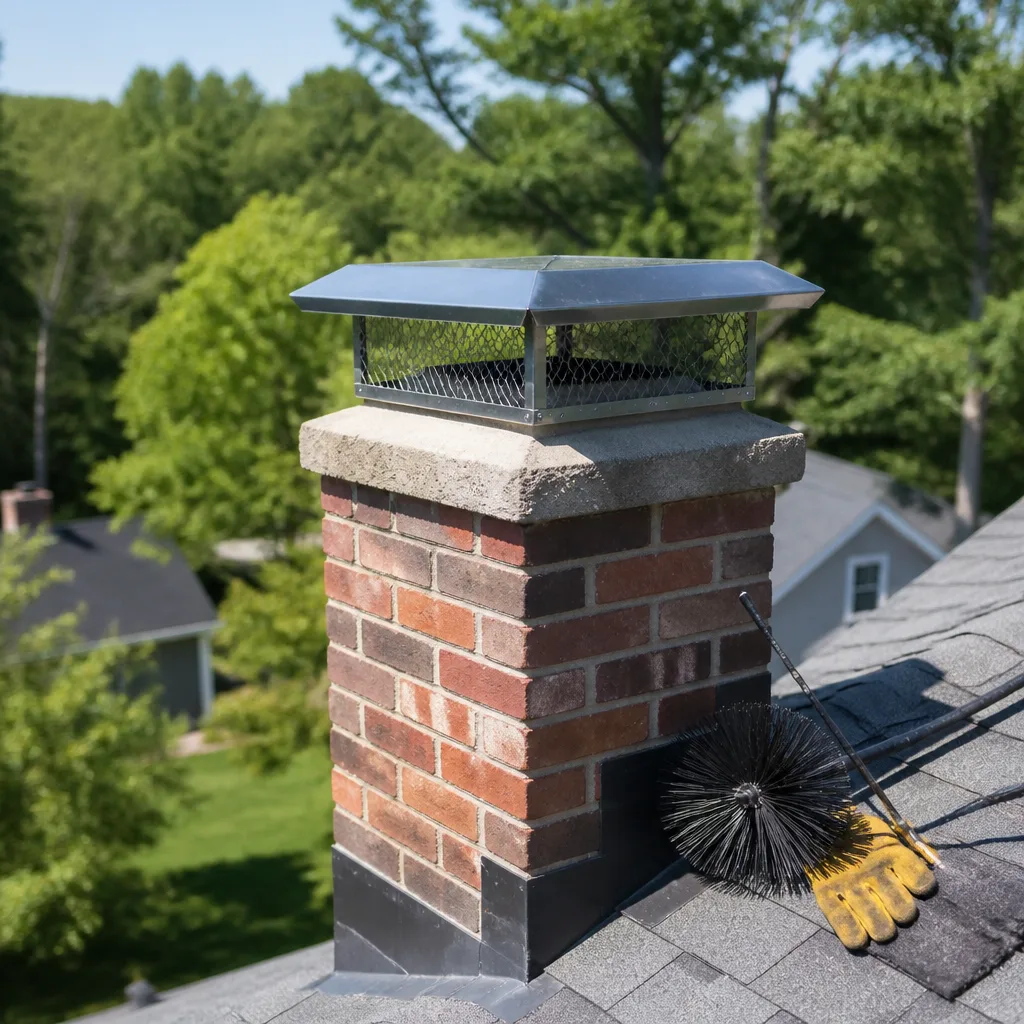
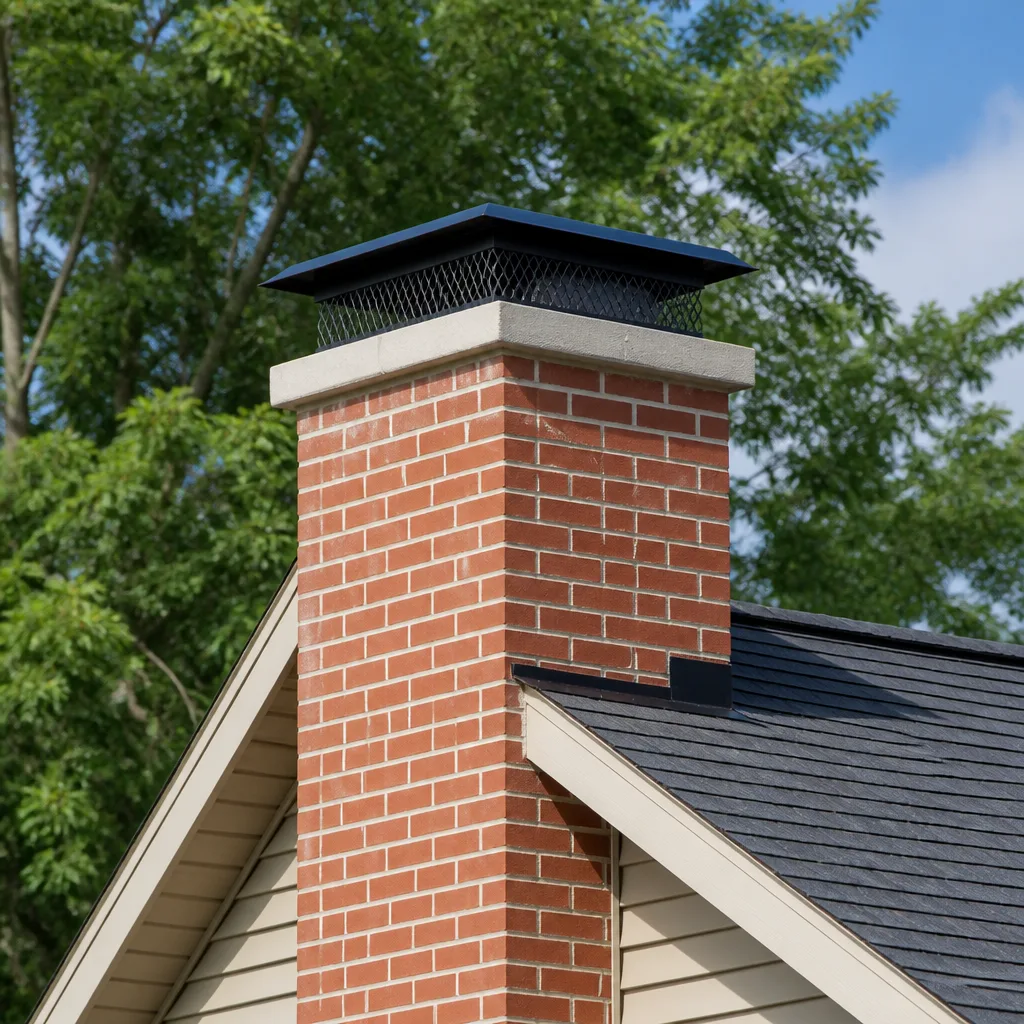
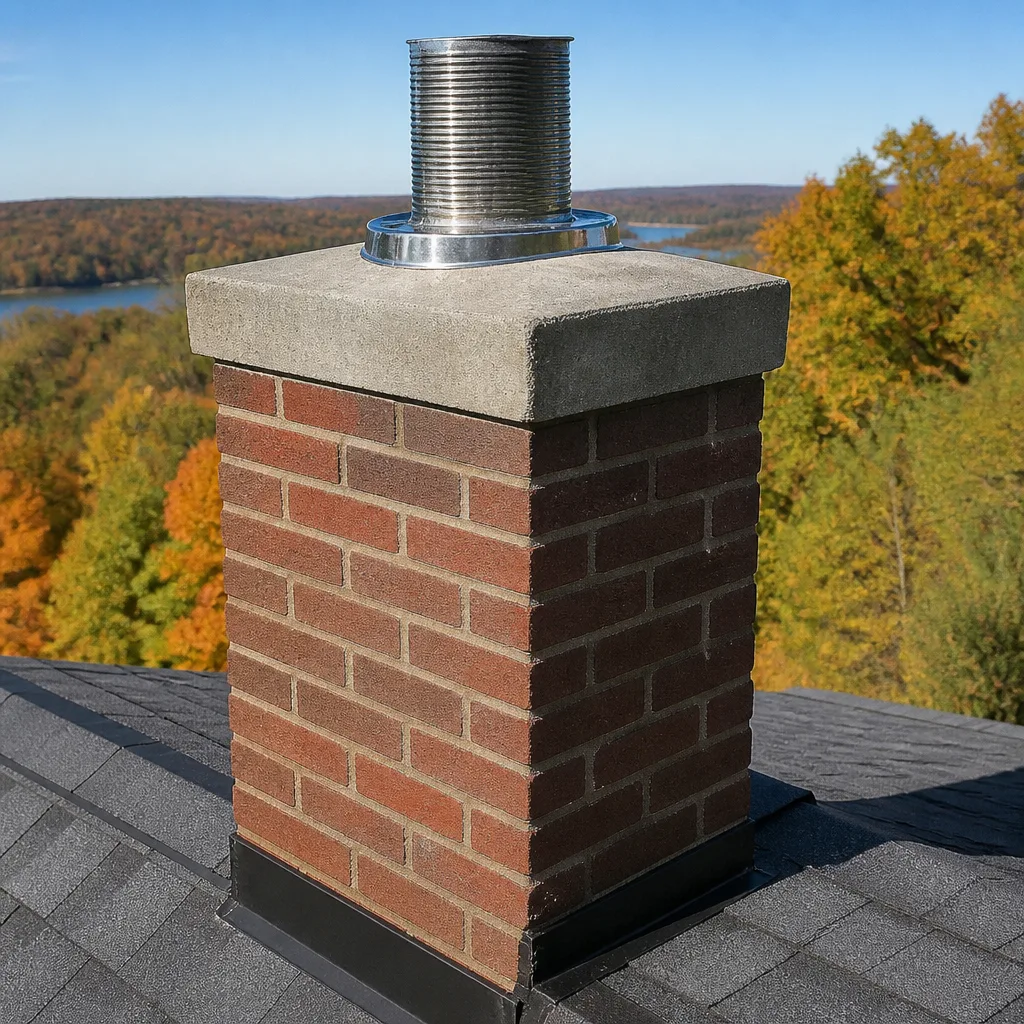
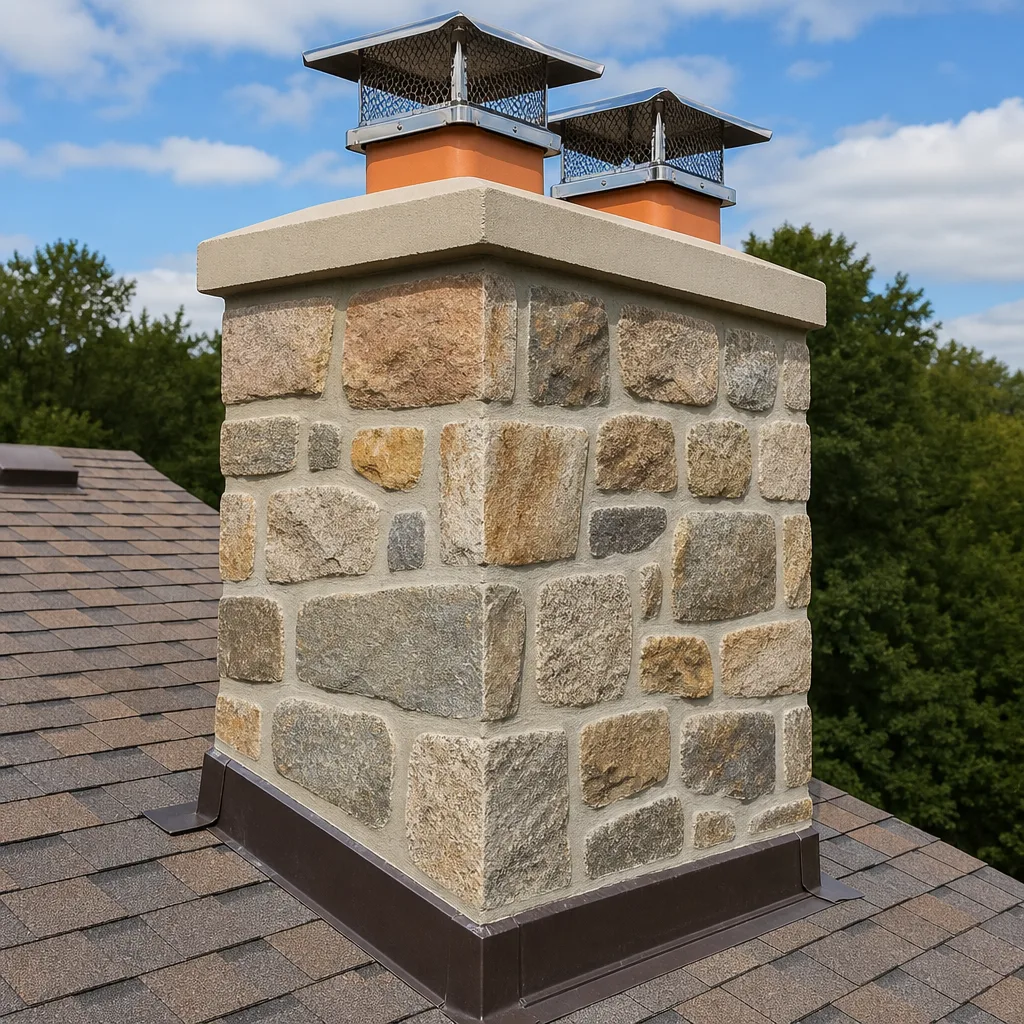
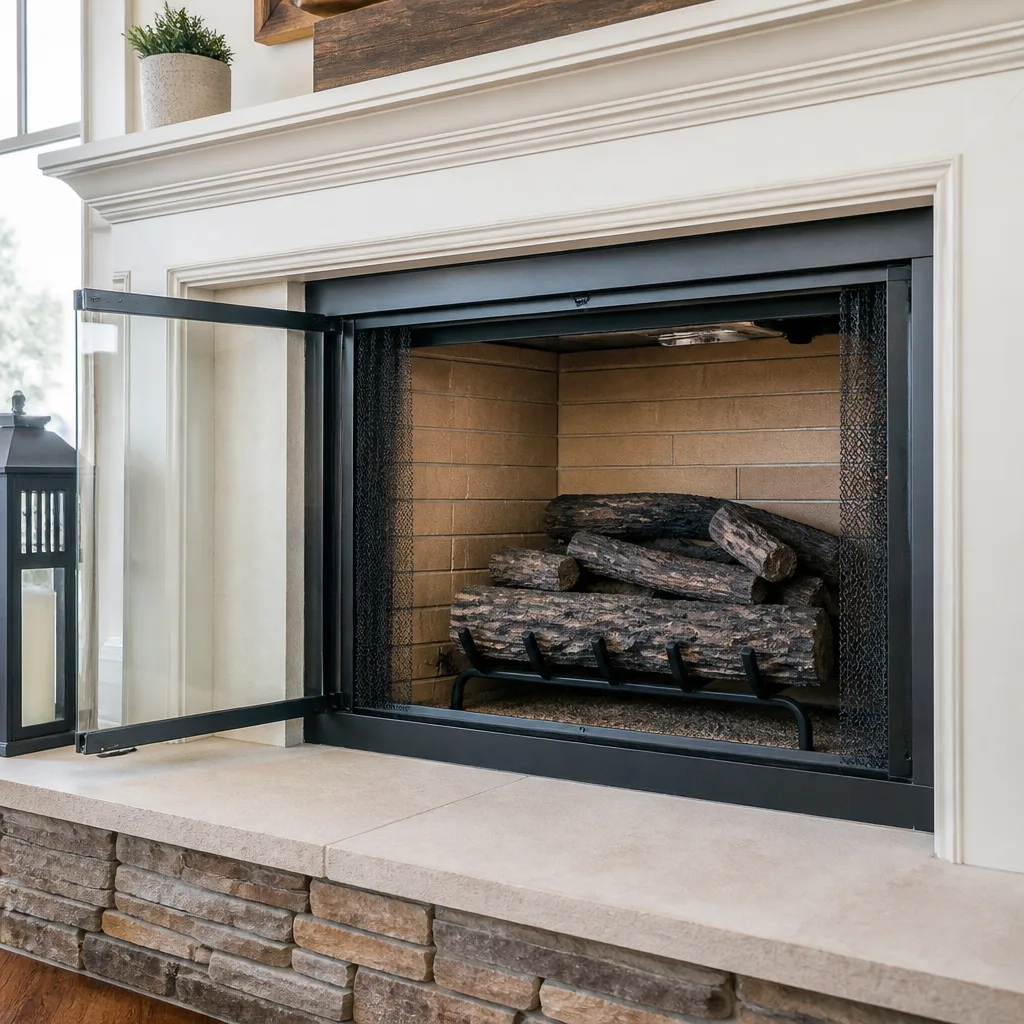
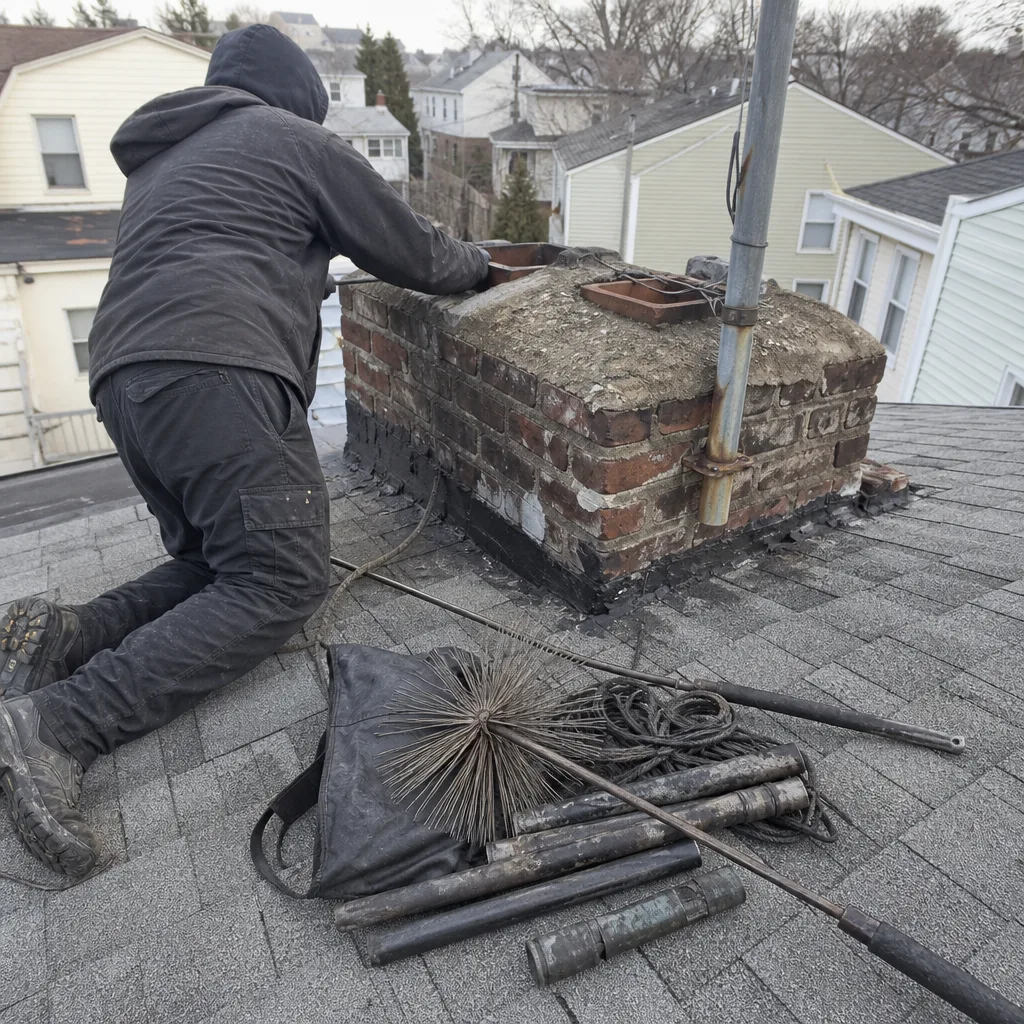 Before
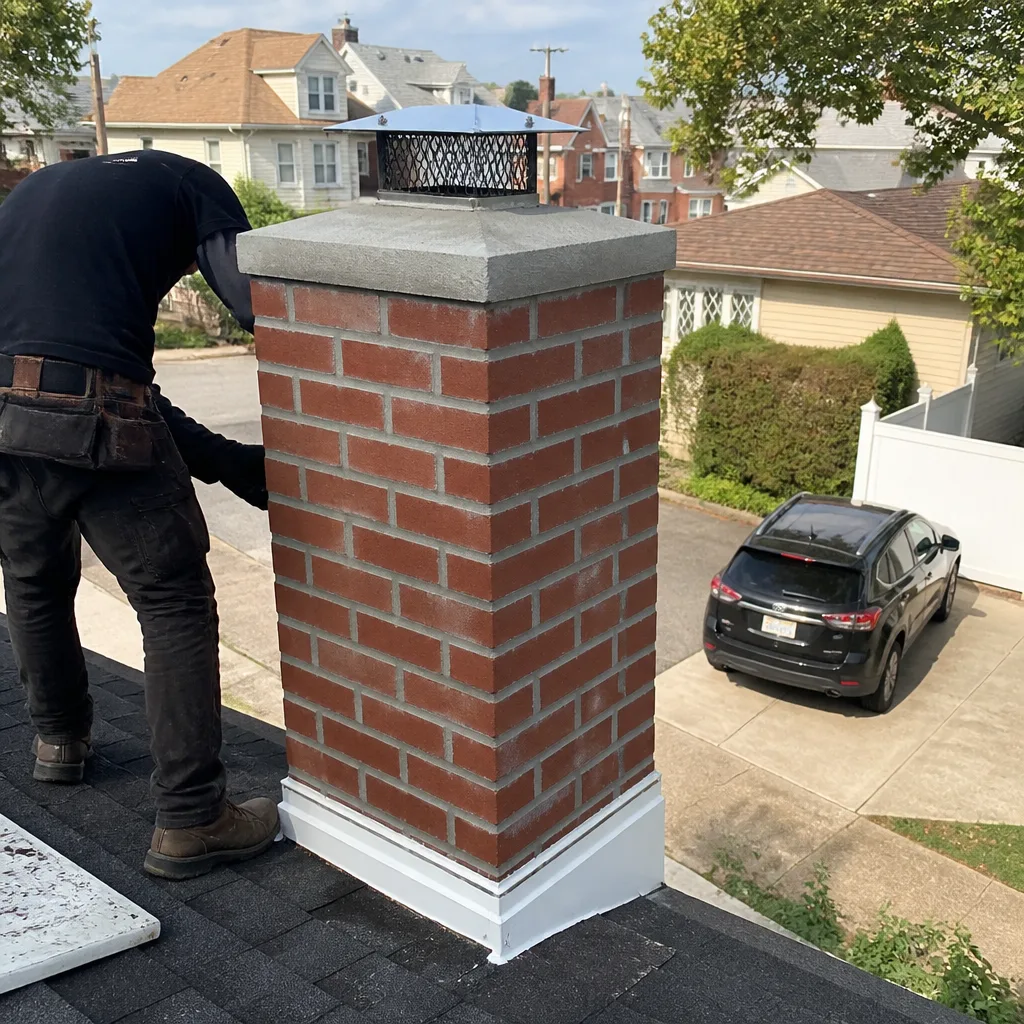 After
After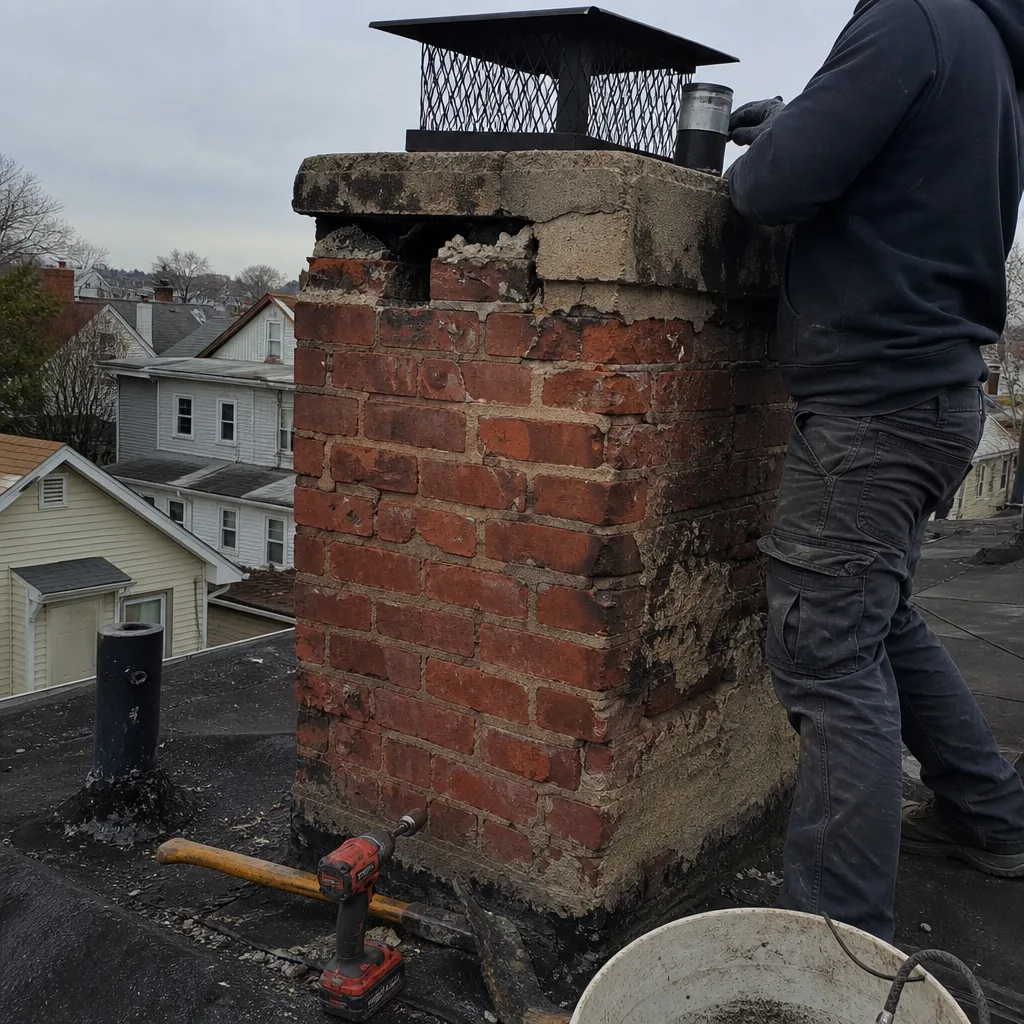 Before
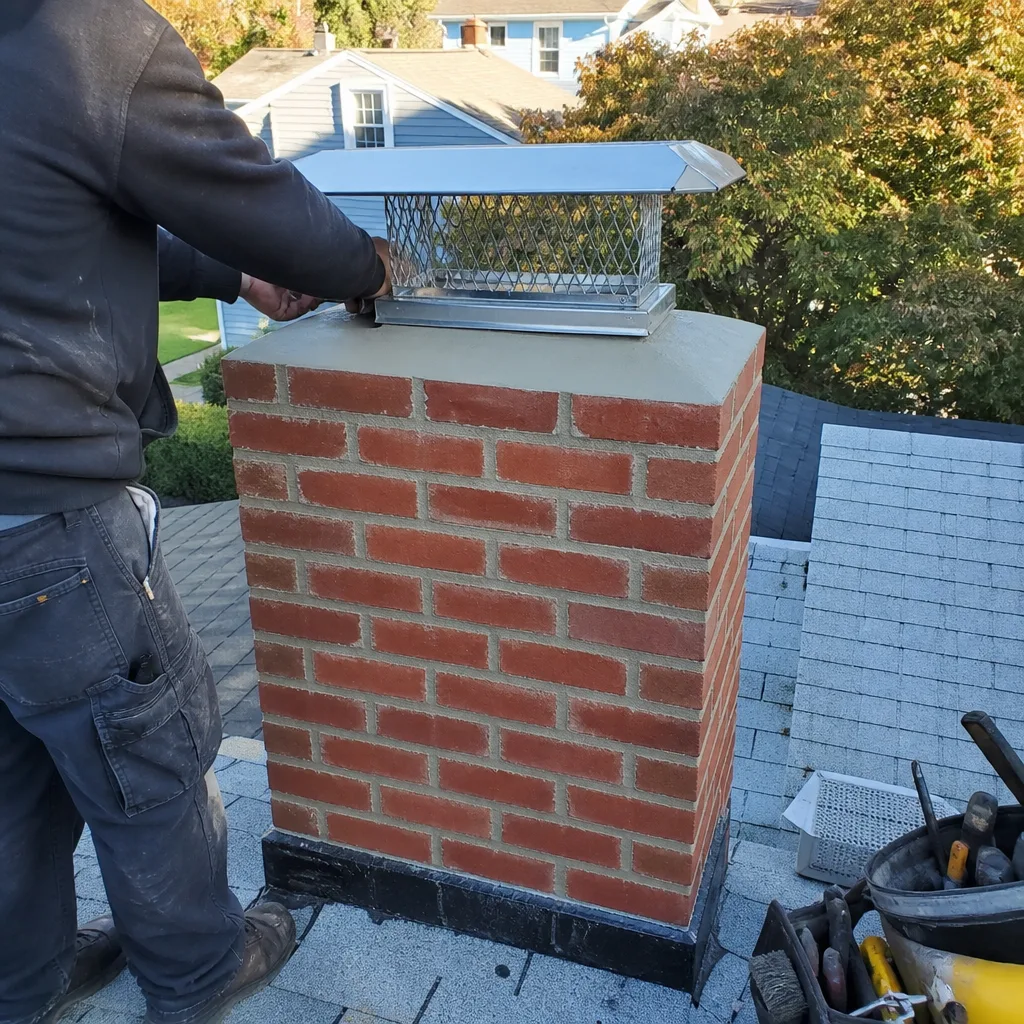 After
After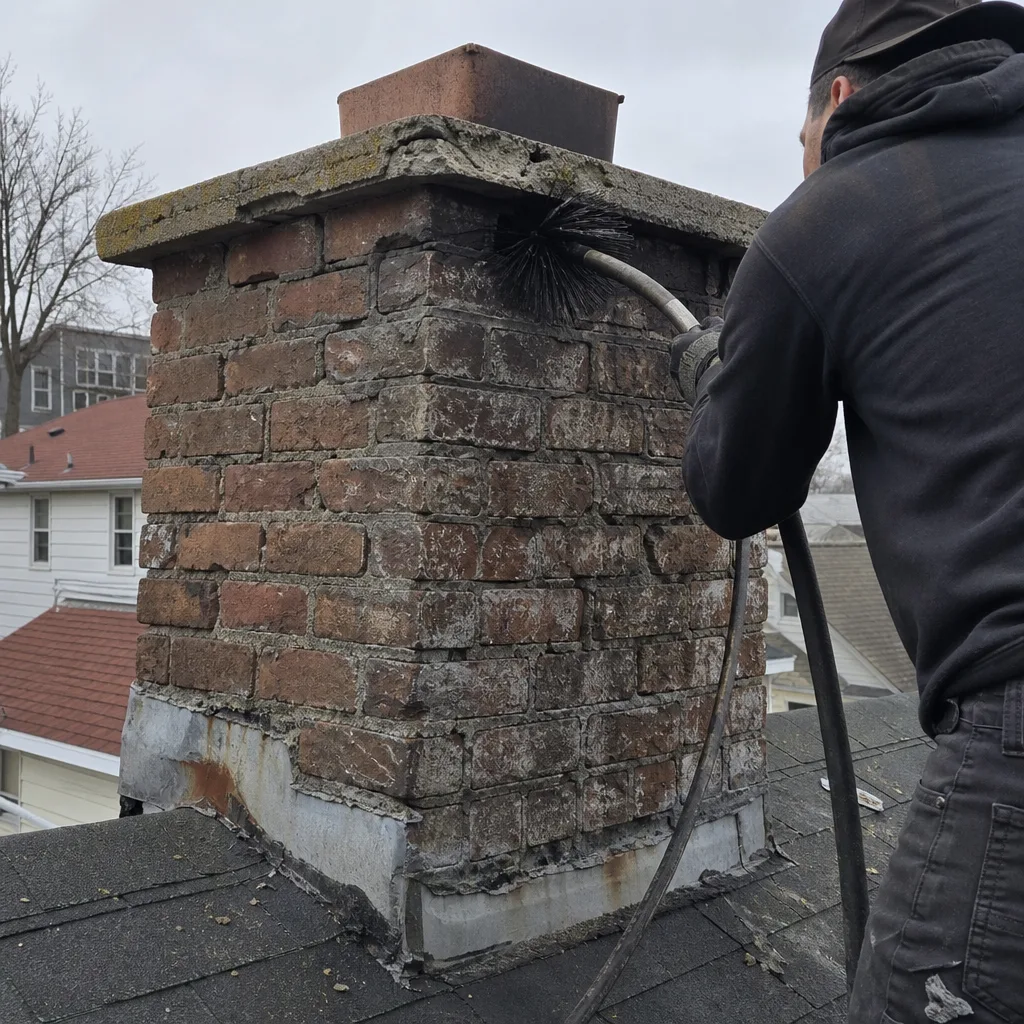 Before
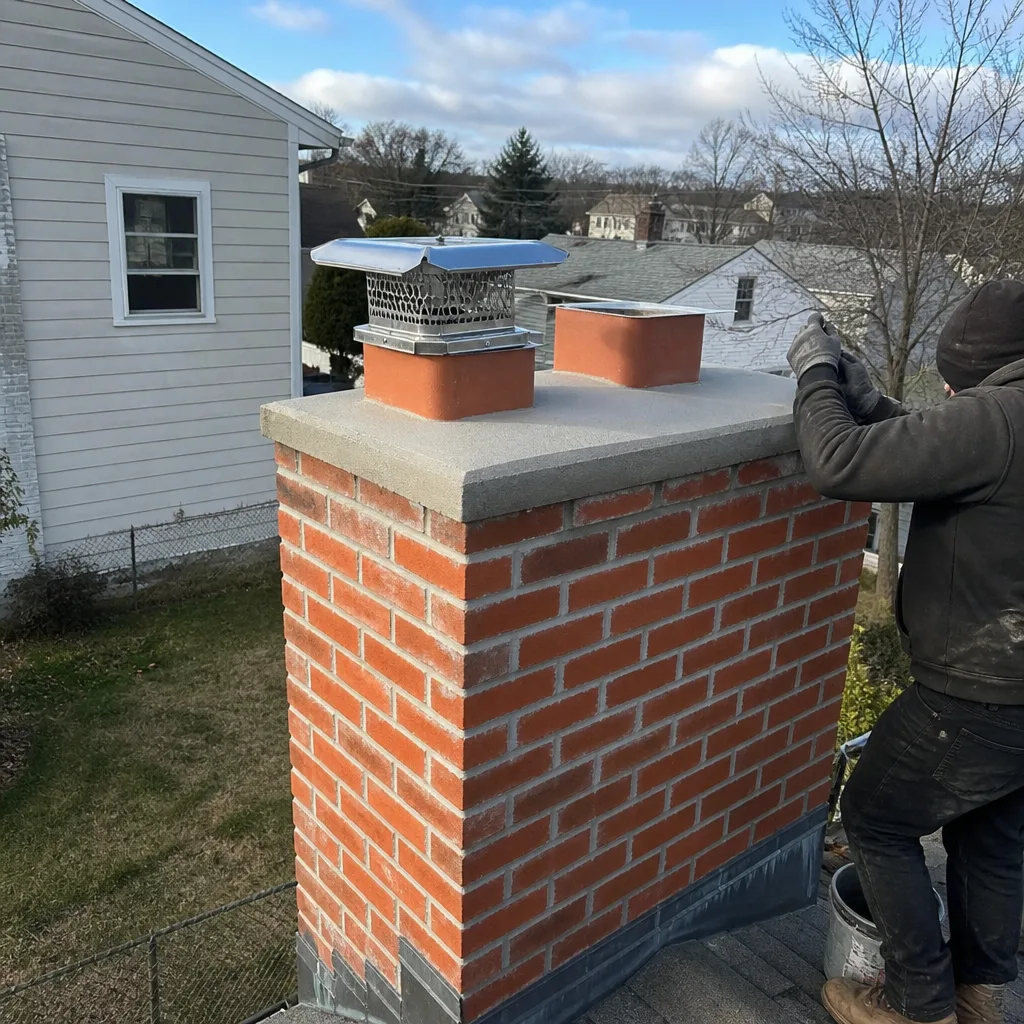 After
AfterSoot Removal in Brooklyn, NY
Soot removal in Brooklyn typically runs between $150 and $350, depending on how much buildup is in the flue and whether the firebox needs attention too. Most jobs take under two hours, and Wendell schedules same-week appointments for routine cleanings and next-day visits when something looks urgent.
Soot is what happens before creosote becomes a problem. It’s the soft, powdery, black residue that forms on the inner walls of your flue every time you burn – and in Brooklyn, where a lot of older row houses and brownstones have original clay-tile liners that haven’t been touched in years, it builds up faster than most homeowners expect. Left alone long enough, soot compresses and hardens into creosote, and creosote is what starts chimney fires. The good news is that soot at stage one is a straightforward brush job. Catch it early and you’re looking at Chimney Cleaning & Sweep services. Ignore it through another heating season and the conversation gets more expensive.
Top Hat Chimney has been doing this work since 1999 – not as a franchise, not as a call center that farms the job out to whoever’s available. Wendell Pike runs the crew, knows the neighborhoods, and picks up the phone himself more often than not. If you’re not sure whether what you’re seeing is soot, staining, or something deeper, call (516) 289-9316 and get a straight answer before you book anything. Our Chimney Cleaning & Sweep in Brooklyn service covers the full picture – soot removal is one piece of that, and we’ll tell you exactly which piece you need.
When You Need Soot Removal
Soot doesn’t always announce itself. Sometimes you smell it before you see it. Here are the clearest signs it’s time to call:
- Black dust or powder around the firebox opening. If you’re wiping soot off the hearth face or the mantel after a fire, the flue is overdue for a cleaning. In Brooklyn’s tighter living spaces – think Carroll Gardens parlor floors or Crown Heights apartments with decorative fireplaces – that soot migrates into the room quickly.
- A smoky smell that lingers between fires. A clean flue doesn’t smell like last Tuesday’s fire. Persistent smoke odor, especially in humid weather, usually means soot or light creosote sitting in the liner.
- Reduced draft or smoke backing into the room. Heavy soot deposits narrow the effective diameter of the flue, restricting airflow. If your fire is struggling or smoke rolls back into the living room, buildup is often the first thing to rule out.
- You’ve burned a full cord of wood this season and haven’t had a sweep. The general rule holds: once a year, burn or no burn. If you’ve had a real working season in your fireplace, soot removal is overdue regardless of whether anything looks wrong.
- Your last sweep was more than twelve months ago and you’re starting a new heating season. Brooklyn’s heating season runs from roughly October through April. Getting cleaned before the cold settles in – rather than after – is the right order of operations.
- You’re buying or selling a home in Brooklyn with an active fireplace. Soot and creosote buildup shows up on inspection reports and can complicate a sale. A documented cleaning gives buyers and inspectors something concrete to look at.
Our Soot Removal Process
There’s no mystery to how this works. Here’s what happens from the time we arrive at your door to the time we leave:
- Visual inspection before anything else. The sweep who shows up – Wendell or one of his trained crew members – starts with a look at the firebox, the damper, and the flue opening. In Brooklyn’s older stock, we frequently find deteriorated mortar joints, cracked clay tile, or dampers that haven’t seated properly in a decade. We flag anything that needs attention and give you an honest read before a single brush goes up the flue.
- Drop cloths and containment. Soot is fine and it travels. We cover the hearth, the surrounding floor, and any nearby furniture before we open anything up. Brooklyn apartments and brownstones don’t have a lot of extra space to clean soot out of a rug.
- Top-down or bottom-up brushing, depending on the setup. Most Brooklyn flues get brushed from the firebox up using commercial-grade chimney brushes sized to your liner. Roof access changes the approach – we assess what’s practical for your specific building before we commit to a method. The goal is removing all loose and lightly adhered soot from the liner walls without disturbing any heavier deposits that need separate treatment.
- Firebox vacuuming and debris removal. The soot that falls into the firebox during brushing gets vacuumed out with an industrial HEPA unit. What comes out goes with us – we don’t leave bags of ash and soot for you to deal with.
- Camera inspection of the liner. After cleaning, we run a camera through the flue. You see the footage, and you get a plain-English verdict on what the liner looks like. If there’s creosote buildup beyond what a brush can handle, or a crack that wasn’t obvious from below, you know about it before you light another fire – not after. We use Copperfield inspection equipment for this.
- Written summary before we leave. Every job gets a written record of what we found, what we did, and anything we recommend for next time. That documentation is yours to keep, and every job is backed by the 90-Day Done Right Promise: if something isn’t right, one call brings us back at no additional cost.
Soot Removal Pricing in Brooklyn
How Much Does Chimney Cleaning & Sweep Cost? (2026 Price Guide) - Brooklyn, NY: Soot removal runs $150-$350 for most residential jobs. Here’s how that range breaks down:
- Standard flue cleaning (soot only, single flue): $150 – $220
- Cleaning with firebox included: $180 – $275
- Heavy soot buildup or partial creosote transition: $250 – $350
- Camera inspection add-on (if not bundled): $75 – $125
- Multi-flue homes (common in Brooklyn brownstones): Priced per flue; discount applies when we’re doing two or more in the same visit
A few things affect where your job lands in that range. Flue height matters – a four-story Park Slope brownstone has more liner to clean than a one-story bungalow in Canarsie. The degree of buildup matters too. First-degree soot, the dry, powdery kind, cleans quickly. If it’s progressed to something stickier or glazed, that takes longer and sometimes requires a second visit. Roof access on taller Brooklyn buildings can add time as well.
You’ll know the number before we touch anything. That’s not a policy we occasionally remember – it’s how every job works, every time. No surprises on the invoice that weren’t on the estimate.
Seniors and veterans always get 10% off. Any repair over $200 gets $40 off. And if you’ve gotten a written estimate from someone else and it didn’t feel right, bring it to us – the second opinion is free.
Call (516) 289-9316 for an exact quote. Estimates cost nothing and the number you hear on the phone is the number on the invoice.
What Makes Soot a Brooklyn-Specific Problem
Brooklyn’s housing stock is unusually old. A significant share of the borough’s chimneys were built before 1940, and many of those original clay-tile liners are still in service – cracked, offset at the joints, or narrowed by decades of buildup. The borough’s density also means fireplaces that may not have been used in years are suddenly in demand again as new owners renovate older buildings in neighborhoods like Bed-Stuy, Flatbush, and Sunset Park. A fireplace that sat dormant for a decade doesn’t announce how much soot is in the flue. It just smells like something is wrong the first time you light it.
Brooklyn’s winters are real but not brutal, which means a lot of homeowners burn wood fires more for ambiance than necessity. The problem with occasional, low-temperature fires is that they produce more soot than hotter, more sustained burns. A couple of slow fires on January evenings in a Prospect Heights townhouse can leave a surprising amount of residue compared to what a full-time wood-burning household might produce. We see this regularly in neighborhoods where the fireplace is decorative in spirit but functional in practice.
There’s also the matter of air quality. Brooklyn is a dense urban environment. Particulate matter from traffic, construction, and surrounding buildings means air quality in the flue – and around it – is already under pressure. A partially blocked flue or one that’s drawing poorly because of soot doesn’t just affect fire performance. It can affect the air quality in the room itself. We take that seriously, and we’ll tell you directly if what we’re seeing warrants immediate attention.
Soot vs. Creosote: Understanding the Difference
People use these words interchangeably, but they’re not the same thing, and the difference matters for what happens next.
Soot is the soft, dry, powdery carbon residue that forms when wood combustion is incomplete. It’s dark gray or black, it brushes off easily, and it’s the thing a standard chimney sweep cleans. Catch it at this stage and the job is straightforward.
Creosote is what happens when soot isn’t removed and the volatile compounds in wood smoke condense on the liner walls at lower temperatures. It goes through stages. First-degree creosote is still mostly dry and brushable. Second-degree is flakier, darker, and takes more effort. Third-degree is a hard, shiny glaze – it doesn’t brush off, it’s highly flammable, and removing it typically requires chemical treatment or specialized equipment.
The practical point is this: soot removal done on schedule keeps you in first-degree territory. Skip a season or two and you may find yourself in a different conversation. We’ll tell you exactly where you stand when we run the camera. If it’s a brush job, we do it. If it’s something heavier, we tell you what that means and what it costs before anything happens.
A note on safety here – if the camera shows heavy third-degree creosote or structural damage to the liner, don’t use the fireplace until it’s addressed. A cracked liner or glazed creosote deposit is a genuine fire hazard, and no amount of goodwill toward a cozy evening outweighs that. Wendell will tell you the same thing.
FAQs – Soot Removal
How much does soot removal cost in Brooklyn?
Soot removal in Brooklyn runs $150 to $350 for most homes, depending on flue height, the amount of buildup, and whether the firebox is included. Multi-flue brownstones are priced per flue with a discount when we’re doing more than one at the same visit. Seniors and veterans always get 10% off, and any repair over $200 qualifies for $40 off. Call (516) 289-9316 for a free, no-obligation estimate – the number you hear is the number on the invoice.
How often does a Brooklyn chimney need soot removed?
An Annual Sweep is the standard, and we mean that whether you burn regularly or not. Chimneys that sit unused still accumulate moisture, debris, and sometimes animal activity. If you’ve had an active burn season – even occasional weekend fires – a cleaning before the next season starts is the right move. Older Brooklyn flues in buildings with original clay-tile liners can accumulate soot faster than newer construction, so don’t stretch it past twelve months if you’re burning at all.
Can I remove soot from my chimney myself?
The firebox face and hearth surround, sure – a damp cloth and a mild cleanser handle cosmetic soot staining on brick or stone. The inside of the flue is a different matter. Brushing a liner without the right equipment and a way to contain the debris turns a manageable cleaning into a soot cloud in your living room. More important, you won’t know what the liner looks like after brushing without a camera – and that’s exactly where cracks, offset joints, and early creosote problems get missed. A professional cleaning with a camera inspection takes less than two hours and costs less than the rug cleaning if something goes wrong doing it yourself.
Is soot removal the same as a chimney sweep?
Soot removal is the core task of a chimney sweep, but a full sweep covers a few more things. Beyond clearing soot from the liner, a complete sweep includes inspecting the firebox, damper, and crown, checking for blockages or animal nesting, and running a camera to see the liner condition. When you schedule a Chimney Cleaning & Sweep in Brooklyn with us, soot removal is included – as is the camera footage and written summary. If all you need is a targeted soot cleaning after a recent full inspection, we can scope the job accordingly. Call and tell us what you know, and we’ll tell you what makes sense.
Key Takeaways
- Soot removal in Brooklyn runs $150 to $350 for most single-flue residential jobs.
- Once-a-year cleaning is the right interval whether you burn regularly or not.
- Brooklyn’s older housing stock – especially pre-1940 clay-tile flues in neighborhoods like Bed-Stuy, Carroll Gardens, and Sunset Park – accumulates soot faster and warrants consistent attention.
- Soot caught early is a brush job. Let it progress to second- or third-degree creosote and the job gets more involved and more expensive.
- Every Top Hat Chimney job includes a camera inspection, a written summary, and the 90-Day Done Right Promise.
- Wendell Pike has been doing this work in these neighborhoods since 1999. The person who answers the phone and the person who shows up at your door are connected – that’s not something a national franchise can say.
Schedule Your Brooklyn Soot Removal
If you’ve got a fireplace in Brooklyn that hasn’t been cleaned this year – or you’re not sure what’s in the flue – search Chimney Cleaning & Sweep Near Me in Brooklyn, NY or call (516) 289-9316. A live person picks up, around the clock, and it may well be Wendell. We’ll give you an honest read on what your chimney needs, a firm price before any work starts, and a written record of everything we find. The 90-Day Done Right Promise covers every job: if it’s not right, one call brings us back. No runaround, no additional charge.
Top Hat Chimney serves Brooklyn and surrounding communities. Founded in 1999. Owner-operated. Wendell’s name is on the truck and on the work.
Written by Wendell Pike, Owner at Top Hat Chimney, serving Brooklyn since 1999.