
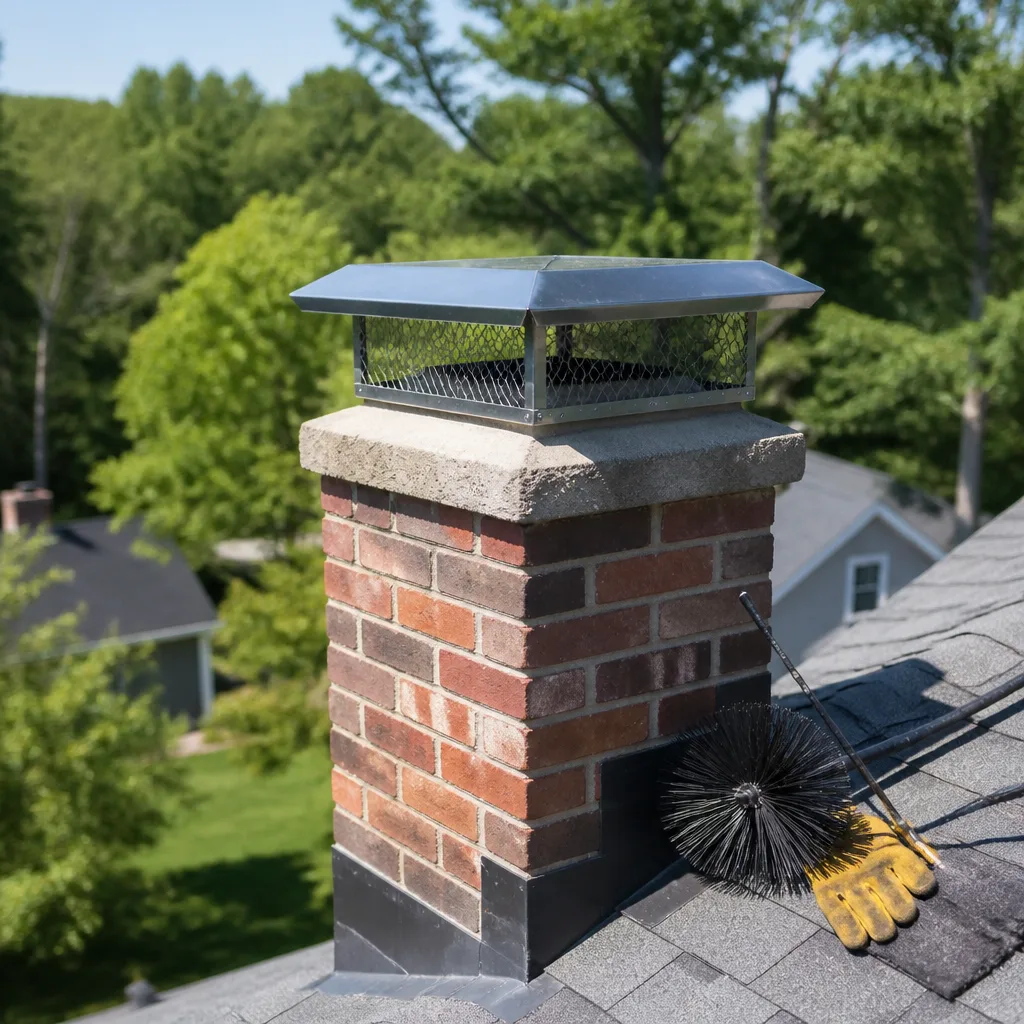
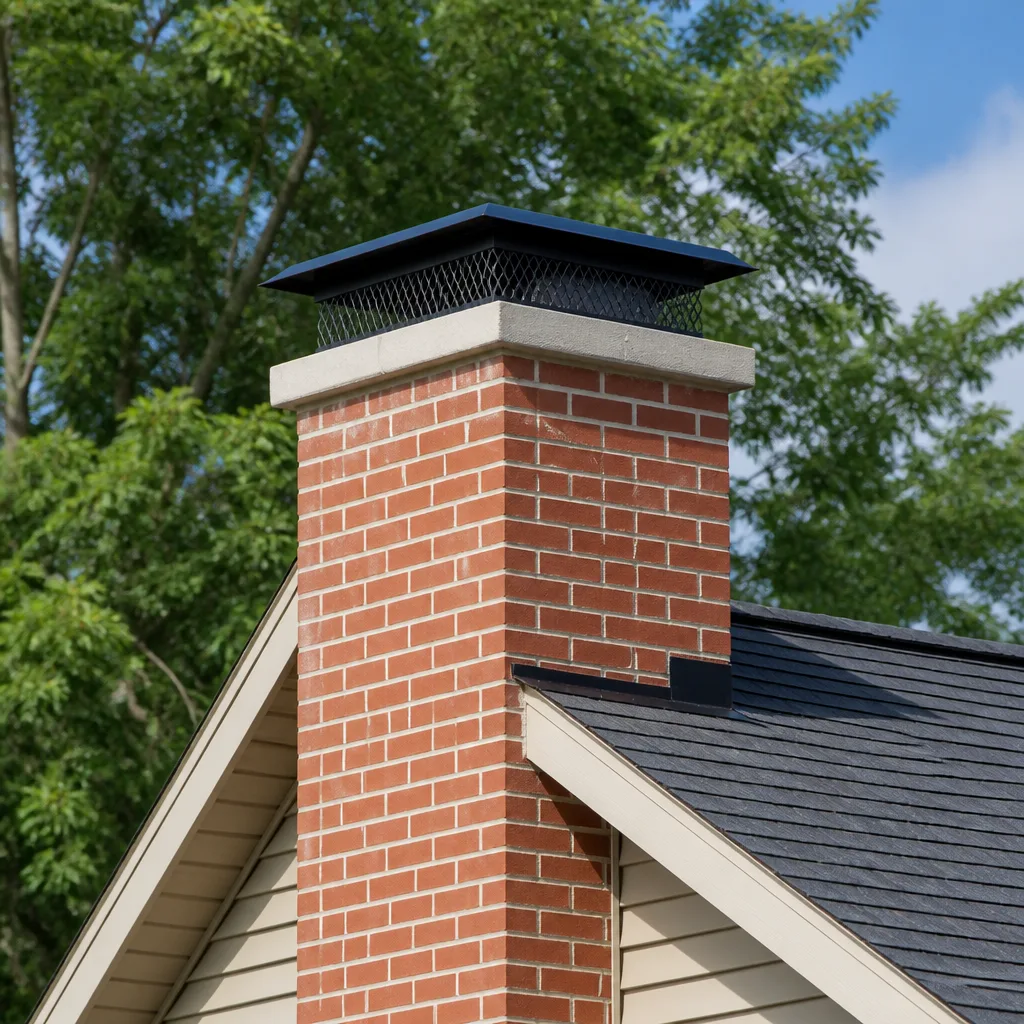
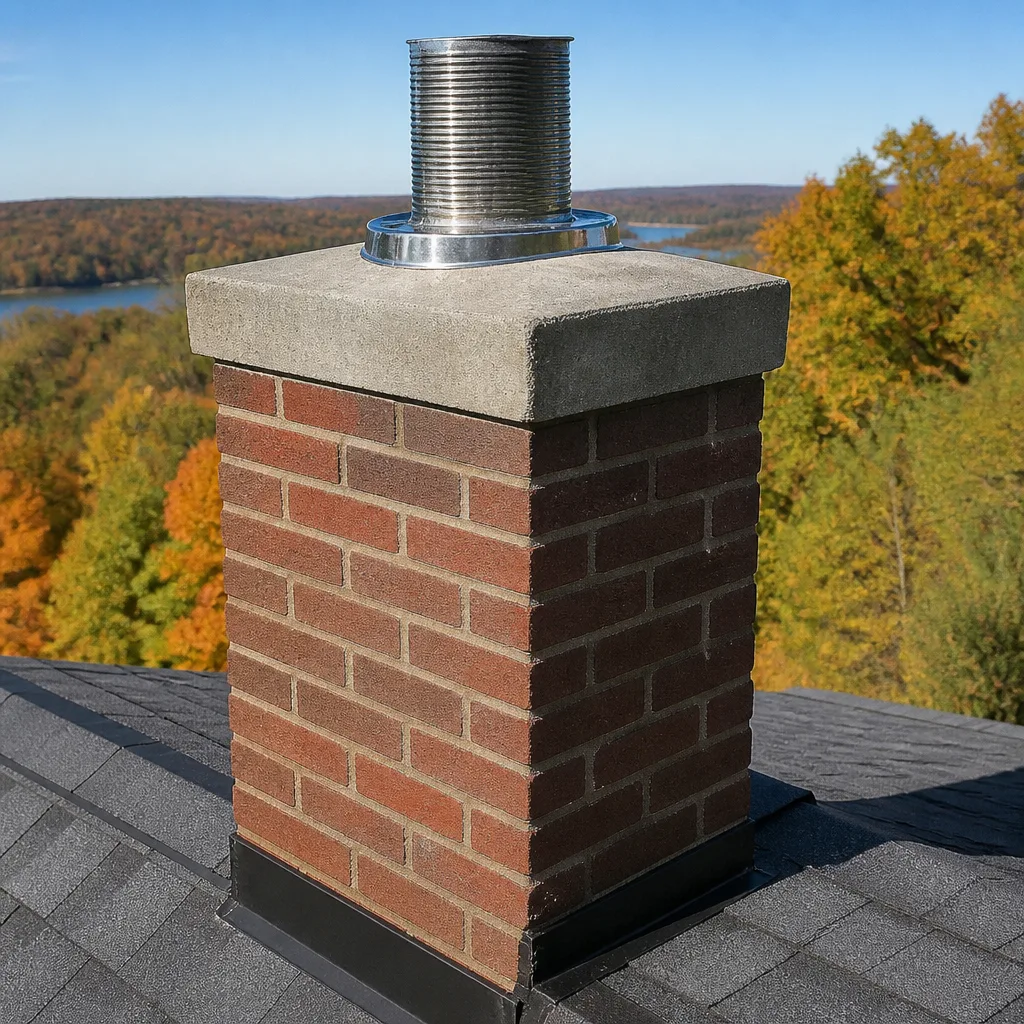
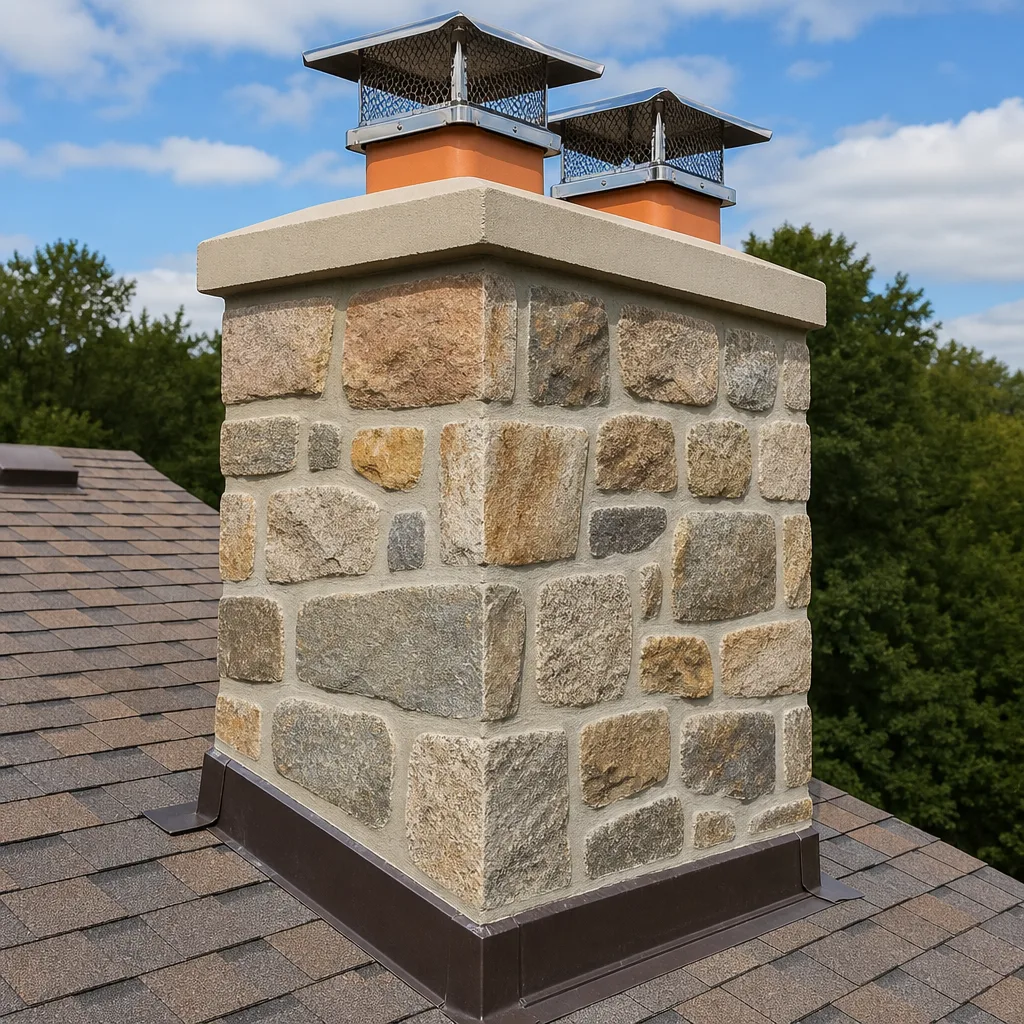
Level 1 sweep and inspection to the NFPA 211 annual standard - flue, crown, cap, and flashing checked and photographed
Chimney sweep logs do not sweep chimneys. They loosen some creosote - which then falls where a brush and vacuum still have to collect it.
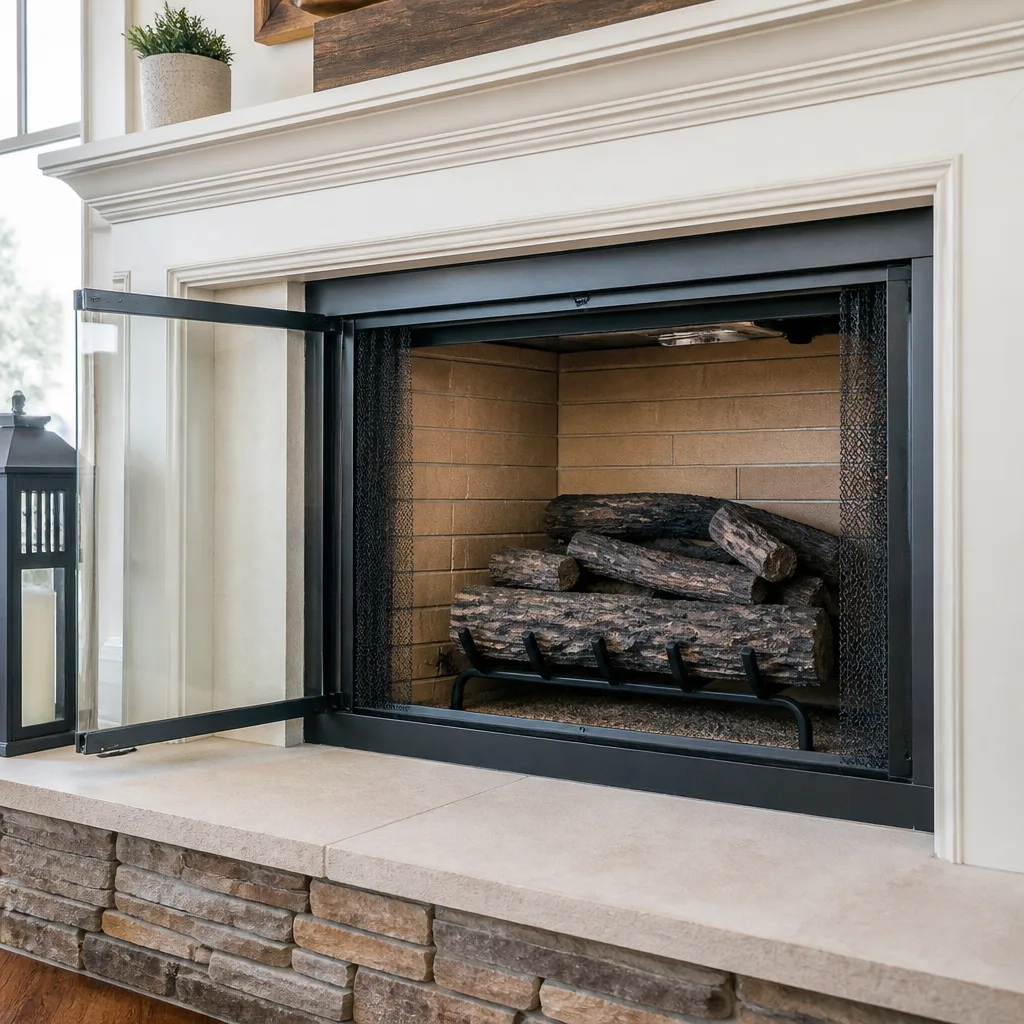
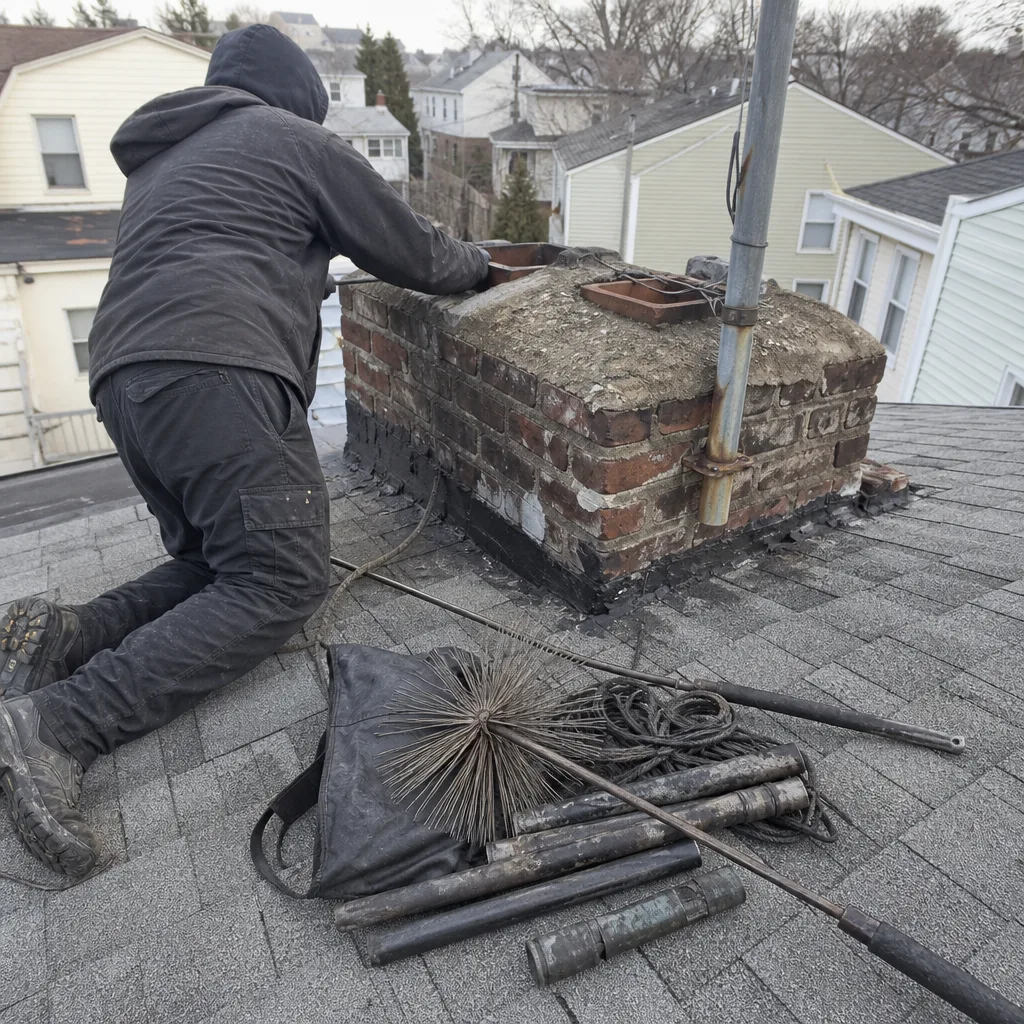 Before
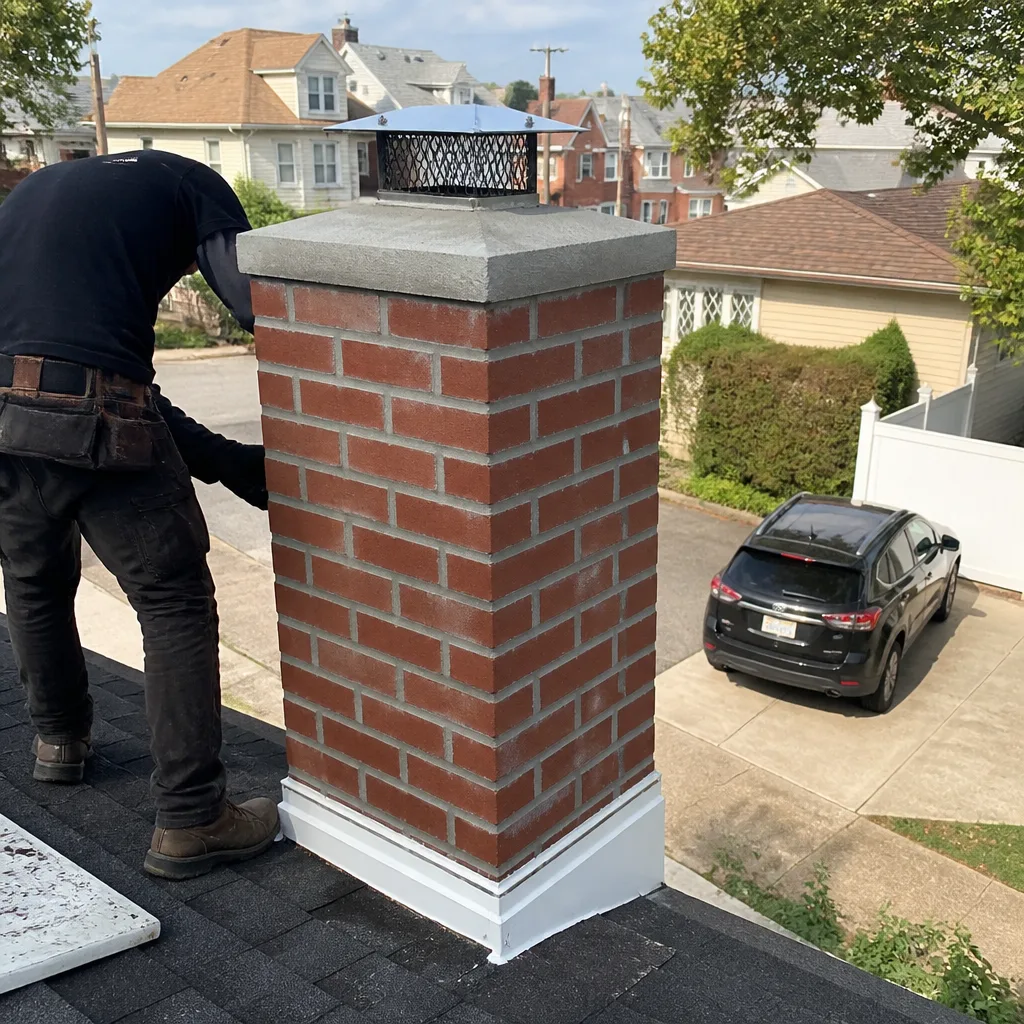 After
After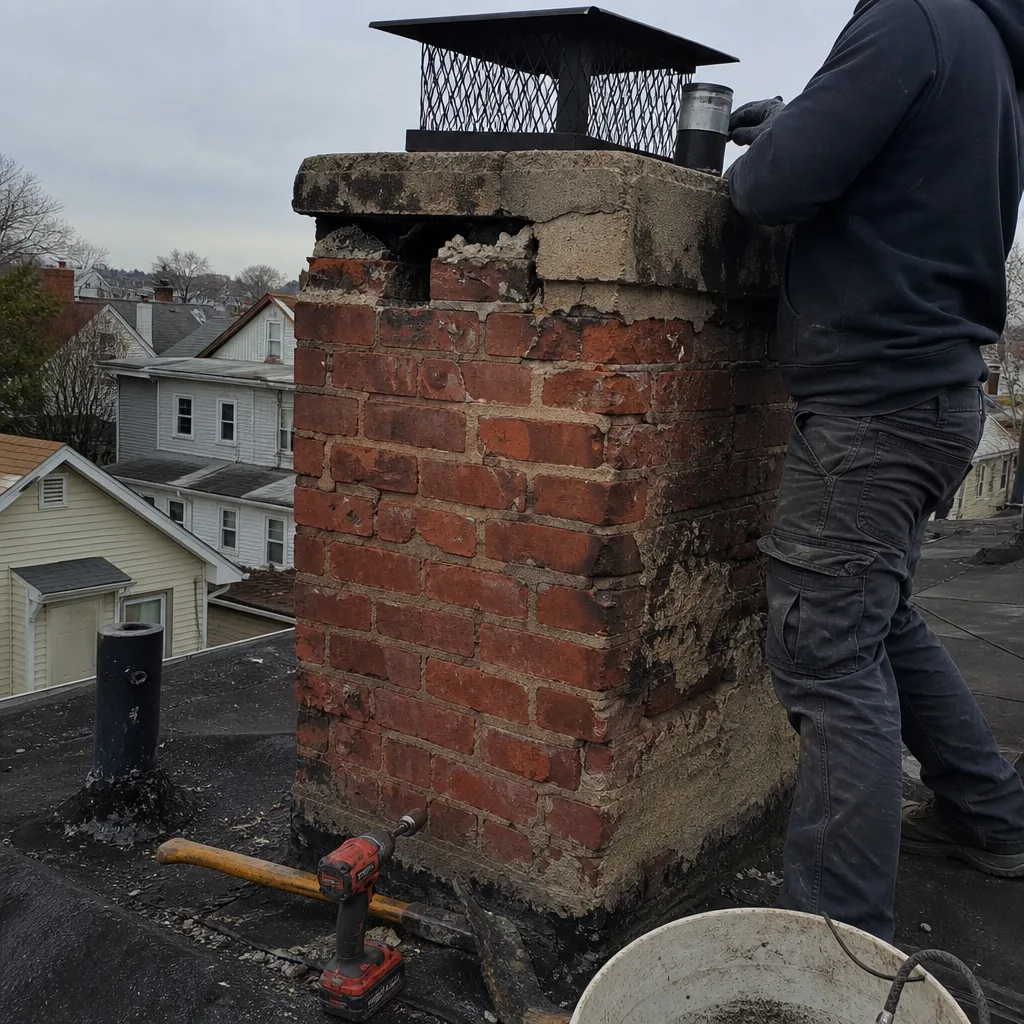 Before
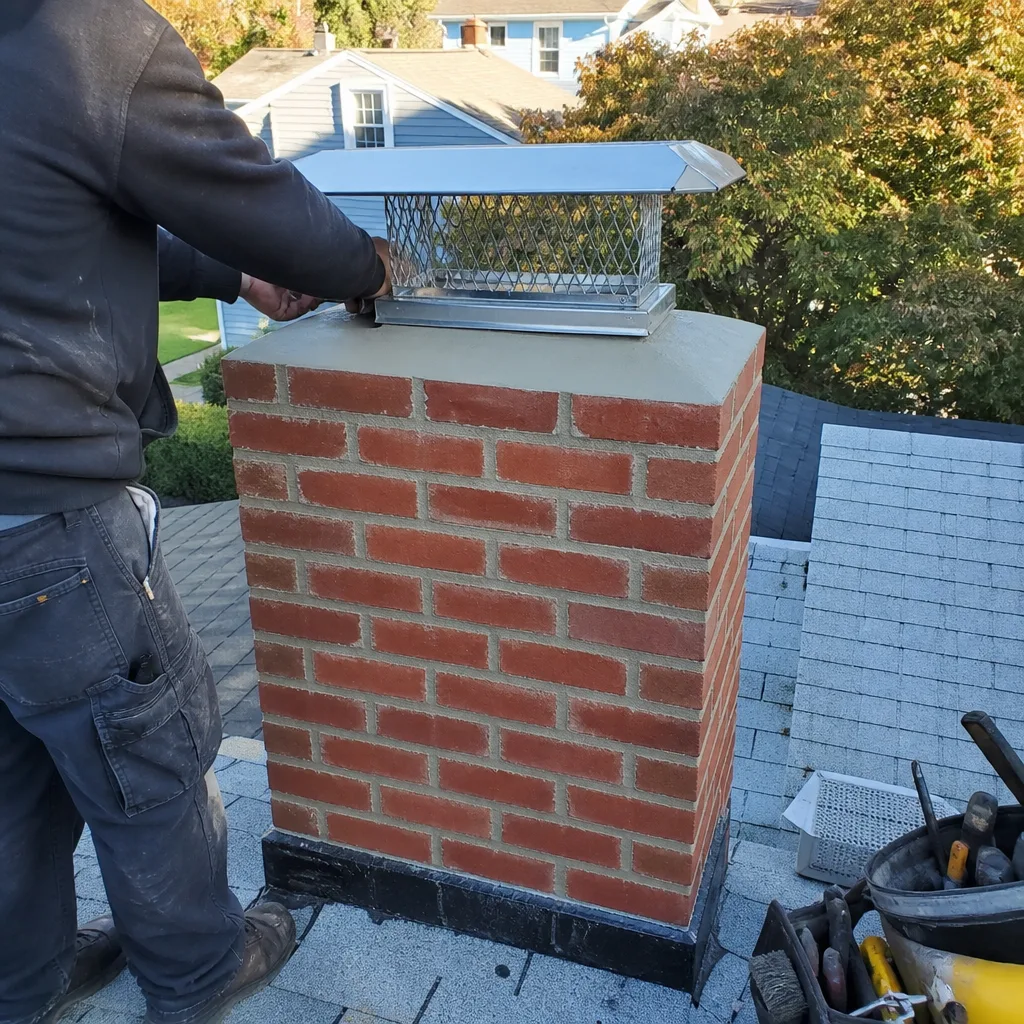 After
After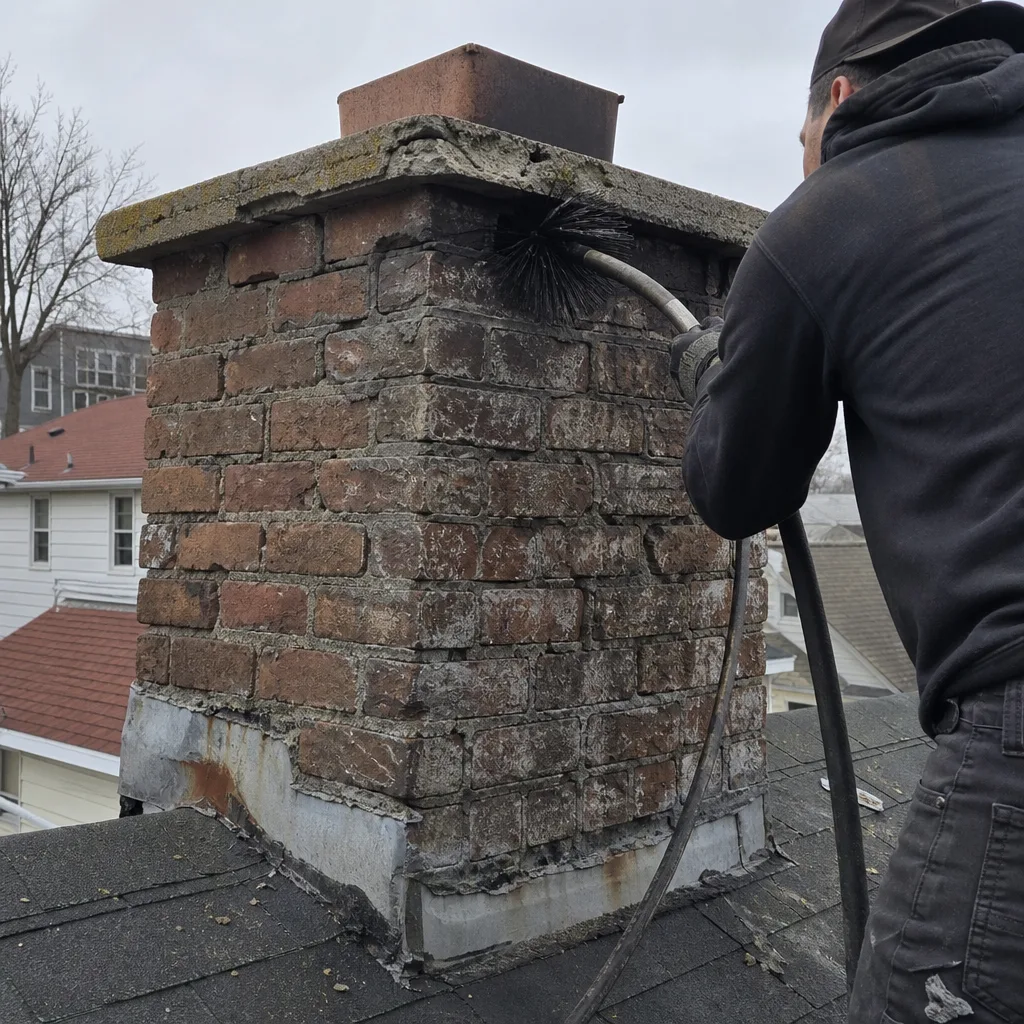 Before
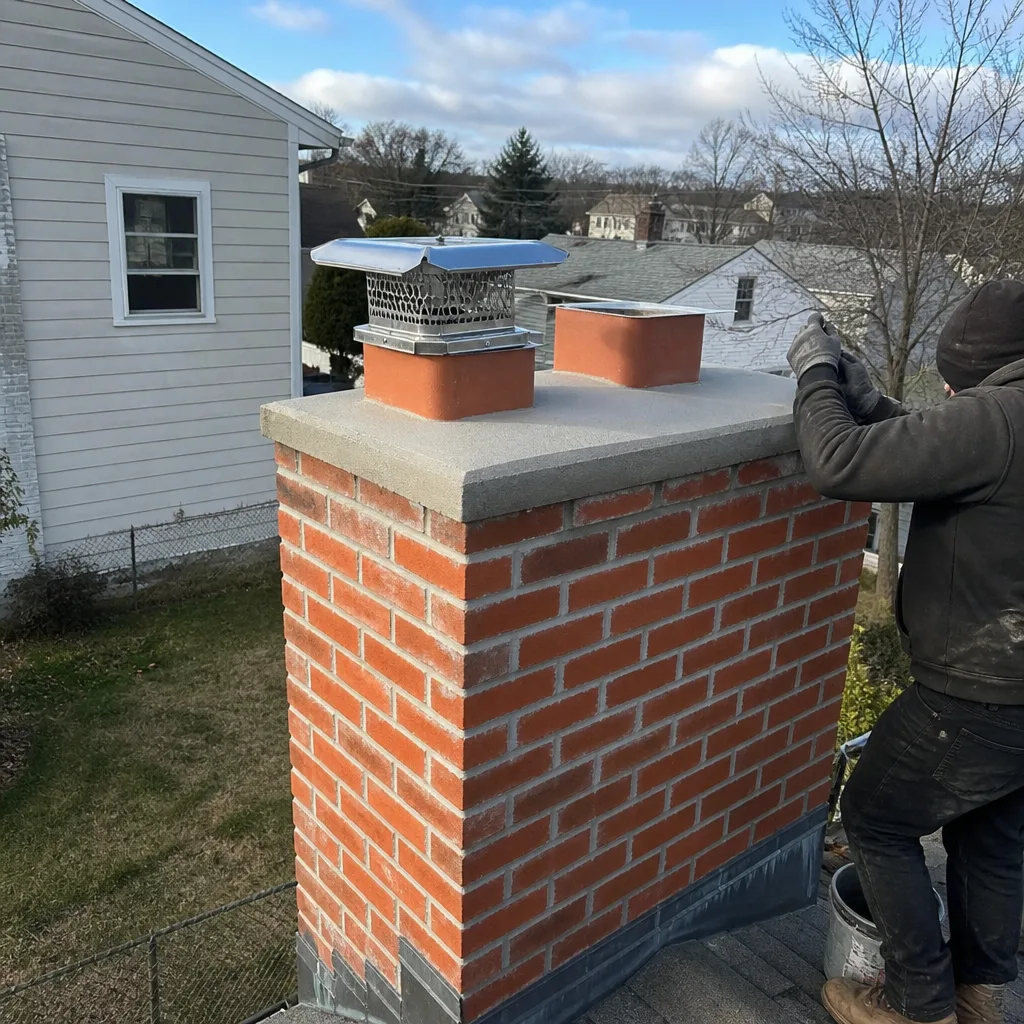 After
AfterDuraFlex Flue Liner Replacement: The Brooklyn Owner’s Guide
We stock and install DuraFlex flue liner replacement parts across Brooklyn, with most full liner replacements running between $1,800 and $3,400 installed depending on the liner length, diameter, and roof access. When you call us about a failed DuraFlex liner, we’ll show up with the right parts on the truck and give you a firm price before we start pulling anything apart. The usual discovery path is not dramatic: you notice a little rust flaking into the firebox, or the sweep you hired last year flagged pitting on the liner wall, or you smell a faint musty odor that gets worse on humid days. That’s the liner telling you it has lost its seal and the exhaust is no longer making a clean exit.
Rarely does a DuraFlex liner fail all at once. It fails slowly, from the inside out, and by the time you see trouble it has usually been brewing for a couple of seasons. We have pulled liners out of Brooklyn brownstones that looked fine from the top but were paper-thin in the middle where years of condensation had eaten through the stainless. If you’re reading this because you already know your liner is done, call (516) 289-9316 and we’ll get you on the schedule. If you’re still figuring out whether the part is actually bad, keep reading.
Which DuraFlex Models This Applies To
The DuraFlex line has been made in a few iterations over the years, and the right replacement depends on which one you have. The current DuraFlex Pro and DuraFlex 316L series both use a corrugated 316L stainless liner, but the older DuraFlex 304 alloy liners from the early 2000s are a different animal entirely. The older 304 liners are the ones we most often replace in Brooklyn, especially in prewar buildings where the liner was installed twenty years ago and has been fighting acidic condensation ever since.
Here’s the compatibility gotcha most homeowners don’t know: DuraFlex liner diameters are not interchangeable across the board. A 6-inch DuraFlex Pro liner will not always drop cleanly into a flue that previously held a 6-inch DuraFlex 304 liner, because the corrugation profile changed between the two product generations. The inner diameter stays the same, but the outer dimension and the way the liner seats at the top plate can differ. We measure the existing flue opening and the old liner’s outer diameter before we order or pull anything. Guessing here means a liner that either won’t seat or won’t seal.
On the OEM-versus-aftermarket question: we use genuine DuraFlex components because the top plates, rain caps, and connectors are engineered to fit the liner’s exact corrugation pattern. Aftermarket universal connectors exist, and we have installed them in a pinch, but they rely on a friction fit that loosens over time. For a flue liner, that’s a safety problem waiting to happen. We also stock HeatShield and Gelco systems for cases where the flue tile itself is sound and a resurfacing treatment is the smarter call than a full liner replacement.
One more identifier worth checking: DuraFlex liners carry a stamped tag on the top connector, usually under the rain cap. If you can read the model number off that tag before you call us, it saves a roof trip. If you can’t, don’t climb up there. We’ll grab it when we arrive.
Signs Your DuraFlex Flue Liner Replacement Is Failing
- Rust flakes or staining in the firebox. Condensation inside the liner reacts with creosote and produces an acidic slurry that eats stainless from the inside. When you see reddish-brown flakes below the damper, the liner wall is already compromised.
- A persistent musty or campfire smell in the room, even when there’s no fire. A sound liner keeps combustion gases moving up and out. When the liner has a breach, downdrafts push that odor back into the living space on humid or windy days.
- Flue tile chunks or sandy grit at the bottom of the chimney. This is more common in older Brooklyn row houses where a liner was installed over failing flue tiles. If the surrounding masonry is spalling, it puts uneven pressure on the liner and accelerates fatigue.
- Visible pitting or cracks on the liner from the roof opening. Without a camera inspection you’ll only see the top few feet, but pitting at the crown usually means the same corrosion is worse inside. Never lean over a chimney opening to look down if you can’t see the liner clearly.
- Water in the firebox after heavy rain. A worn liner combined with a failed top plate or rain cap lets water run straight down the inside wall. Water and creosote together are the fastest way to finish off a liner.
Replacement Cost & What’s Included
A DuraFlex flue liner replacement in Brooklyn runs from about $1,800 on the low end to $3,400 on the higher end. The spread comes down to three things: how much liner length you actually need, whether the old liner slides out cleanly or fights us on the way out, and what kind of roof access we’re dealing with. A four-story brownstone with a pitched roof and a steep ladder pitch is not the same job as a two-story row house with a flat roof and a hatch.
Our price includes pulling the old liner, inspecting the flue passage with a camera before the new one goes in, dropping the new DuraFlex liner, connecting it to the appliance, sealing the top plate, and doing a final draft test. You get the camera footage after we’re done, so you can see what we saw before we closed anything up. The work carries our 90-Day Done Right Promise: if it’s not right, one call brings Wendell and his crew back at no charge.
We also honor a few standing offers that apply to this job: $40 off any repair over $200, and 10% off always for seniors and veterans. If you already have a written estimate from another Brooklyn chimney company, bring it to us and we’ll give you a free second opinion.
DIY or Call Us?
There’s a small list of things you can safely check yourself. You can look at the firebox for rust flakes. You can stand in the yard or on the sidewalk and look for visible cracking or separation at the chimney crown. You can note whether the musty smell gets worse before rain. What you should not do is pull the old liner yourself. A failed liner can be under tension from rusted connectors, sections can be sharp enough to open your hand, and if the liner is attached to a gas appliance you’re now working next to a live gas line.
We have also seen more than one DIY Brooklyn job where the homeowner dropped a new liner in without removing all of the old one, and the resulting blockage pushed carbon monoxide back into the house. That’s the part that doesn’t show up in the YouTube comments. If it doesn’t need doing, we’ll tell you that too. But when a DuraFlex liner has failed, the safe move is a trained crew with a camera and the right parts. Call (516) 289-9316 and Wendell will give you a straight answer.
FAQs
A properly installed DuraFlex 316L liner in a Brooklyn chimney typically lasts 15 to 20 years with regular cleaning, though gas appliances run cooler and create more condensation, which can shorten that to 12 to 15 if the liner isn’t sized right. Annual cleanings and making sure the crown and top plate stay sealed have the biggest impact on longevity. If you’re past year 15 and your sweep is flagging buildup that’s hard to remove, it may be time. Call (516) 289-9316 for an honest read on what’s left in your liner.
Small pinholes near the top connector can sometimes be patched with a DuraFlex-compatible connector or a short section splice, but once corrosion has spread to the middle or lower third of the liner, a replacement is the only responsible fix. A patch on a badly corroded liner is a temporary bandage over a part that’s already failing elsewhere. We’ll show you the camera footage before making that call.
Most single-family Brooklyn liner replacements take between four and seven hours from setup to final draft test, assuming the old liner comes out without a fight. Awkward roof access or a deteriorated flue passage can add a second trip. We’ll give you a time window when you book and call if it shifts.
We keep the most common DuraFlex diameters and connectors on the truck, and we restock weekly from our suppliers. If your liner requires a nonstandard diameter or a special top plate, we can usually have it within a few days. For the most common 6-inch and 7-inch replacements in Brooklyn chimneys, we’re ready the day we show up. Call (516) 289-9316 and we’ll confirm what’s needed before we arrive.
Written by Wendell Pike, Owner, Top Hat Chimney at Top Hat Chimney, serving Brooklyn and nearby areas.