
Level 1 sweep and inspection to the NFPA 211 annual standard - flue, crown, cap, and flashing checked and photographed
Chimney sweep logs do not sweep chimneys. They loosen some creosote - which then falls where a brush and vacuum still have to collect it.
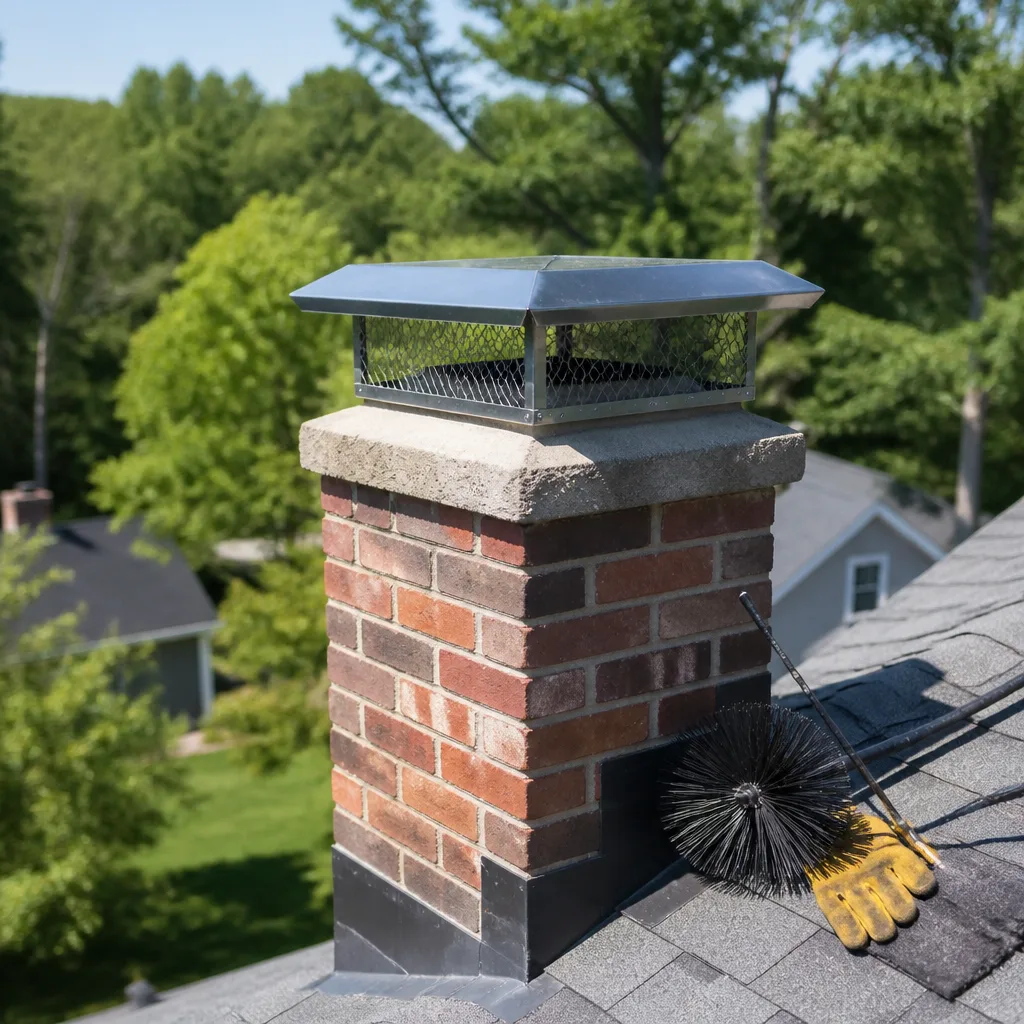
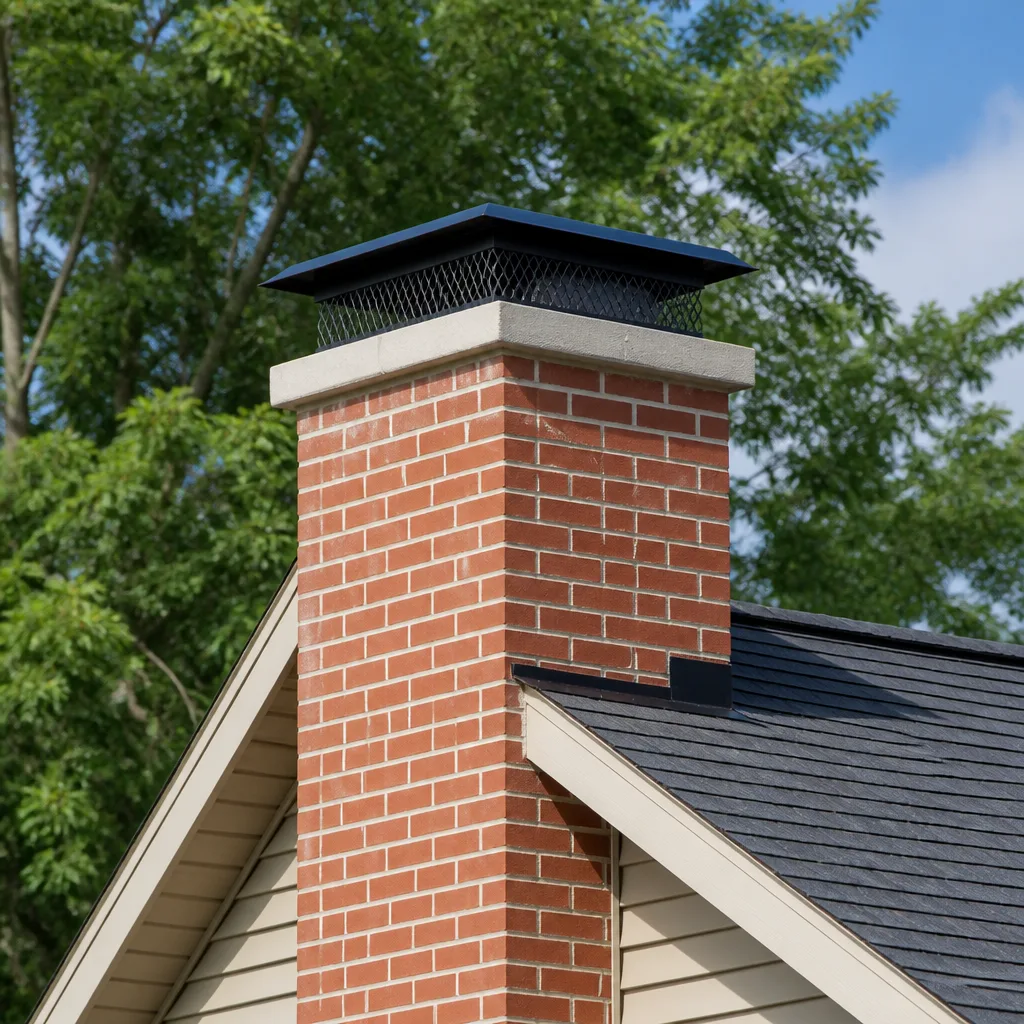
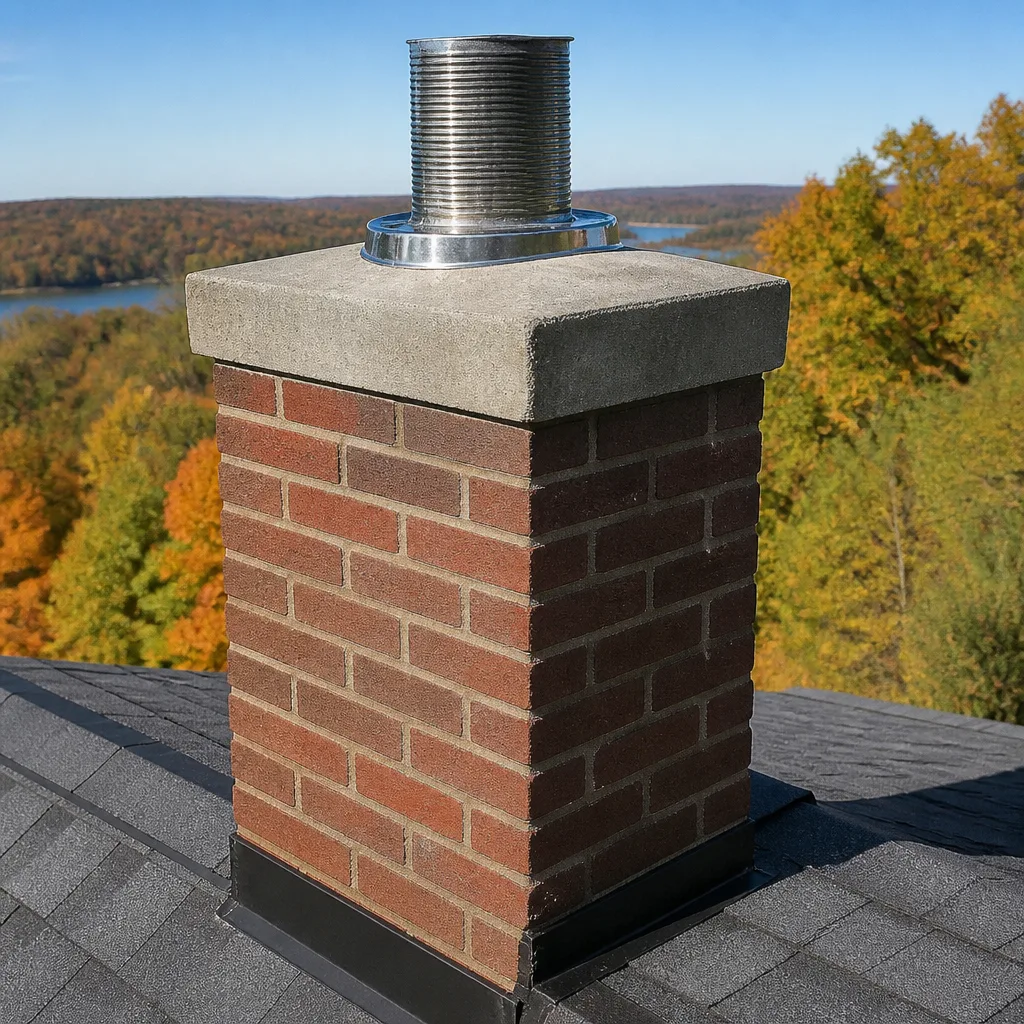
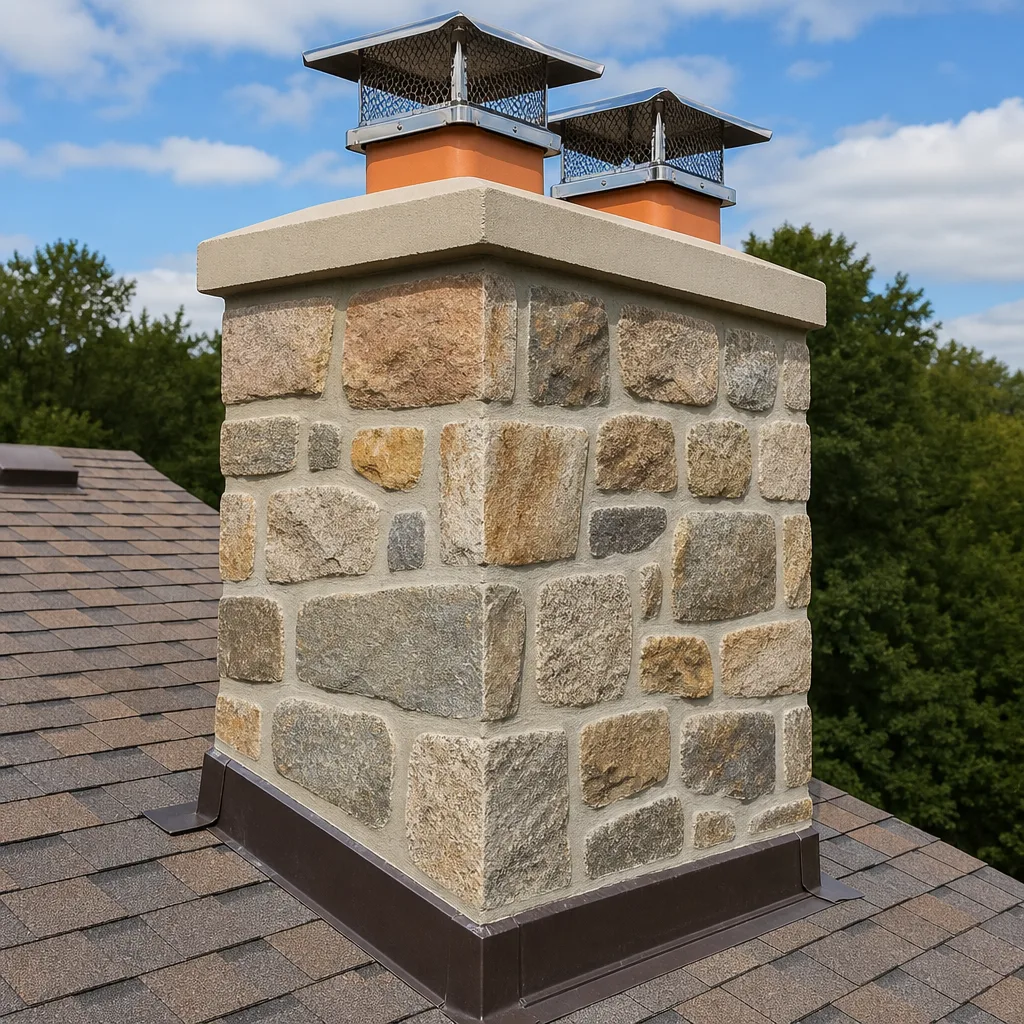
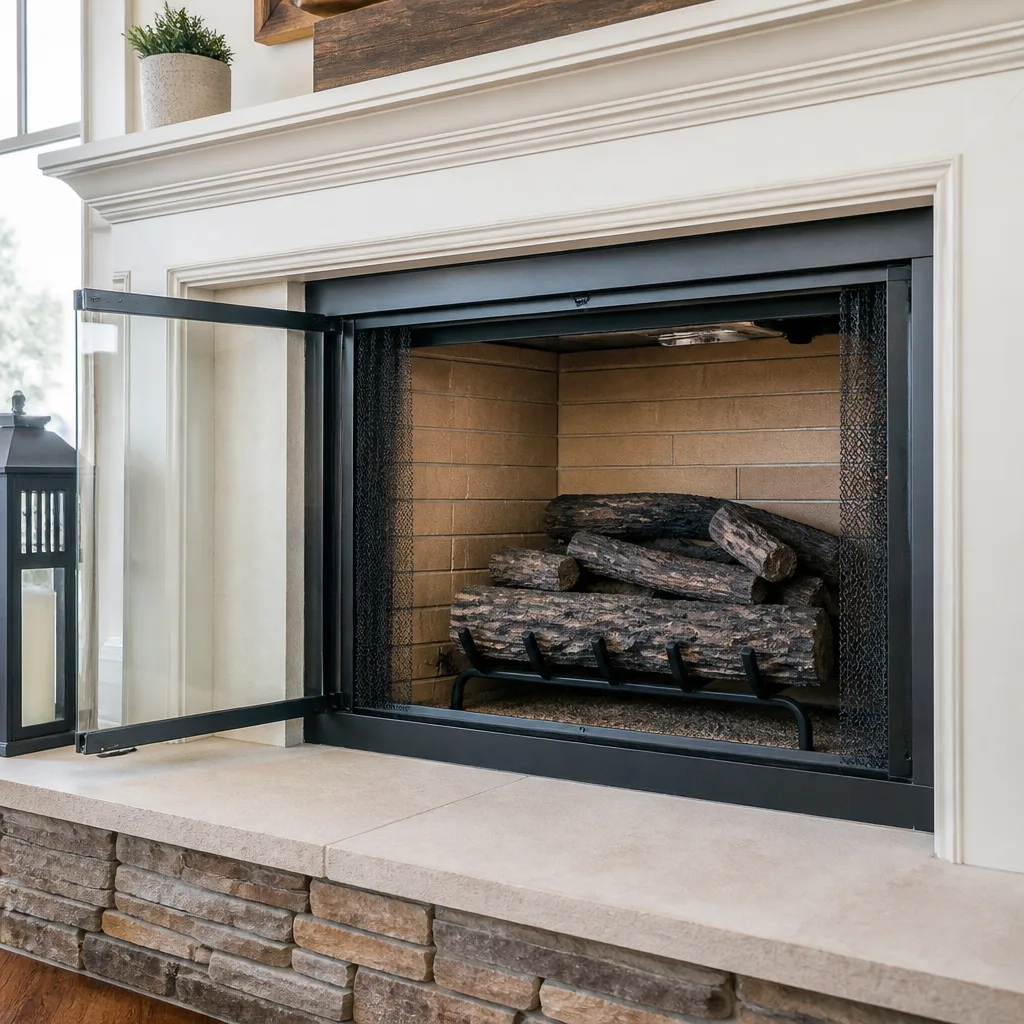
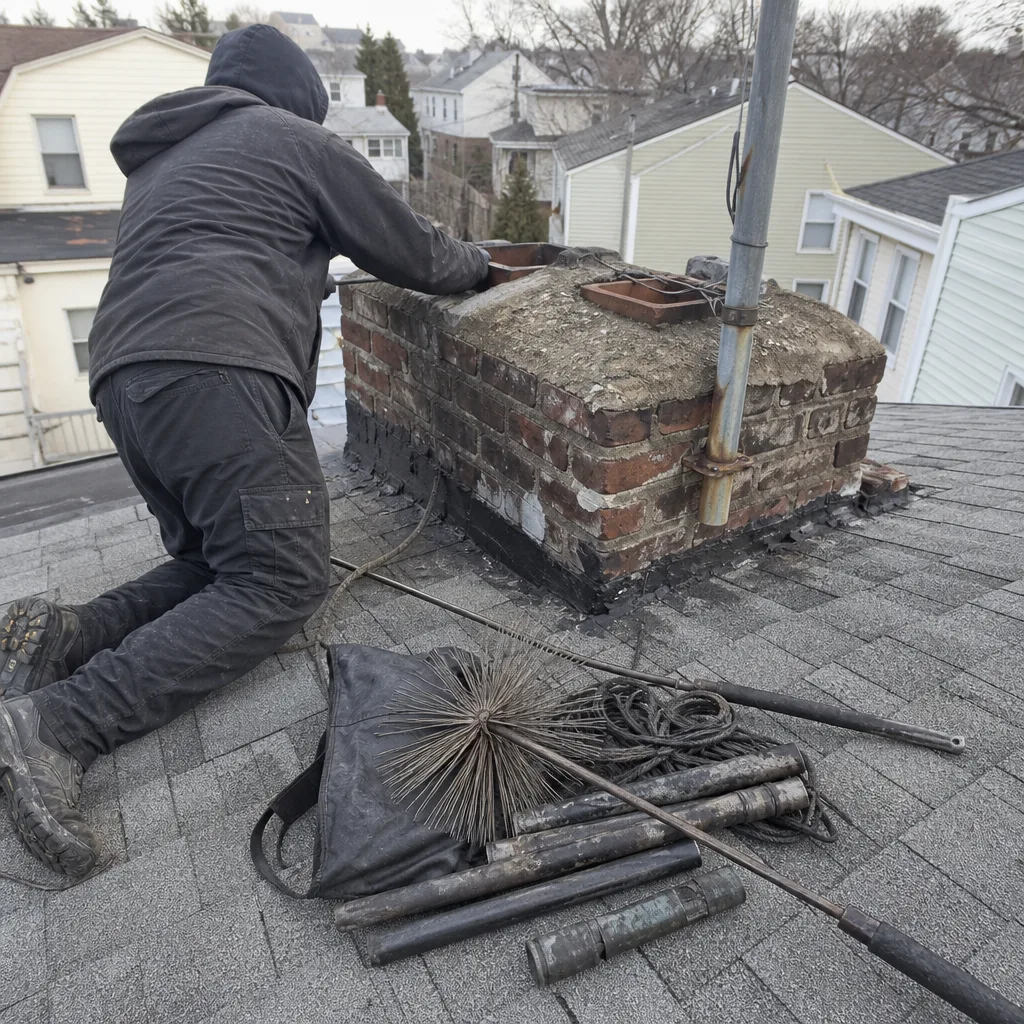 Before
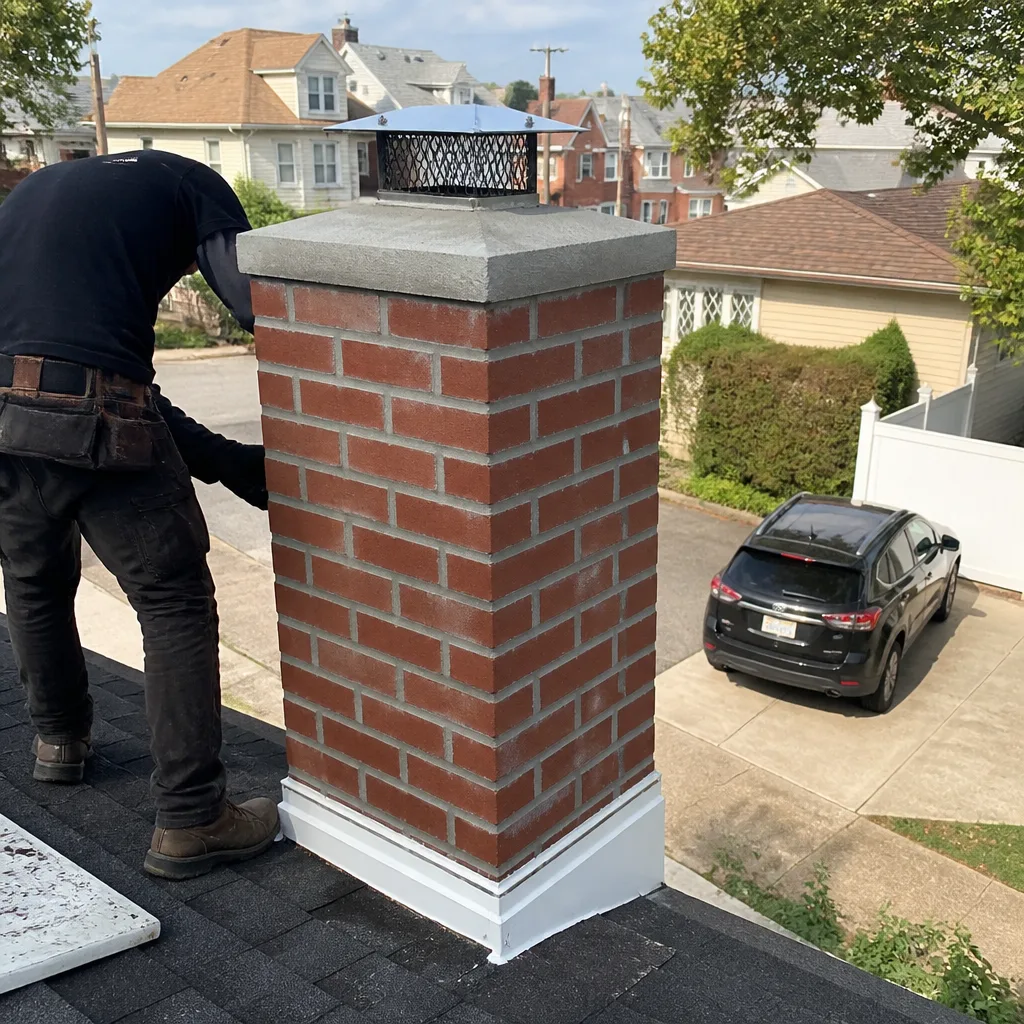 After
After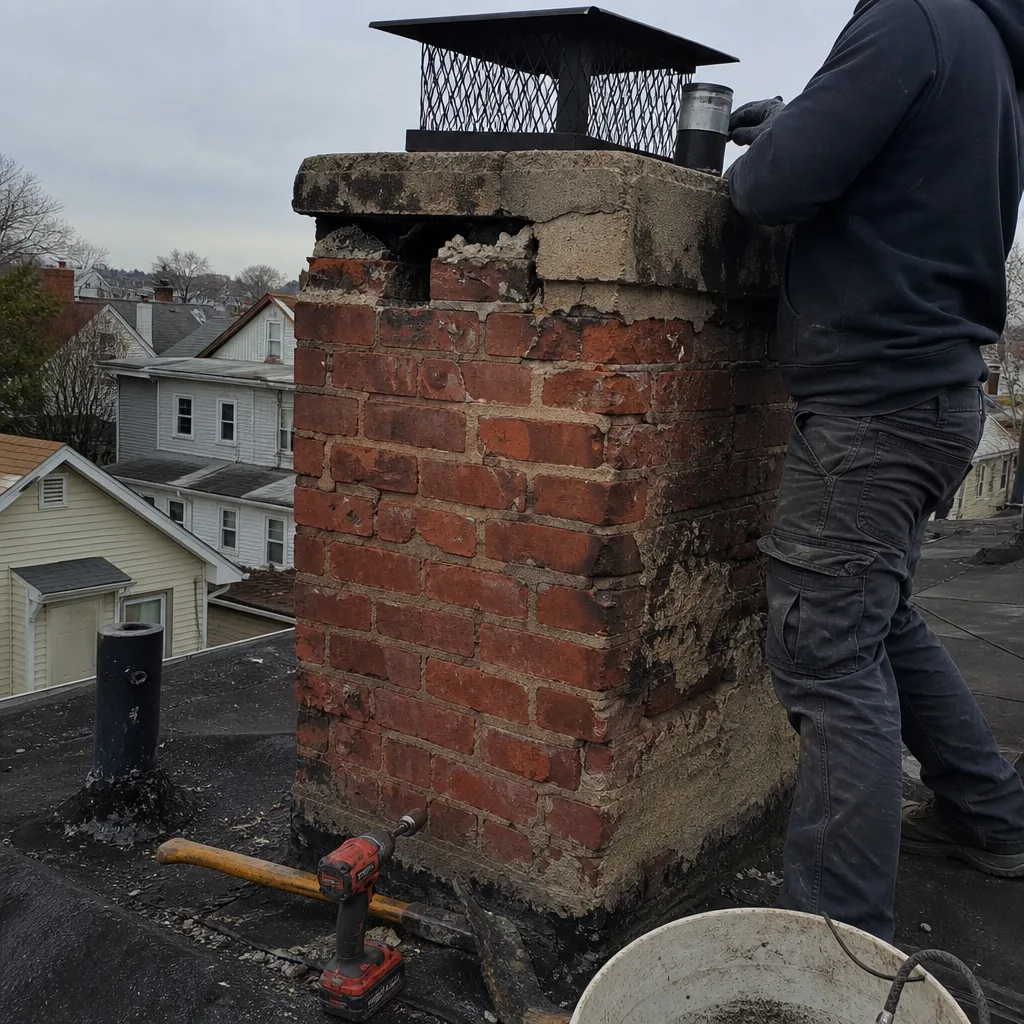 Before
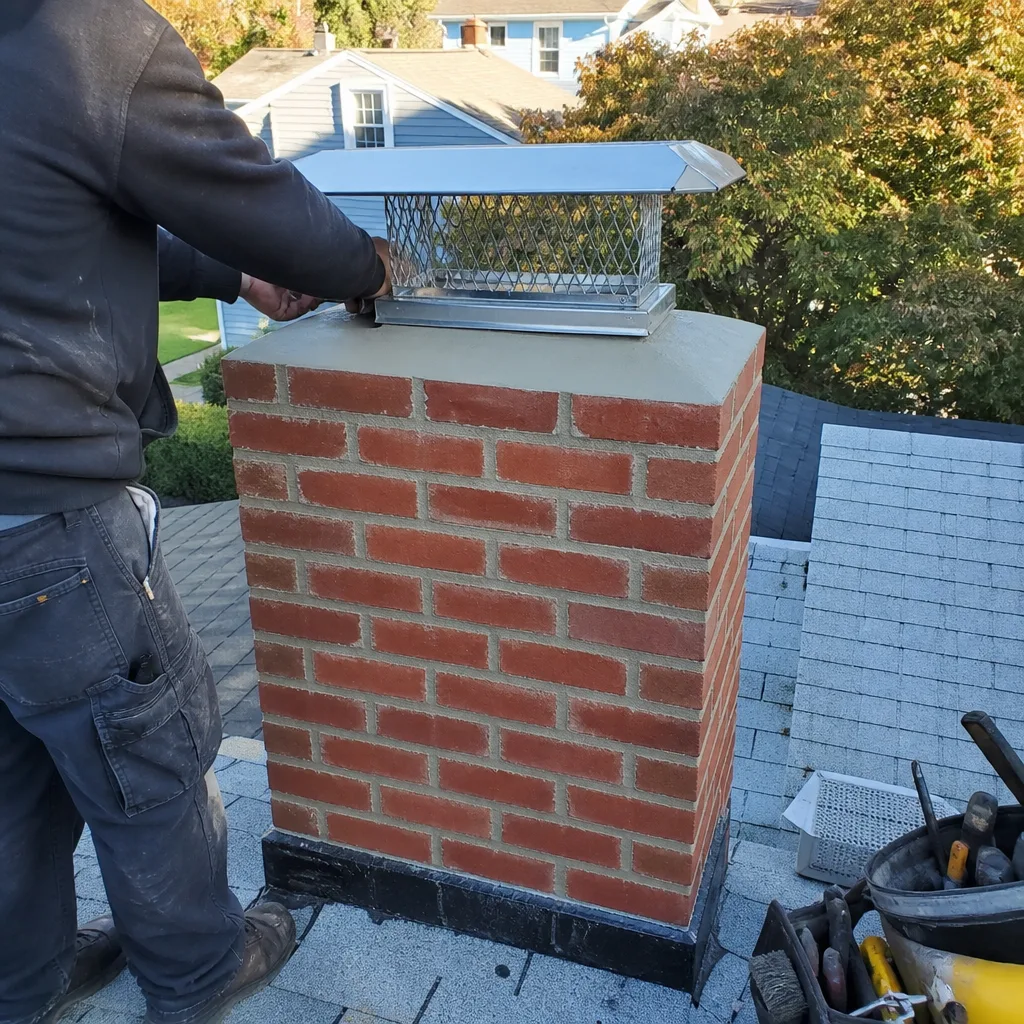 After
After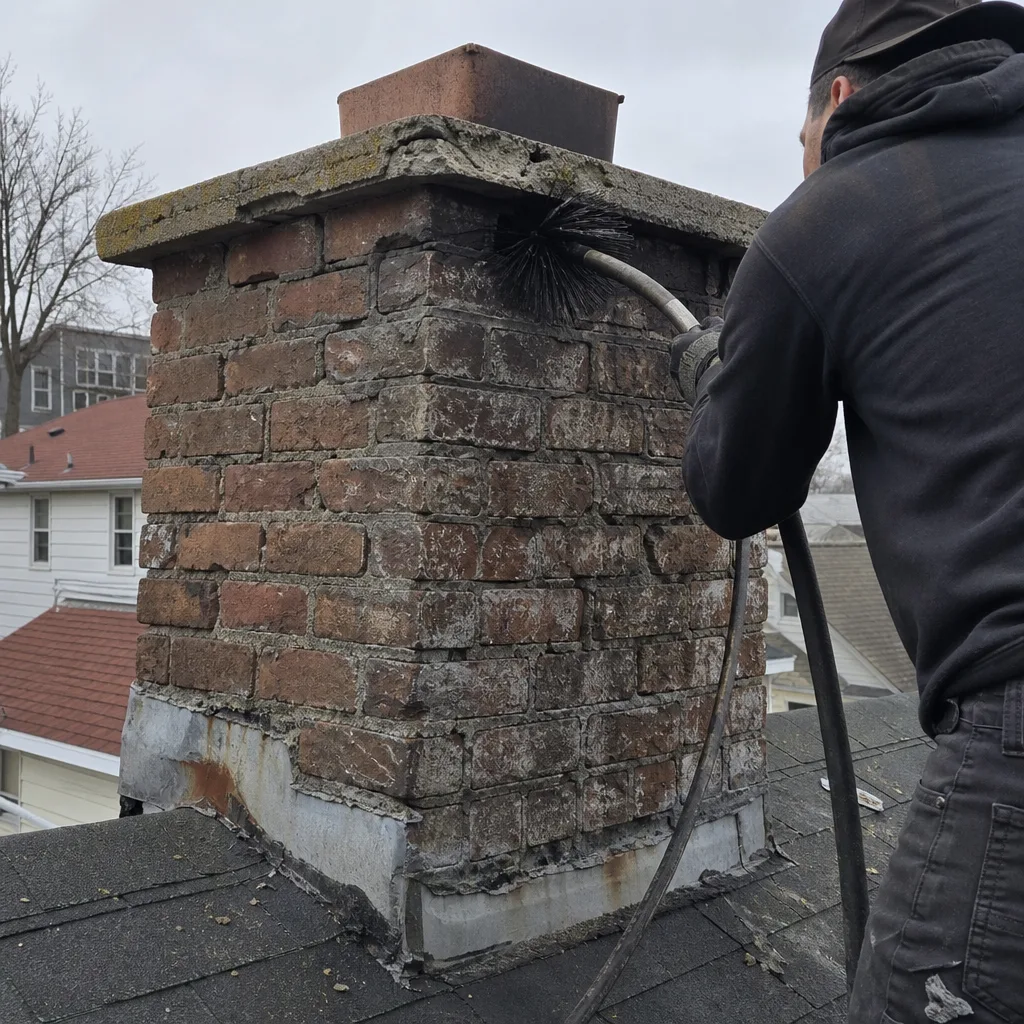 Before
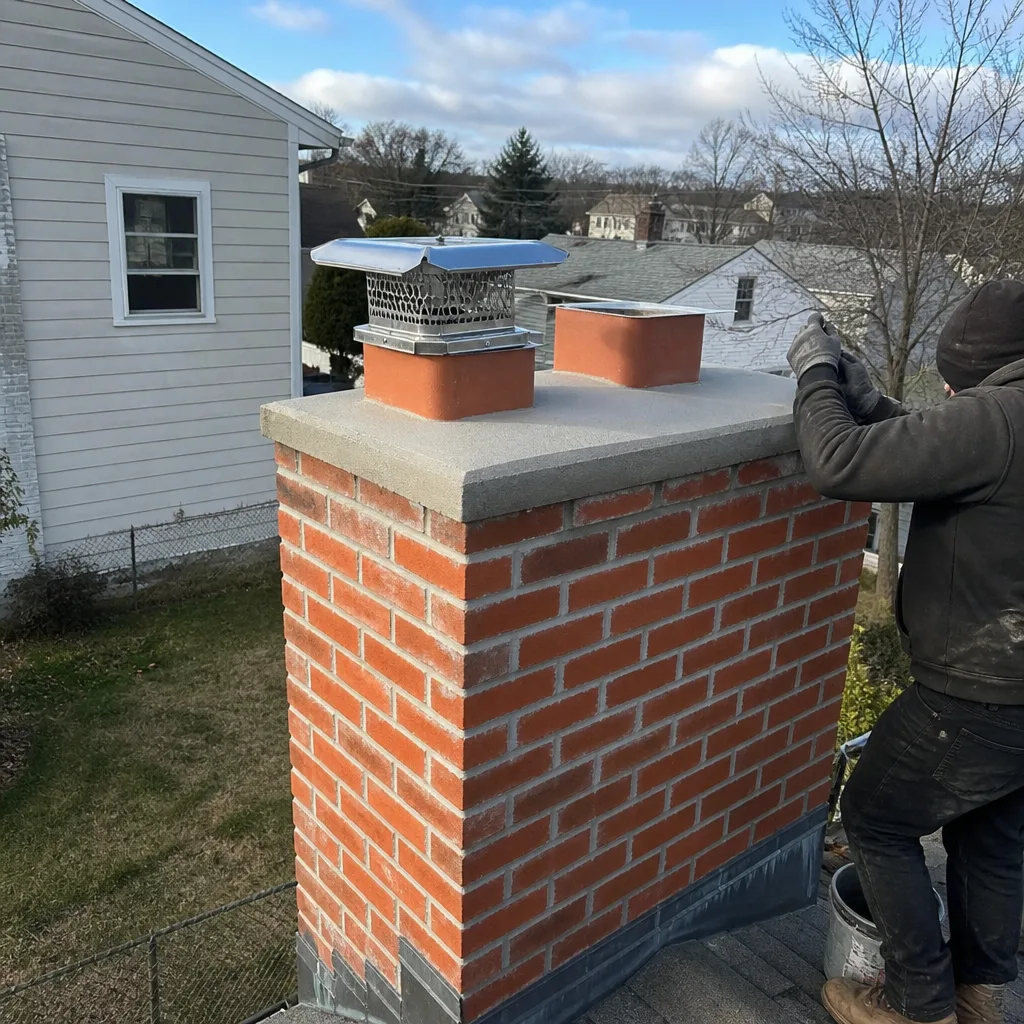 After
AfterWhy Brooklyn Homeowners Choose DuraFlex Chimney Cleaning
We’re an independent DuraFlex chimney cleaning and repair company serving Brooklyn, from Park Slope brownstones to Bed-Stuy row houses, with Duraflex repair in Brooklyn available across the borough. DuraFlex stainless steel liners are common in this borough because they handle the tight bends and shared flues older buildings throw at you, but they still need the right kind of cleaning. Wendell Pike and his crew have pulled enough creosote, corrosion, and failed sealant out of DuraFlex systems to know exactly what a 316L liner needs versus an AL 29-4C, and we give you an honest answer before any tool comes off the truck.
One thing up front: Top Hat Chimney is not affiliated with or authorized by DuraFlex. We’re an independent service provider. That means we work on your schedule, not a manufacturer’s network schedule, and we’ll tell you when a patch is smarter than a replacement. Call (516) 289-9316 and a live person answers, any hour.
Why Trust Top Hat Chimney for Your DuraFlex Chimney Cleaning?
Wendell started working Brooklyn chimneys in 1999, back when most of the row house flues he opened were still running original clay tile built for coal. He learned the mechanical side of the trade at Palomar College, but the real education came on the rooftops of Carroll Gardens and Flatbush, where a hundred-year-old chimney stack sits inches from the next one and nothing is ever a simple straight shot. These days we see more DuraFlex liners than any other stainless brand, and we know how they behave after five, ten, fifteen Brooklyn winters. We’ve also expanded into nearby neighborhoods, offering Duraflex repair in Ridgewood for homeowners there.
That matters because a DuraFlex liner is only as good as the hands that maintain it. A rotary whip spun too aggressively gouges the corrugated interior. The wrong sealant at the top plate lets harbor-driven rain work its way down to the firestop. We match the cleaning method to the liner alloy and the creosote stage, and we document what we find. Every job is backed by our 90-Day Done Right Promise, in writing. If it’s not done right, one call brings us back.
Common DuraFlex Chimney Cleaning Problems We Fix in Brooklyn
- Heavy creosote adhesion on DuraFlex 316L flexible liners. The corrugated interior of a 316L grabs creosote faster than a smooth-wall liner, especially when homeowners burn oak that never properly seasoned. In Brooklyn row houses with wood-burning inserts, we regularly see glaze that requires a nylon-head rotary whip to break up without scoring the steel. This is the most common call we get for DuraFlex systems in this borough.
- Galvanic corrosion on DuraFlex AL 29-4C liners at the top plate or tee. When the aluminum alloy liner contacts a dissimilar metal fitting, the salt air coming off Upper New York Bay accelerates the reaction. We see it most on gas appliances vented through DuraFlex AL 29-4C in multi-family prewar buildings near the waterfront. The liner gets pitted right at the connection point.
- Liner distortion or bulging at the firestop plate. High-efficiency gas appliances cycle hot and cold more aggressively than older boilers did. Over time, that thermal expansion can push a DuraFlex liner outward at the firestop, creating a gap or a bulge. We check this during every cleaning because it’s easy to miss until the flue gases start leaking into the chase.
- Failed silicone sealant at the rain cap and top plate joints. DuraFlex uses high-temperature silicone at the cap and top plate, and Brooklyn’s wet freeze-thaw cycles are hard on it. Once the sealant cracks, water follows the liner down and starts working on whatever’s beneath it. We replace the sealant and often the rain cap on nearly every older DuraFlex installation we open.
- Worn or missing rain caps on DuraFlex liners serving reopened fireplaces. In Bed-Stuy and Bushwick, the fireplaces that got boarded over in the 1950s are being reopened by new owners, and the DuraFlex liner that was installed decades ago often still has the original cap. Those caps corrode or blow off, and the open flue becomes a highway for rain, birds, and debris. We see liners packed with nests that no one has touched in sixty years.
DuraFlex Parts & Our Repair-vs-Replace Approach
When a DuraFlex liner has a problem at a seam, cap, or connector, we prefer genuine DuraFlex components. The alloy profiles and tolerances are matched to the liner, and using the right part means the repair holds like it should. We keep common DuraFlex caps, connectors, and top plate components in stock so a repair doesn’t turn into a two-week wait for a truck from a distributor.
For waterproofing and flashing work, we use aftermarket sealants and flashings that hold up better than stock in Brooklyn’s coastal weather. The silicone and flashing that works fine in a dry inland market gets punished here by salt air and repeated freeze-thaw. We pick what actually survives.
We’re straight about when to stop repairing. If a DuraFlex liner has multiple perforations or walls that have thinned to the point of buckling, patching is throwing money away. A full re-line is the honest call. If your liner has one small hole in an accessible spot, we’ll say patch it and keep burning. If it doesn’t need doing, we’ll tell you that too. Call (516) 289-9316 and we’ll give you a straight read before any work starts.
Our DuraFlex Service Process - Step by Step
- 1
Diagnosis. We run a camera through the DuraFlex liner from the top plate down, or from the appliance up if access is tight. We’re looking for creosote stage, corrosion, distortion, sealant failure, and any spots where the liner has pulled away from the flue. You see the footage. We explain what it means in plain English.
- 2
Cleaning or repair plan. If it’s creosote, we match the tool to the alloy: nylon-head rotary whip for glazed 316L, brush for first-degree buildup. If it’s structural, we quote the repair or re-line before a single tool moves, and the number we quote is the number on the invoice.
- 3
Repair or install. For seams, caps, and connectors, we use genuine DuraFlex components. For waterproofing and flashing, we use materials selected for Brooklyn’s weather. We pull the top plate, reseal the joints, and replace anything that’s failed.
- 4
Test and document. After the work, we run the camera again and run a draft test. You get a report with photos. If anything isn’t right within 90 days, one call brings us back at no additional cost. That’s the Done Right Promise, and it’s in writing on every single job.
DuraFlex Products We Service & Install in Brooklyn
We service and install the full DuraFlex line: the 316L flexible chimney liner, the Pro 316Ti flexible liner, the AL 29-4C flexible liner for gas, and the Smooth Wall liner. The 316L and Pro 316Ti are what we see most in Brooklyn wood-burning fireplaces and inserts, while the AL 29-4C shows up on gas boilers and water heaters in the older multi-unit buildings. We keep common caps, top plates, and connectors in the truck, so most repairs don’t wait on parts.
We Also Service These Brands
We’re not married to one brand. If your chimney has a HeatShield resurfacing system or a Gelco liner, we service those too, and we’ll tell you honestly which system fits your flue and your budget. Our loyalty is to the house, not the manufacturer. That’s the whole point of being independent.
FAQs - DuraFlex Chimney Cleaning Service in Brooklyn
No. We’re an independent service provider, not a DuraFlex authorized dealer or installer. That means we service your liner on your terms, without manufacturer network scheduling or warranty-shaped upsells. Call (516) 289-9316 and a live person answers, no call center.
For seams, caps, connectors, and anything that touches the liner itself, we use genuine DuraFlex components because the alloy profiles and tolerances match. For waterproofing and flashing, we use aftermarket materials selected for Brooklyn’s wet freeze-thaw cycles, because they hold up better than stock in this climate. If you want genuine parts only, we’ll do that too.
A standard DuraFlex cleaning in a Brooklyn brownstone takes two to three hours, including the camera inspection and the before-and-after report. Repairs and re-lines run longer depending on access and what we find. We’ll give you an arrival window, not a four-hour shrug, and we call if it slips. Call (516) 289-9316 to schedule.
We service and install the DuraFlex 316L flexible liner, Pro 316Ti, AL 29-4C, and Smooth Wall liner. If you’re not sure which one you have, we’ll identify it during the camera inspection and tell you exactly what it needs.
Using an independent service provider does not void a DuraFlex warranty. The warranty covers manufacturing defects in the liner, not the maintenance of it. What voids warranties is improper installation or damage from neglect, like letting glazed creosote sit in a 316L for years. Keeping the liner clean is what keeps the warranty meaningful.
A standard DuraFlex cleaning in Brooklyn typically runs between $180 and $340, depending on liner length, creosote stage, and access. If the liner needs glaze removal or heavy debris extraction, the price goes up from there. We give you the exact number before any tool comes off the truck, and the number you hear on the phone is the number on the invoice. Call (516) 289-9316 for a free estimate.
Book Your DuraFlex Service in Brooklyn, NY
If your DuraFlex liner hasn’t been looked at in a while, or if you just bought a Brooklyn brownstone with a fireplace that someone boarded over in 1962, we should talk. We also provide DuraFlex Chimney Cleaning in Brooklyn Heights, NY. Call (516) 289-9316 and Wendell or one of his crew will pick up the phone straight away. Upfront pricing, camera proof, and the 90-Day Done Right Promise in writing. No trip charge inside the county.
Written by Wendell Pike, Owner at Top Hat Chimney, serving Brooklyn chimney and liner work since 1999.