
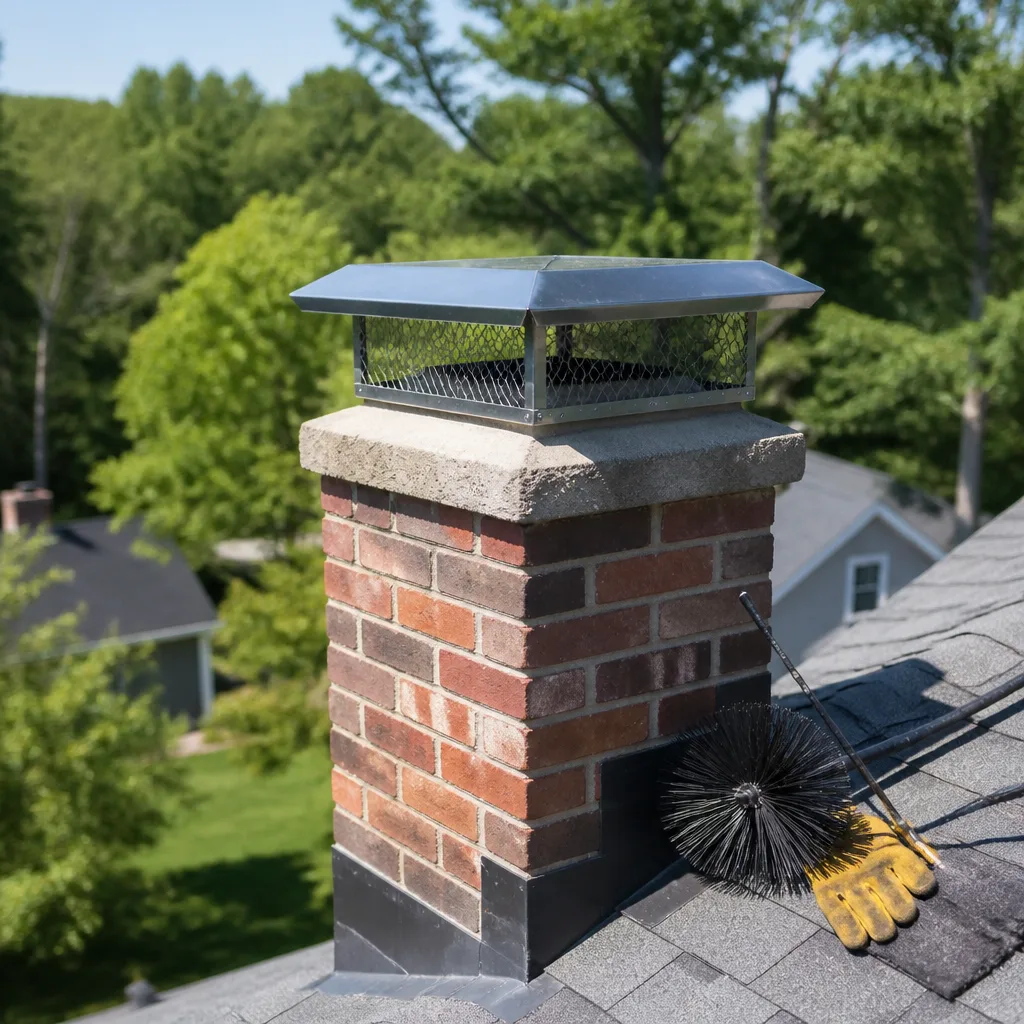
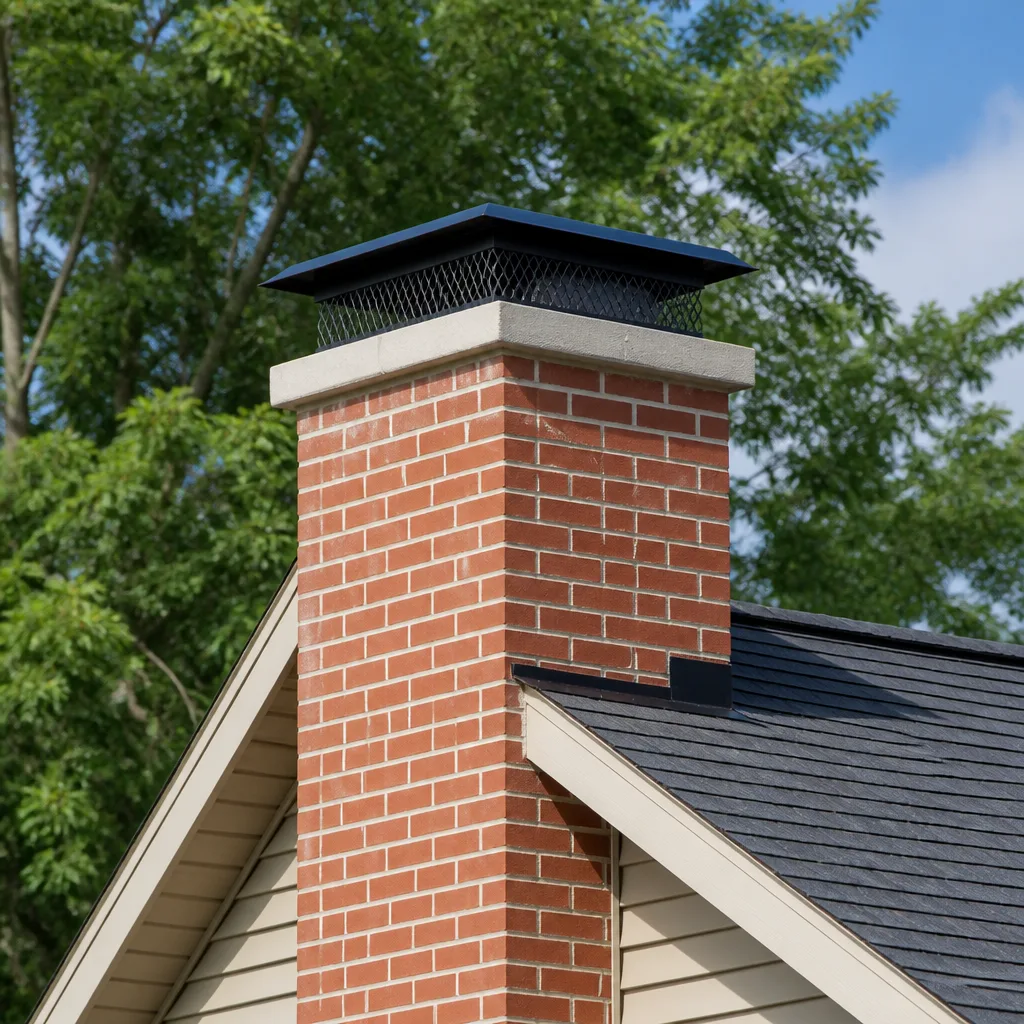
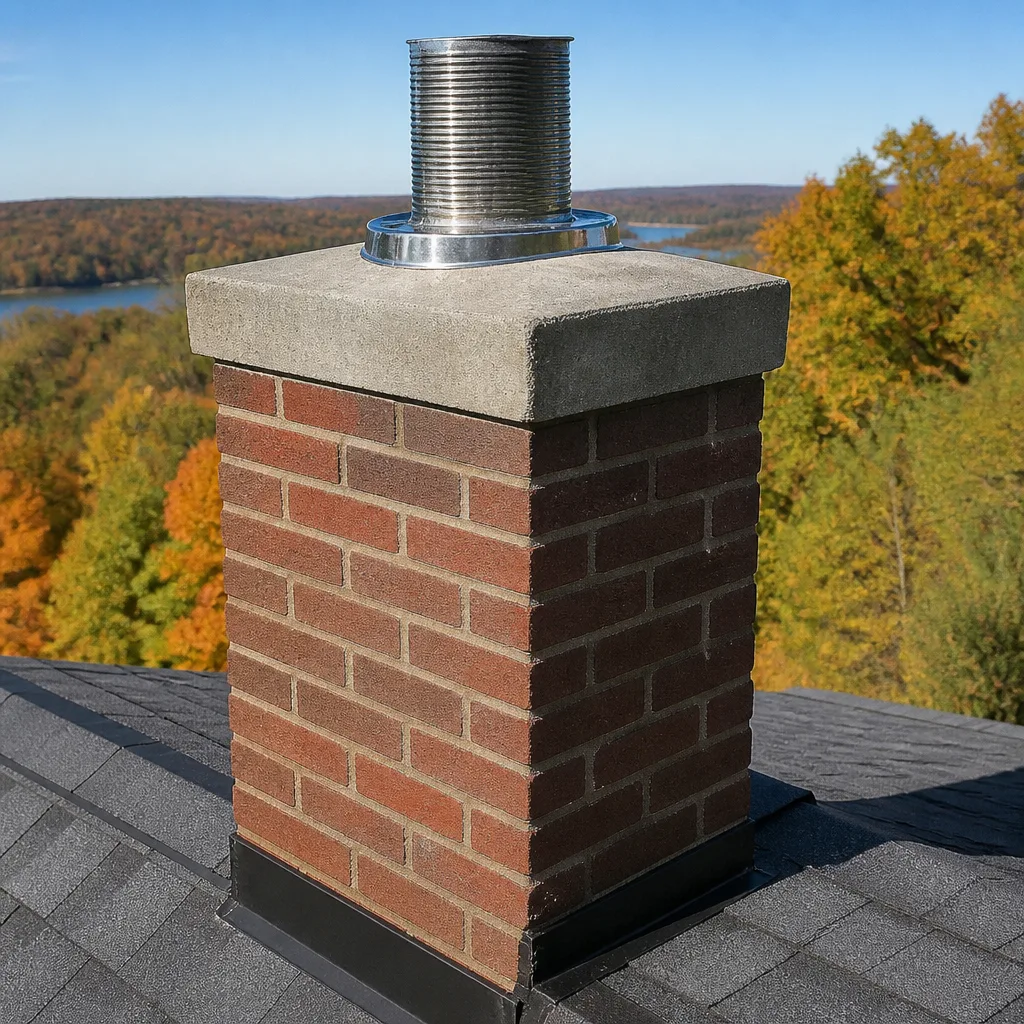
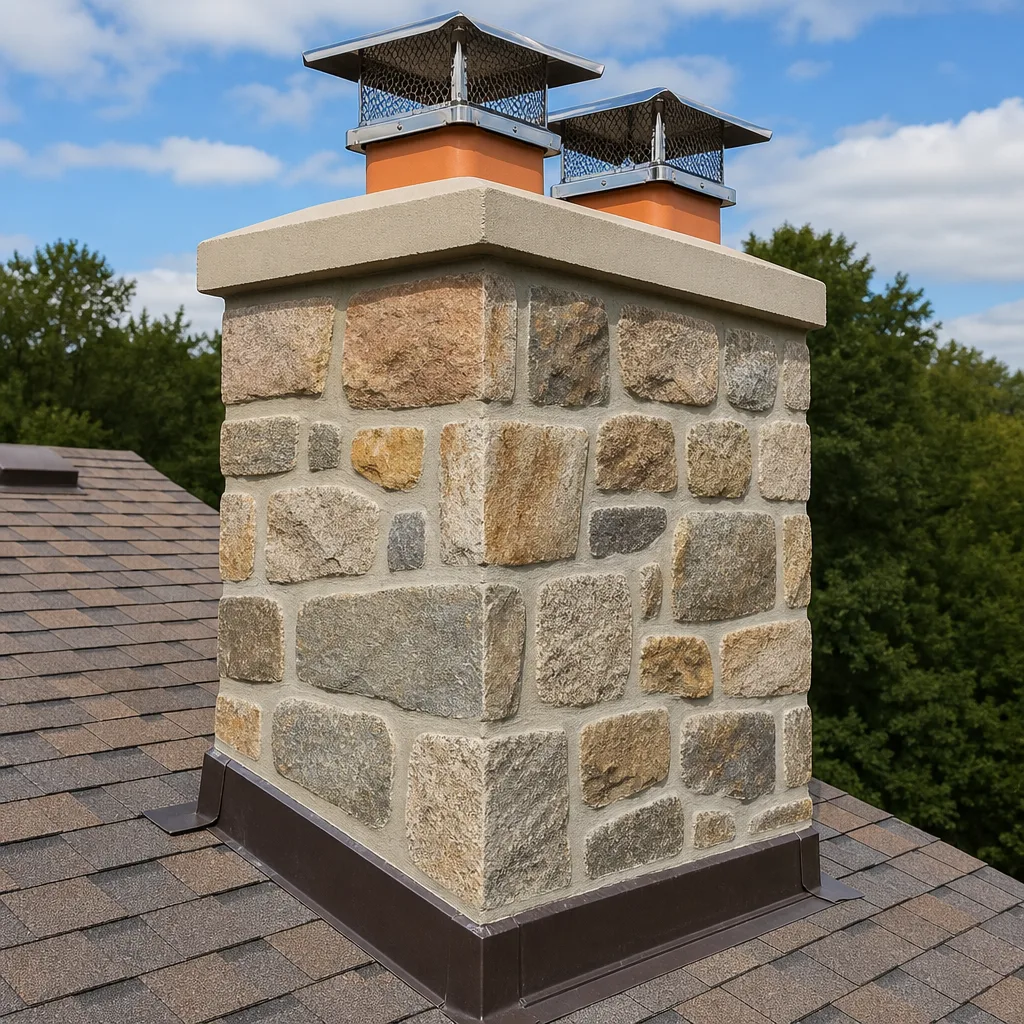
Level 1 sweep and inspection to the NFPA 211 annual standard - flue, crown, cap, and flashing checked and photographed
Chimney sweep logs do not sweep chimneys. They loosen some creosote - which then falls where a brush and vacuum still have to collect it.
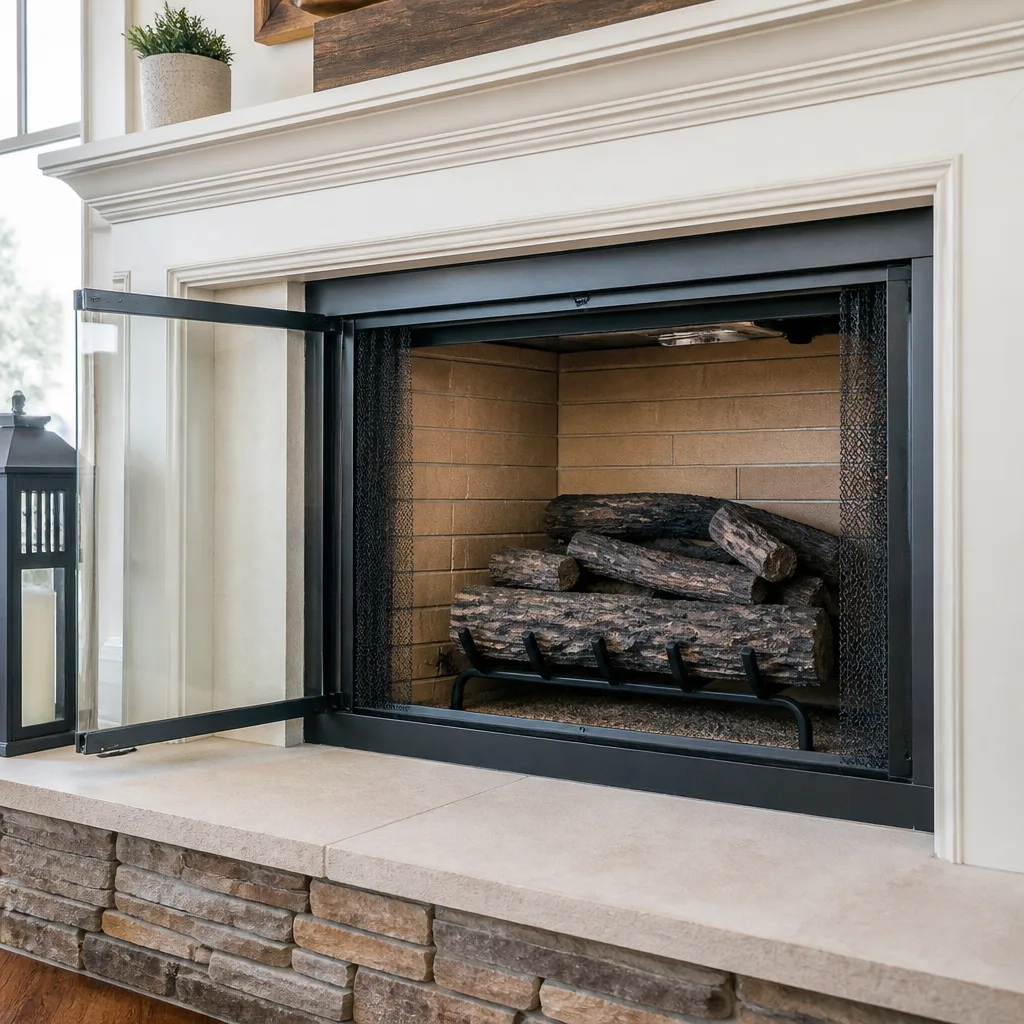
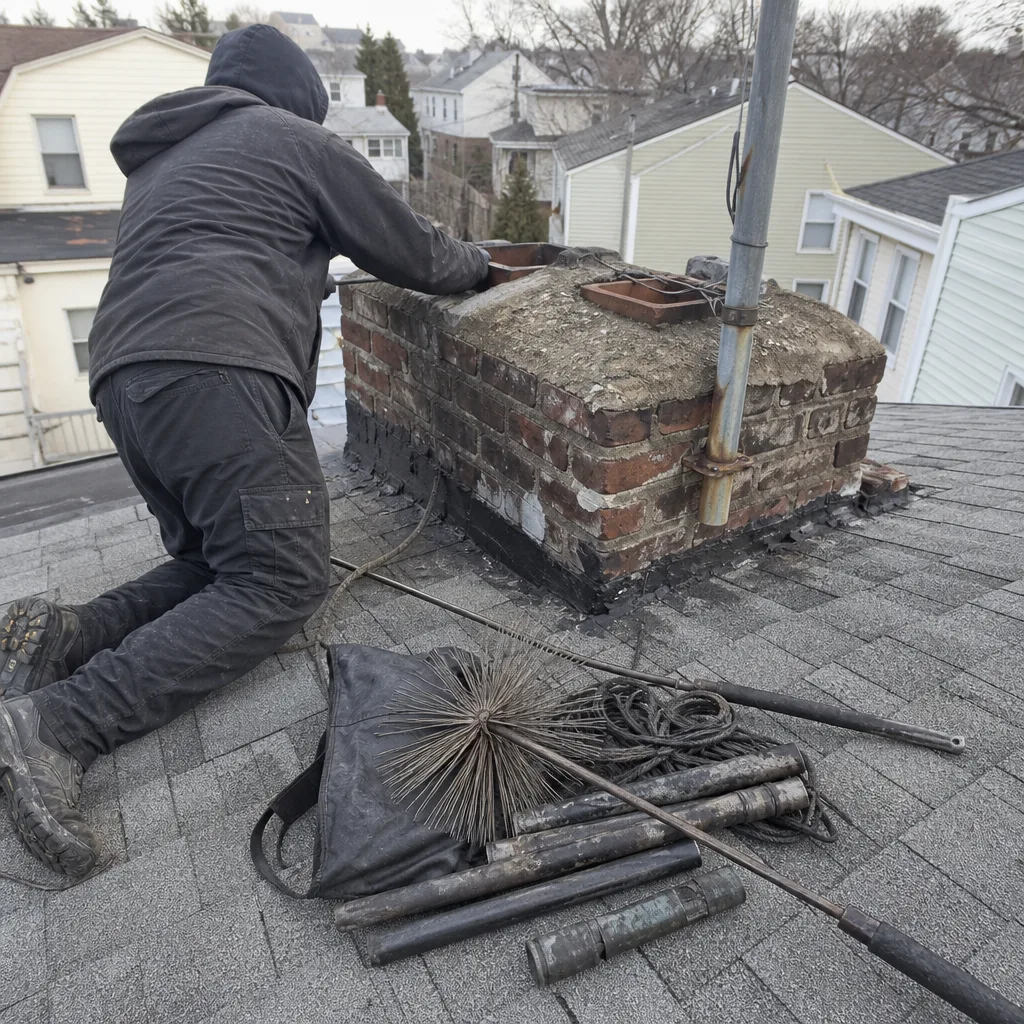 Before
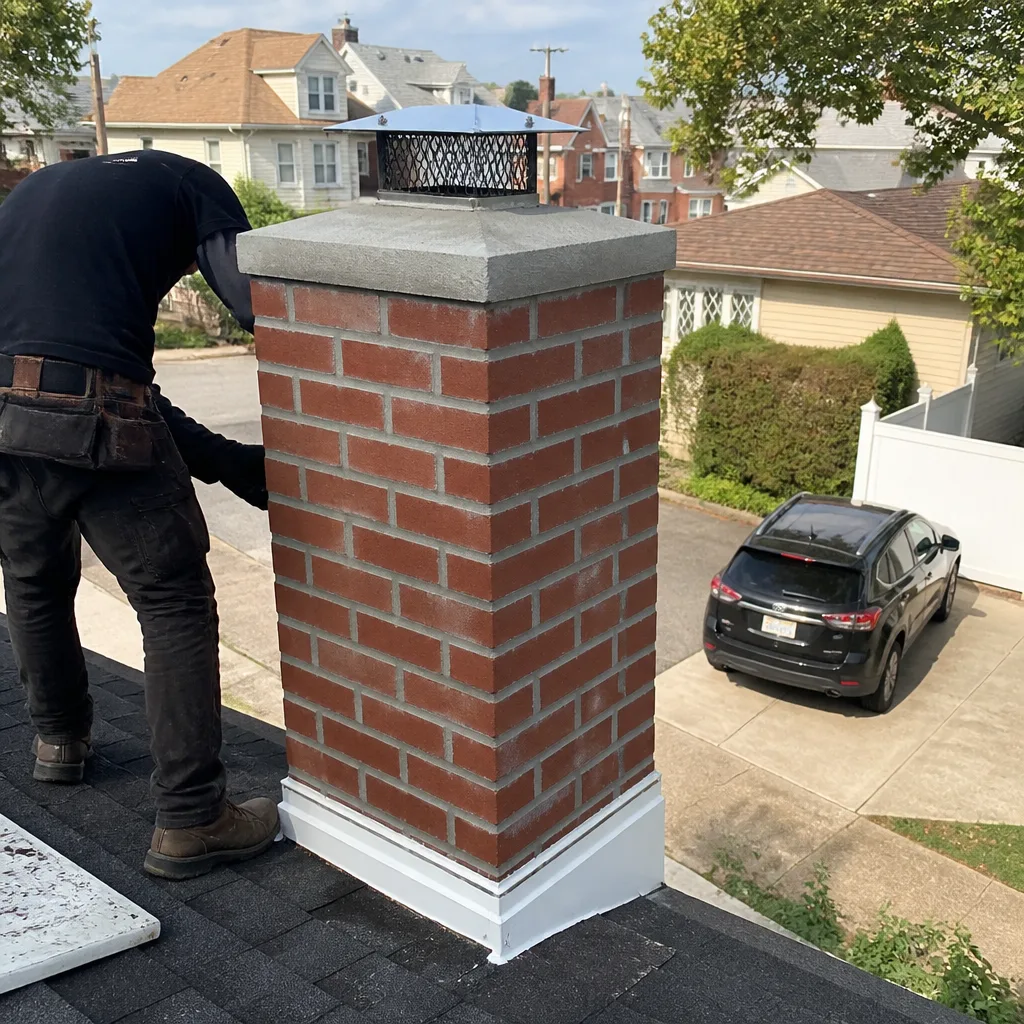 After
After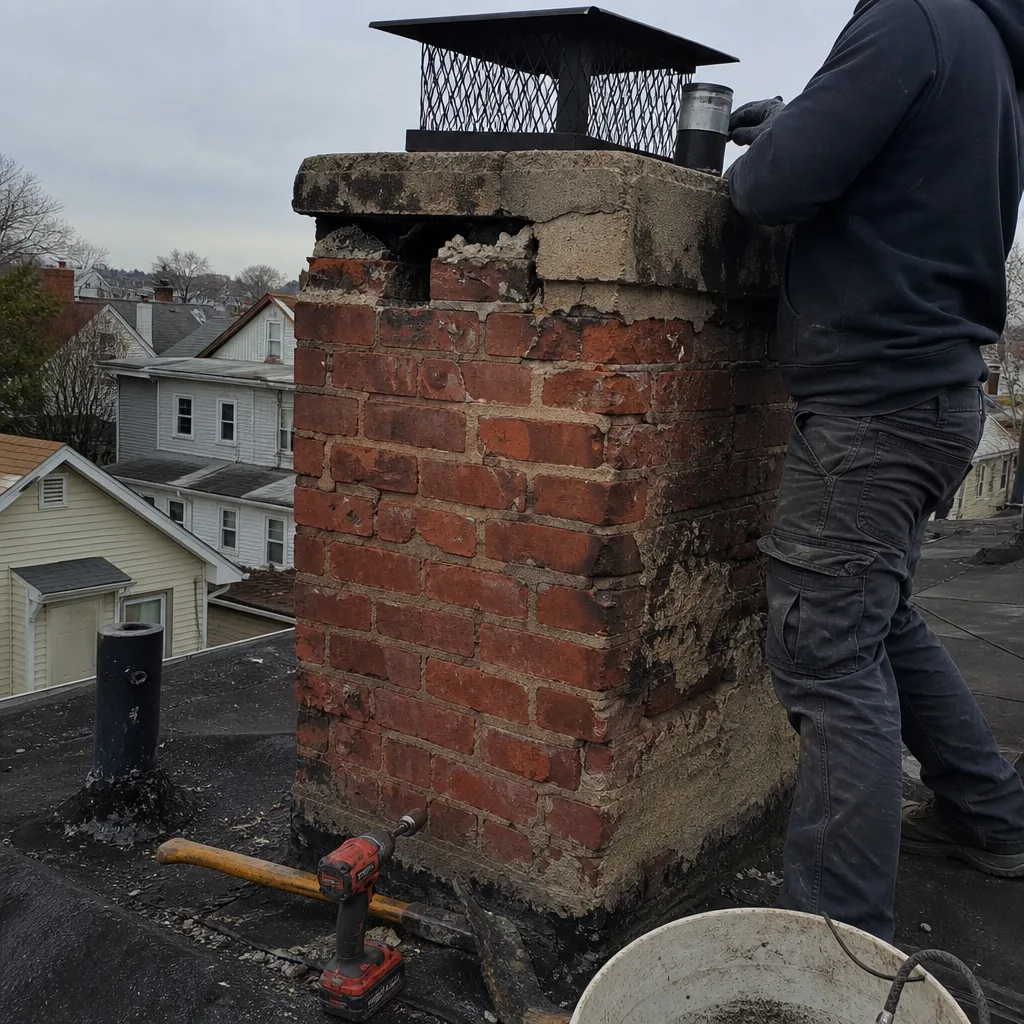 Before
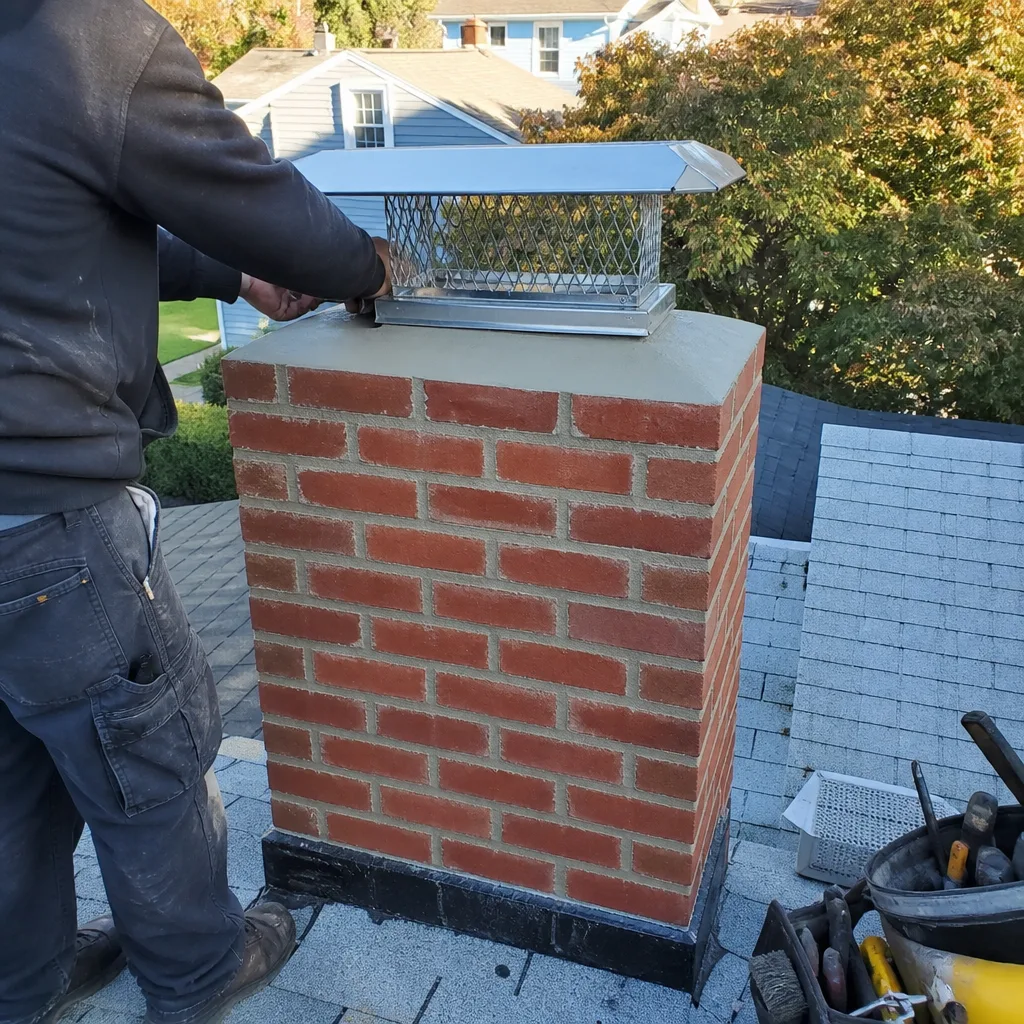 After
After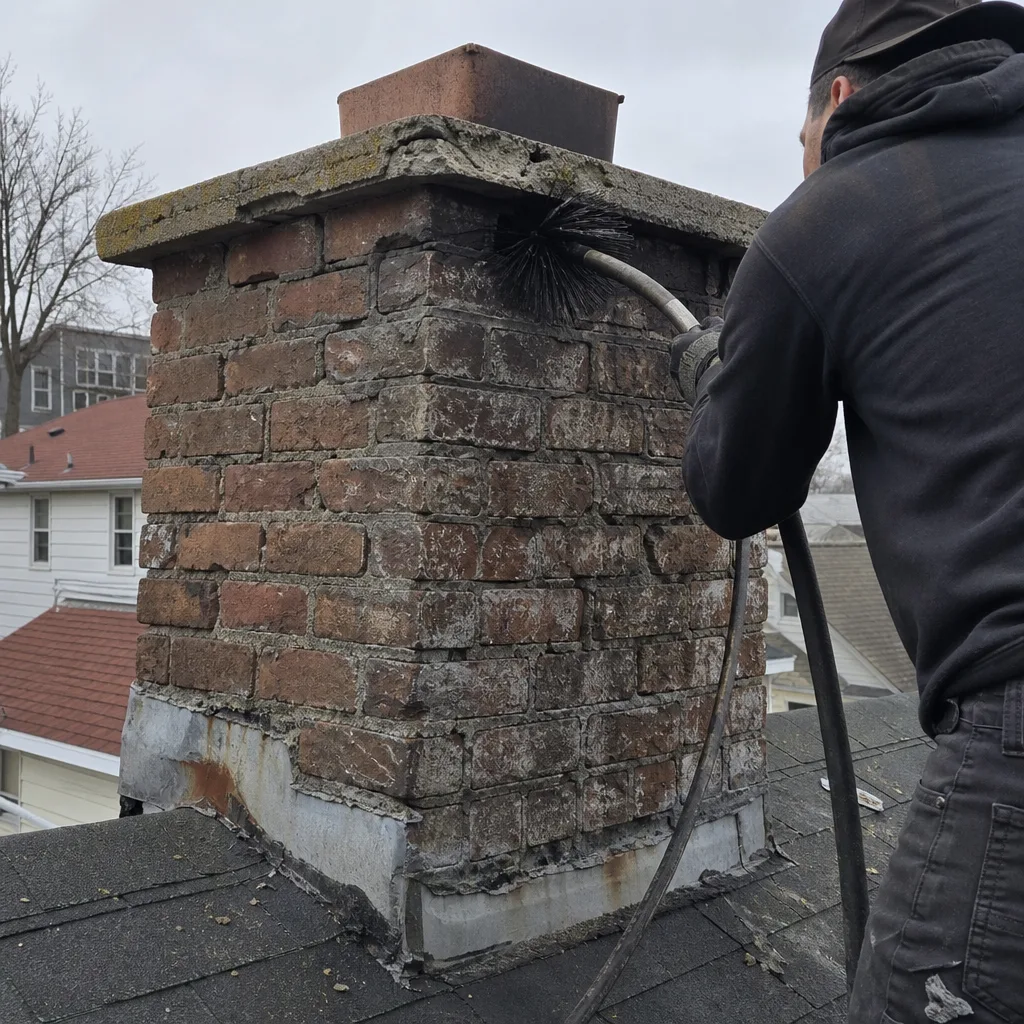 Before
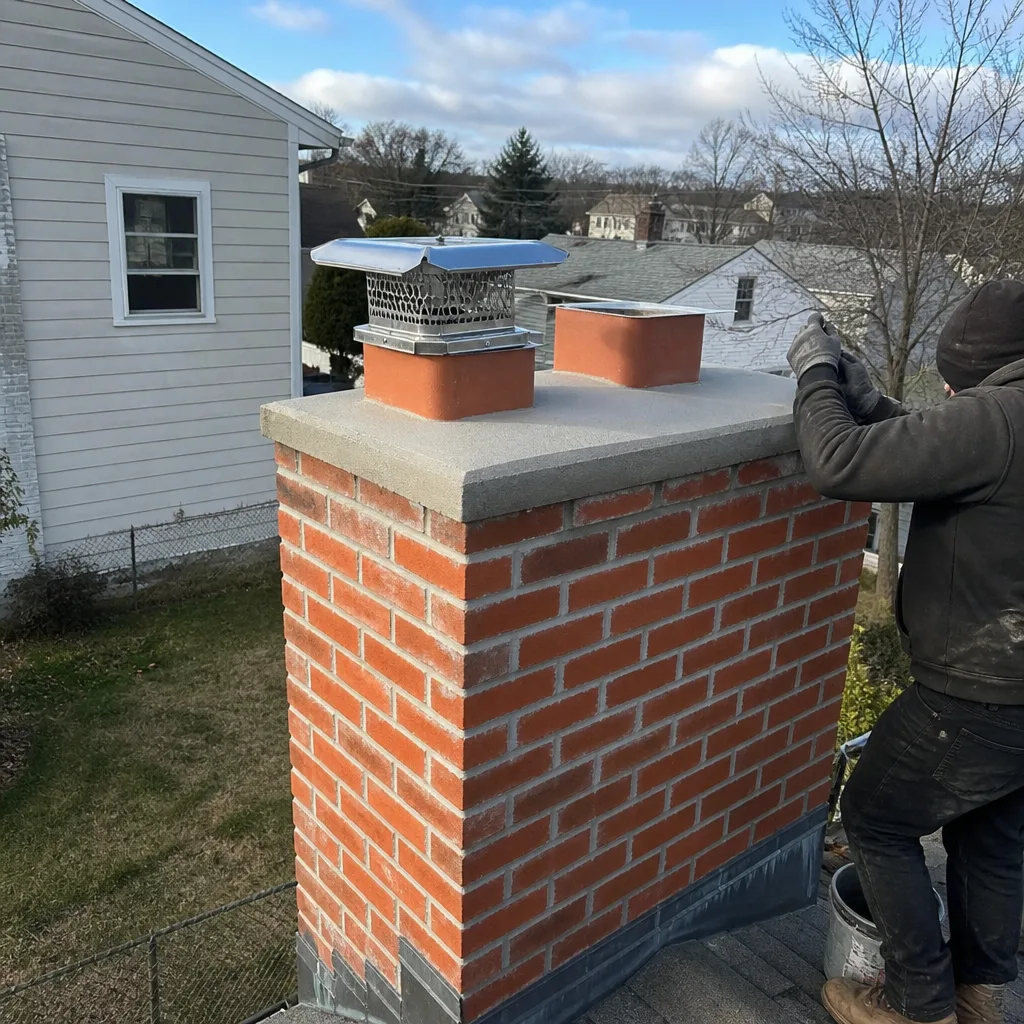 After
AfterHeatShield Damper Repair: The Brooklyn Owner’s Guide
HeatShield damper repair in Brooklyn typically runs $340 to $680 installed, depending on your fireplace model and how much of the linkage has seized. We stock HeatShield-compatible damper parts on the truck and can usually complete the swap the same visit. Most Brooklyn homeowners discover the damper failed the hard way: they open it on the first cold night, feel nothing move, or smell last night’s fire backing into the living room.
The damper is the one moving part between your fire and the outside. When it stops seating properly, your flue stays partly open all winter. That means heated air slipping up the chimney around the clock, damp air coming down in summer, and the occasional bird or squirrel deciding your flue looks like a furnished apartment. We see it often in older Brooklyn homes, especially the brownstones and prewar buildings where a damper may have been working since before the current owner was born.
Which HeatShield Models This Applies To
HeatShield dampers fall into two general families: the cast-iron throat dampers common on masonry fireplaces and the top-sealing dampers that mount at the flue crown. Most Brooklyn homes built before 1980 have the first kind, a rectangular cast plate riding on a threaded rod or pivot pins. If your damper has a handle that pushes or pulls, that’s a throat damper. The handle is usually marked with a small “HS” stamp near the hinge or a model number like HS-TD4 or HS-TD6 on the underside of the plate.
Here’s the compatibility gotcha that trips up a lot of Brooklyn homeowners: HeatShield has changed the casting dimensions twice since the company started, and a damper from a 1992 fireplace will not always drop into a 2015 firebox. The throat opening width is the measurement that matters. Older models measure 28 to 32 inches across; newer ones run 30 to 36. Even a half-inch difference means the plate won’t seal and you’ll be shimming and cursing before you’re done. Wendell Pike has been measuring these openings on Brooklyn rooftops long enough to tell you by phone whether we have the right fit before we ever ring your bell. Top Hat Chimney is an independent service provider and not affiliated with HeatShield, but we work with HeatShield parts every week alongside DuraFlex and Gelco components.
For OEM versus aftermarket: the OEM castings are solid and will last 20-plus years if the damper isn’t warped by heat. The aftermarket plates we stock from trusted foundries are dimensionally identical and often half the cost, but we only install them when the original has been discontinued. On HeatShield specifically, the older HS-TD3 series was phased out, and aftermarket is the only option for those units. We will tell you which one you’re getting and why before we quote you.
Signs Your HeatShield Damper Repair Is Failing
- The handle moves but the plate doesn’t. The cotter pin or linkage rod has sheared or rusted through. This is the single most common failure we see in Brooklyn, and it’s usually a fast fix once the damper plate is dropped.
- Cold air pours down the chimney even when closed. The damper plate has warped from years of high heat and no longer seats flat against the frame. A warped cast plate can’t be straightened; it gets replaced.
- You smell fireplace or chimney odors in summer. That’s a damper that isn’t sealing, plain and simple. The smell is whatever is inside the flue wicking down into the house because the seal has failed.
- The damper creaks, sticks, or won’t stay open. Pivot bearings on older HeatShield units seize as carbon and soot build up. Once the bearing binds, forcing the handle just bends the linkage, and then you’ve got two problems instead of one.
- Rust flakes fall into the firebox when you open or close it. That’s the damper frame itself corroding, which happens faster in Brooklyn homes where salt air pushes in from the harbor. A rusted frame may not hold a new damper plate, and the repair scope grows.
Replacement Cost & What’s Included
In Brooklyn, a HeatShield damper replacement runs $340 to $680 installed. The lower end covers a straight plate swap on a common model with good access. The upper end covers older HS-TD3 units that need custom-fitting aftermarket plates, or any job where the frame needs cleaning and alignment before the new damper will seat. You are looking at parts, but the labor is most of the bill: the old damper has to come out, the throat has to be cleaned and inspected, and the new plate has to be adjusted to a flat seal. We quote a flat installed price before we start, and the number we give you is the number on the invoice. Every HeatShield damper repair carries our 90-Day Done Right Promise in writing. If it doesn’t operate smoothly or doesn’t seal after we leave, one call brings Wendell and his crew back at no charge.
We also keep $40 off any repair over $200, no trip charge inside the county, and 10% off for seniors and veterans. If you’ve got a written estimate from another shop, bring it and we’ll give you a free second opinion.
DIY or Call Us?
A damper plate is not a spring. It won’t take a finger off. But it is a heavy cast-iron slab sitting over a firebox, and if it drops while you’re underneath it, you’ll know it. That said, there are things a Brooklyn homeowner can safely check: pull the handle and see if the plate actually moves, look up the firebox with a flashlight to check for rust or warping, and note the throat width for your phone call to us. That’s a real head start.
What we don’t recommend is dropping the old damper yourself. The plates weigh 20 to 40 pounds depending on model, and they come out of a tight frame at awkward angles. If the linkage is seized, prying on it just bends components you’d otherwise reuse. We do this work standing on Brooklyn rooftops and crouched in fireboxes every week. If it doesn’t need doing, I’ll tell you that too. But if the plate is warped or the frame is gone, call (516) 289-9316 and we’ll get eyes on it.
FAQs
A HeatShield damper in a Brooklyn fireplace typically lasts 15 to 25 years. The lifespan depends on how hot you burn your fires, how often the damper gets opened and closed, and how much salt air works into the mechanism. In homes near the water, expect the shorter end of that range.
Sometimes. If the linkage rod, cotter pin, or handle is the failure point, we can often repair that without replacing the plate. If the plate itself is warped or rusted through, repair isn’t practical and we’ll show you the camera footage to prove it before you spend a dollar. Call (516) 289-9316 and we’ll talk through what you’re seeing.
A straightforward HeatShield damper swap takes about an hour to an hour and a half once we’re on site. If the frame needs cleaning or the flue needs a quick inspection at the same time, budget two hours. We don’t charge by the hour; you’ll get a flat price before we start.
We stock common HeatShield damper plates, frames, linkage rods, and handles on our trucks, including aftermarket equivalents for discontinued models like the HS-TD3. If you have an unusual size, we’ll have it in hand before your appointment date. Call (516) 289-9316 with your fireplace opening width and we’ll confirm the match.
Written by Wendell Pike, Owner, Top Hat Chimney at Top Hat Chimney, serving Brooklyn and nearby areas.