
Last updated September 10, 2026
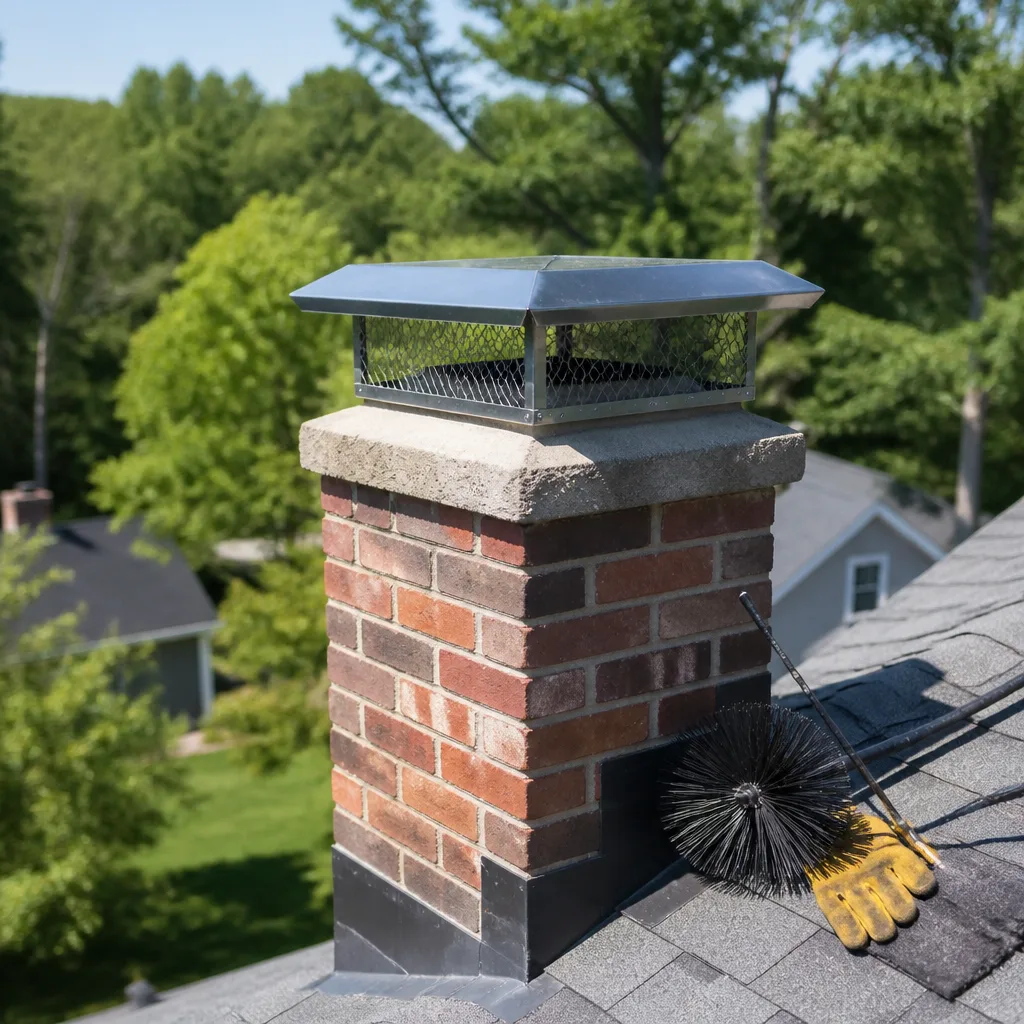
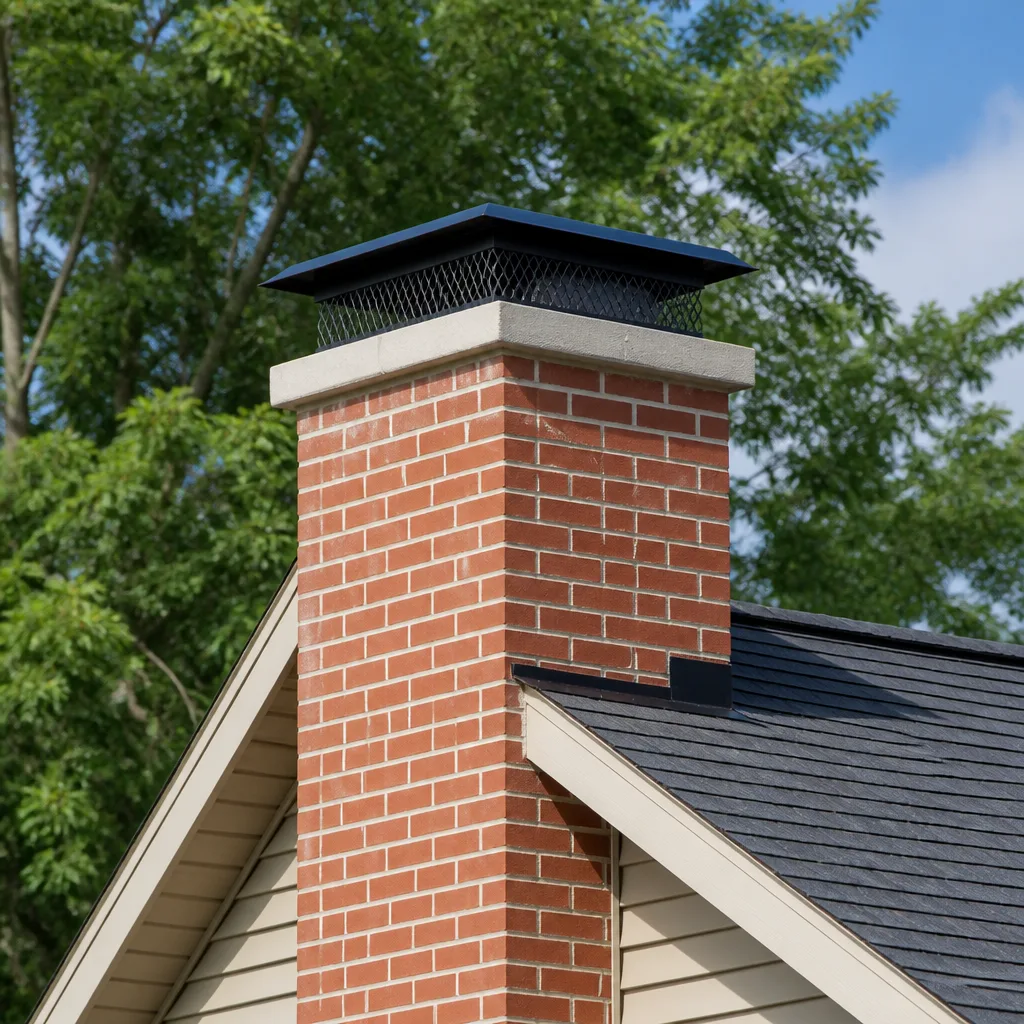
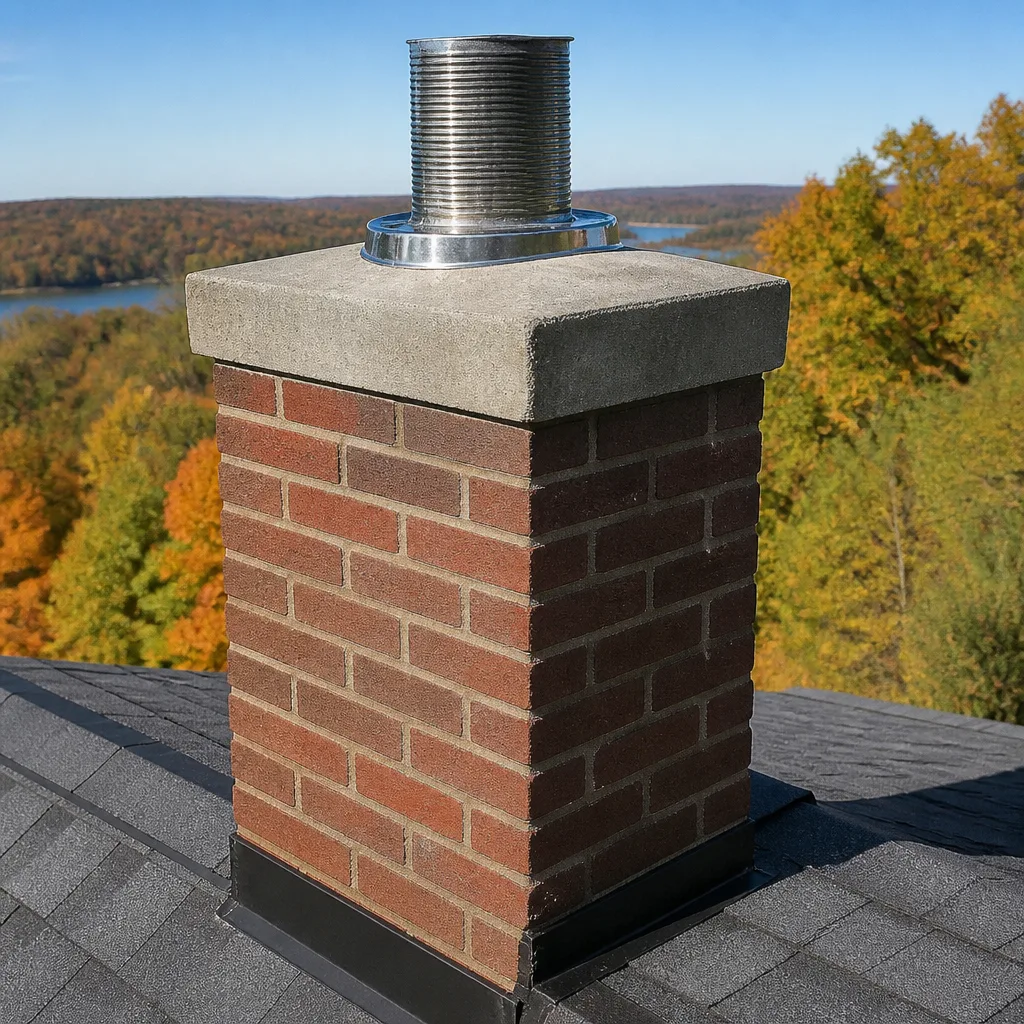
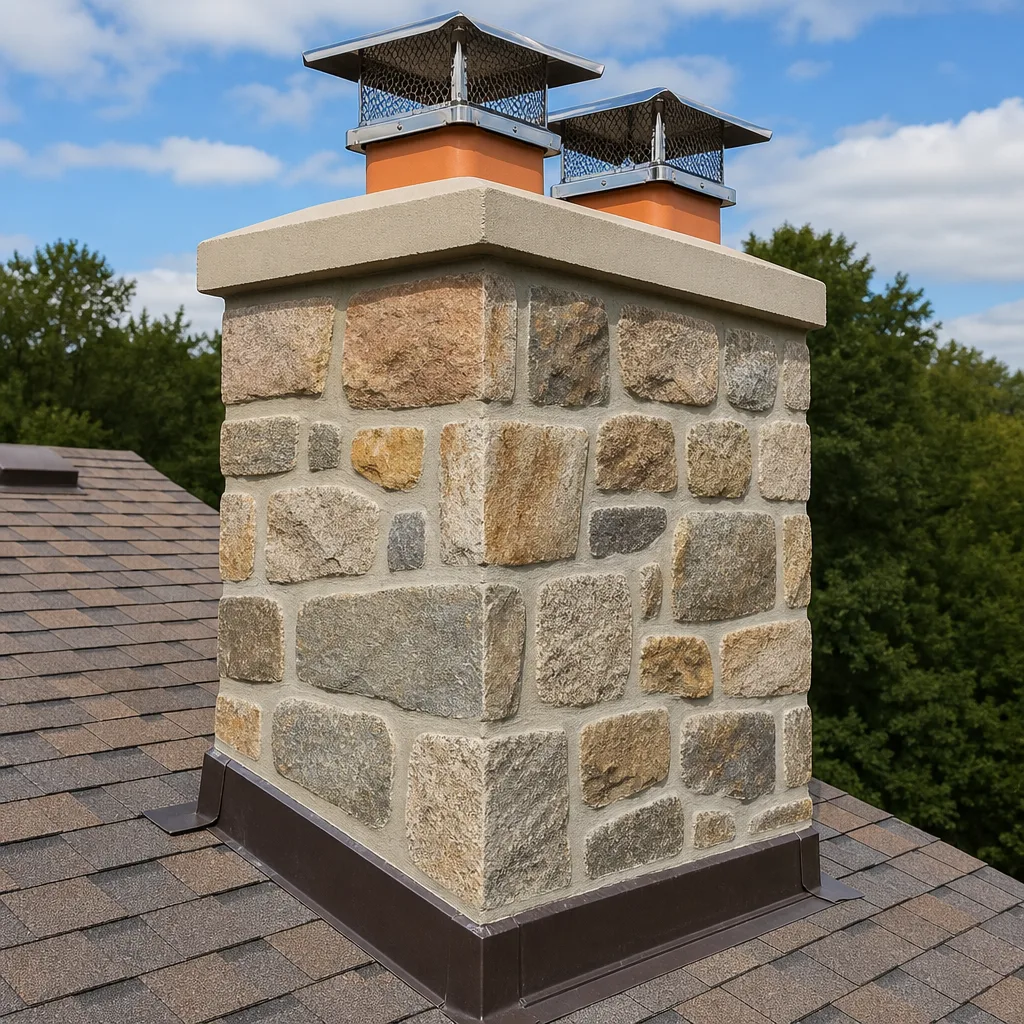
Level 1 sweep and inspection to the NFPA 211 annual standard - flue, crown, cap, and flashing checked and photographed
Chimney sweep logs do not sweep chimneys. They loosen some creosote - which then falls where a brush and vacuum still have to collect it.
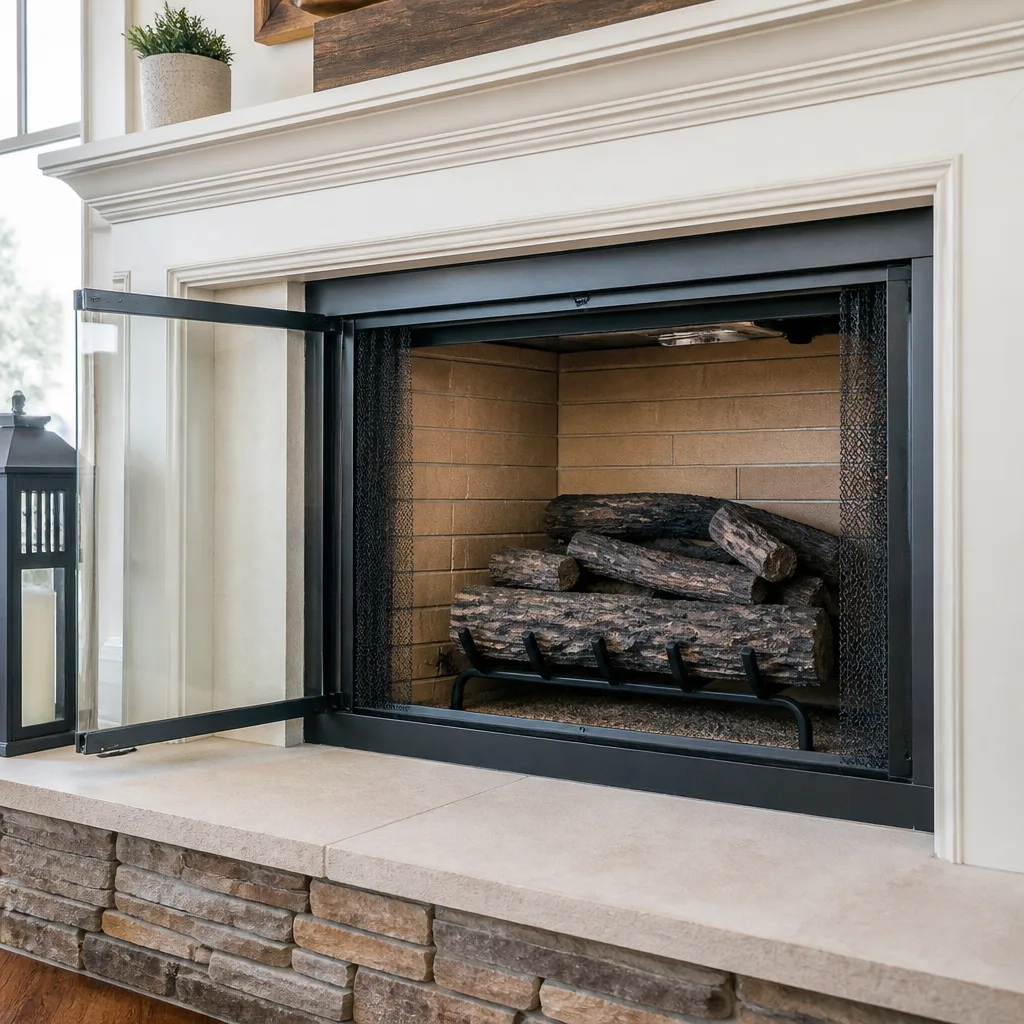
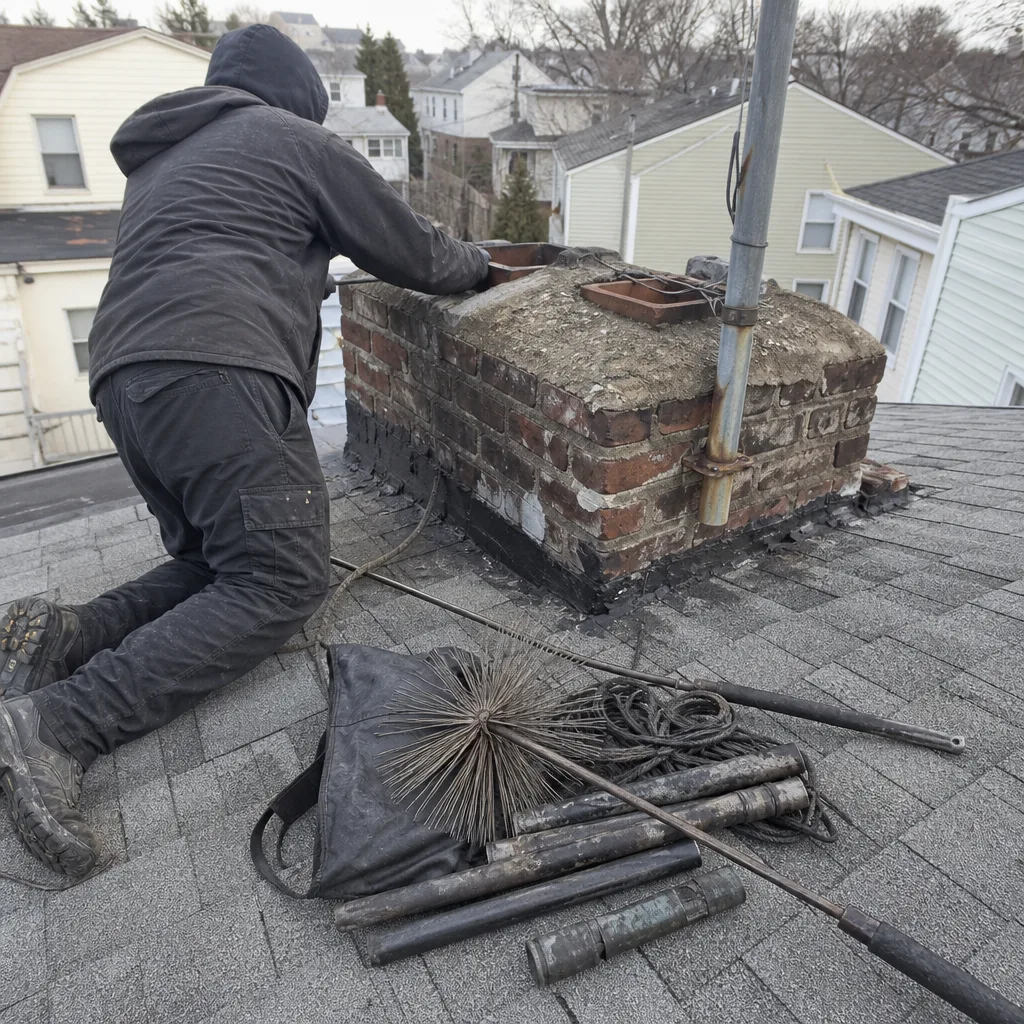 Before
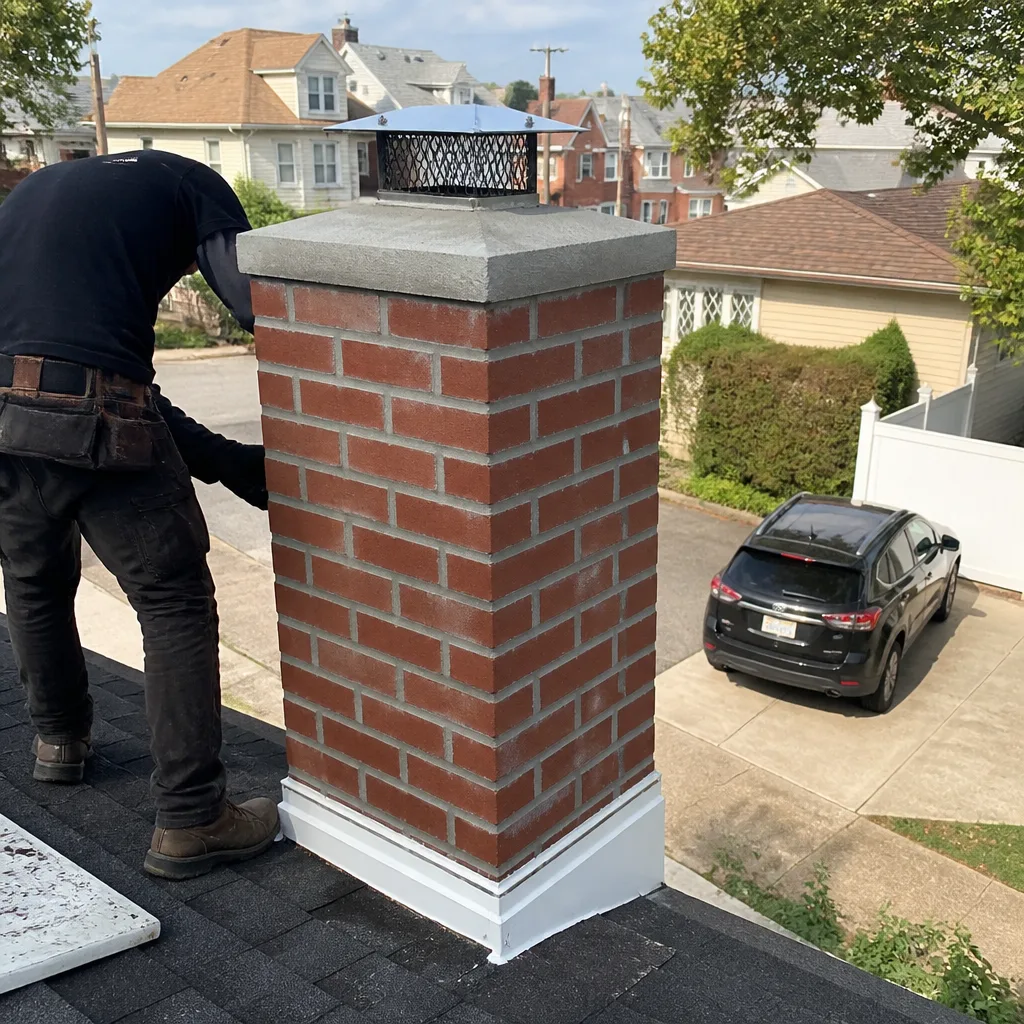 After
After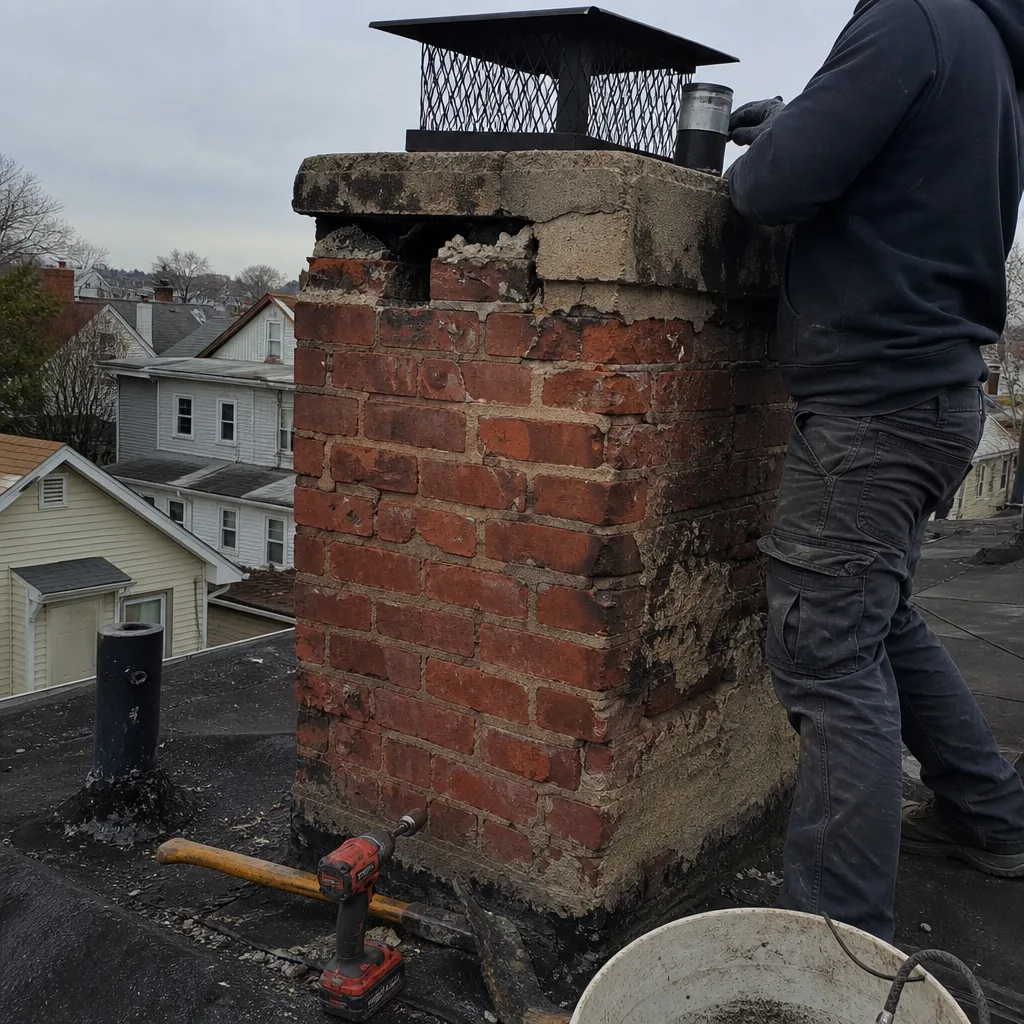 Before
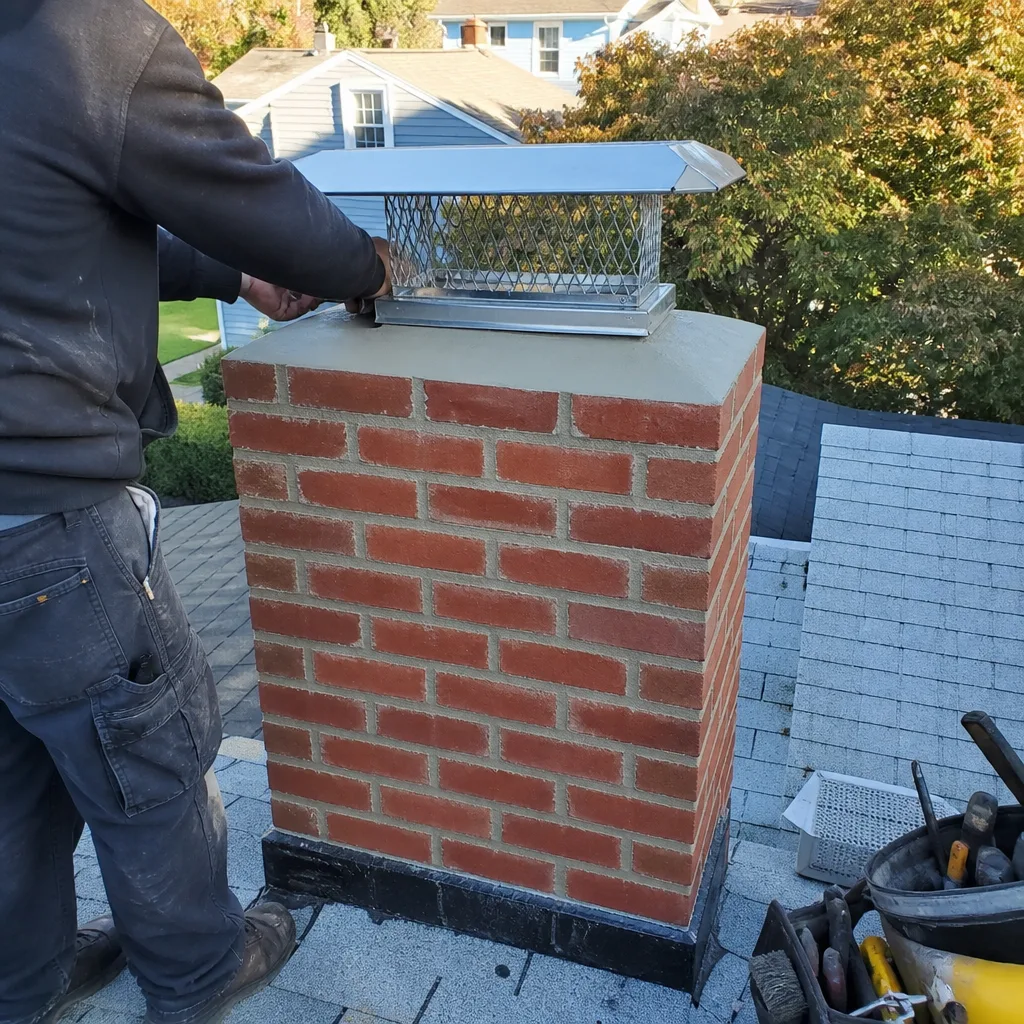 After
After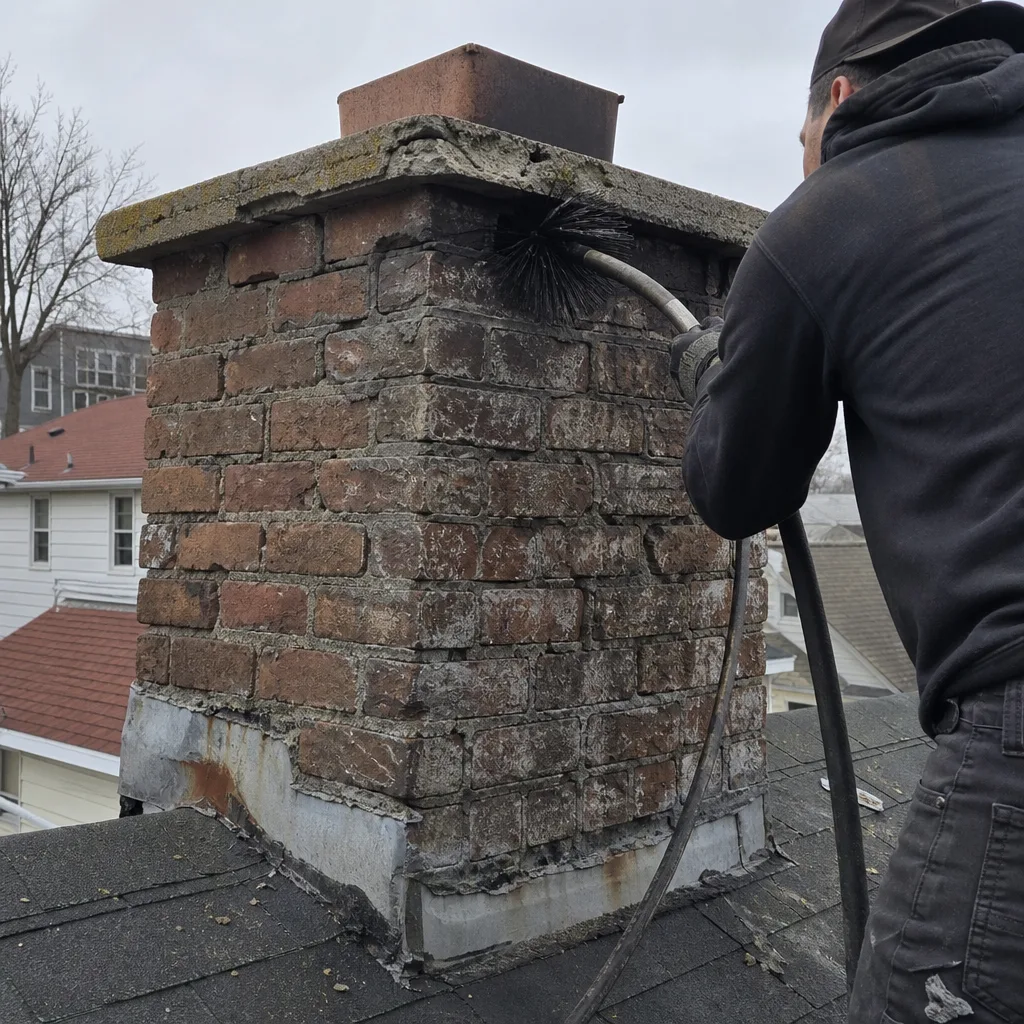 Before
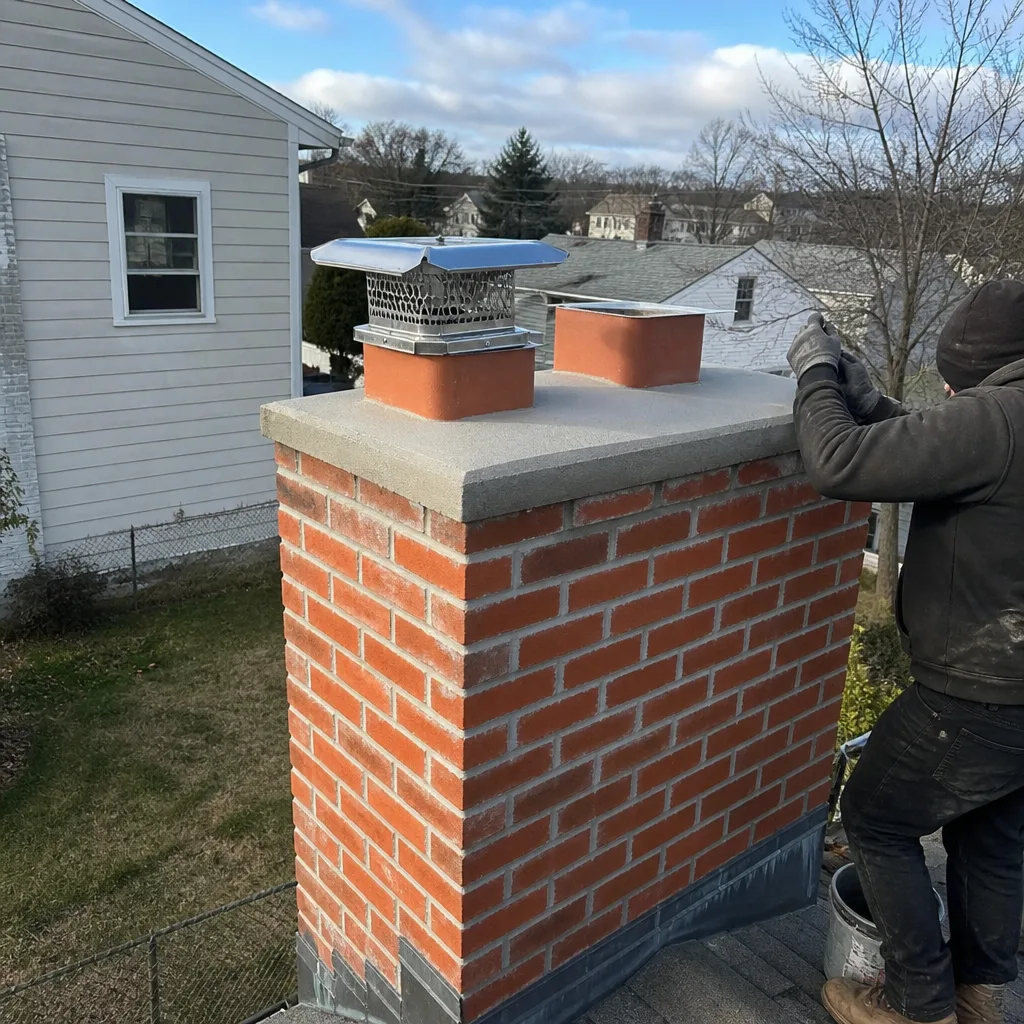 After
AfterThe Complete Guide to Chimney Cleaning in Brooklyn
Most chimney fires in Brooklyn brownstones start in flues that were swept on schedule. They were just swept for the wrong fuel. A clay tile liner that spent sixty years venting coal and heating oil behaves differently when somebody flips a boiler to natural gas and starts burning Duraflame logs for ambience. This guide walks through what actually happens inside a Brooklyn chimney, why the old rules you read on national websites don’t hold up here, and how to know whether you need a cleaning or something more. For more guides & resources, see our blog. We’ll cover inspection levels, rowhouse draft problems, local code enforcement, and what a fair sweep costs in Kings County.
Quick Answer
Chimney cleaning in Brooklyn typically costs $189 to $389 for a standard sweep and Level 1 inspection, with most homes on an annual schedule. A Brooklyn chimney is not like a suburban one: pre-war clay tile flues, oil-to-gas conversions, and shared rowhouse walls create specific problems that change how often you should sweep and what kind of inspection you need. If your flue was last cleaned without checking the liner condition on camera, you may need more than a brush.
Table of Contents
- Why Brooklyn Chimneys Are Different
- What a Chimney Cleaning Actually Does
- The Oil-to-Gas Conversion Problem
- Rowhouse Draft and Shared Walls
- Level 1 vs Level 2 Inspections: What Each One Is For
- Brooklyn Code, the NYFD, and the DOB
- How Much Chimney Cleaning Costs in Brooklyn
- Common Mistakes to Avoid
- When to Call a Professional
- Frequently Asked Questions
- The Bottom Line
Why Brooklyn Chimneys Are Different
Brooklyn’s housing stock is old. Really old in chimney terms. Park Slope brownstones, Bed-Stuy row houses, Bay Ridge semi-attached homes: most of the chimneys in these buildings date from 1900 to 1940. They were built for coal. Then someone converted them to heating oil in the 1950s or 1960s. Then someone converted them to natural gas in the 1990s or 2000s, often without changing the liner.
Each fuel burns differently and leaves different deposits. Coal produced a fine, dry soot that a wire brush removed easily. Heating oil left an acidic, sulfur-heavy residue that sat on the clay tile and ate at it slowly for decades. Natural gas produces water vapor, lots of it. When that warm, wet exhaust hits a cold Brooklyn clay tile flue in February, you get condensation inside the chimney. That moisture soaks into the old tile, and the freeze-thaw cycle of a Brooklyn winter pries cracks open. By the time you call for a cleaning, the tile it’s sticking to may already be failing.
Clay tile liners also don’t expand evenly when they’re heated. A hundred-year-old tile flue that took coal heat for 40 years, then oil, then gas, has been through thousands of heating cycles it wasn’t designed for. We see vertical cracking in Bay Ridge and Bensonhurst flues that ran oil for decades. We see spalling tile fragments in Williamsburg chimneys that were never relined after gas conversion. You can’t brush that away. But you can catch it on a chimney cleaning in Brooklyn when the sweep knows what to look for and puts a camera up there.
One more local factor: Brooklyn’s humidity. A chimney fire is not the only risk. Creosote absorbs moisture from the air. In a damp basement-vented flue or an unused fireplace on a shaded Carroll Gardens block, creosote can sit for two or three seasons, absorbing enough moisture to become acidic. That acid eats mortar joints at the top of the chimney, which lets water into the brick, which causes the exact spalling you see on so many Brooklyn facades. Annual sweeping is also an annual chance to get eyes and a lens on the mortar joints before a $4,000 crown rebuild becomes the only option.
What a Chimney Cleaning Actually Does
A proper chimney cleaning removes the combustible deposits from the interior walls of the flue. For a wood-burning fireplace, that means creosote. For an oil furnace, it means soot and sulfur residue. For a gas appliance, it means the light mineral deposits that build up even when there’s no visible smoke.
Here’s the process, step by step, the way Wendell and his crew do it in Brooklyn:
- Protect the work area. Drop cloths go down from the front door to the fireplace. The hearth gets covered. A HEPA vacuum runs during the work, not just after it.
- Inspect the firebox and damper. Before any brush goes up, the sweep checks the damper throat, the smoke shelf, and the firebox for cracks, rust, or animal nests.
- Run the correct brush for the liner. Clay tile gets a wire brush. Stainless steel liners get a poly brush so the metal isn’t scratched. The brush is sized to the flue dimensions, not “close enough.”
- Sweep from top down when possible. This pushes debris down to the firebox where it’s collected, not up and into the room. On a shared rowhouse chimney, the sweep works from the roof with roof protection and a safety harness.
- Clean the smoke shelf and damper. This is where creosote falls and piles up. If the smoke shelf is caked, the flue above it could be spotless and the fireplace would still smoke.
- Remove debris and do a final camera check. After sweeping, we run a camera up the flue to verify it’s clean and to look for cracks, gaps, or deteriorating mortar that weren’t visible through the soot before.
Your flue doesn’t care how the fire looks. It cares how it breathes. A chimney cleaning is not a cosmetic service. It is the mechanical equivalent of clearing an artery. A flue with a quarter inch of glaze on its walls can’t draft properly, and a fireplace that can’t draft is sending smoke and carbon monoxide back into the living room.
Creosote comes in degrees, and they matter in Brooklyn because our old flues hold more of it in more irregular places. First-degree creosote is a flaky, dusty film. A brush job takes care of it. Second-degree is a sticky, tar-like deposit that forms in flues that run cooler, which describes a lot of gas-converted Brooklyn flues. Third-degree is a hard, shiny glaze. Once you have third-degree glaze, a wire brush may not remove it. It can require a chemical treatment or a professional removal process. First-degree is a brush job. Third-degree is a glaze – catch it early.
How often should you sweep? Once a year, burn or no burn. Chimneys break in the off-season too. Rain gets in through a cracked crown. A squirrel sets up in the cap. A chimney that sits unused for two winters is often in worse shape than one that was burned every weekend. If you burn more than three cords of wood in a season, or you burn soft woods like pine, you may need a mid-season sweep. If your fireplace smokes, smells damp, or the fire is hard to start, don’t wait for the calendar.
The Oil-to-Gas Conversion Problem
Thousands of Brooklyn homes burned heating oil for decades, then switched to natural gas when the utility finally ran lines down the block. The furnace changed. The chimney did not.
Here’s why that matters. An oil furnace produces hot, relatively dry exhaust that moves fast up the flue. A modern high-efficiency gas furnace produces cooler, wetter exhaust that moves slower. The old clay tile flue was sized for oil. For gas, it’s oversized. That oversized flue allows the exhaust to cool too much on its way up, and when gas exhaust cools, the water vapor in it condenses. That condensation is mildly acidic. It sits on the tile, soaks in, and slowly dissolves the mortar from the inside out.
This is why so many Brooklyn chimneys develop a white, chalky residue on the exterior brick near the top. That’s efflorescence, and it’s a telltale sign of moisture inside the masonry. On the inside, the tile may look like someone poured baking soda down it. That white crust is acid damage, and it means the flue is no longer safe for any fuel type until it’s relined.
Now add a wood-burning fireplace to that same chimney. A lot of Brooklyn homes have a furnace flue and a fireplace flue sharing one masonry chimney stack. The gas furnace vents into one flue and the fireplace burns into another. But the tiles are all in the same brick column, and damage migrates. A cracked oil-era tile on the furnace side can allow gas exhaust to leak into the fireplace flue, which is then pulled into the house when you have a fire.
Here is the uncomfortable truth: sweeping alone does not fix an oversized, acid-damaged flue. The brush cleans the surface. It does not reline it. A chimney cleaning in Brooklyn that does not include a camera inspection and a clear answer about your liner condition is giving you half the job. If the flue is undersized for gas or has acid damage, you need a stainless steel liner sized correctly for your current appliance. The good liners made by Olympia Chimney and Copperfield are designed exactly for this conversion. A properly sized liner restores draft, separates the exhaust from the masonry, and gives you a clean, smooth surface that resists buildup.
If you burn wood in a fireplace that has an oil-era clay tile flue, ask the sweep to show you the camera footage. You are looking for cracks running vertically along the tile, gaps between tile sections, and white crust. All three mean the liner is done. Sweeping it again will not make it safe.
Rowhouse Draft and Shared Walls
Brooklyn is a city of attached houses. In Park Slope, Fort Greene, and Bed-Stuy, a rowhouse shares both side walls with the neighbor. In Bay Ridge and Bensonhurst, semi-attached homes share at least one wall and often have chimneys that sit close together or share a common party wall.
Attached construction affects chimney draft in ways suburban homeowners never think about. A chimney drafts because warm air rises and creates a pressure difference between the inside of the house and the outside air. In a detached house, that pressure difference is predictable. In a rowhouse, the building is longer and narrower, and it has less exterior wall surface relative to its interior volume. That changes how air moves through the structure, and it changes how the chimney draws.
Your neighbor’s woodstove can become your problem. If the house next door is venting a woodstove into a flue that sits in the party wall, and that flue’s mortar is failing, smoke and carbon monoxide can migrate into your chimney chase or through gaps in the shared masonry. We have found smoke stains in Brooklyn attics that trace back to the chimney next door, not the one in the same house.
There’s also the stack effect in taller rowhouses. On a four-story brownstone, the chimney runs fifty feet or more from the basement to the roof. That’s a long vertical run, and it creates a strong draft when it’s working. But when the house is tightly sealed with new windows and weather stripping, there’s not enough makeup air coming into the house. The fire burns poorly, the draft stalls, and smoke rolls back into the parlor floor. The fix is not always a taller chimney. Sometimes it’s a fresh air intake for the firebox, or a flue cap sized to the liner.
If you live in an attached Brooklyn house and your fireplace smokes no matter what you burn, mention the rowhouse factor to whoever you call. A sweep who doesn’t know attached construction will blame the damper or the flue height. A sweep who has worked Brooklyn for twenty years will ask about your window replacement schedule and what the house on your left is venting.
Level 1 vs Level 2 Inspections: What Each One Is For
The National Fire Protection Association defines three levels of chimney inspection. Most Brooklyn homeowners have never heard the distinction, and it matters because a standard sweep includes Level 1 by default, while the problems hiding in old Brooklyn flues often need Level 2.
A Level 1 inspection is the basic visual check. The sweep looks at the accessible portions of the chimney: the firebox, the damper, the flue from the top, the exterior brick, the cap. It’s done during a routine cleaning when nothing about the system has changed. If you burn the same fuel in the same fireplace you’ve had for years, Level 1 is appropriate.
A Level 2 inspection is more thorough. It includes everything in Level 1 plus a camera scan of the entire flue interior, an inspection of the attic and crawlspace areas where the chimney passes through the house, and a check for clearances to combustibles inside the chase. Level 2 is required when you’re buying or selling a home, when you change fuel types, when you reline, or when an event has happened: a chimney fire, a lightning strike, an earthquake, or major foundation work on the rowhouse next door.
If you own a Brooklyn home that converted from oil to gas and the liner was never changed, that’s a changed fuel type. You need a Level 2 inspection. If you bought a brownstone and the previous owner said “the chimney was just cleaned,” you don’t know what they burned in it. That’s a Level 2. If the neighbor’s rowhouse fire damaged the party wall, that’s a Level 2.
You can think of it this way: Level 1 tells you the chimney is clean on the surface. Level 2 tells you whether the chimney is sound inside the walls, which in a hundred-year-old Brooklyn house is the only question that matters.
Brooklyn Code, the NYFD, and the DOB
Chimney work in New York City is regulated differently than most of the country. The New York Fire Department has authority over fire prevention and responds to chimney fires. The Department of Buildings has authority over construction, permits, and structural work. When a chimney in Brooklyn needs anything beyond a cleaning, you may be dealing with both agencies.
For a routine cleaning or sweep, no permit is required. The work is considered maintenance. But if the sweep finds a damaged liner, a cracked flue, or deteriorated masonry that requires repair, that work may need a DOB permit, depending on the scope. Crown repair and cap replacement are usually considered minor alterations and may not require a permit. A full liner replacement or a partial rebuild usually does.
The NYFD is the agency that will come to your block if a chimney fire gets reported. They are also the ones who issue summonses for unsafe conditions they observe. A rowhouse with visible smoke stains around the chimney chase or a crown that’s falling apart can draw a complaint from a neighbor, and a complaint brings an inspector. The inspector is not going to care whether you “just had it cleaned.” They care whether the chimney is structurally sound and correctly sized for the fuel being burned.
What this means for who you hire: the person doing your chimney cleaning in Brooklyn should be licensed and insured, and should be able to explain the DOB landscape when the time comes. If a sweep quotes you a repair and can’t tell you whether it needs a permit, keep looking. Ask anyone on your street. The good ones in Brooklyn are known by name, and they’ve been doing this long enough to know both agencies’ field inspectors by their first names.
One more local note: Brooklyn has active rules about what you may burn. The city restricts burning of certain materials in fireplaces and prohibits wood-burning during air quality alerts. A chimney that drafts poorly is more likely to draw a smoke complaint from a neighbor. A properly cleaned and sized flue burns cleaner and makes less visible smoke, which keeps the block quiet and the inspectors away.
How Much Chimney Cleaning Costs in Brooklyn
Pricing in Brooklyn runs a little higher than the national average, mostly because there’s more travel, more roof complication, and more old flues that take longer to clean properly.
- Standard sweep with Level 1 inspection: $189 to $289, depending on the height of the chimney and whether it’s a rowhouse roof or a detached house.
- Sweep with Level 2 camera inspection: $299 to $489. The camera work is the difference. On a hundred-year-old flue, this is the inspection that actually tells you something.
- Chimney cap replacement: $175 to $450 installed, depending on the flue size and whether it’s a standard stainless cap or a custom fit for an odd-sized tile.
- Flue liner replacement: $2,500 to $6,500, depending on the height of the chimney and the liner material. Stainless steel liners from Olympia Chimney or Copperfield are the standard for Brooklyn’s gas-converted flues. Famco makes the caps and terminations we use on most rowhouse rooftops. Gelco components show up in the chase assemblies for taller brownstones.
- Crown repair: $400 to $1,600, depending on how much of the crown is sound. A cracked crown that’s 30% intact can sometimes be repaired. One that’s turned to gravel needs replacing.
Top Hat Chimney has always quoted one price on the phone and stood by it. No trip charge inside our service county. No number that changes when the truck pulls up. If you have a written estimate from another company, bring it in: Wendell will give you a free second opinion, and he’ll tell you plainly if the work they quoted isn’t needed.
Common Mistakes to Avoid
- Skipping the sweep because “we only burn once or twice a year.” A chimney that sits unused is collecting moisture and nesting material, not staying clean. Once a year, burn or no burn.
- Burning pine or scrap lumber to save money. Soft woods produce heavy creosote in a short time. Brooklyn firewood sellers often mix softwood into the cord. Ask what you’re getting, and sweep more often if you burn it.
- Converting from oil to gas and ignoring the flue. This is the single most common dangerous condition we find in Brooklyn chimneys. The furnace changed, the liner didn’t, and now the tile is dissolving from acid condensation.
- Trusting a seller’s “recently cleaned” without proof. A receipt for a sweep is not a Level 2 camera inspection. What you need is footage of the flue interior, taken recently. The camera footage and a plain-English verdict – every time, no exceptions.
- Sealing the house tight and wondering why the fire smokes. New windows and spray foam are great, but they starve a fireplace of combustion air. The chimney didn’t break. The house’s air balance changed.
- Fixing the flue but not the crown. A new liner with a cracked crown is a new liner waiting to rust. The crown sheds water away from the flue. If it doesn’t, nothing else in the chimney stays dry.
When to Call a Professional
Call a professional if you see white crust on the exterior chimney brick, which means moisture and acid damage inside. Call if your fireplace smokes when the fire is well established, or if you smell damp brick or old soot in the house on a humid day. Call if you are buying or selling, because a Level 2 inspection is the only way to know what’s inside the flue. And call if you converted to gas and the liner was never addressed.
A chimney cleaning in Brooklyn is not the place for a homeowner with a rented ladder and a wire brush from the hardware store. The rooflines are steep, the flues are old, and the margin for error on a four-story brownstone is zero. Top Hat Chimney offers free estimates in Brooklyn – call (516) 289-9316 and Wendell or one of his crew will give you a straight answer.
Frequently Asked Questions
A standard chimney cleaning in Brooklyn runs $189 to $289 for a single flue with a Level 1 inspection. Adding a Level 2 camera inspection brings it to $299 to $489. Rowhouse chimneys may cost slightly more for roof access. Call (516) 289-9316 for an exact quote – estimates are free.
Maybe not. The only way to know is a camera scan of the flue interior, and we will show you the footage before recommending anything. If the tile has vertical cracks, gaps, or white acid crust, the liner cannot be saved by sweeping, and a stainless steel liner is the correct fix. If the camera shows solid tile with light depositing, a sweep is all you need, and Wendell will tell you that directly.
Once a year for any chimney that gets used at all, and once a year even for chimneys that don’t. Brooklyn’s humidity and freeze-thaw cycles cause more off-season damage than fire does. Heavy wood burners may need a mid-season sweep around January.
You risk a chimney fire, carbon monoxide backup, or structural damage that costs thousands instead of a few hundred. A flue that’s a quarter inch thick with glaze can ignite and burn hot enough to crack the tile, and then you’re replacing the liner, not just sweeping it. In a Brooklyn rowhouse, a chimney fire can spread through the party wall, which becomes a problem for the whole block, not just you.
Yes, but for different reasons. Gas produces water vapor and mineral deposits that can corrode the liner and block the flue. It also leaves the chimney cool, which invites condensation and animals. Metal gas flues should be checked annually even if they rarely need heavy cleaning.
Not for a routine cleaning or sweep. Repairs like crown work and cap replacement are usually non-structural and do not require a DOB permit. A liner replacement or partial rebuild often does. Any licensed Brooklyn chimney company should be able to tell you up front whether the work requires a permit and will handle it if it does. Call (516) 289-9316 for a free estimate and a plain answer.
The Bottom Line
A Brooklyn chimney is an old, hard-working system that has been through at least two fuel conversions and a hundred winters of freeze-thaw punishment. Sweeping it once a year is the baseline, not the complete answer. The complete answer is knowing what kind of liner you have, what condition it’s in, and whether it matches the fuel you’re currently burning. That takes a camera, a licensed local sweep who knows the housing stock, and an honest conversation about what can wait and what can’t. Top Hat Chimney has been doing that in Brooklyn since 1999, with upfront pricing and a 90-day promise in writing on every job.
If you live in Brooklyn and haven’t had your chimney inspected with a camera in the last year, call (516) 289-9316. Wendell or one of his crew will answer, set a real arrival window, and give you the number before a single tool comes off the truck.
Written by Wendell Pike, Owner at Top Hat Chimney, serving Brooklyn since 1999.