
Last updated September 10, 2026
Level 1 sweep and inspection to the NFPA 211 annual standard - flue, crown, cap, and flashing checked and photographed
Chimney sweep logs do not sweep chimneys. They loosen some creosote - which then falls where a brush and vacuum still have to collect it.
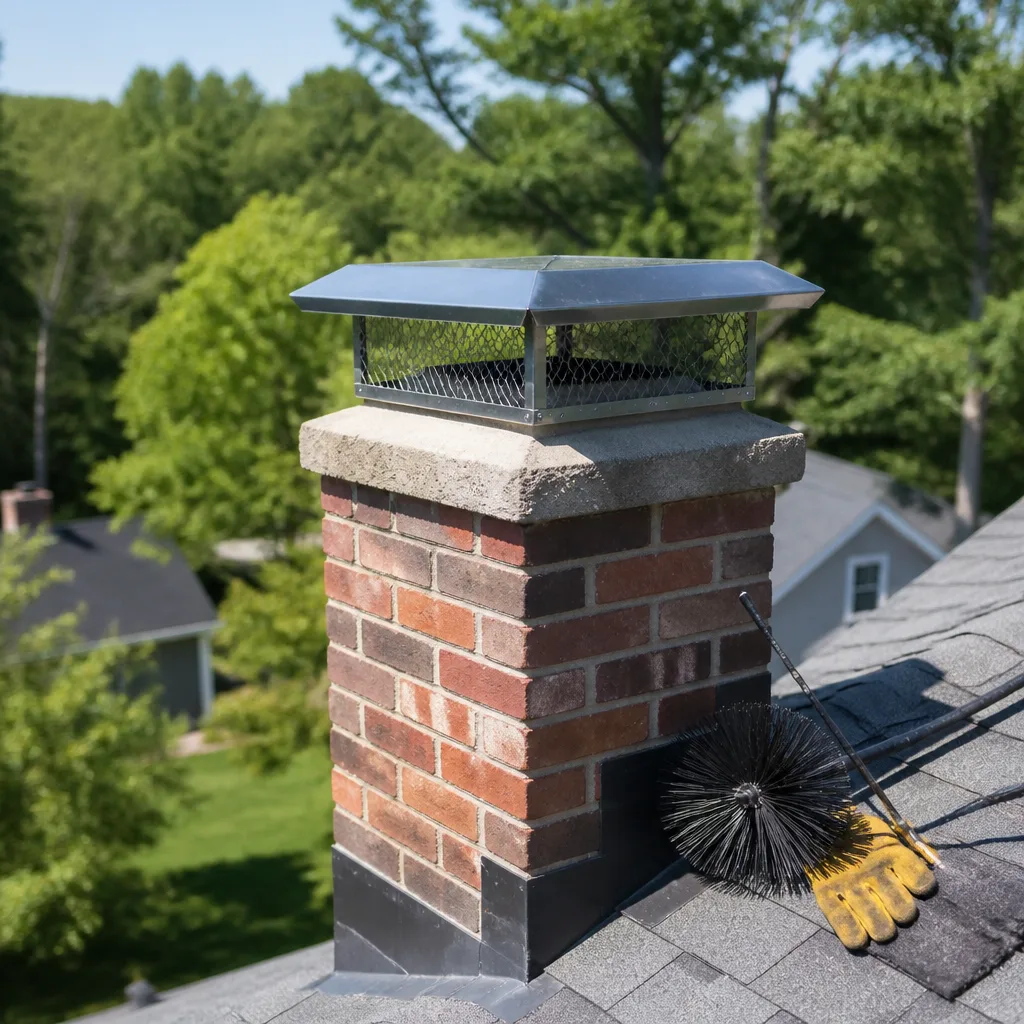
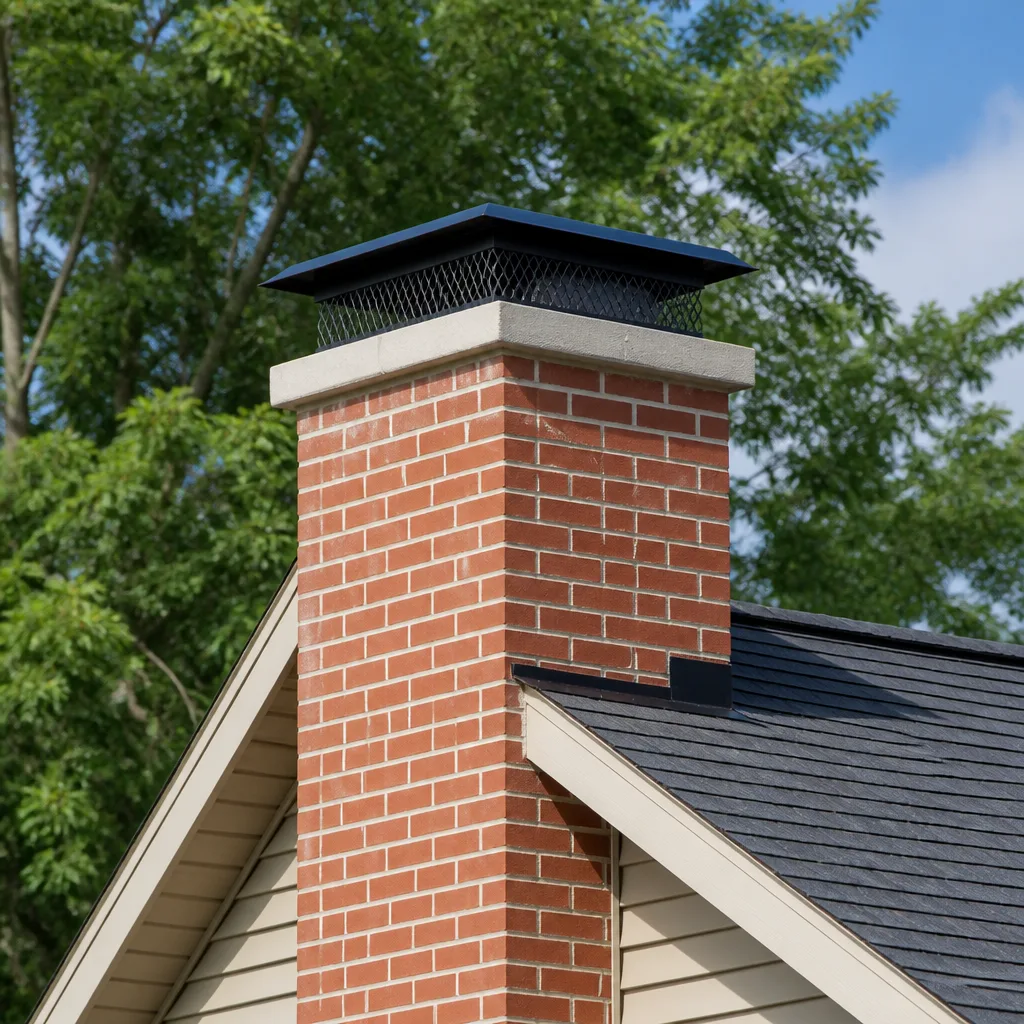
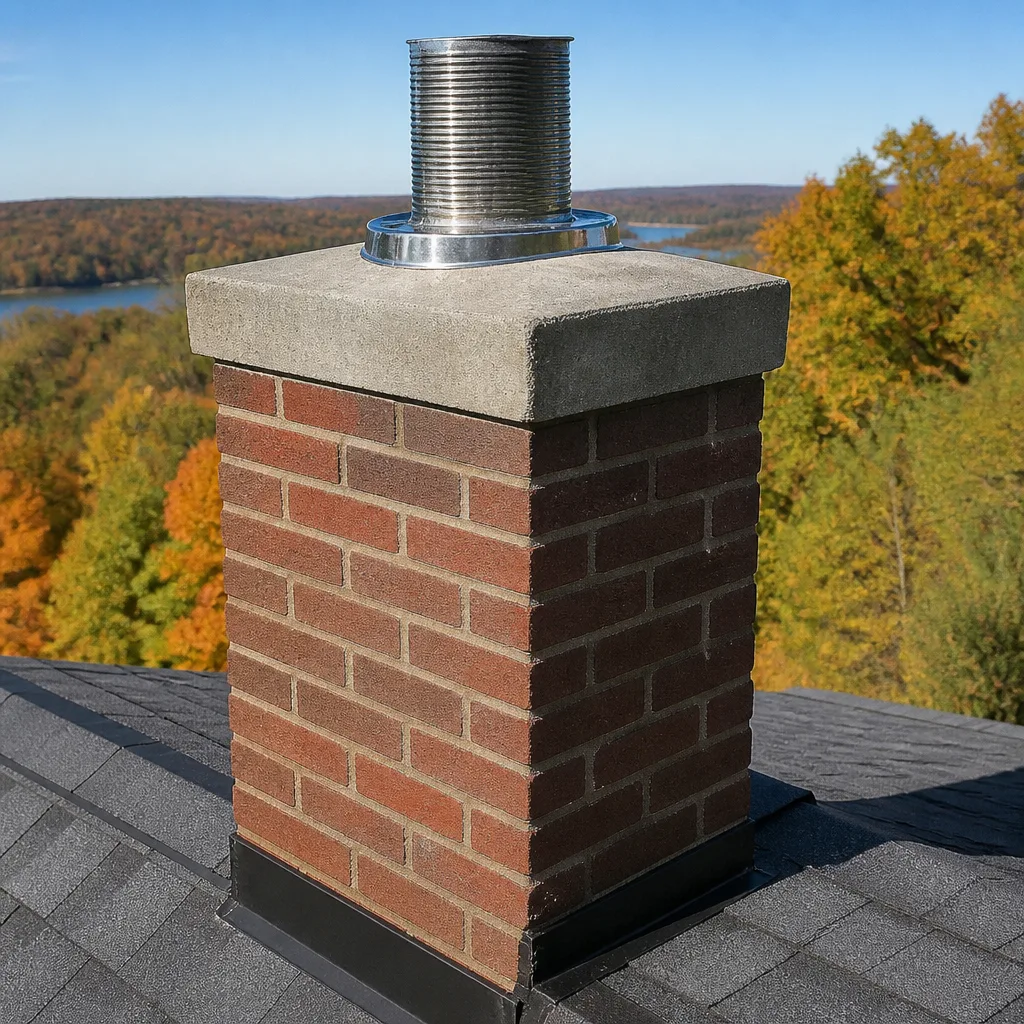
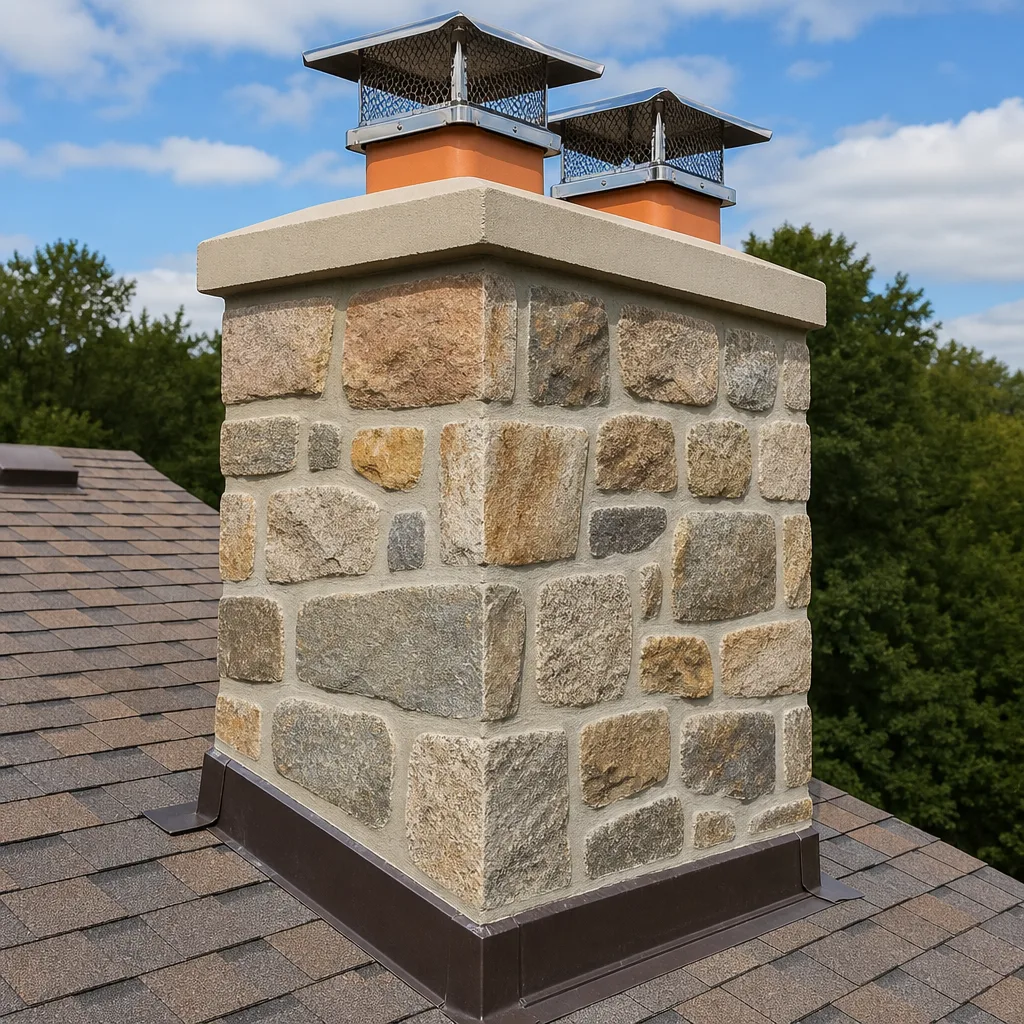
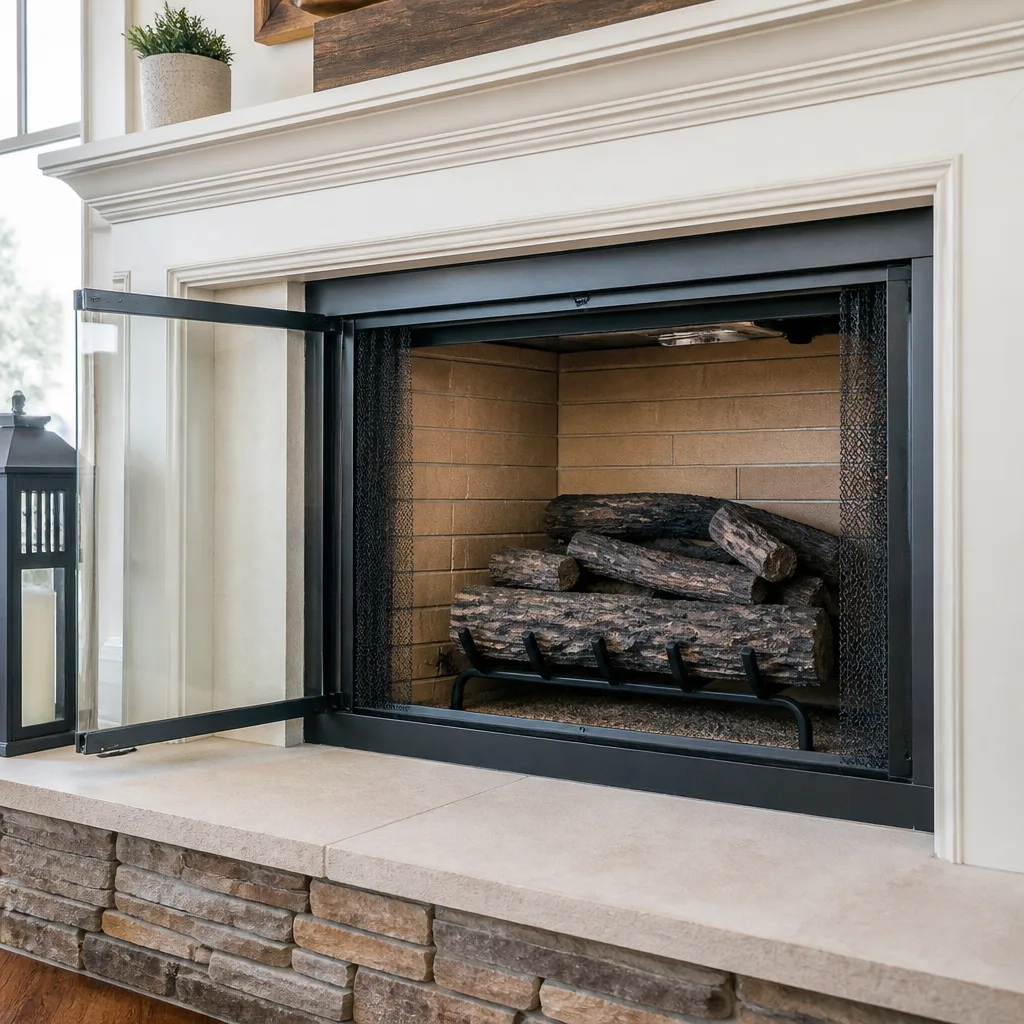
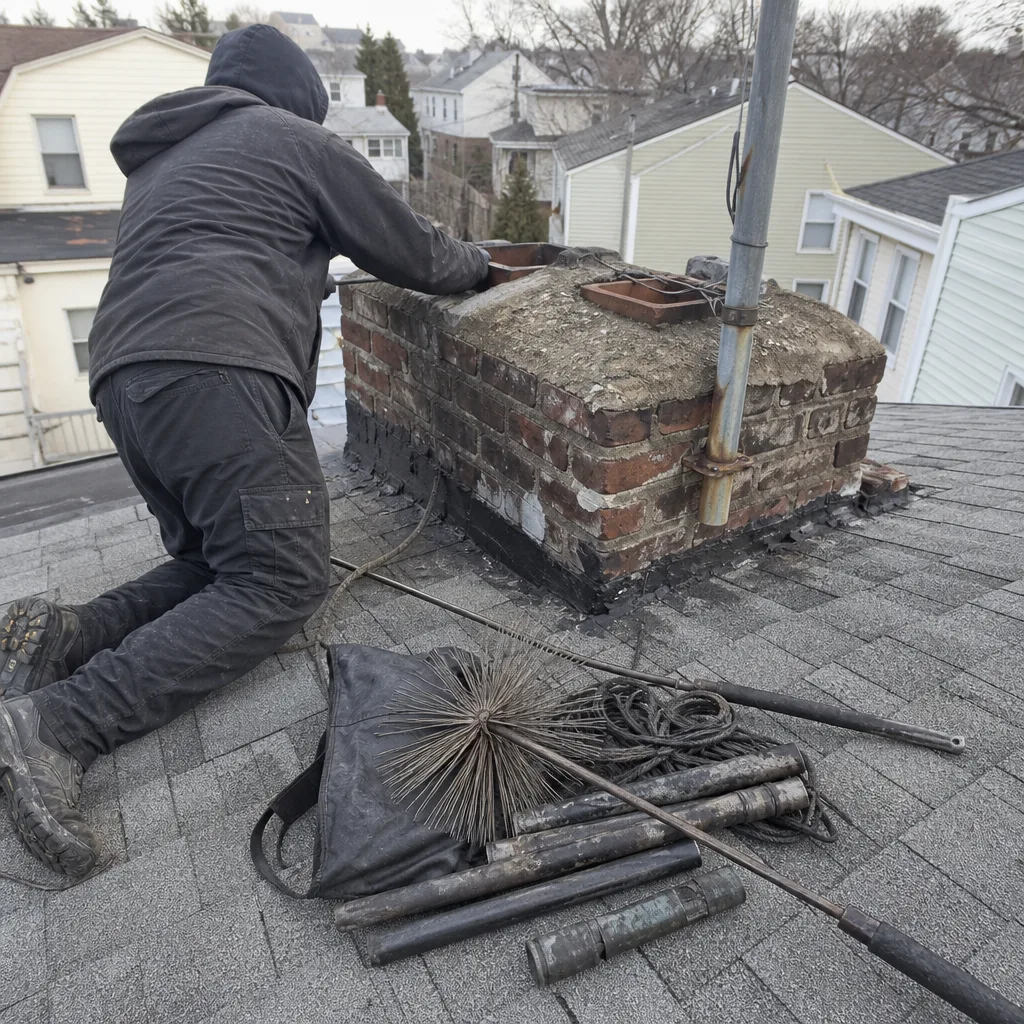 Before
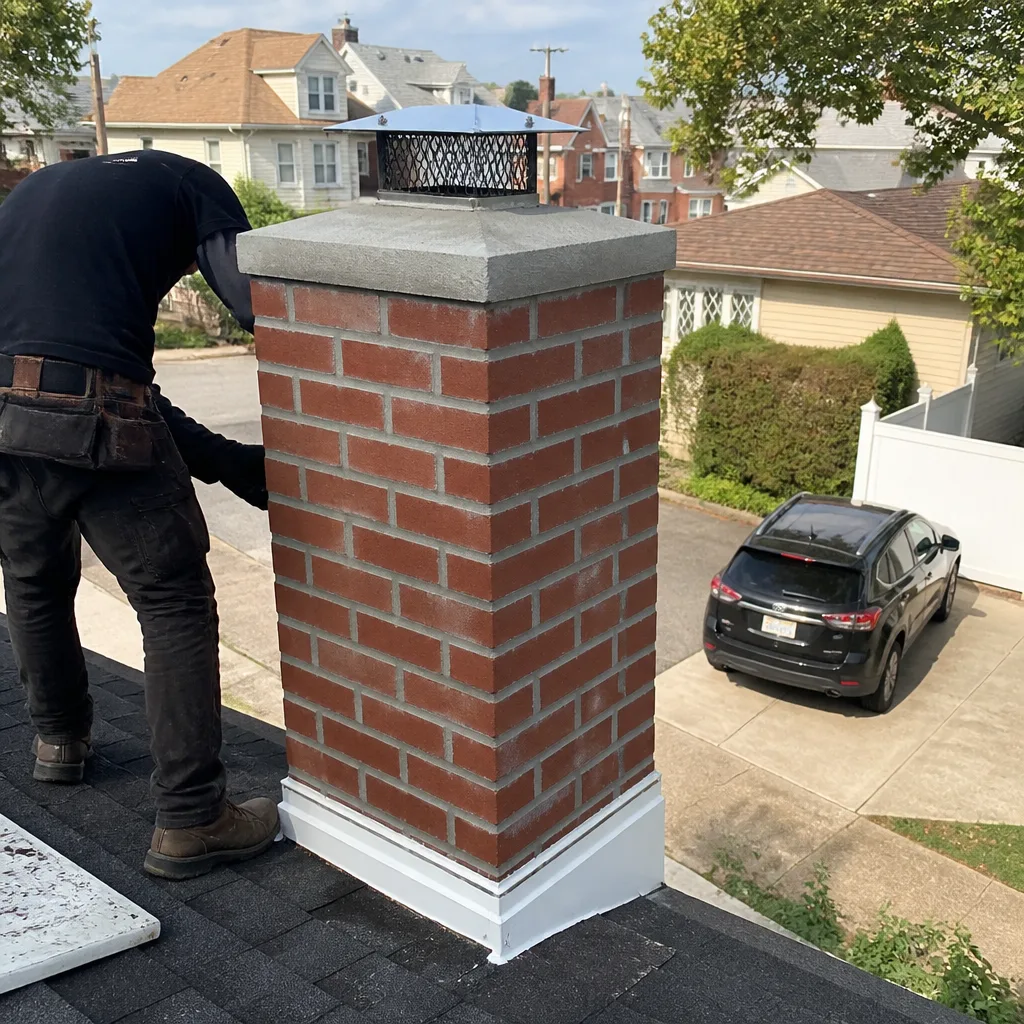 After
After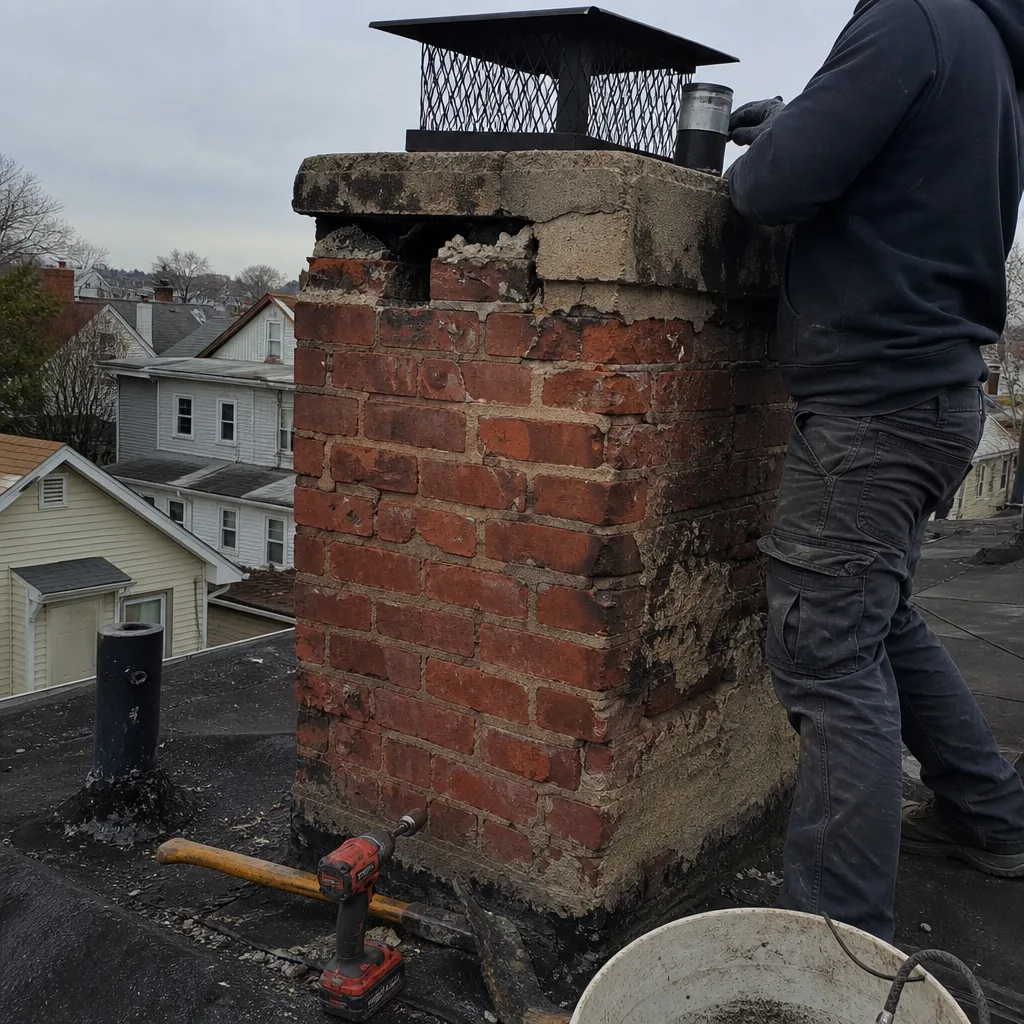 Before
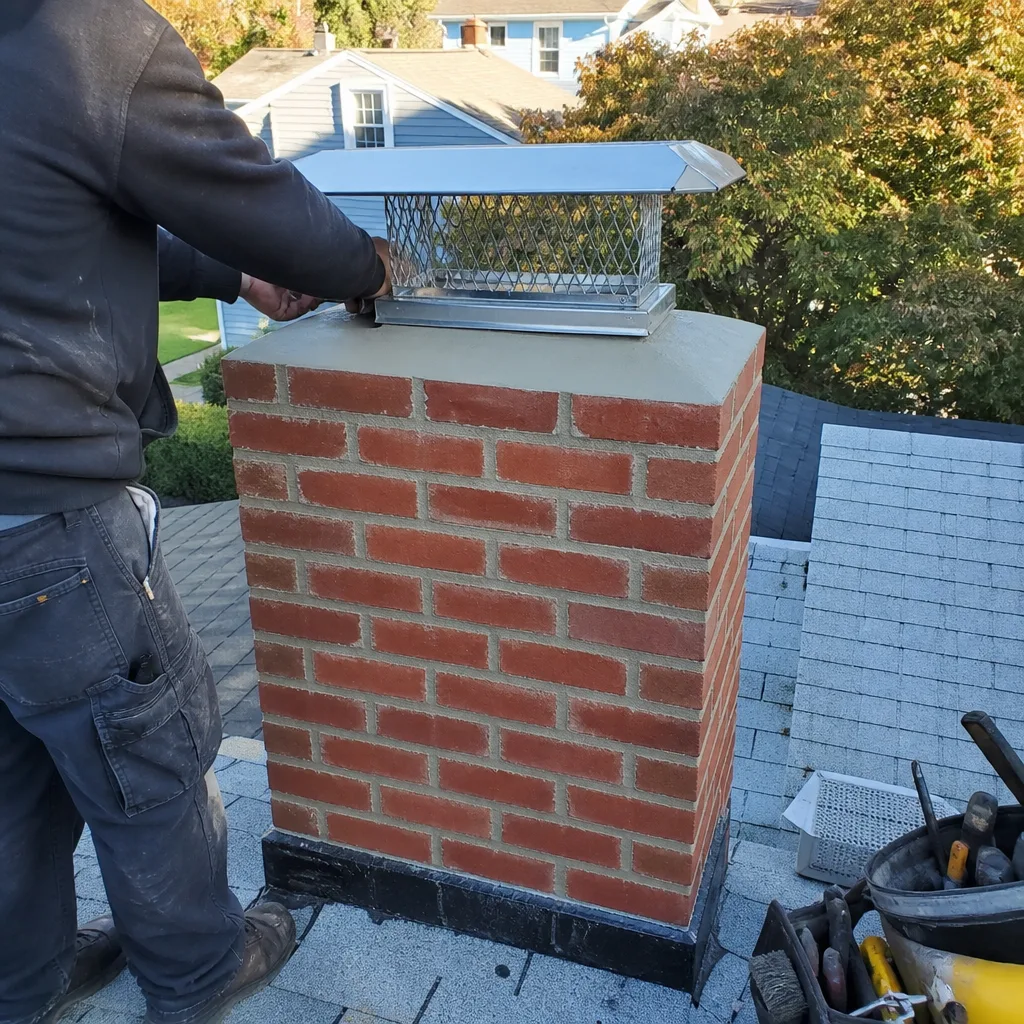 After
After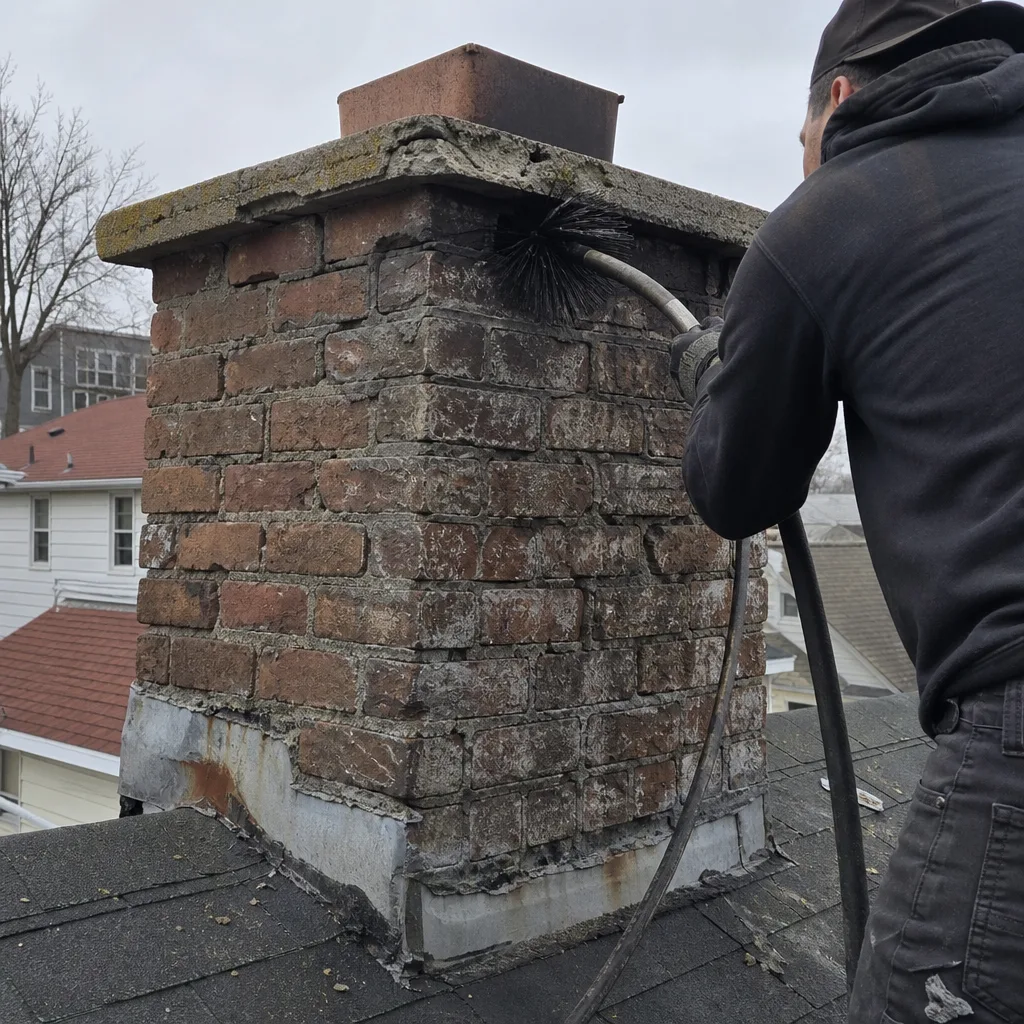 Before
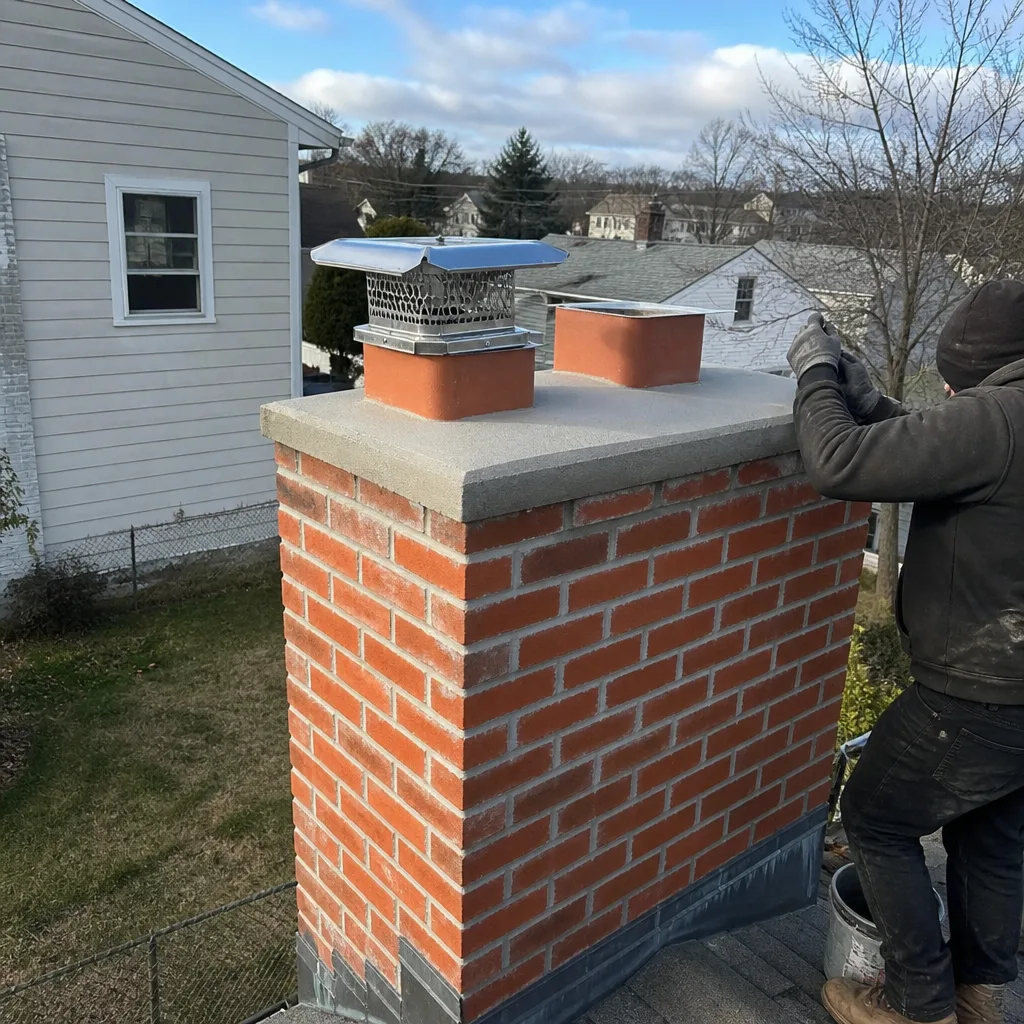 After
AfterHow to Hire a Chimney Cleaning Contractor in Brooklyn: A Step-by-Step Guide
A phone quote of $49 for a chimney sweep in Brooklyn is not a deal. It is the opening line of a script that ends with a $1,200 estimate for repairs you may not need. The chimney industry in New York has no licensing requirement at the state level, which means the barrier to putting a van on the road and calling yourself a sweep is basically zero. This guide will show you exactly how to separate the professional from the pretender before someone is standing in your living room, clipboard in hand, finding problems that somehow never existed before. You’ll learn which credentials actually matter in Brooklyn, what questions to ask on the phone, how to verify what you’re told, and what a written guarantee should look like when it actually protects you.
Quick Answer
To hire a chimney cleaning contractor in Brooklyn, verify three things before anyone steps foot in your home: CSIA certification from the Chimney Safety Institute of America, a valid NYC Home Improvement Contractor license number you can check yourself, and proof of liability insurance in the contractor’s name. Then require a written scope of work with a fixed price before the job starts, and confirm the guarantee terms in writing. Skip anyone who refuses to provide these, gives you a too-good-to-be-true quote over the phone, or pressures you to decide on the spot.
Table of Contents
- Why Hiring in Brooklyn Is Different
- Step 1: Verify Credentials Before You Even Call
- Step 2: The Phone Questions That Separate Pros From Pretenders
- Step 3: Recognizing the Bait-and-Switch Before It Happens
- Step 4: Why a Written Scope of Work Matters More Than a Verbal Estimate
- Step 5: What a Legitimate Guarantee Looks Like
- Step 6: What Should Happen During and After the Sweep
- What Chimney Cleaning Should Reasonably Cost in Brooklyn
Why Hiring in Brooklyn Is Different
Brooklyn has more than its share of old housing stock, and old housing stock means old chimneys. Brownstones in Park Slope, row houses in Bay Ridge, and prewar co-ops in Brooklyn Heights all have masonry and flue systems that have been through decades of heating seasons. Add to that the salt air from the harbor and the freeze-thaw cycles that work on brick and mortar every winter, and you have a recipe for chimneys that need attention more often than their suburban counterparts. A chimney on a Victorian in Ditmas Park faces different stress than one on a new build in Mill Basin.
But here’s the part most homeowners don’t know: New York State does not license chimney sweeps. Not at all. Anyone with a ladder, a brush, and a business card can call themselves a chimney cleaning company in Brooklyn. The only real gatekeeping is the New York City Department of Consumer and Worker Protection, which issues Home Improvement Contractor licenses. That license proves the person is registered with the city and has met basic requirements, but it does not prove they know anything about chimneys specifically.
What this means for you is simple: the burden of verification falls entirely on the homeowner. No city agency is going to protect you from a bad sweep. Your only real defenses are the credentials you check yourself, the questions you ask before booking, and the documents you demand before work begins. We’ve been cleaning chimneys in Brooklyn since 1999, and we’ve seen every trick in the book. We’ve also seen what good work looks like. The difference is almost always in the details this guide covers.
For a deeper look at what a proper sweeping involves, see our page on Chimney Cleaning & Sweep in Brooklyn.
Step 1: Verify Credentials Before You Even Call
You can eliminate most bad actors before a single phone conversation. Here are the three credentials you should ask for in New York City, and exactly how to verify each one in under five minutes.
CSIA Certification
The Chimney Safety Institute of America (CSIA) is the national standard for chimney professionals. A CSIA-certified sweep has passed a written exam covering fire codes, clearances, flue sizing, and inspection standards, and must recertify every three years. They also agree to a code of ethics.
How to verify: Go to the CSIA website’s “Find a Pro” directory and search by company name or the individual’s name. If the company claims certification but does not appear, that’s your first red flag. Ask for the certification number and check it directly. It takes two minutes.
NYC Home Improvement Contractor License
New York City requires anyone doing home improvement work to hold a license from the Department of Consumer and Worker Protection. This includes chimney cleaning and repair. The license number should appear on the contractor’s advertising, vehicle, and written estimates. It should start with the letters “HIC” followed by six digits.
How to verify: Visit the NYC Department of Consumer and Worker Protection website and search their license database. Enter the license number. The database will show the business name, the license status, and the expiration date. If the name on the license does not match the name on the van or the invoice, walk away. That mismatch is a classic sign of a subcontractor working under someone else’s number, and it means you have no real protection if something goes wrong.
Proof of Liability Insurance
A legitimate chimney company carries general liability insurance that covers property damage and injuries. The policy should be in the company’s name, not a personal name that doesn’t match the business you called.
How to verify: Ask for a certificate of insurance. The document should list the company’s name and the coverage amount. A reasonable policy for chimney work in Brooklyn will carry at least $500,000 in general liability coverage, and many carry $1 million or more. Then call the insurance company or check the policy number online. If the company hesitates, deflects, or says they’ll “get it to you later,” that conversation is over.
We’re happy to share our credentials with anyone who asks. Wendell puts his name and license number on every job, and our insurance certificates are available before you book. No mystery, no delay. That’s how it should work.
Step 2: The Phone Questions That Separate Pros From Pretenders
Before you let anyone into your house, have a phone conversation. A good chimney company will answer your questions directly and without hedging. Here’s what to ask, and what the answers tell you.
Question 1: “Who exactly will be coming to my house?”
Acceptable answer: “Our owner Wendell Pike leads the crew. The techs are background-checked and wear uniforms. You’ll get a real arrival window, and if anything changes, we’ll call.”
Red flag: “One of our technicians will be there sometime between 8 and 4.” No name, no arrival window, no accountability. The person at your door should be someone whose name you know before they arrive.
Question 2: “Are you CSIA certified?”
Acceptable answer: “Yes, here’s our certification number, and you can verify it on the CSIA website.”
Red flag: “We’re certified in everything.” Or “We’ve been doing this for years, we know what we’re doing.” Neither of those answers the question.
Question 3: “What’s included in the sweep?”
Acceptable answer: A specific list: “The sweep includes a full flue brushing, a Level 1 inspection of the firebox, damper, and exterior chimney, and a written report with photos.”
Red flag: “We’ll clean it good.” Or “A basic sweep, and we’ll let you know if anything else needs done.” Vague answers are the setup for an upsell later.
Question 4: “Can you give me a price over the phone?”
Acceptable answer: “Yes, here’s our flat price for a standard sweep, and here’s what could change it: unusual flue height, heavy creosote buildup, or accessibility issues. We’ll confirm the price in writing before we start.”
Red flag: “We can’t give a price until we see it.” That’s not always a lie, but when it’s paired with a $49 advertised special, it’s a textbook setup. The low advertised price is a foot in the door; the “can’t quote until we see it” is the door opening.
Question 5: “What’s your guarantee?”
Acceptable answer: “If the work isn’t right, we come back and make it right at no charge. It’s in writing on every job.”
Red flag: “We guarantee you’ll be satisfied.” That’s not a guarantee, that’s a feeling. A real guarantee has specific terms, a time frame, and is written down.
Step 3: Recognizing the Bait-and-Switch Before It Happens
The bait-and-switch in the chimney industry follows a predictable script. Once you know the pattern, you can spot it in the first act and walk away before act three. Here’s how it works, step by step.
- The bait: You see an ad, a flyer, or an online listing for a $49 or $79 chimney sweep. The price is printed big. It feels like a bargain.
- The booking: You call, and the person on the phone is friendly, books you quickly, and may not answer detailed questions about what’s included. The goal is to get someone to your door fast.
- The arrival: The tech shows up, walks around your home, looks at the fireplace, and starts shaking his head. He asks if you’ve smelled anything funny lately. He says he’s “concerned.”
- The upsell: He tells you the chimney has a cracked flue liner, or a failing crown, or dangerous creosote glaze. The fix will cost $1,200. Or $2,500. But he can do it today, right now, and he might knock $100 off if you sign before he leaves.
- The pressure: “This is a safety issue. You shouldn’t burn another fire until this is fixed.” The message is clear: you’re putting your family at risk by hesitating.
Here’s the problem: Some of those findings are legitimate. Cracked liners and heavy creosote glaze are real conditions that do require repair. But the bait-and-switch artist is not actually inspecting anything. He’s reading a script. The $49 sweep was never the product; it was the price of admission to the sales pitch.
How does a legitimate company handle the same situation? We do the sweep, run a camera up the flue, and then sit down with you to look at the footage together. If there’s a problem, you see it with your own eyes. We give you a written scope of work with a firm price. And we tell you plainly when something can wait. There’s never a “must sign today” moment. A professional doesn’t need pressure tactics because the work speaks for itself. You can read more about how we approach repairs on our Chimney Repair in Brooklyn page.
Step 4: Why a Written Scope of Work Matters More Than a Verbal Estimate
A verbal estimate is worth the paper it’s printed on, which is to say: nothing. In Brooklyn, where home improvement disputes are common enough to keep the Department of Consumer and Worker Protection busy year-round, a written scope of work is your single strongest piece of protection as a homeowner.
A scope of work is not the same as an estimate. An estimate says “sweep the chimney, $250.” A scope of work says this:
- The exact work to be performed: “Full flue brushing using polypropylene or steel brushes sized to the flue; Level 1 visual inspection of firebox, damper, smoke shelf, and accessible exterior chimney; creosote removal from accessible surfaces; debris removal and disposal.”
- The exact price: The number written down is the number on the invoice, including any trip charge, disposal fee, or equipment fee. No surprises.
- The materials and brands to be used: If repairs are needed, the scope should name the products. We work with brands like DuraFlex for liner systems and HeatShield for resurfacing. You should know what’s going into your chimney before it goes in.
- The timeline: When the work starts, how long it takes, and what happens if the schedule shifts.
- The guarantee terms: What’s covered, for how long, and what happens if the work is not right.
If a contractor balks at putting these details in writing, that’s not a scheduling issue. That’s a choice. A contractor who refuses to commit to a written scope is either disorganized or planning to change the terms later. Neither is someone you want on your roof.
Step 5: What a Legitimate Guarantee Looks Like
Every contractor claims to stand behind their work. Almost none of them put it in writing with terms that actually protect you. Here’s how to tell the difference between a real guarantee and boilerplate language designed to shield the contractor.
What to Look For
- A specific time frame: “90 days” is specific. “For as long as you own your home” is specific. “Reasonable time” is not. We offer a 90-Day Done Right Promise on every job: if the work isn’t right, one call brings Wendell back at no additional cost. It’s stamped on every invoice.
- Coverage for the work performed: A guarantee should cover the sweep and any repairs, not just “customer satisfaction.” If the liner we installed fails because of our workmanship, the guarantee covers it. If the flue we swept develops a new problem unrelated to our work, that’s a different conversation, and an honest contractor will tell you the difference.
- A clear remedy: “We’ll come back and fix it” is a clear remedy. “We’ll work with you to resolve the issue” is not. A legitimate guarantee states what happens, who does it, and who pays. One call. We come back. No cost. That’s the whole promise.
What to Avoid
- Guarantees with hidden exclusions: “Workmanship guaranteed except for normal wear and tear, acts of God, existing conditions, or any repair not performed by us.” Anything that excludes the very work they did is not a guarantee; it’s a disclaimer.
- Guarantees that expire on unspoken terms: “Lifetime warranty” sounds great until you read the fine print and find out the “lifetime” refers to the lifetime of the product, and the product’s lifetime is defined as “until it fails.” A real guarantee has a number attached to it.
- Guarantees that require additional purchases to remain valid: “Your warranty is valid only if you schedule an annual maintenance plan with us.” A guarantee tied to a subscription is a sales program, not a promise.
The 90-Day Done Right Promise is exactly what it sounds like. Ninety days, in writing, on every job. If we didn’t do it right, we make it right. Wendell’s name is on the work, and he runs into you on Saturday. That’s the real enforcement mechanism: accountability to a community he’s been part of for over 29 years.
Step 6: What Should Happen During and After the Sweep
You’ve done your homework, asked the right questions, and hired a professional. Now what should you expect when the work happens? Here’s the sequence of a proper chimney sweep in Brooklyn, and what to look for at each stage.
Before Work Begins
- The arrival: The sweep shows up within the arrival window you were given. If the schedule slips, they call. Silence and lateness are signs of a company that doesn’t value your time.
- The setup: The sweep lays down drop cloths around the fireplace, covers nearby furniture where needed, and uses a HEPA-filtered vacuum to control dust. If they walk in with no protection and a shop vac from 2007, lower your expectations.
- The pre-work walkthrough: The sweep reviews the scope of work with you before anything starts, confirms the price, and answers any questions. This is the moment the plan becomes real. There should be no ambiguity.
During the Sweep
- The brushing: The sweep runs brushes sized to your flue from top and bottom, removing creosote and soot. You’ll hear it. That’s normal.
- The inspection: After the brushing, the sweep performs a Level 1 inspection: firebox, damper, smoke shelf, flue, and accessible exterior. In Brooklyn, this should include a visual check of the crown and cap from the roof or with binoculars from the ground.
- The camera run: Any professional sweep in 2026 uses a chimney camera. This is non-negotiable. The camera sees what the eye can’t: hairline cracks in a clay liner, separated flue sections, hidden creosote glaze. We run the camera on every single job, and you get to see the footage. No exceptions.
After the Sweep
- The report: You receive a written report with findings, photos, and recommendations. If something needs attention, the report says what it is, how urgent it is, and what it will cost to fix. If nothing needs attention, the report says that too.
- The cleanup: The work area is restored to the condition it was in before the sweep arrived. Drop cloths are removed, tools are packed, and no ash or soot is left behind.
- The guarantee: You receive the written guarantee. Ours is the 90-Day Done Right Promise. It’s not a verbal assurance; it’s on paper.
If any of these steps is missing, ask why. A professional chimney sweep follows the same sequence every time because it works. For more on what our sweeping service includes, see Chimney Cleaning & Sweep in Brooklyn.
What Chimney Cleaning Should Reasonably Cost in Brooklyn
In Brooklyn in 2026, a standard chimney sweep for a single-flue fireplace runs between $200 and $350. That’s before any repairs. Here’s a breakdown of what you’re paying for and what should give you pause.
| Service | Typical Brooklyn Price Range | What It Includes |
|---|---|---|
| Standard chimney sweep (single flue) | $200 - $300 | Flue brushing, Level 1 inspection, written report |
| Sweep with camera inspection | $250 - $350 | Standard sweep plus video flue footage and documentation |
| Dryer vent cleaning (add-on) | $75 - $150 | Vent line brushing, lint removal, airflow check |
| Chimney cap replacement | $200 - $500 | Cap removal, new stainless cap, installation |
| Crown repair (small cracks) | $350 - $700 | Crack sealing, water repellent application |
| Flue liner installation (stainless steel) | $2,500 - $6,000 | Liner sizing, installation, insulation, connection |
A note on the $49 sweep: Nobody in Brooklyn is doing a legitimate chimney sweep for $49. The math doesn’t work. The truck, the insurance, the equipment, the time: a real sweep costs a real company real money. A $49 price means the sweep is not the product. The pitch is the product. You’re not buying a cleaning; you’re buying an audience with a salesman.
We give you a flat price before a single tool comes off the truck. The number we quote on the phone is the number on the invoice. If we find something during the sweep that needs attention, we show you the camera footage and give you a separate written quote. You decide. There’s no pressure, and there’s no obligation. We’ve been doing it this way since 1999, and it’s why we still have customers who first called us when Clinton was president.
For a full list of what we do and why we do it this way, start at the Top Hat Chimney home page or explore our Fireplace Services in Brooklyn.
Common Mistakes to Avoid
- Hiring based on a coupon or flyer without checking credentials. The $49 sweep is the bait. Before you call, check the company’s CSIA certification and NYC HIC license. If either is missing, the coupon is not worth the paper it’s printed on.
- Accepting a verbal estimate without a written scope of work. In Brooklyn, where housing stock is old and surprises are common, a verbal estimate is an invitation for the invoice to grow. Get it all in writing before the job starts.
- Letting pressure create urgency. “Your chimney is unsafe, you need to fix it today” is a sales tactic unless it’s backed by camera evidence you can see with your own eyes. A professional doesn’t need to rush you.
- Skipping the insurance check. If the contractor doesn’t carry liability insurance and someone falls off your roof or drops a brush through your skylight, you’re on the hook. Ask for the certificate and verify it.
- Not asking who’s coming to the door. A company with a good reputation but a rotating cast of subcontractors is not the same as an owner-operator who puts his name on the work. Ask for a name, and hold them to it.
- Falling for a “lifetime warranty” without reading the terms. If the guarantee has more exclusions than coverage, it’s a marketing slogan, not a protection. A real guarantee has a number, a time frame, and a clear remedy.
- Ignoring a chimney simply because you didn’t use it. Chimneys break in the off-season too. Water intrusion, animal nests, and masonry deterioration don’t care whether you lit a fire last winter. A yearly checkup is cheaper than a rebuild.
When to Call a Professional
You should call a chimney professional in Brooklyn if you notice any of these signs: smoke backing up into the room when you light a fire, a strong campfire-like smell in the house even when the fireplace is not in use, visible black or shiny tar-like buildup inside the flue, water stains on the ceiling or walls near the chimney, or crumbling brick or mortar on the exterior chimney. These are specific, observable conditions that mean something needs attention. The camera footage tells the story every time, and you deserve to see it before you spend a dime on repairs. Top Hat Chimney offers free estimates in Brooklyn, and Wendell and his crew will walk you through exactly what’s going on in your flue, with the footage to prove it. Call (516) 289-9316 and we’ll set it up.
Frequently Asked Questions
A legit chimney sweep in Brooklyn has three things you can verify yourself in under five minutes: CSIA certification with a number that appears in the CSIA directory, a valid NYC Home Improvement Contractor license that matches the business name, and a certificate of liability insurance in the company’s name. If any of those three is missing or doesn’t match, look elsewhere. Call (516) 289-9316 and we’ll gladly share our credentials before we ever set foot in your home.
Once a year, burn or no burn. Brooklyn’s freeze-thaw cycles and older masonry mean chimneys deteriorate even when not in use, and animal nests and water intrusion cause problems that have nothing to do with how often you light a fire. Annual cleaning catches small issues before they become expensive repairs. First-degree creosote is a brush job; third-degree is a glaze. Catch it early.
A standard chimney sweep in Brooklyn costs between $200 and $300 for a single-flue fireplace, with camera inspection adding $50 to $100. A price under $100 should be treated with suspicion because it almost certainly means the sweep is a loss leader for a high-pressure repair pitch. Call (516) 289-9316 for an exact quote before anyone comes to your door.
Yes, a reputable contractor can give you a flat price for a standard sweep over the phone, and should explain exactly what could change that price: unusual flue height, heavy creosote buildup, or access issues. If the contractor refuses to quote over the phone but advertised a low price in a flyer or online, that’s a red flag. The number you hear on the phone should be the number on the invoice.
The biggest mistake is hiring based on price alone without checking credentials and getting a written scope of work. A $49 sweep with no certification, no license, and no written guarantee almost always ends with a repair estimate in the thousands, delivered under pressure. Verify first, then compare prices. It takes ten minutes and saves you from the most common scam in the industry.
Yes. Chimneys break in the off-season too. Water gets into cracks, freeze-thaw cycles widen them, birds and squirrels build nests, and liners continue to deteriorate. An annual inspection catches these issues before they become structural problems. You don’t have to burn to need a sweep; you just need a chimney.
The Bottom Line
Hiring a chimney cleaning contractor in Brooklyn comes down to three things: verify the credentials before you call, demand a written scope of work before the job starts, and insist on a written guarantee with specific terms. New York State doesn’t license chimney sweeps, so the burden is on you. The good news is that the bad actors are easy to spot once you know the script: a too-low price, a refusal to put details in writing, and pressure to act immediately. A legitimate sweep answers your questions, shows you the camera footage, and lets the work speak for itself. Wendell has been doing it that way since 1999, and he’ll be doing it that way when you call. Ask anyone on your street.
Ready to schedule? Call (516) 289-9316 for a free estimate, or browse our full list of services starting with Chimney Cleaning & Sweep in Brooklyn.
Written by Wendell Pike, Owner at Top Hat Chimney, serving Brooklyn since 1999.