
Last updated September 10, 2026
Level 1 sweep and inspection to the NFPA 211 annual standard - flue, crown, cap, and flashing checked and photographed
Chimney sweep logs do not sweep chimneys. They loosen some creosote - which then falls where a brush and vacuum still have to collect it.
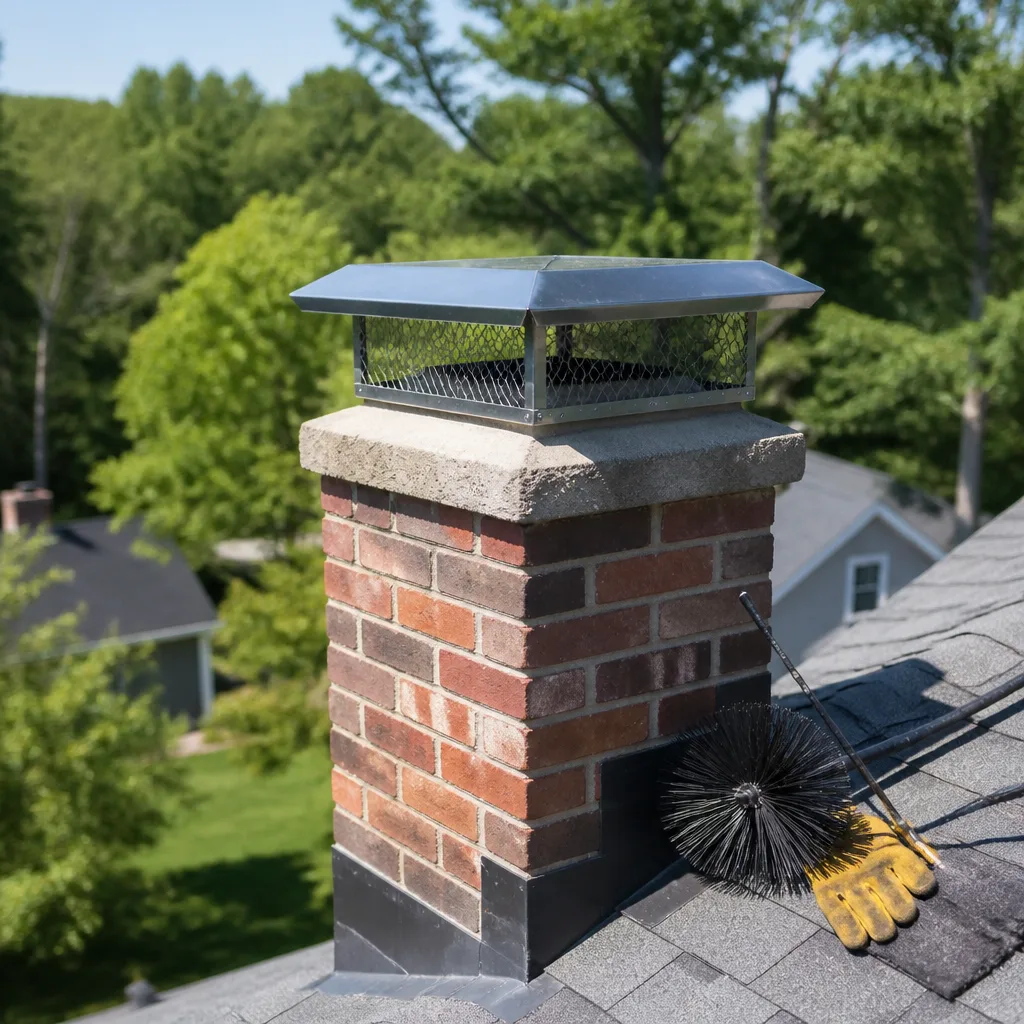
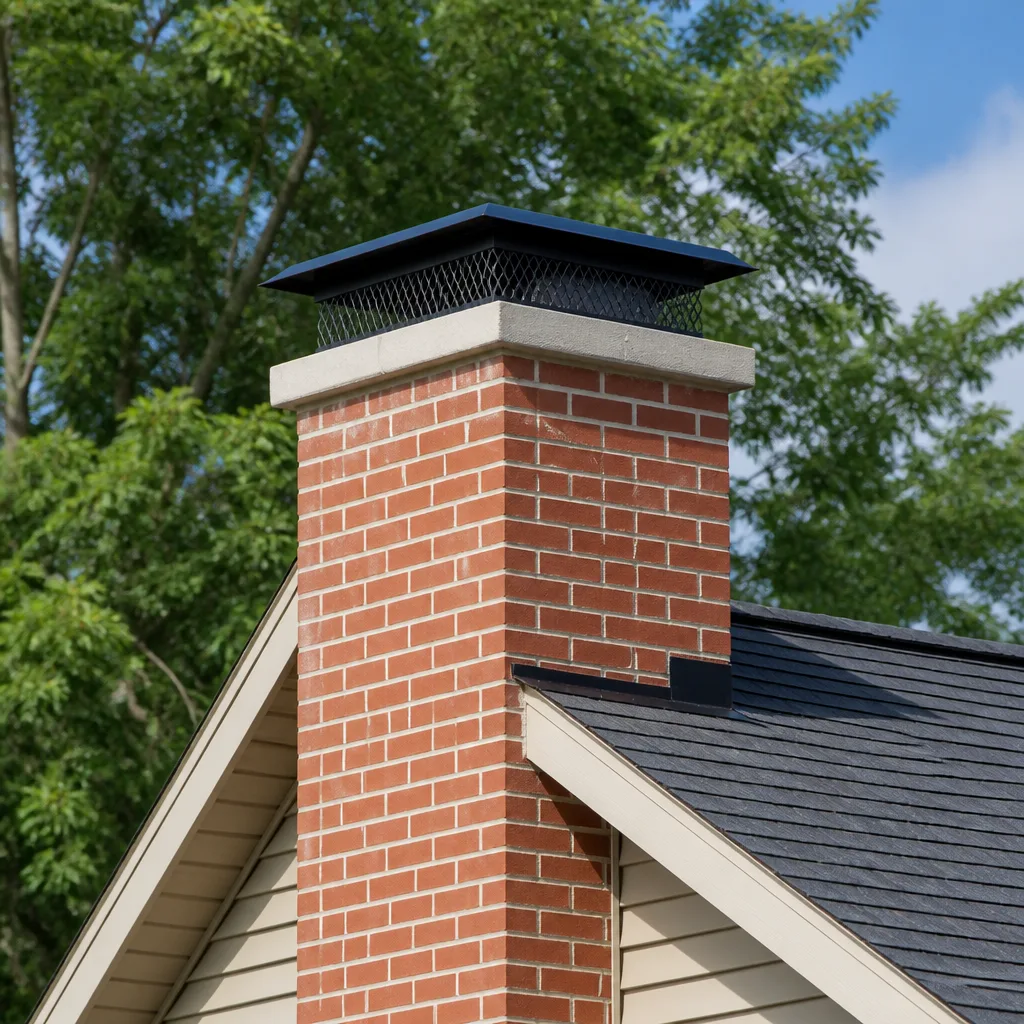
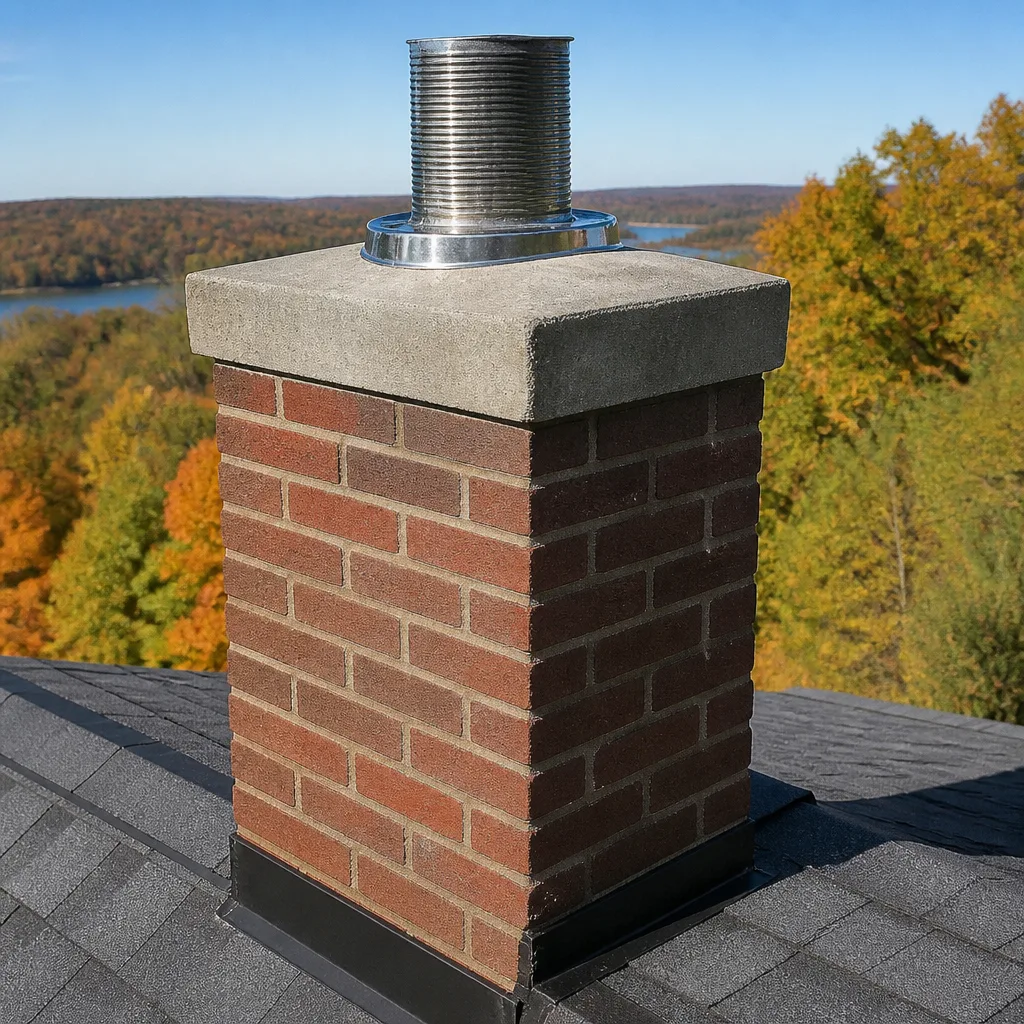
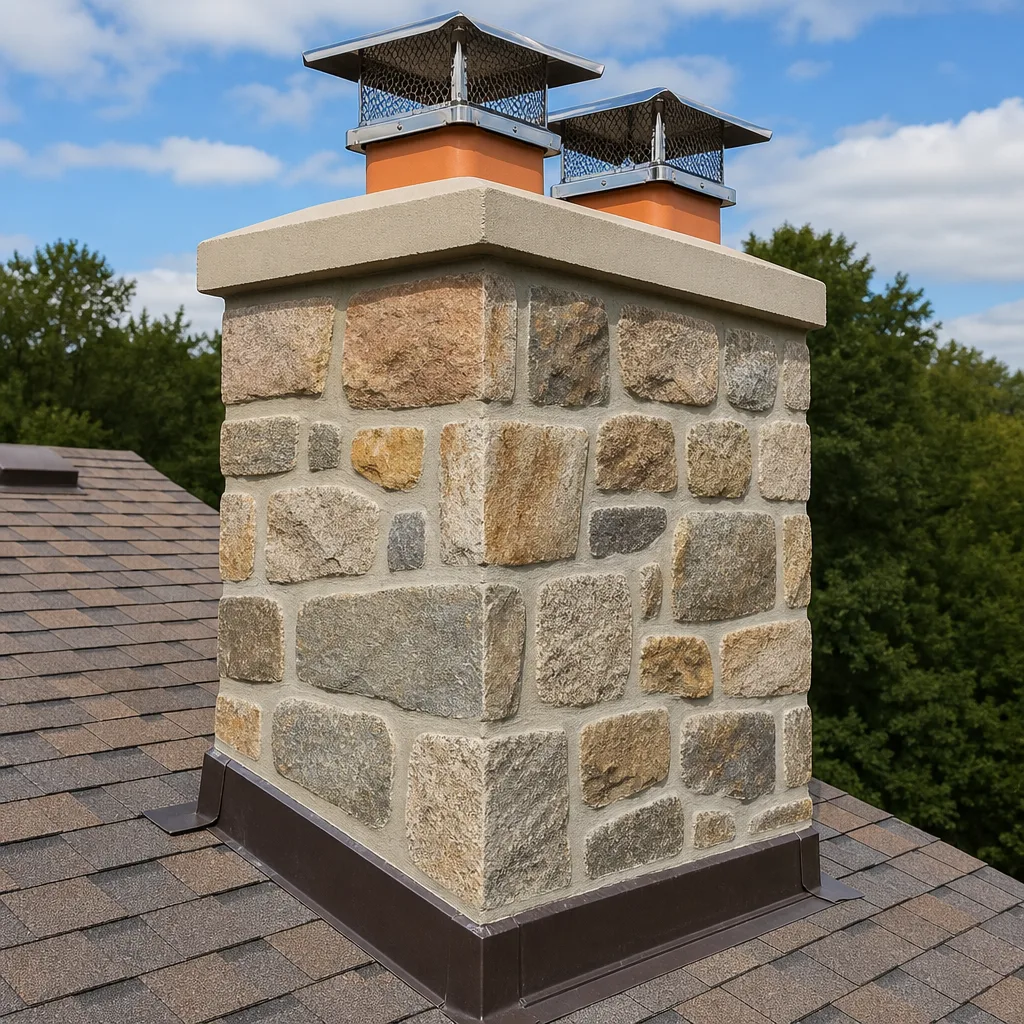
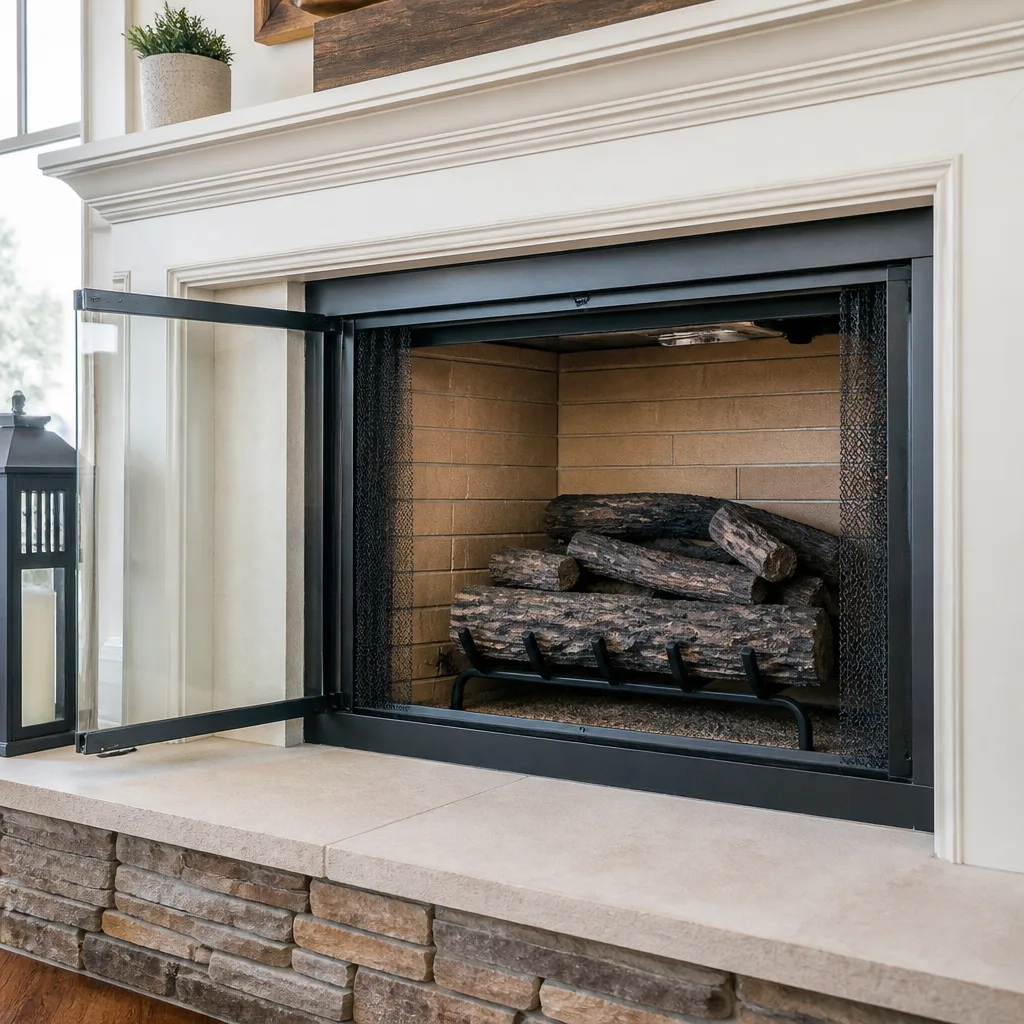
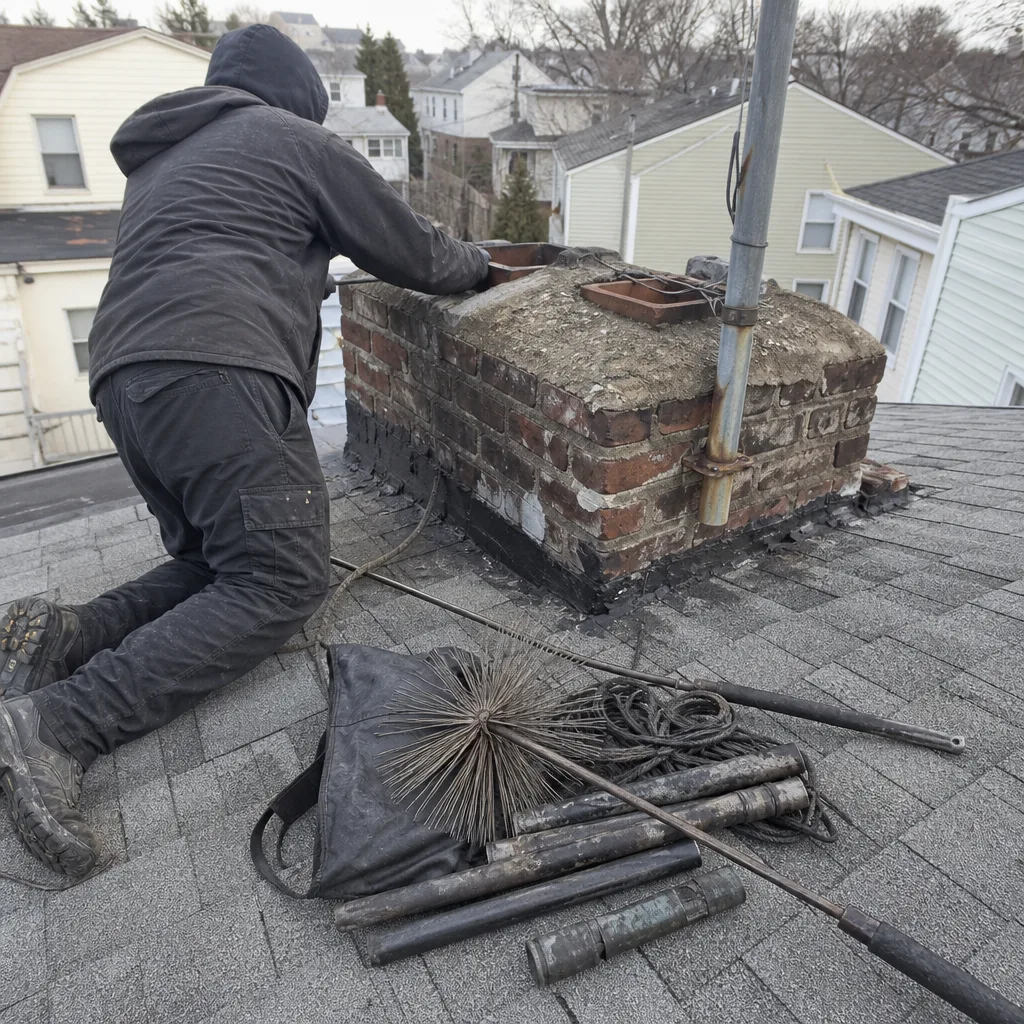 Before
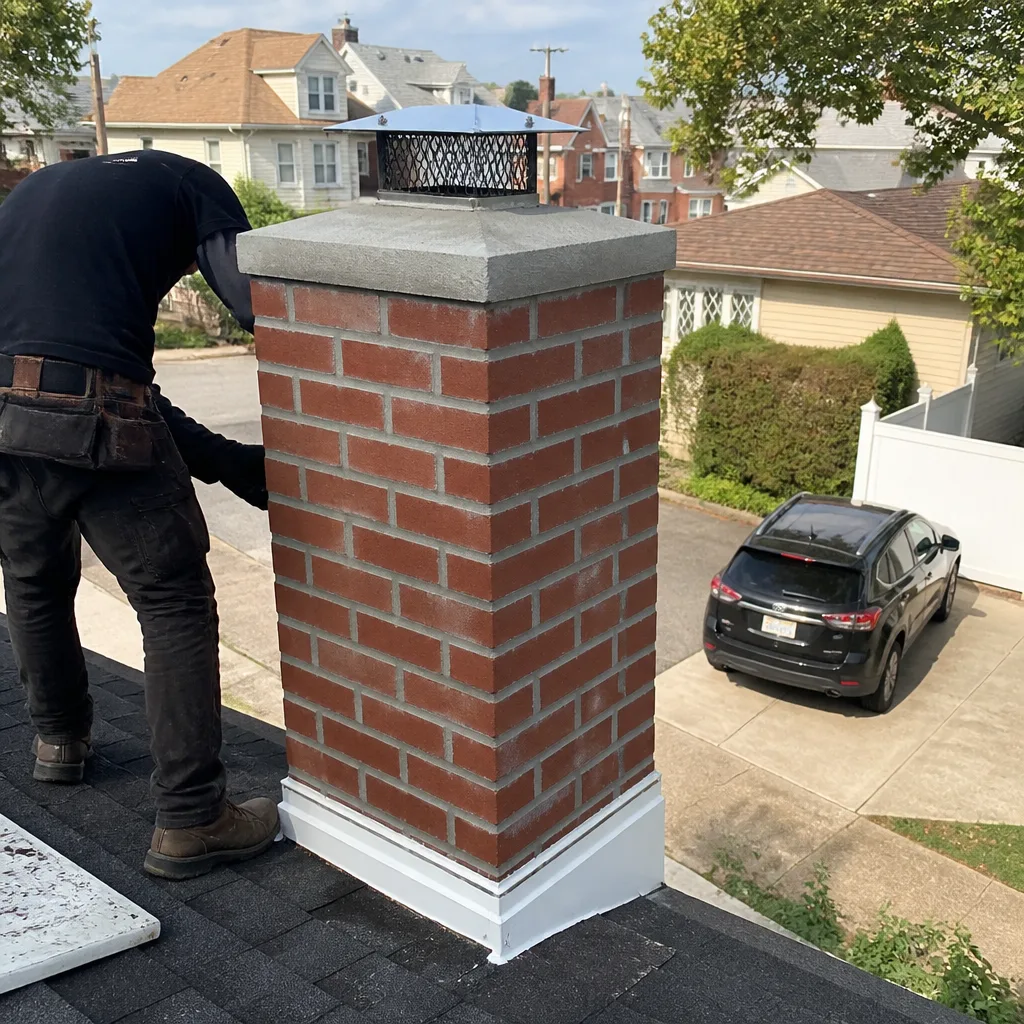 After
After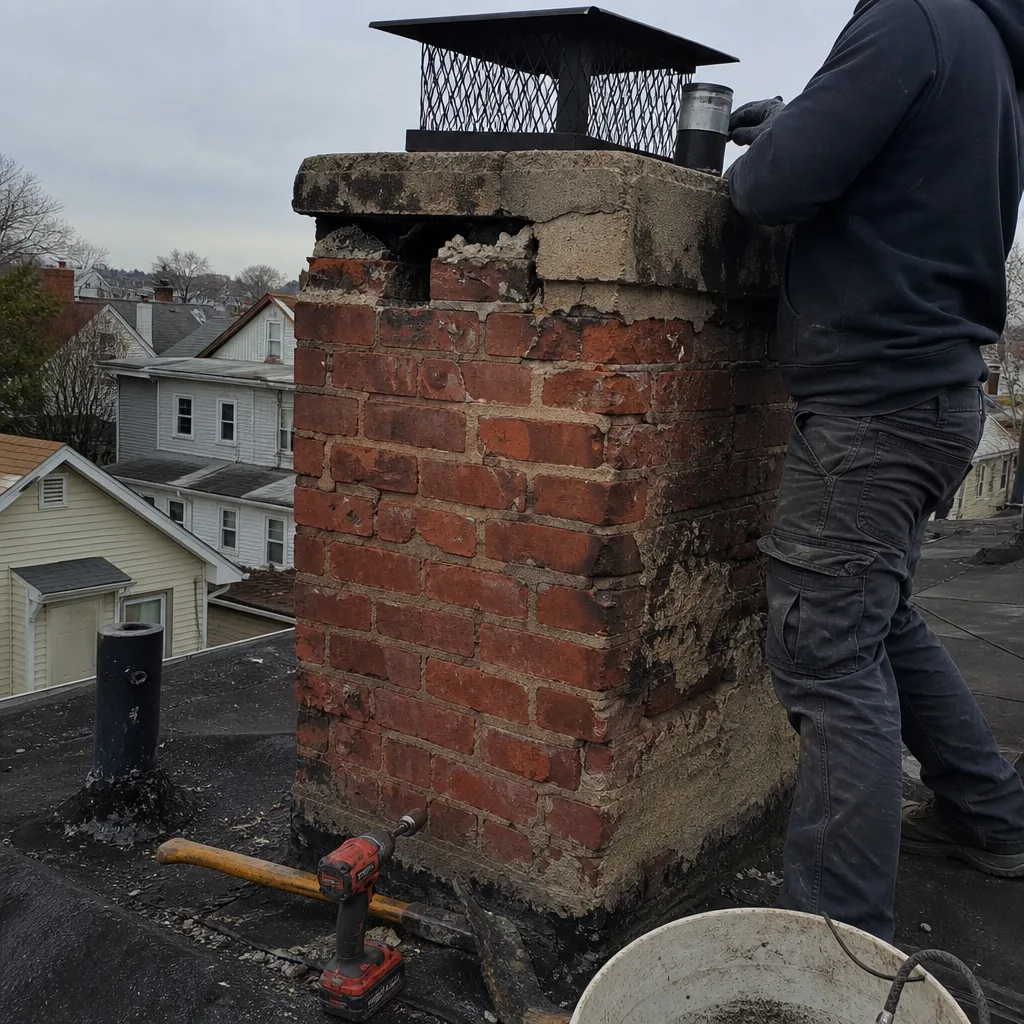 Before
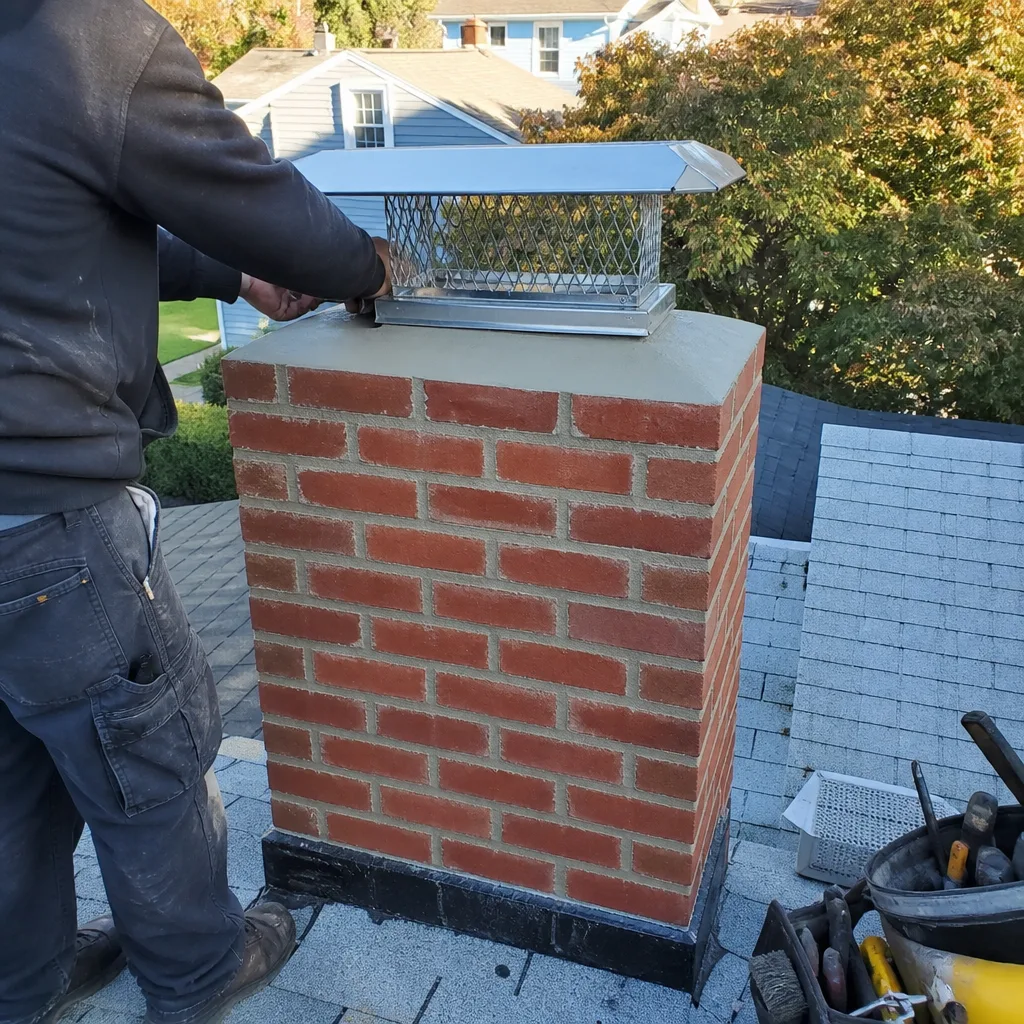 After
After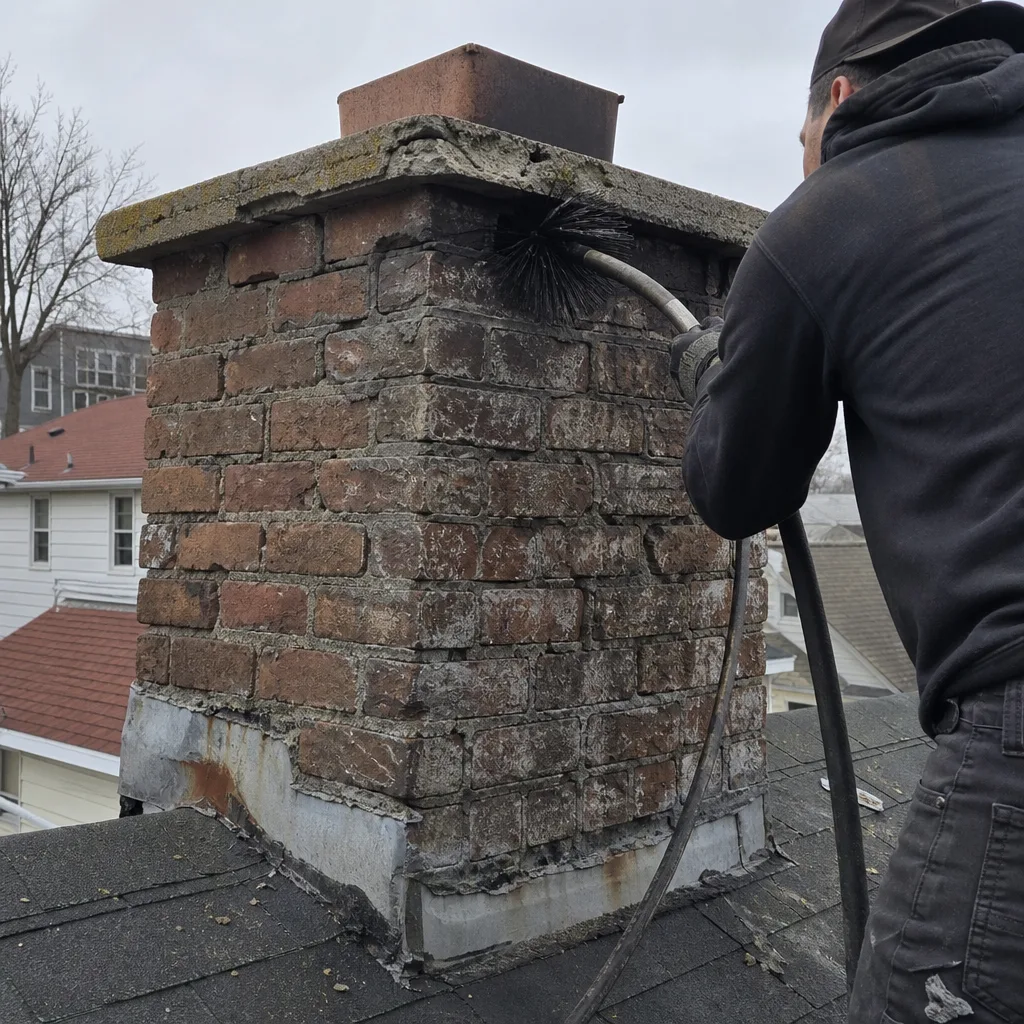 Before
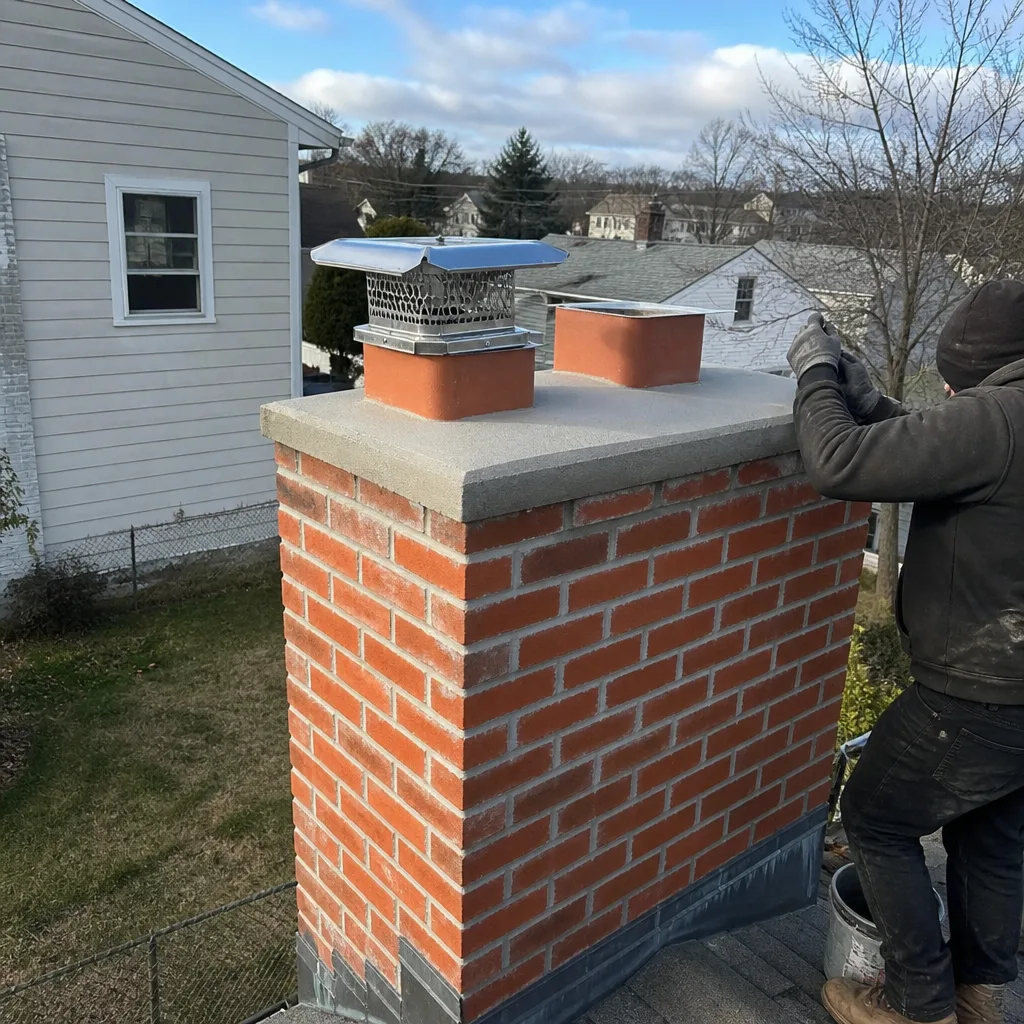 After
AfterChimney Cleaning Permits, Codes & Inspections in NY: What You Need to Know
Most Brooklyn homeowners assume a chimney cleaning is a handshake job. The sweep shows up, runs some brushes, collects a check, and that’s the end of it. No paperwork, no city involvement, nothing on file anywhere. That assumption is correct for the cleaning itself. But the moment work crosses into relining, rebuilding, or installing a wood stove or insert, New York City’s Department of Buildings takes an interest. And if you ever sell the house, that interest becomes your problem. This guide walks through exactly where that line sits, what NFPA 211 says, how NYC’s local code deviates from it, what happens to an insurance claim after unpermitted work, and how to check your own address in DOB records before you list a brownstone in Park Slope or a row house in Bay Ridge. For the complete guide to chimney cleaning in Brooklyn, see our companion resource.
Quick Answer
A routine chimney sweeping and visual inspection in New York requires no permit from the NYC Department of Buildings. However, structural changes like relining, rebuilding a crown, replacing a cap, or installing a wood stove or fireplace insert generally require an Alt-2 alteration filing with the DOB, and the party responsible for pulling that permit depends on the scope of work. Unpermitted structural chimney work can surface during a home sale and jeopardize a homeowner’s insurance claim after a fire. Learn to spot problems early with our chimney cleaning warning signs: a Brooklyn homeowner’s reference guide.
Table of Contents
- Maintenance vs. Structural Work: Where the Permit Line Sits in NYC
- NFPA 211 and Where NYC’s Local Code Deviates
- How the NYC DOB Alt-2 Alteration Filing Applies to Chimney Work
- What Unpermitted Chimney Work Does to a Homeowner’s Insurance Claim
- How to Check DOB Records for Your Brooklyn Address
- Common Mistakes to Avoid
- When to Call a Professional
- Frequently Asked Questions
Maintenance vs. Structural Work: Where the Permit Line Sits in NYC
Here is the cleanest way to think about it. If the work restores something to its existing condition, it is maintenance. If the work changes what is there, adds something new, or alters the structure, it is an alteration. Cleaning is maintenance. So is a visual inspection, a Level 1 or Level 2 camera scan, and replacing a worn damper plate with an identical model. None of that requires a DOB permit in Brooklyn, and no inspector is going to knock on your door because a sweep ran a rotary brush through your flue.
Things change when the work is structural. Relining a chimney with a stainless steel liner from a brand like Olympia Chimney is an alteration, not a cleaning. Rebuilding a spalled brick crown is an alteration. Replacing a chimney cap is a gray area that often gets treated as an alteration when the cap changes the flue termination. Installing a wood stove, a fireplace insert, or a new prefab fireplace is almost always an alteration, because you are changing the mechanical system connected to the chimney. In our experience working across Brooklyn, this is where homeowners get surprised. They think a liner is just an upgrade to the same chimney. The DOB thinks it is new equipment in an existing building system.
Permits are not a suggestion. They are how the city keeps a record that work was done to code. When you sell a home, a buyer’s inspector will look for signs of recent chimney work. If the flue tile was replaced and the mortar is fresh, but there is no permit on file, the buyer’s attorney will flag it. You will be the one holding the problem, not the contractor who did the work three years ago and has since changed his phone number.
NFPA 211 and Where NYC’s Local Code Deviates
NFPA 211 is the national standard for chimneys, fireplaces, vents, and solid fuel burning appliances. It tells you how often to inspect, what clearances to maintain, what materials are acceptable, and what makes a flue unsafe. Every reputable chimney company in the country works from it. But New York City does not adopt NFPA 211 wholesale. The city has its own building code, and in a few places, the local rules are more restrictive or more specific than the national standard. Those differences matter for Brooklyn homeowners.
Here are the deviations that come up most often in the field:
- Flue sizing and appliance connection. NFPA 211 allows a single flue to serve multiple appliances in certain configurations. NYC code is stricter about dedicated flues for solid fuel appliances, especially in attached row houses where fire separation between units is a life safety issue. Your flue does not care how the fire looks. It cares how it breathes, and the city cares that it cannot share that breath with the neighbor’s wall.
- Clearance to combustibles. NFPA 211 specifies minimum clearances from a masonry chimney to wood framing. NYC code enforces those clearances more aggressively in existing buildings, because so much of Brooklyn’s housing stock is brick and wood-frame construction from before modern firestopping was standard.
- Relining requirements. NFPA 211 requires a liner when the original flue is damaged or absent. NYC applies that requirement strictly, and DOB inspectors in Brooklyn will sometimes require a liner even when a national inspector might pass the flue with a repair. This is especially true in neighborhoods with a lot of pre-1940 housing stock, where clay tile liners have cracked from decades of thermal cycling.
- Inspection intervals. NFPA 211 says chimneys should be inspected at least once a year. NYC does not change that frequency, but the city does tie inspection documentation to certain permit applications. If you file for an Alt-2 to reline a chimney, the DOB may want to see a Level 2 camera inspection report as part of the application package.
The practical takeaway: national standards tell you what a safe chimney looks like. Local code tells you what paperwork proves it in Brooklyn. Both matter. Once a year, burn or no burn. Chimneys break in the off-season too, and the one you ignore in August is the one that fails in January.
How the NYC DOB Alt-2 Alteration Filing Applies to Chimney Work
When chimney work crosses from maintenance into alteration, the city’s mechanism for permitting it is the Alt-2 filing. An Alt-2 is the DOB’s application for an alteration that does not change the building’s use, egress, or occupancy. Relining a flue, rebuilding a crown, or installing a wood stove all fall under this category. The filing requires a registered design professional, usually a New York State licensed professional engineer or registered architect, to submit drawings and specifications. A licensed contractor then performs the work and the job gets inspected before the permit is closed.
Here is the step-by-step of how it works for a typical Brooklyn chimney relining job:
- A site inspection establishes the condition. A qualified chimney professional does a Level 2 camera inspection and documents what the flue looks like inside. First-degree creosote is a brush job. Third-degree is a glaze. A cracked clay tile liner is a different conversation entirely.
- A registered design professional files the Alt-2. The PE or RA submits the scope of work to the DOB. This step is not optional. A contractor cannot self-file an Alt-2 for structural chimney work unless they hold a professional license themselves.
- The contractor performs the work. The liner goes in, the crown gets rebuilt, the cap gets replaced. The work follows the approved drawings.
- A DOB inspector signs off. The city sends an inspector to verify the completed work matches the filing. Once the inspection passes, the permit is closed and the work is officially on record.
Responsibility for pulling the permit depends on the job. For a straightforward liner installation, a licensed contractor working under a PE’s filing will usually handle the paperwork as part of the contract. For a homeowner who decides to hire a handyman to rebuild a crown, the responsibility falls on the homeowner, because the handyman is not a licensed contractor and cannot file an Alt-2. That distinction is why we tell people in Brooklyn to ask one question before hiring anyone: who is filing the Alt-2, and will I see the permit number before work starts?
What Unpermitted Chimney Work Does to a Homeowner’s Insurance Claim
Here is the scenario we hear about from homeowners across Brooklyn, from Ditmas Park to Marine Park. A chimney fire starts. The fire department responds. The claim goes to the insurance company. The adjuster asks for the chimney’s maintenance history and the permits for any recent work. If the homeowner had a liner installed three years ago without an Alt-2 filing, the adjuster now has grounds to deny or reduce the claim, because the policy language almost always excludes damage caused by work performed without required permits.
Insurance companies do not need to prove the unpermitted work caused the fire. They only need to show that the policyholder made a material change to the building system without notifying them or obtaining the required approvals. That is enough. The chimney fire that could have been a covered loss becomes an out-of-pocket expense, and the homeowner is left paying for the rebuild and the liner at the same time.
This is not scare talk. It is how claims actually get handled. The same logic applies to home sales. A buyer’s inspector flags the relined chimney. The buyer’s attorney pulls DOB records. No permit. Now the seller is negotiating a price concession or paying to have the work legalized retroactively, which is a more expensive process than filing the Alt-2 the first time. Ask anyone on your street who has sold a house in the last few years. Unpermitted work surfaces. It always does.
How to Check DOB Records for Your Brooklyn Address
Checking whether prior chimney work at your address was permitted is free, public, and takes about ten minutes. The NYC Department of Buildings maintains an online database called the Building Information System, and it covers every address in Brooklyn. Here is the step-by-step:
- Go to the DOB’s Building Information System. Search for “NYC DOB BIS” and enter your house number and street name. Do not include the borough in the address field. The system already knows Brooklyn.
- Look under “Actions” or “Permits.” The property profile page will list every permit, filing, and violation associated with the address. Look for Alt-2 filings. If a liner was installed with a permit, an Alt-2 will be there.
- Check the dates against the work. If the previous owner told you the liner was replaced in 2017 and there is no Alt-2 from 2017, the work was almost certainly unpermitted.
- If work is missing from DOB records, get a professional assessment. Call a chimney company that does Level 2 camera inspections. The camera footage and a plain-English verdict will tell you whether the existing work is safe, regardless of its permit status. From there, you can decide whether to file a retroactive permit or simply document the condition for your own records.
There is a second database worth checking, which is the DOB’s “DOB NOW” system for more recent filings. Some alteration paperwork from the last several years lives there instead of the older BIS database. Check both. If you are not sure what you are looking at, a chimney professional who works regularly in Brooklyn will be able to read the records in about two minutes.
Common Mistakes to Avoid
- Assuming all chimney work is maintenance. A cleaning needs no permit. A liner almost always does. Conflating the two is the single most common error we see in Brooklyn, and it is the one that costs homeowners the most money.
- Hiring an unlicensed handyman for structural work. A handyman can clean gutters. A handyman cannot file an Alt-2 for a chimney rebuild. You will pay twice: once for the work, and again to have it redone and permitted properly.
- Not asking who files the Alt-2. Before you sign anything, ask the contractor to name the registered design professional who will file the permit. No answer, no contract. It is that simple.
- Skipping the inspection because the fire looks fine. Your flue doesn’t care how the fire looks. It cares how it breathes. A chimney can look perfect from the hearth and be a carbon monoxide risk inside the flue.
- Waiting until the listing goes live. If you are planning to sell a Brooklyn home, check your DOB records before your agent schedules the first open house. Discovering unpermitted chimney work during the buyer’s inspection window is the most expensive time to find it.
- Ignoring the off-season. Chimneys break in the off-season too, and the contractors who are available in July may not be the ones you want in your home in December. Book the inspection before burning season starts.
- Treating a chimney cap as a decoration. A missing or rusted cap is what lets rain, squirrels, and debris into the flue. In Brooklyn’s freeze-thaw winters, trapped water expands and spalls brick. A $300 cap replacement prevents a $3,000 crown rebuild.
When to Call a Professional
Call a professional chimney company when you see spalling brick on the exterior of the chimney, when you smell smoke in the house after the fire is out, when you find shaling, which is thin chips of clay tile at the bottom of the firebox, or when your carbon monoxide detector goes off near the fireplace. Call before you buy a Brooklyn home so a Level 2 camera inspection can document the flue condition before closing. Call if you have lived in the house more than a year and cannot remember the last time anyone looked at the chimney. And call if you are planning to install a wood stove or insert, because that is the moment the permit conversation has to start. For a full breakdown of seasonal tasks, see our chimney cleaning & sweep maintenance checklist for Brooklyn homeowners. Top Hat Chimney offers free estimates in Brooklyn, and we have been pulling permits and running camera inspections here since 1999. Call (516) 289-9316 and Wendell or the crew will talk you through what your chimney actually needs, whether that turns out to be a broom or an Alt-2 filing.
Frequently Asked Questions
No. Routine chimney sweeping, visual inspection, and camera scanning are maintenance work that requires no permit from the NYC Department of Buildings. The permit requirement begins when work becomes structural, such as relining, rebuilding, or installing an appliance. If you are not sure where your job falls, call (516) 289-9316 and we will tell you straight.
Unpermitted chimney work surfaces during the buyer’s inspection or the attorney’s document review, and at that point you, the seller, are responsible for resolving it. That usually means paying to legalize the work retroactively or conceding on price. The time to check DOB records is before you list, not after an offer is on the table.
NFPA 211 says at least once a year, and that applies whether you burn wood every night or never light a fire at all. Brooklyn’s older housing stock tends to have unlined or clay-tile flues that accumulate creosote faster than modern stainless systems, so an annual sweep is the floor, not the ceiling. Once a year, burn or no burn.
It depends on what the camera shows. A hairline crack in a clay tile can sometimes be addressed with a resurfacing product like HeatShield. A flue with missing tile sections, gaps at the mortar joints, or a chimney that has already had a flue fire generally needs a stainless steel reline. We will not recommend a liner without showing you the camera footage that proves it. No exceptions.
The DOB filing fee itself is modest, typically a few hundred dollars depending on the scope of work. The larger cost is the registered design professional’s fee for preparing and submitting the application, which varies by project. Expect the total permitting cost to add a meaningful line item to a relining or rebuild job. It is cheaper than doing the work twice, and far cheaper than a denied insurance claim.
No. Installing a wood stove or fireplace insert is an alteration to the building’s mechanical and venting systems and requires an Alt-2 filing with the DOB in almost every case. That is true for attached row houses especially, where fire separation and flue clearances are scrutinized. If a contractor tells you no permit is needed for a stove install, get a second opinion before you hand over a deposit.
The Bottom Line
A chimney cleaning in New York is a handshake job, and it should stay that way. But the moment the work changes the structure, installs an appliance, or rebuilds a crown, New York City expects a paper trail. Know the difference between maintenance and alteration. Know that NFPA 211 sets the standard but NYC code sets the paperwork. Know that an unpermitted liner can cost you at closing or after a fire. And know that checking DOB records for your Brooklyn address is free, public, and takes ten minutes. For more guides & resources, browse our blog. The camera footage and a plain-English verdict, every time, no exceptions. That is how a chimney should be handled, whether it needs a broom or an Alt-2 filing.
Looking for Top Hat Chimney home services? We have been serving Brooklyn since 1999. If you need a Chimney Cleaning & Sweep in Brooklyn, that is the work we do every day. When the job calls for something structural, our Chimney Repair in Brooklyn service covers relining, crown rebuilds, and cap replacement, all permitted properly. And if you are installing an insert, a wood stove, or a new prefab unit, our Fireplace Services in Brooklyn team handles the full install and the Alt-2 filing from start to finish.
Written by Wendell Pike, Owner at Top Hat Chimney, serving Brooklyn since 1999.