
Last updated September 10, 2026
Level 1 sweep and inspection to the NFPA 211 annual standard - flue, crown, cap, and flashing checked and photographed
Chimney sweep logs do not sweep chimneys. They loosen some creosote - which then falls where a brush and vacuum still have to collect it.
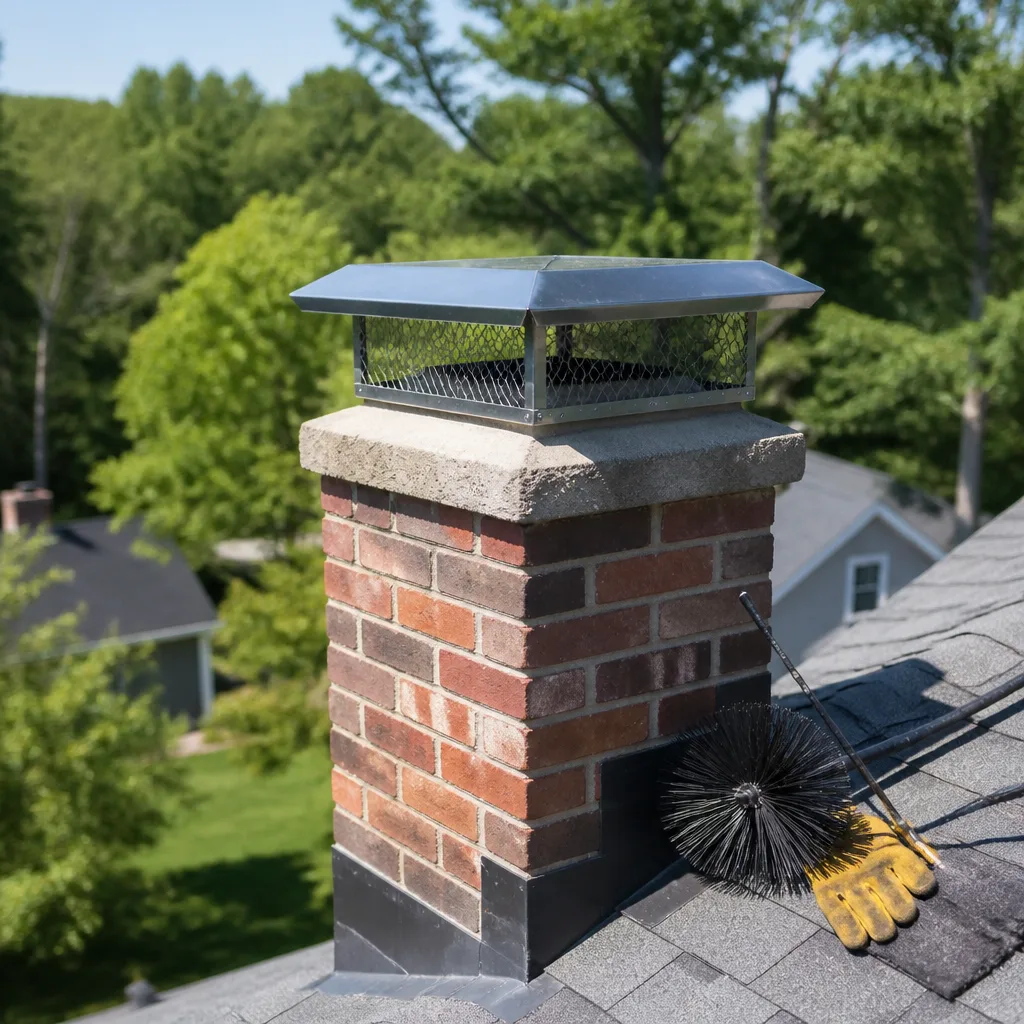
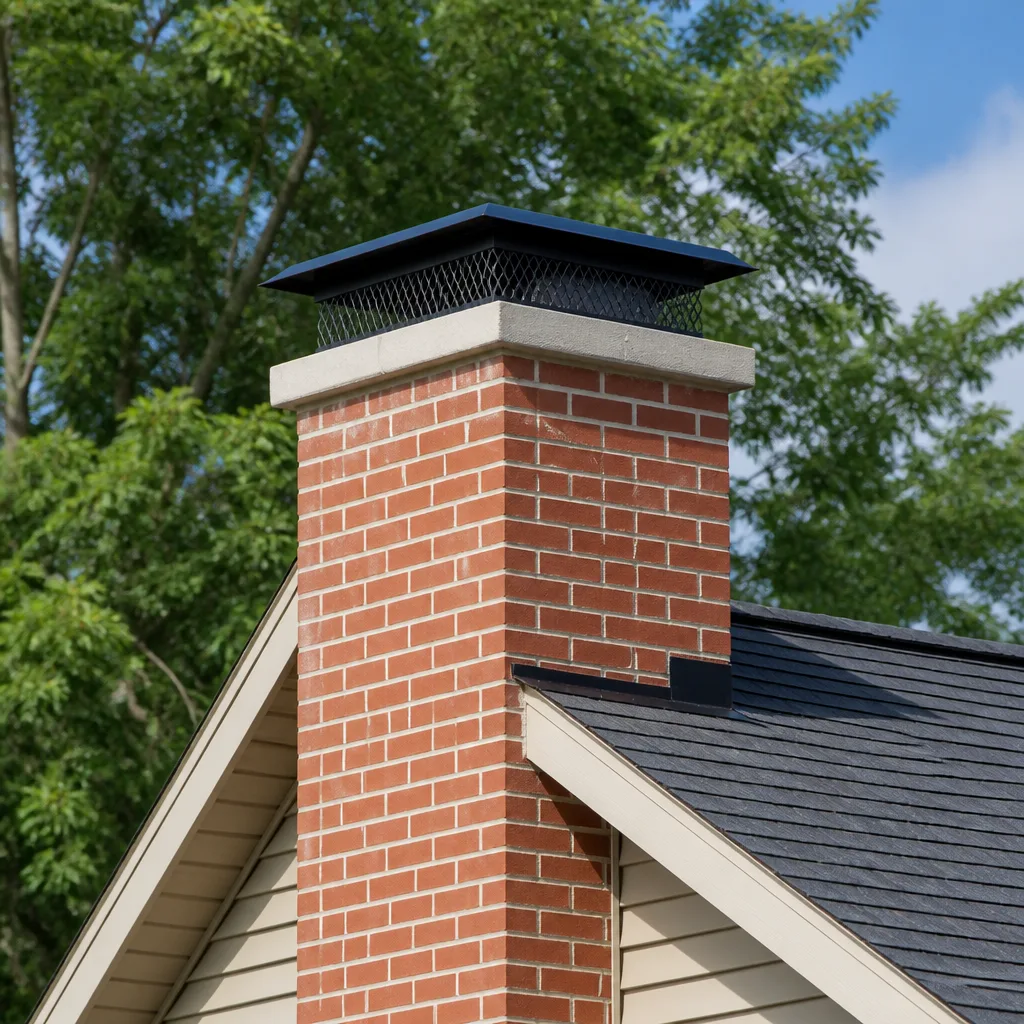
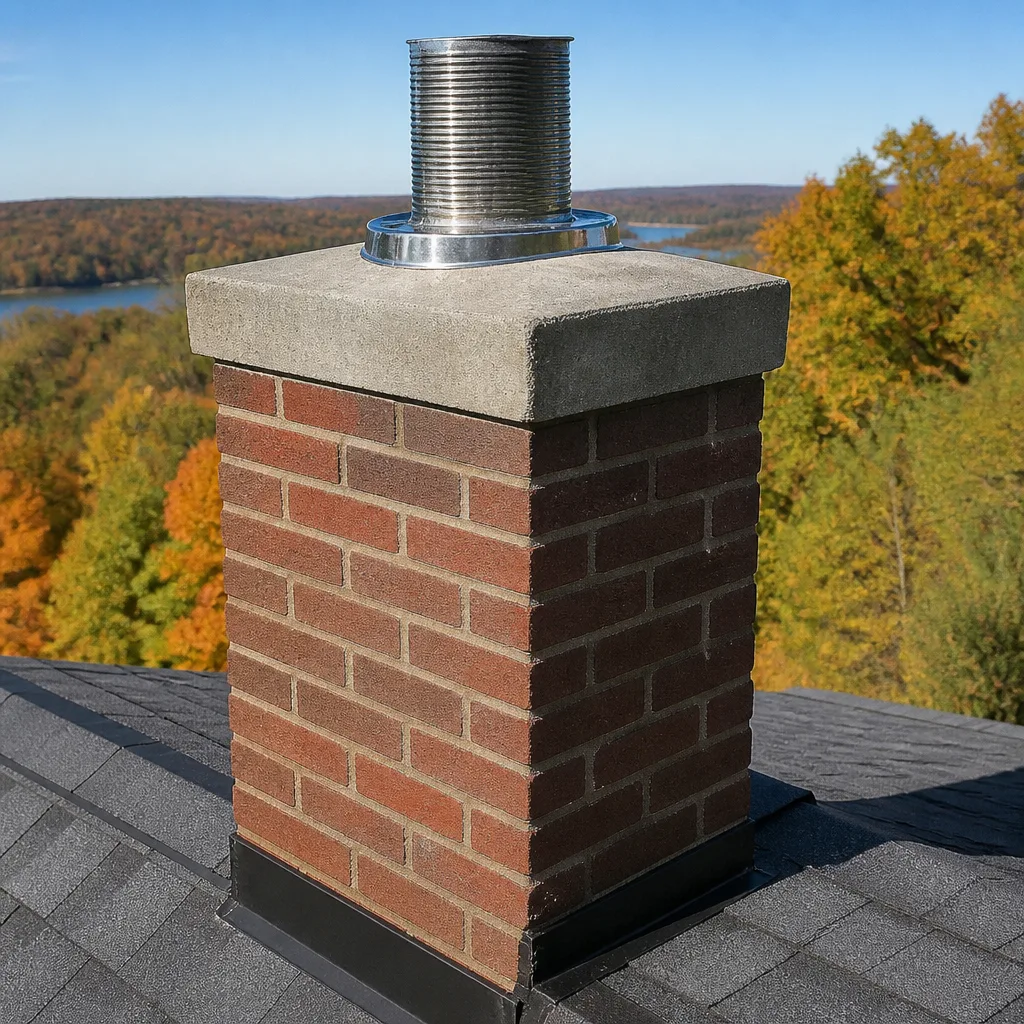
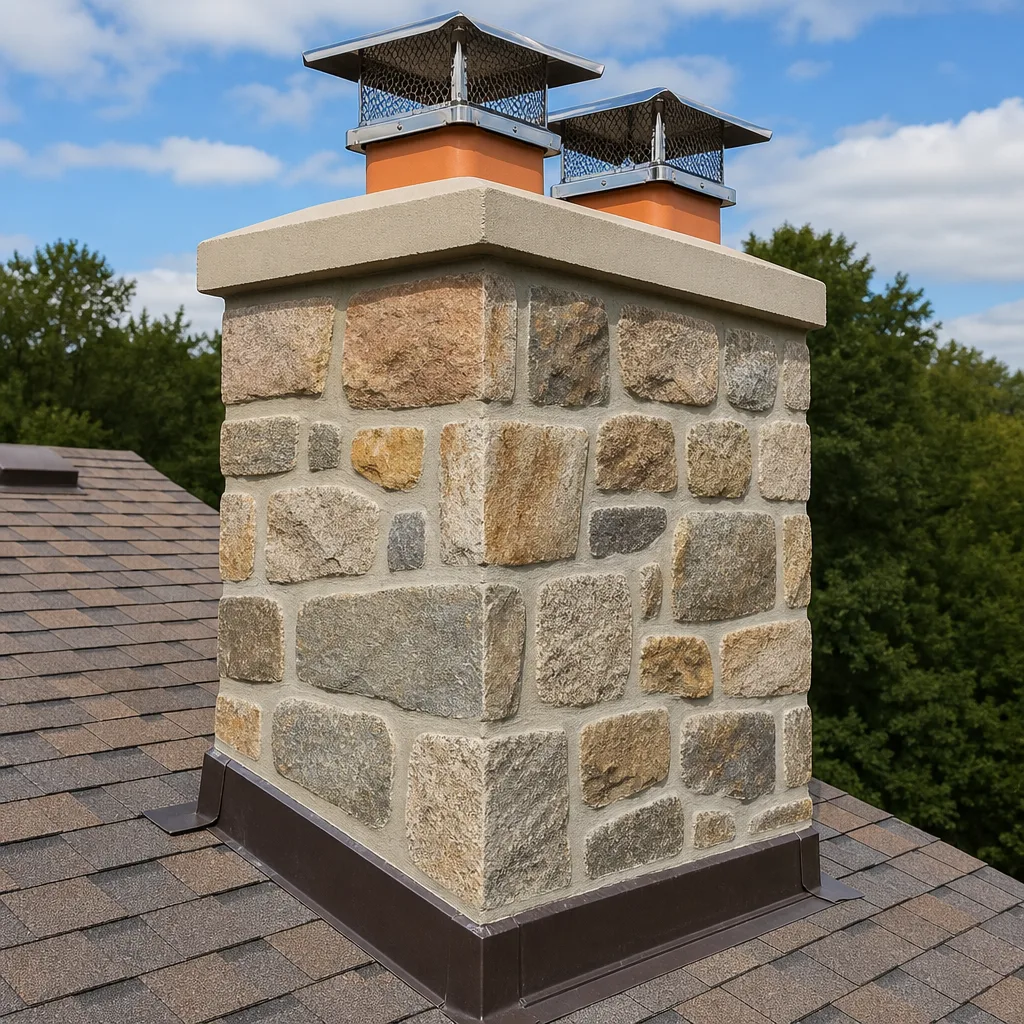
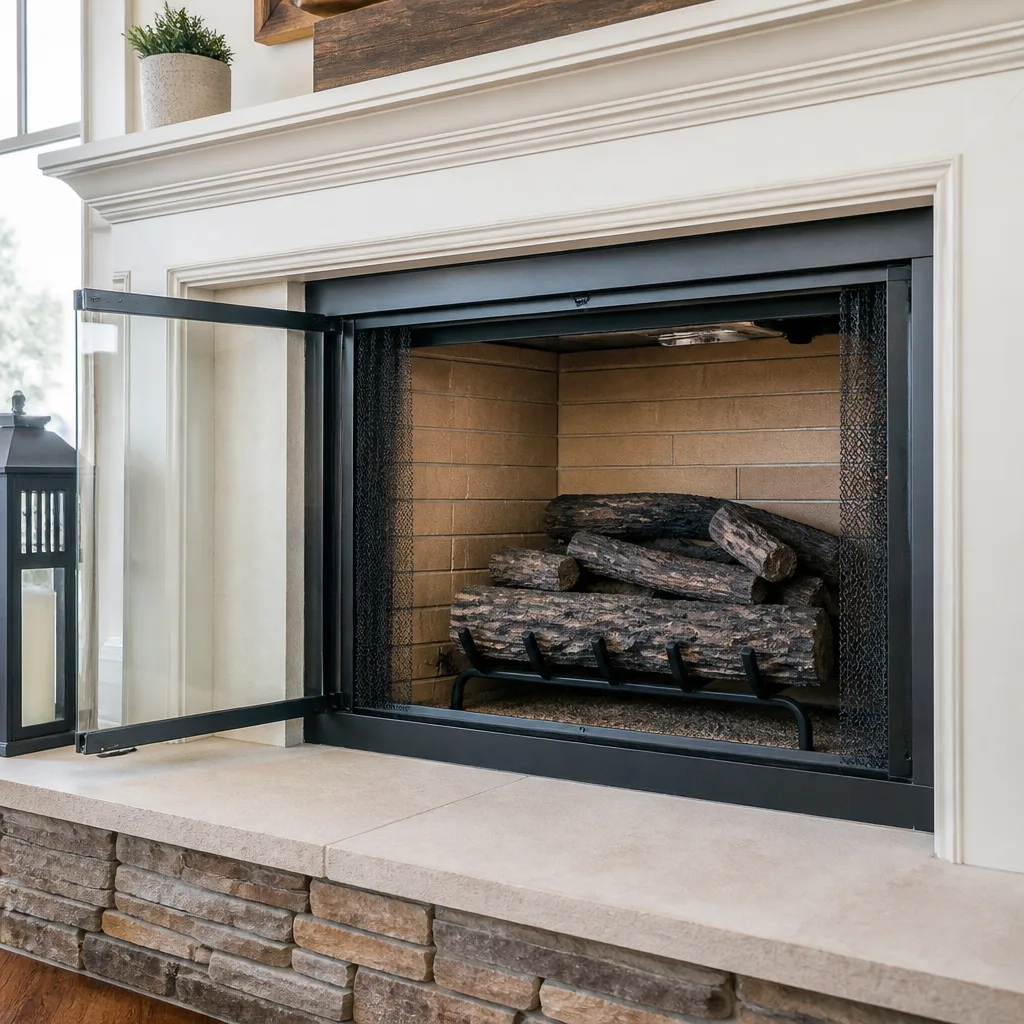
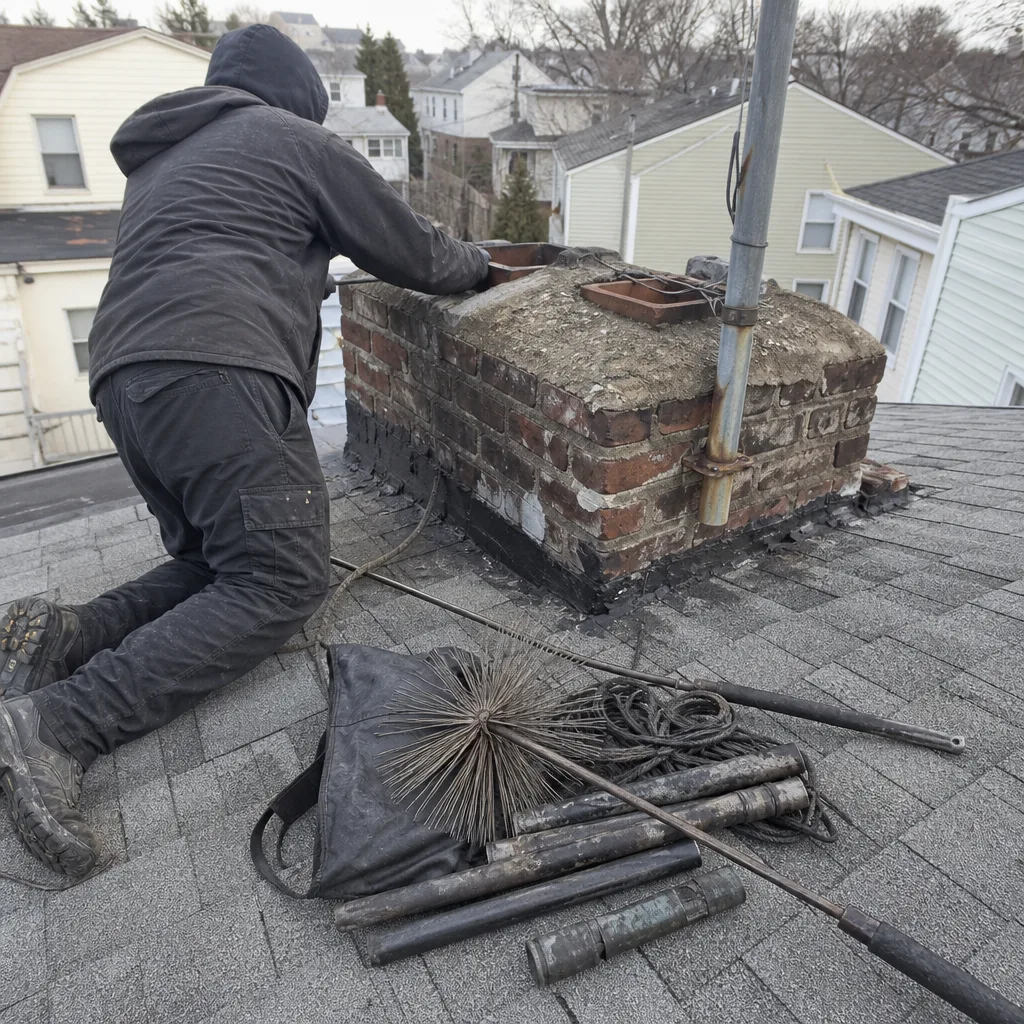 Before
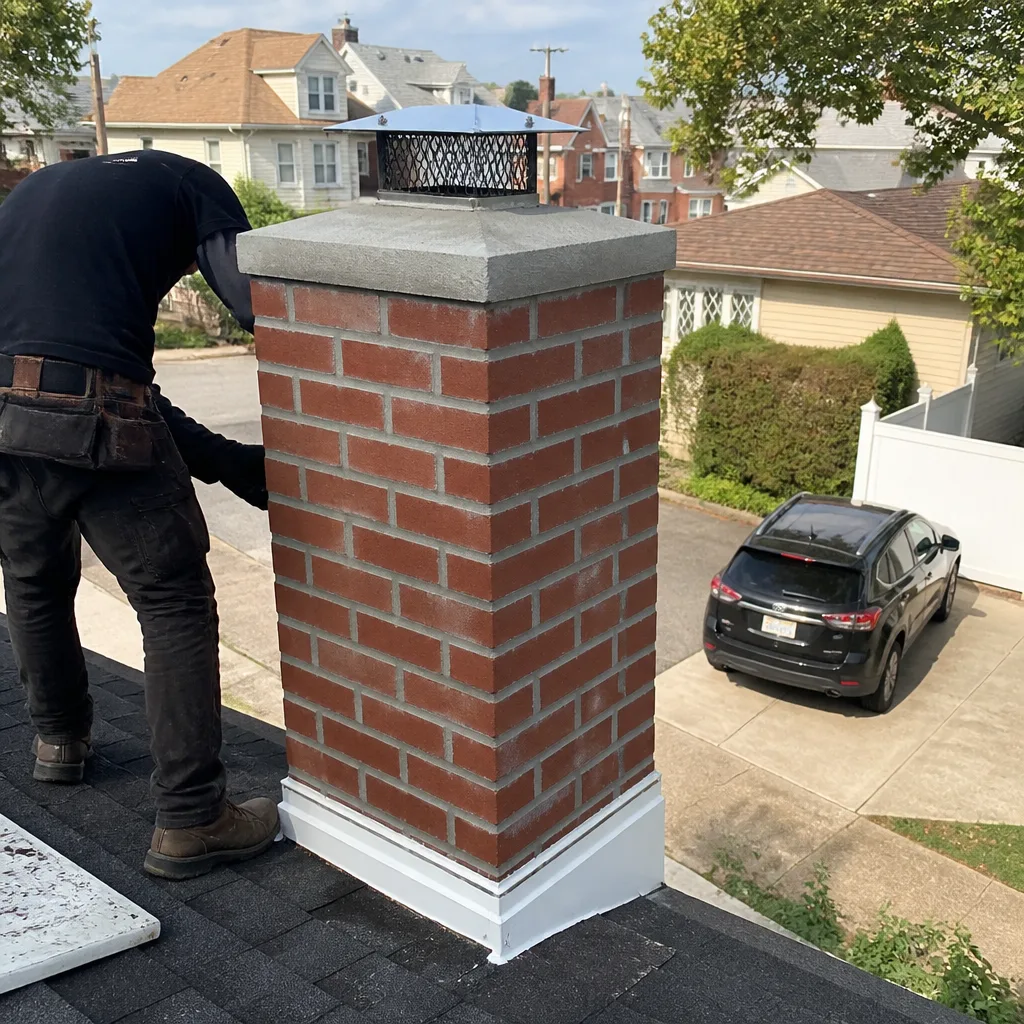 After
After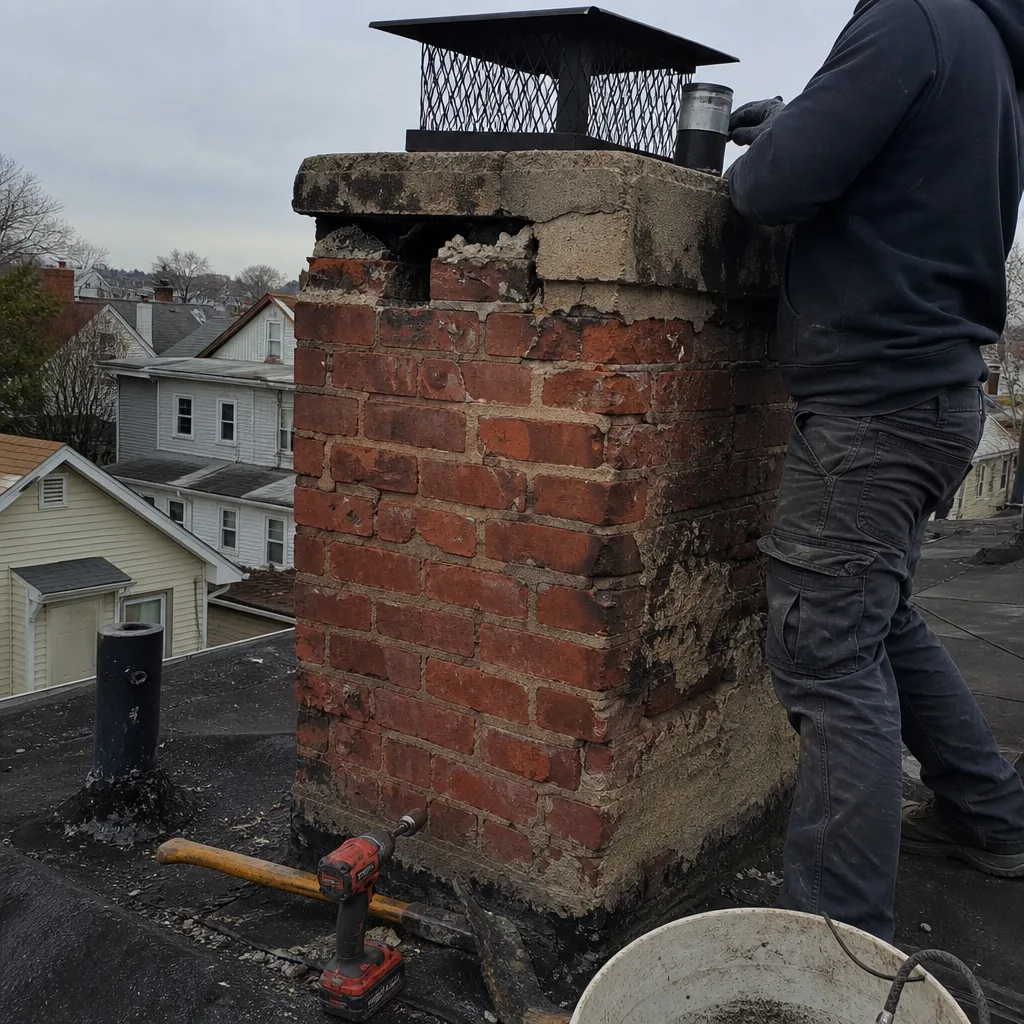 Before
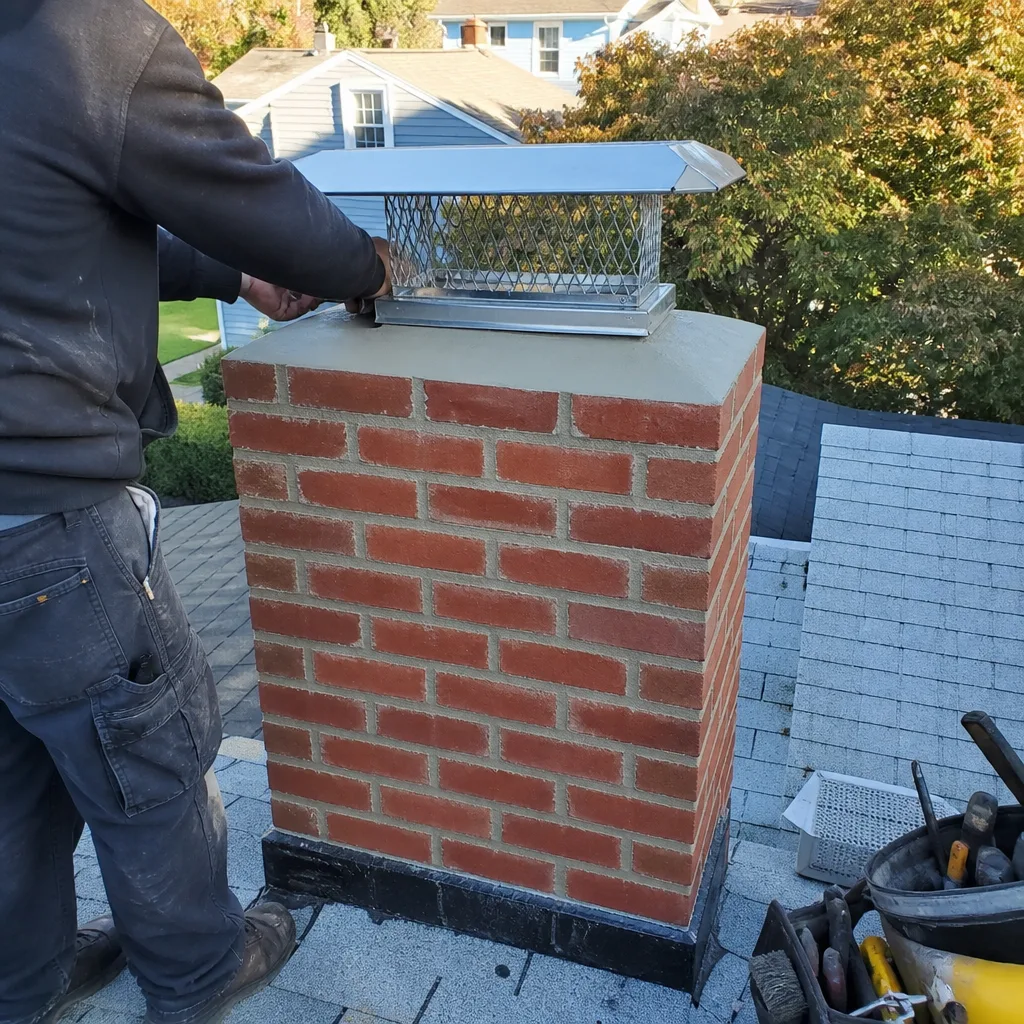 After
After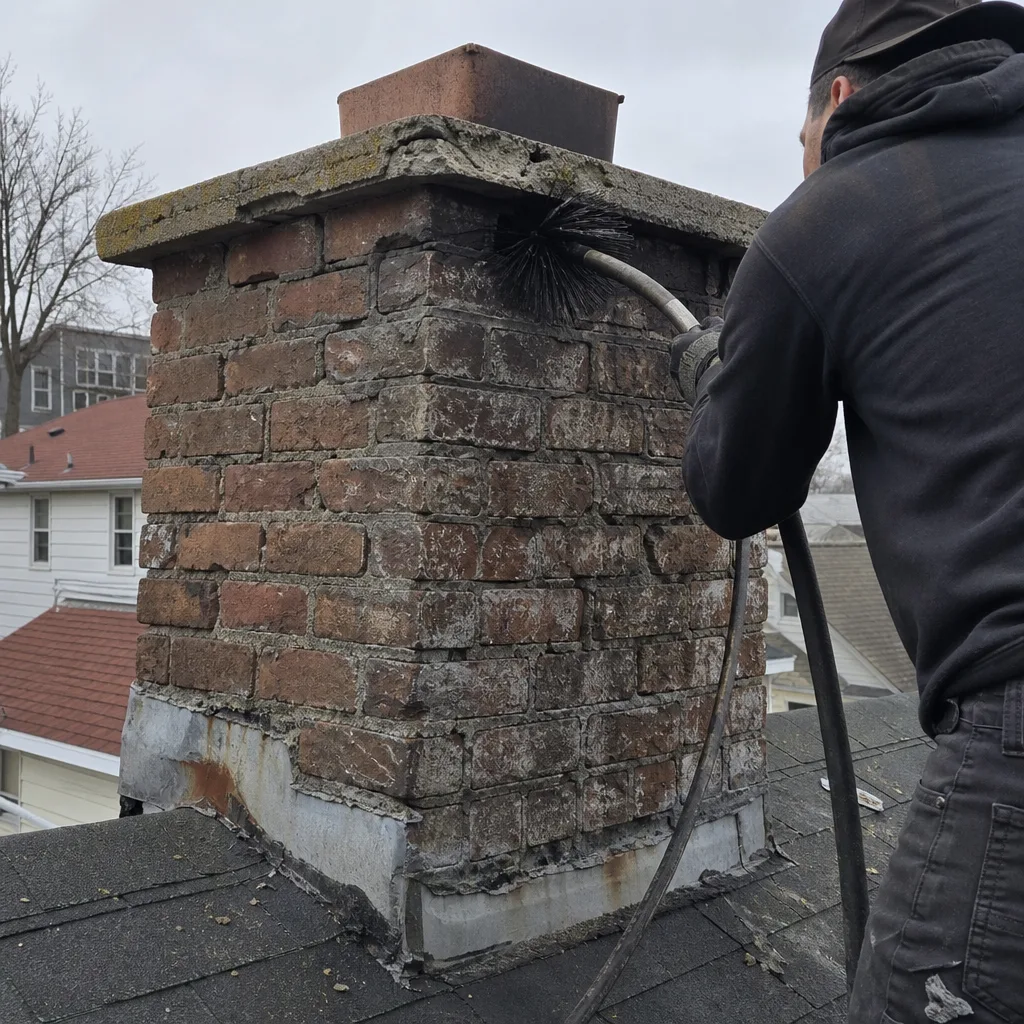 Before
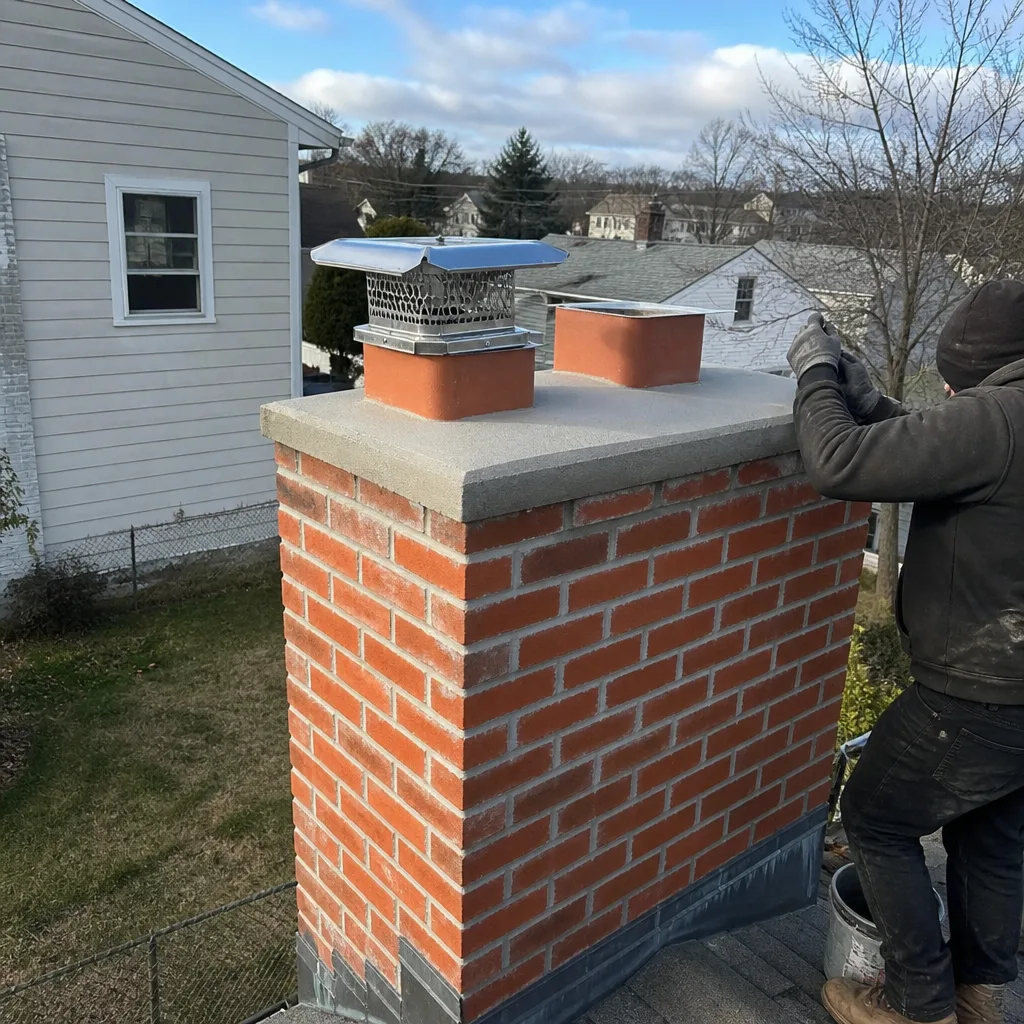 After
AfterSeasonal Chimney Cleaning Care for Brooklyn: Year-Round Homeowner’s Guide
More Brooklyn chimneys are damaged between April and August, when nobody is thinking about them, than during the heating season when everyone is. The freeze-thaw cycles of early spring, the humidity and nesting birds of summer, and the rush to book a sweep before the first cold snap in fall all create their own distinct problems. This guide walks you through what each season actually does to a flue in Brooklyn, what to watch for from the firebox, and when a chimney can safely wait versus when it needs a professional to look at it. By the time you finish reading, you’ll know the four seasonal windows that matter, not just the one in October everyone already knows about.
Quick Answer
Seasonal chimney care in Brooklyn means four distinct checkpoints, not one: a post-winter inspection in spring to catch freeze-thaw damage while repairs are still cheap, a summer check for nesting birds and humidity effects, a fall sweep timed for late September through early October before the booking rush, and a mid-winter firebox check if you’re burning regularly. A single annual sweep is a fine baseline, but it misses three other windows where small problems become expensive ones. For a complete picture, see our Chimney Cleaning & Sweep Maintenance Checklist for Brooklyn Homeowners.
Table of Contents
- Spring: What Freeze-Thaw Cycles Do to Mortar and Crowns
- Summer: Starlings, Humidity, and the Uncapped Flue
- Fall: Timing Your Pre-Season Sweep So You Don’t Get Burned
- Winter: The Mid-Season Check from the Firebox
- Why Brooklyn’s Climate Hits Flues Differently Than the Suburbs
- What a Homeowner Can Safely Check Each Season
- Common Mistakes to Avoid
- When to Call a Professional
- Frequently Asked Questions
- The Bottom Line
Spring: What Freeze-Thaw Cycles Do to Mortar and Crowns
By the time March rolls around in Brooklyn, your chimney has spent four months absorbing water. Snow melts during the day, seeps into hairline cracks in the mortar joints and crown, then freezes again overnight. Water expands when it freezes by about nine percent. That expansion is enough to turn a hairline crack into a visible gap, and a visible gap into spalling brick by the time spring arrives.
The freeze-thaw cycle is hardest on older masonry, which describes a lot of the housing stock in neighborhoods like Park Slope, Ditmas Park, and Bed-Stuy. Those brownstones and row houses have chimneys that were built when the standard was lime mortar, not Portland cement. Lime mortar is softer and more porous, which means it breathes better but also absorbs more water. If you’ve lived in one of these homes for more than a decade, you’ve probably seen the chalky white residue called efflorescence on the brick near the top of the chimney. That’s not cosmetic. It’s dissolved minerals from inside the brick being pushed out by water pressure, and it tells you the masonry is holding water it should be shedding.
Here’s what a post-winter chimney inspection should catch, in order of what we find most often in Brooklyn:
- Crown cracks - the concrete slab on top of the chimney takes the brunt of freeze-thaw. Small cracks let water into the masonry below. Caught early, a crown repair or reseal is measured in hundreds of dollars. Let it go, and you’re rebuilding brick next year.
- Spalling brick faces - when the outer face of a brick pops off, the brick’s protective skin is gone and the softer interior absorbs water even faster. Once it starts, it accelerates.
- Mortar joint erosion - run a key along the joints. If it digs in easily, the mortar is sand at this point. Repointing is a standard spring repair, and it’s far cheaper than a rebuild.
- Flashing damage - the metal where the chimney meets the roof takes a beating from Brooklyn’s winter winds off the harbor. Lifted or torn flashing lets water run straight down the chimney chase into the attic.
This is also the right season for a chimney cleaning after winter’s heavy use. Creosote that built up during the heating months sits in the flue absorbing spring moisture. Wet creosote is more acidic and more damaging to stainless liners and masonry alike. Our Chimney Cleaning & Sweep in Brooklyn page walks through what a sweep actually involves and what it costs. The short version: get the winter residue out before the humid Brooklyn summer gives it time to work.
Summer: Starlings, Humidity, and the Uncapped Flue
An uncapped chimney in Brooklyn in June is an open invitation. European starlings are the birds we see most often building nests inside flues, and they are remarkably persistent. They can build a nest in 48 hours, and once the eggs are laid, you cannot legally remove the nest until the chicks have fledged under federal law. That means if you discover the nest in May, you might be without your fireplace until July or August, which is exactly when you don’t want to be thinking about it.
Starlings and house sparrows both look for vertical cavities to nest in, and a chimney without a proper cap is perfect. The nest itself is more than a blockage. The nesting material is dry twigs, grass, and feathers packed into a flue that vents carbon monoxide. When you light a fire with a starling nest in the flue, you’re not just dealing with a draft problem. You’re dealing with a fire inside the chimney that the chimney was never designed to contain.
Summer humidity in Brooklyn adds a second problem. The borough sits between the Atlantic and the industrial corridor of western Queens and northern New Jersey. Summer dew points regularly sit in the upper 60s and low 70s. That moisture finds its way into uncapped flues and mixes with any creosote left from winter. The result is a corrosive paste that attacks metal liners and a smell in humid weather that tells you it’s happening. Homeowners in Bay Ridge and Sheepshead Bay call us more often in August about fireplace odors than in any other month.
What to do about it, in this order:
- Schedule a summer inspection if you did not get one in spring. A camera inspection will tell you whether anything has moved in since the weather warmed up.
- If you do not have a chimney cap, or the existing one is damaged, get one installed before nesting season peaks in late May and June. A proper cap is stainless steel, screen-sided, and sized for the flue, not a generic home-center cap that reduces draft.
- If you already have nests, do not try to remove them from the roof. Blocked flues plus rooftop ladders are not a good combination. A professional can assess what is in there and what it will take to clear it safely.
Summer is also the cheapest time of year to book chimney work. The phone does not ring as much, which means you have your pick of appointment times and the crew can take the time to do the job right. If you’ve been putting off a Chimney Repair in Brooklyn, June through early September is the window when it costs the least and happens fastest.
Fall: Timing Your Pre-Season Sweep So You Don’t Get Burned
Everyone knows to get a chimney swept before burning season, but Chimney Cleaning Permits, Codes & Inspections in NY: What You Need to Know can affect timing too. Far fewer people think about when exactly to book it. Book too early, in August, and you miss the late-summer nesting debris and any September storm damage. Book too late, after the first cold weekend in late October or early November, and you’re calling during the busiest three weeks of the year. Every sweep in Brooklyn is booked solid from about October 20 through Thanksgiving, and you’ll be choosing between whoever has an opening and whoever is actually good.
The ideal window for a Brooklyn chimney sweep is late September through mid-October. By then, the nesting season is over, the summer humidity has started to drop, and any storm damage from late summer is visible. You also have time to address whatever the sweep turns up before you actually need the fireplace.
A proper pre-season chimney cleaning in Brooklyn should include:
- A full flue sweep with brushes sized to the flue, not a generic brush that misses the corners
- A visual inspection of the firebox, damper, smoke shelf, and cap
- A camera inspection of the full flue length, because your eyes cannot see around corners and the camera can
- A written condition report with plain-English findings, not a list of work you “should probably get done”
That last point matters. Wendell has always been direct about this: if the flue is clean and the structure is sound, the report should say exactly that. You should never be told you need thousands of dollars of liner work without seeing the camera footage that proves it. If a sweep will not show you the footage or explain what it shows, find a different sweep. The camera footage and a plain-English verdict, every time, no exceptions.
Fall is also when you want to check the damper and the cap before the first fire. A damper that will not open fully or a cap that has shifted over the summer will change how your fireplace drafts. The first fire of the season is no time to discover that.
Winter: The Mid-Season Check from the Firebox
If you burn regularly through a Brooklyn winter, which means several fires a week from November through March, a single fall sweep is not always enough. The amount of creosote that builds up depends on how you burn, what you burn, and how hot the fires get. A mid-season check from the firebox costs nothing but five minutes of your time, and it will tell you whether you need a second sweep before spring.
Here’s what to look for, from the firebox, without climbing on the roof:
- Glossy black buildup on the damper or the firebox walls. First-degree creosote is a brush job. Third-degree creosote is a glaze. If the creosote in your firebox looks like shiny tar, not dusty soot, you are burning too cool and the flue above is likely glazed. That is a professional removal job, and it should not wait until spring.
- Smoke backing up into the room. A strong, consistent draft is the point of the whole system. If smoke rolls back into the room when you open the door or when the fire burns low, the flue is not drafting properly. That is a blockage, a cold flue problem, or a sizing issue, and it means carbon monoxide is not leaving the house the way it should.
- A smell like asphalt or a campfire that won’t go away. That’s creosote. It means the flue has enough buildup that it’s off-gassing into the house even between fires.
- Reduced draft that gets worse over time. If the fire was drawing fine in November and is sluggish in January, something has changed. Creosote is narrowing the flue, and every fire after that is making it worse.
One point that gets overlooked: carbon monoxide is colorless, odorless, and heavier than air. A slow, partial flue blockage can vent CO into the house without any visible smoke and without any smell. If you have any doubt about the condition of the flue mid-winter, shut the fire down and make the call. Do not run the fireplace on hope. We’ve seen the aftermath, and it’s not a hypothetical.
Why Brooklyn’s Climate Hits Flues Differently Than the Suburbs
Brooklyn’s urban heat island and its proximity to the harbor create flue conditions that a chimney in Nassau County or Westchester just does not experience. Understanding the difference helps explain why flues here need closer attention than the standard once-a-year advice assumes.
The urban heat island means Brooklyn stays warmer overnight than surrounding counties, especially in winter. That smaller overnight temperature drop means less overnight freeze, but it also means more daytime thawing. The freeze-thaw cycle in Brooklyn can happen daily in February and March, not just a handful of times per season. Daily cycling through the freeze point is harder on masonry than a deep, sustained freeze, because the water in the brick never fully freezes out. It moves in and out more often.
Proximity to the harbor brings salt air. Salt in the air settles on chimney caps, flashing, and masonry, and it accelerates corrosion. Stainless steel caps and liners are more resistant to salt than the cheaper galvanized or aluminum hardware some builders used in the 1990s and early 2000s. If your chimney has a generic cap that’s pitting or showing white corrosion after a few years, salt air is a factor. The same applies to flashing. Brooklyn chimneys near the water, in neighborhoods like Brighton Beach, Sheepshead Bay, and Red Hook, typically show flashing corrosion faster than chimneys inland.
Humidity in summer is the third factor. Brooklyn’s summer humidity is high everywhere, but it combines with the borough’s older housing stock in a specific way. Many prewar homes were built with interior chimneys, which means the flue runs through the conditioned envelope of the house. That’s good for draft in winter, but it also means the flue never gets the full summer sun to bake the moisture out. Damp creosote plus a liner is a slow corrosion problem. Interior flues in Brooklyn need a camera inspection at least every other year for that reason.
The practical takeaway: if you moved to Brooklyn from a drier, colder climate, or from a suburban house with an exterior chimney, the maintenance rhythm is not the same. A cap that lasted fifteen years somewhere else may last eight years here. A sweep schedule that worked there is probably too infrequent here.
What a Homeowner Can Safely Check Each Season
Here’s a season-by-season list of what you can check yourself, from the ground or from the firebox, without getting on a ladder. None of this involves climbing onto the roof, and none of it involves touching high-tension components or working at height. Roof-level inspection and any repair work should go to a trained professional with the right equipment and insurance.
Spring checklist
- Look at the chimney from the ground. Can you see visible cracks, missing brick faces, or white efflorescence on the masonry? If you can see it from the ground, the chimney needs a closer look.
- Check the ceiling around the fireplace for water stains or discoloration. That tells you water is getting past the flashing or crown.
- Open the damper and look up with a flashlight. If you see debris, nesting material, or significant creosote buildup from winter, book a sweep and inspection.
Summer checklist
- Listen for bird activity from the fireplace opening. Starlings are noisy. If you hear chirping or rustling from the chimney, there’s a nest in there.
- Smell the firebox on a humid day. A strong creosote odor means moisture is mixing with last winter’s buildup.
- Check the cap visually from the ground. If it’s gone, tilted, or corroded, that’s the entry point for birds, rain, and squirrels.
Fall checklist
- Verify the damper opens and closes fully before the first fire.
- Do a visual check for any new damage from summer storms. Missing caps and dented flashing from falling branches are common fall finds.
- Book the pre-season sweep in September or early October, before the rush. If you wait until the first cold weekend, you’ll be calling when every sweep in the borough is booked out two to three weeks.
Winter checklist
- Check the firebox for shiny, glazed creosote buildup every four to six weeks during regular use.
- Pay attention to draft. If the fire gets lazier as the season goes on, the flue is narrowing.
- Watch for smoke rollback and any unusual smell. Both are signals to stop burning and make the call.
If you find something concerning at any of these checkpoints, Top Hat Chimney offers free estimates in Brooklyn. Call (516) 289-9316 and Wendell or one of the crew will talk through what you’re seeing and tell you plainly whether it needs a visit.
Common Mistakes to Avoid
- Booking the sweep too early or too late. August is too early, because summer nesting and storm debris haven’t finished accumulating. November is too late, because the entire industry is booked solid. Late September through mid-October is the window.
- Skipping the post-winter inspection. Freeze-thaw damage happens invisibly from the ground. By the time you see cracked brick or a leaning chimney, the repair is structural, not cosmetic. Spring is when the damage is still cheap to fix.
- Ignoring summer chimney smells. A creosote smell in humid weather is not a nuisance; it’s a signal that moisture is active inside the flue. The longer it sits, the more damage it does to the liner.
- Removing a bird nest yourself. Federal law protects nesting birds, and if there are eggs or chicks in the flue, removal has to wait. More importantly, a blocked flue is a serious fire and carbon monoxide risk, and the nest is not the only thing in there.
- Burning unseasoned wood. Wet wood burns cool, and cool fires produce creosote at an aggressive rate. In Brooklyn, where a lot of firewood is sold from small lots and convenience stores, the quality varies wildly. Buy wood that’s been split and covered for at least a season.
- Trusting a camera inspection you were never shown. If the tech says the liner is cracked and you need a $6,000 replacement but won’t show you the footage, walk away. The camera does not lie, and the person who ran it should be happy to show you what it saw.
- Assuming a cap is optional. In Brooklyn, a cap is doing at least four jobs: keeping out birds, keeping out rain, keeping out leaves and debris, and preventing sparks from landing on the roof. The $300 to $500 a cap costs is cheap insurance against all four.
When to Call a Professional
Some things you should not diagnose from the ground, and some things you should not fix yourself. If you see visible cracks in the masonry, water staining on the ceiling near the fireplace, significant creosote buildup in the firebox, or you suspect a bird or animal is in the flue, make the call. If draft is dropping, smoke is rolling back, or your carbon monoxide detector has gone off near the fireplace, stop burning immediately and get a professional there. High-tension chimney work, roof-level inspection, and flue repair are not DIY jobs. The stakes are a house fire or carbon monoxide in the house, and neither is worth the savings. Top Hat Chimney offers free estimates in Brooklyn. Call (516) 289-9316 and Wendell will tell you straight whether it can wait or needs attention now.
Frequently Asked Questions
Once a year is the baseline if you burn at all during the winter, and more often if you burn regularly several times a week from November through March. Heavy use builds creosote faster, and Brooklyn’s humidity makes whatever builds up more corrosive. Call (516) 289-9316 for a free estimate and we’ll give you a straight answer about your burning habits.
A standard chimney sweep and inspection in Brooklyn typically runs between $180 and $350, depending on the flue size, the type of liner, and how much creosote has built up. See our Chimney Cleaning Cost Breakdown: The Brooklyn Homeowner’s Reference for 2026 for full details. Repairs and cap replacements are additional and are quoted upfront before any work begins. Call (516) 289-9316 and you’ll get the number before a single tool comes off the truck.
Only if the camera footage shows it. A cracked or severely corroded liner cannot be safely ignored, but you should never take anyone’s word for it without seeing the video. We run a camera on every inspection and show you the footage with a plain-English explanation. If the liner can safely wait, we’ll tell you that too.
The answer depends on how much you burn. Occasional users might skip a year and be fine. Regular users who skip two seasons typically end up with significant creosote buildup that takes longer to remove and may have damaged the liner in the process. The longer creosote sits, especially in Brooklyn’s damp climate, the harder and more corrosive it gets.
You can, but you shouldn’t. A brush from a big-box store typically doesn’t match your flue size, and it won’t reach the smoke chamber where buildup concentrates. More importantly, chimney work requires getting on a ladder, working at height, and handling creosote without spreading it through the house. The money you save is not worth the risk.
Summer humidity enters the flue, mixes with creosote residue from winter, and the resulting smell pushes back into the house. It’s most common in interior chimneys that don’t get direct sun to dry out the flue. A spring sweep removes the residue, and a proper cap reduces how much moisture gets in. If the smell just started, call (516) 289-9316 and we’ll figure out the cause.
The Bottom Line
Brooklyn chimneys fail on a seasonal rhythm, and the damage is often done when you’re not looking. Freeze-thaw widens cracks in spring. Starlings and humidity move in during summer. Fall is when the sweep happens, but only if you booked it in September. Winter is when regular burners need a mid-season glance at the firebox. Once a year, burn or no burn, is the floor, not the ceiling. And the camera footage and a plain-English verdict, every time, no exceptions. For more guides & resources, explore our blog. If you’re in Brooklyn and you want someone who will tell you what’s actually wrong, what can wait, and what it costs before the work starts, call (516) 289-9316. Wendell has been doing this since 1999, and his name is on the work. Ask anyone on your street.
Written by Wendell Pike, Owner at Top Hat Chimney, serving Brooklyn since 1999.