
Last updated September 10, 2026
Level 1 sweep and inspection to the NFPA 211 annual standard - flue, crown, cap, and flashing checked and photographed
Chimney sweep logs do not sweep chimneys. They loosen some creosote - which then falls where a brush and vacuum still have to collect it.
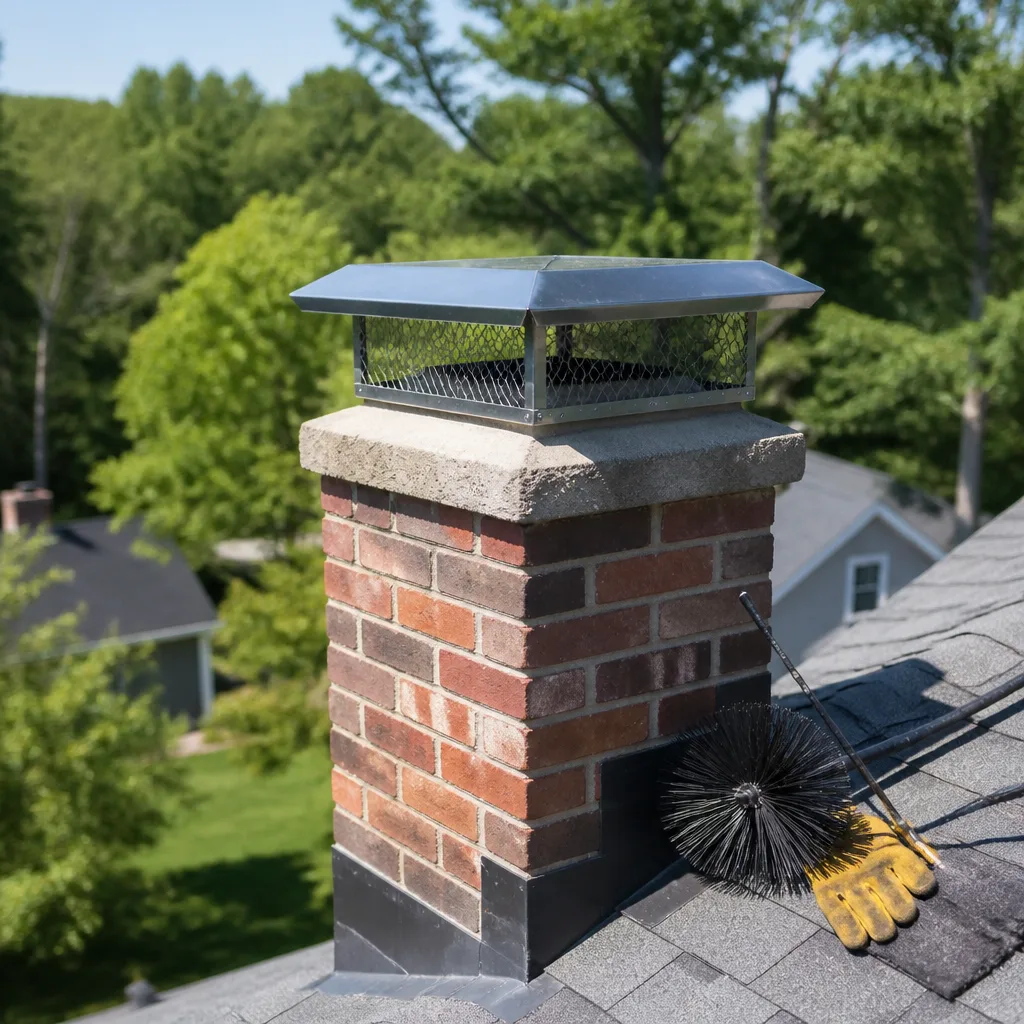
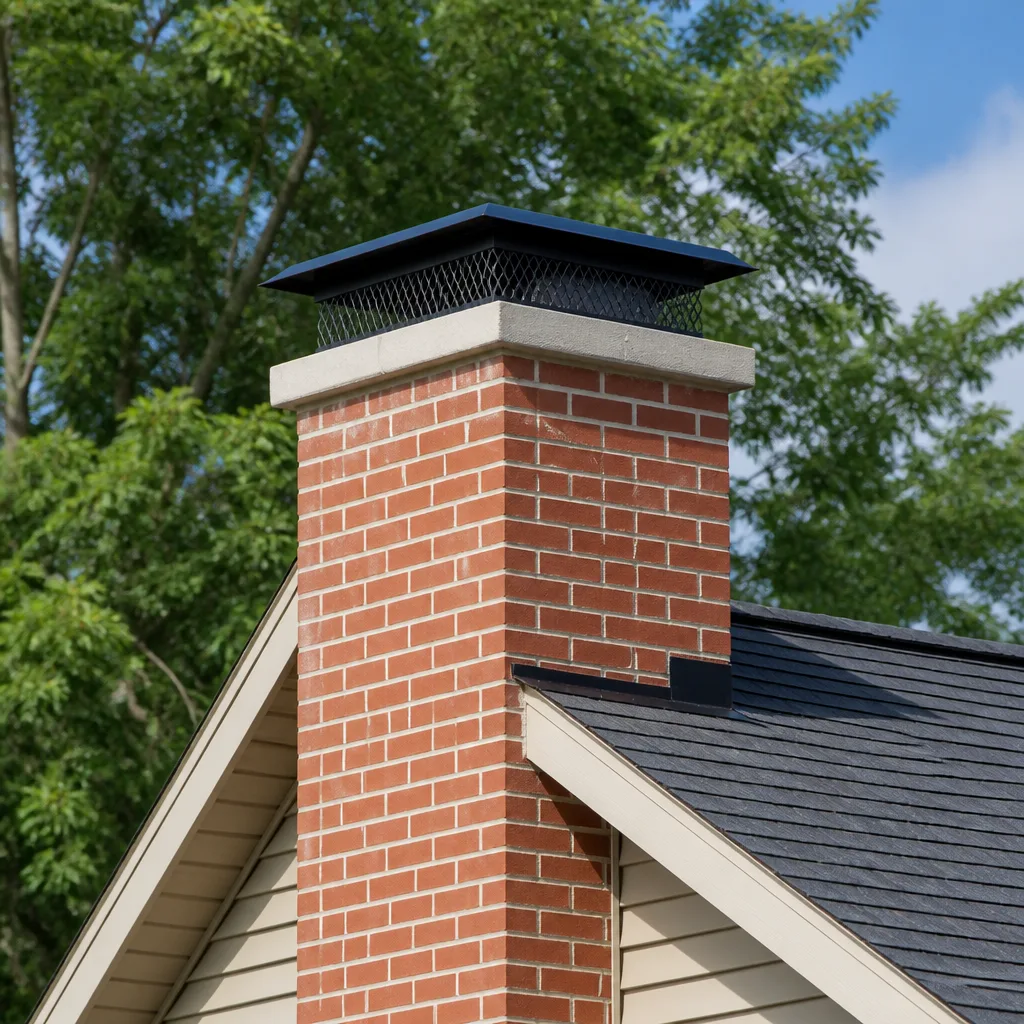
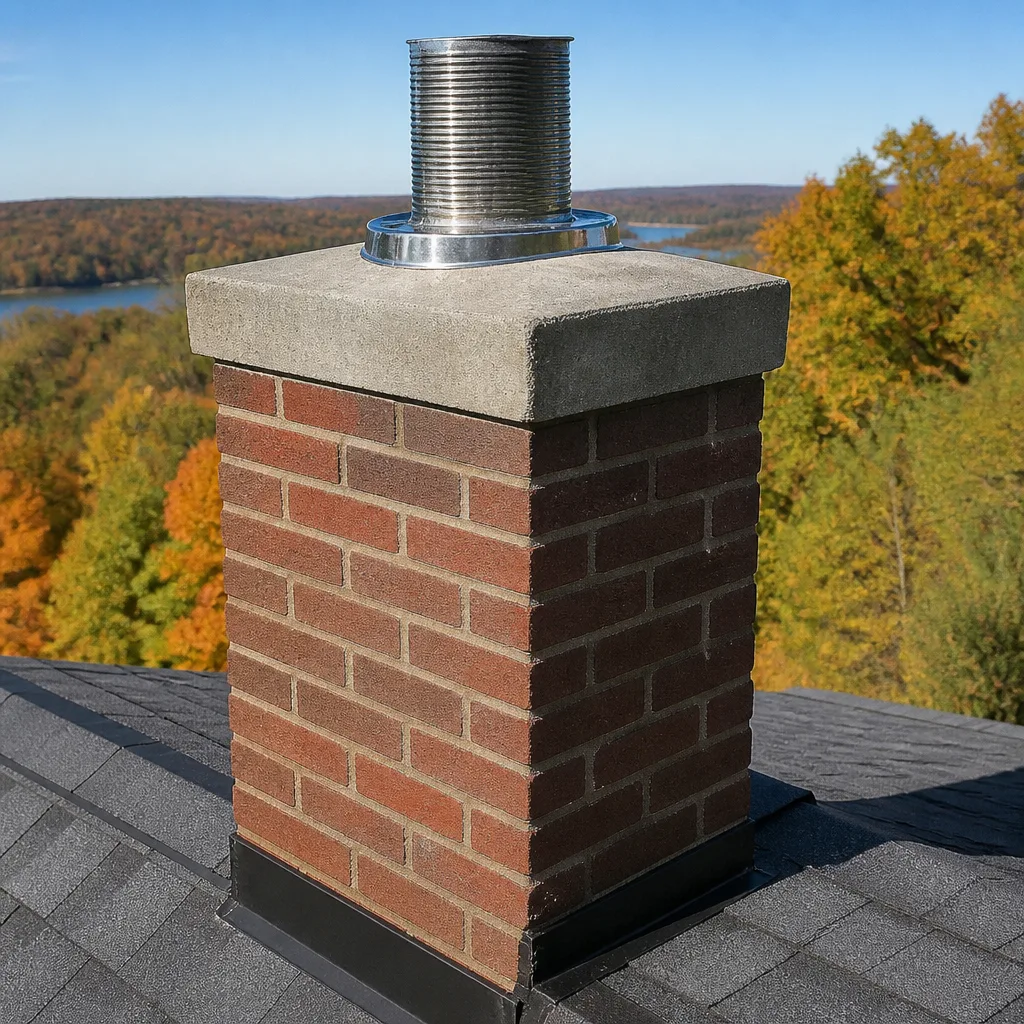
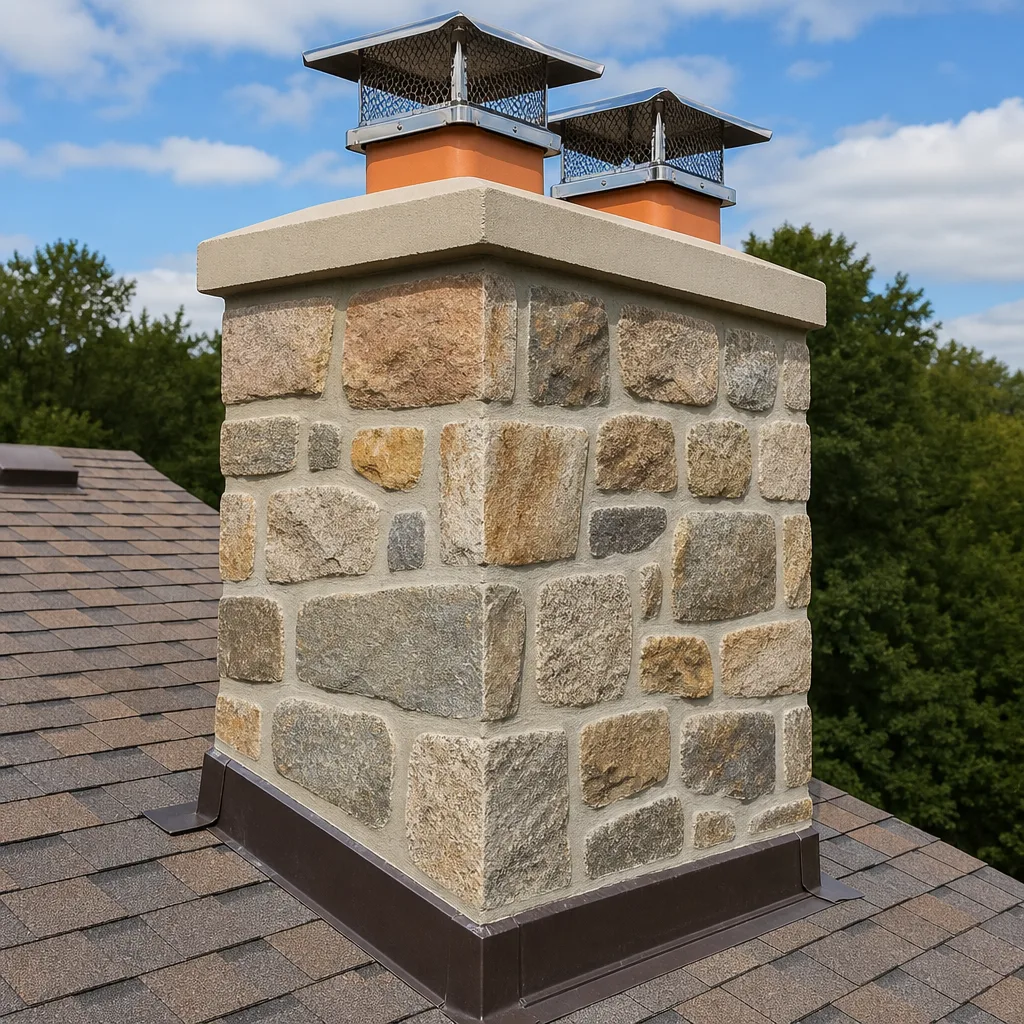
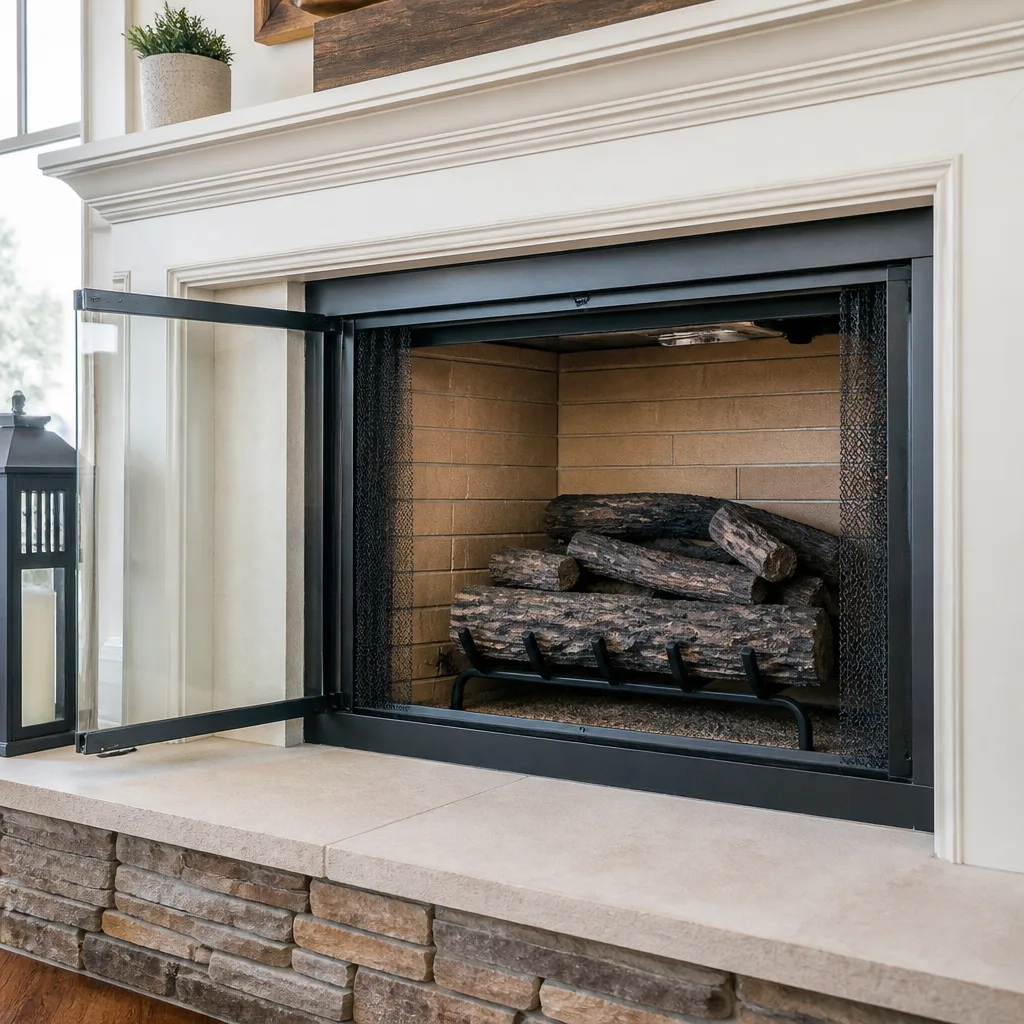
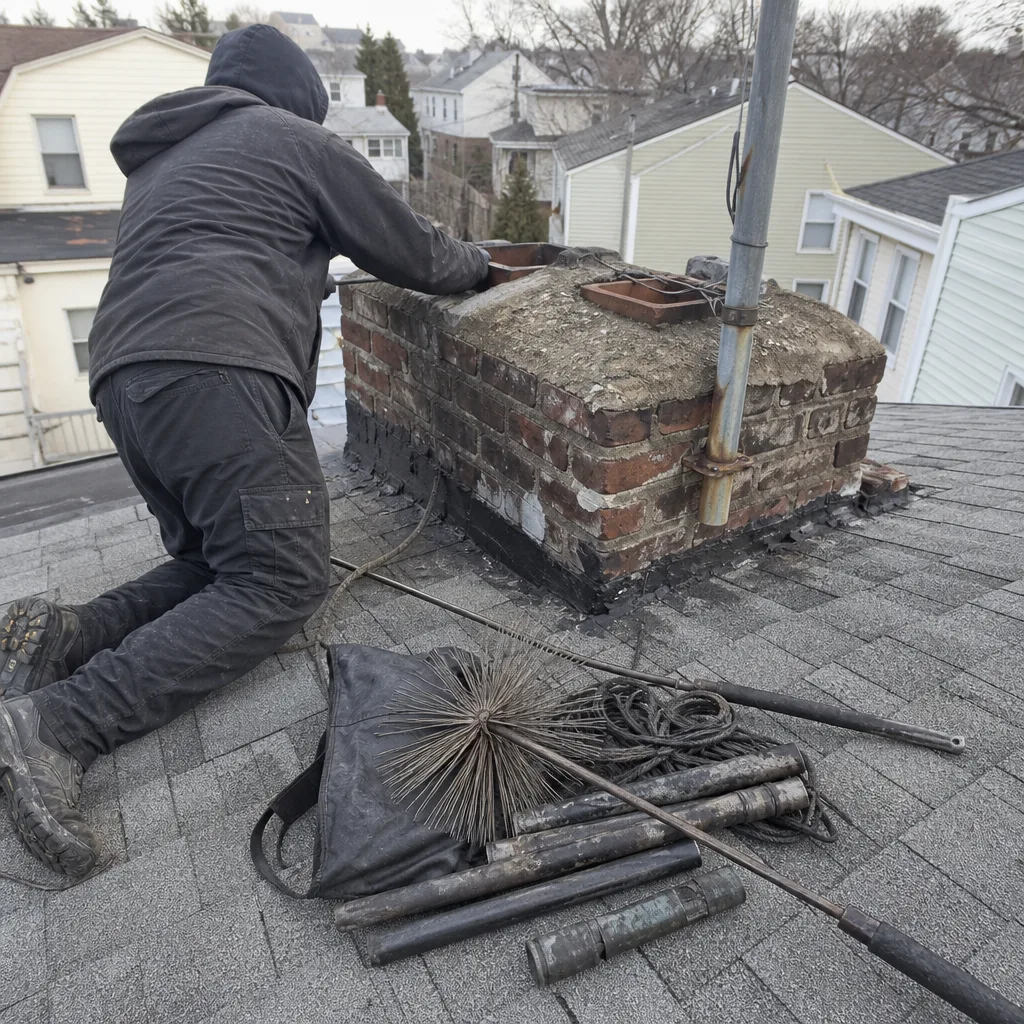 Before
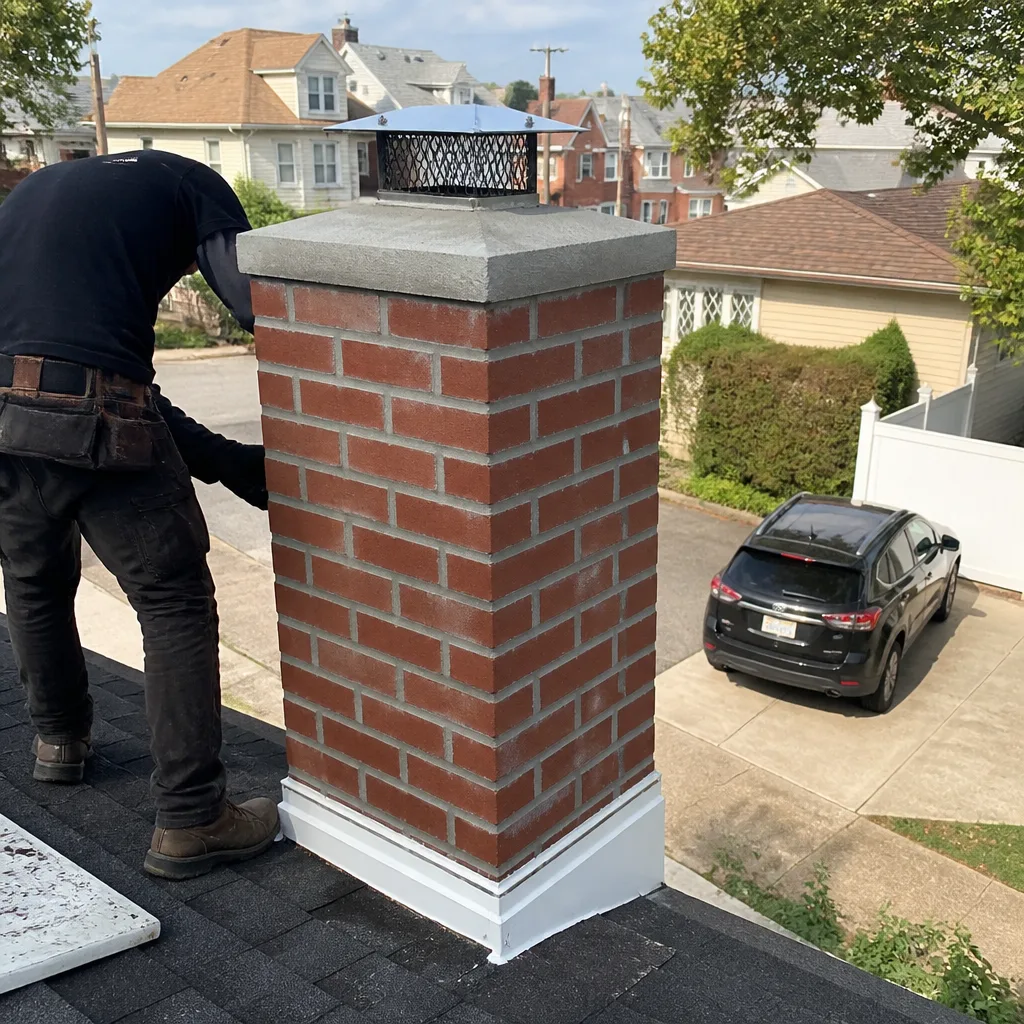 After
After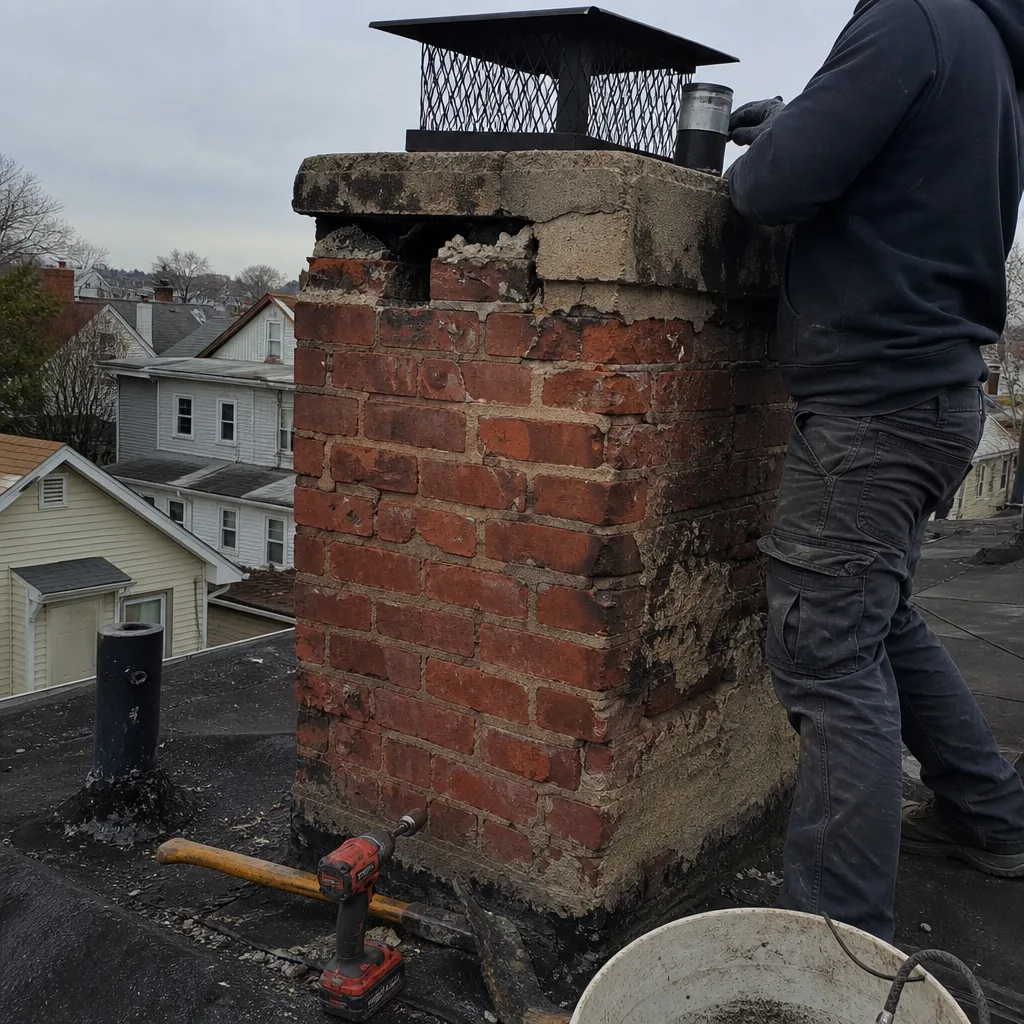 Before
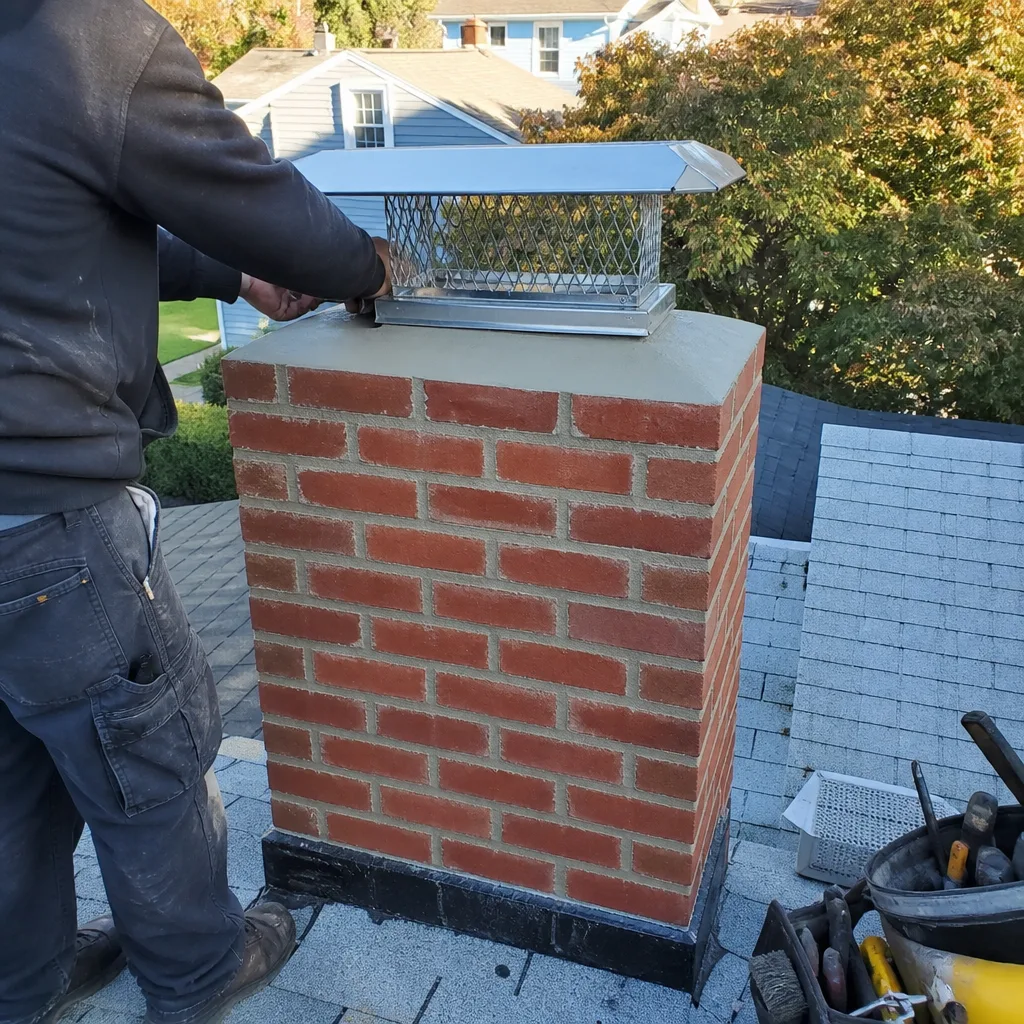 After
After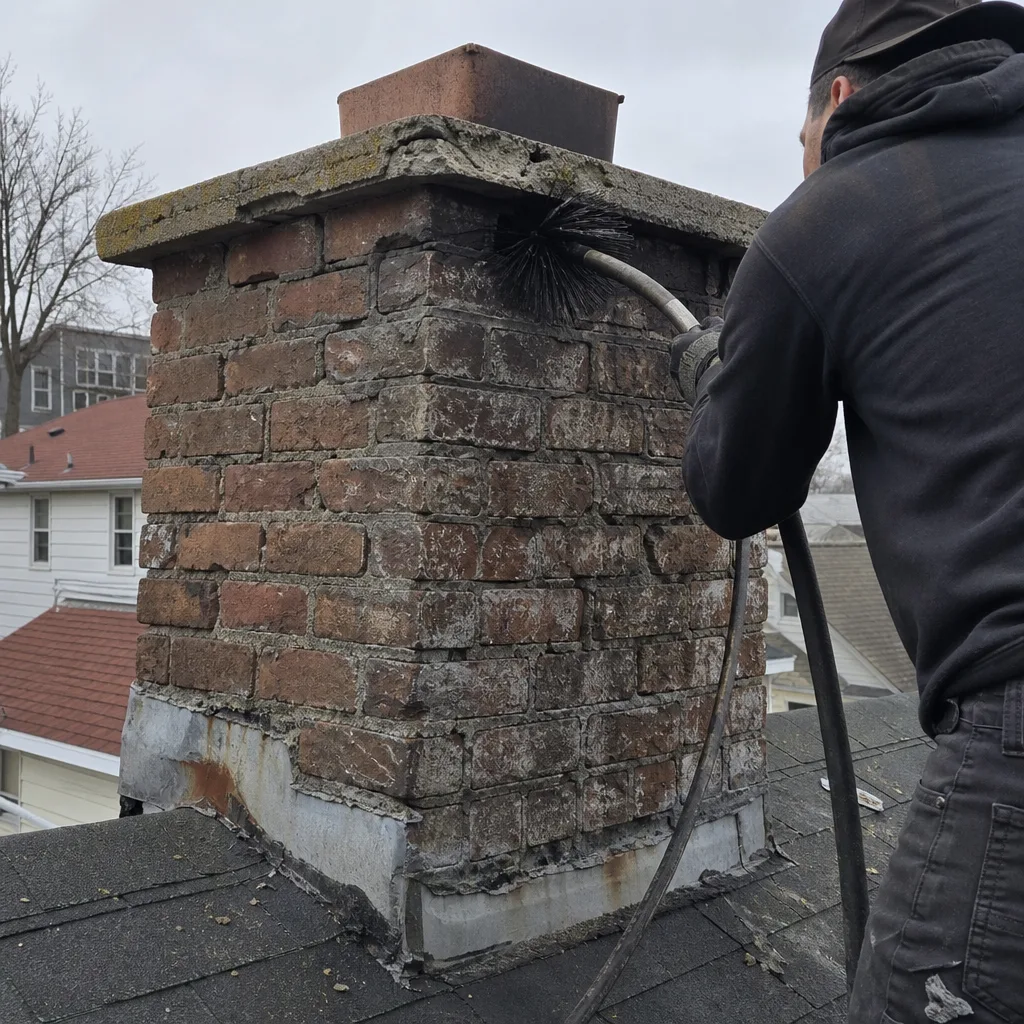 Before
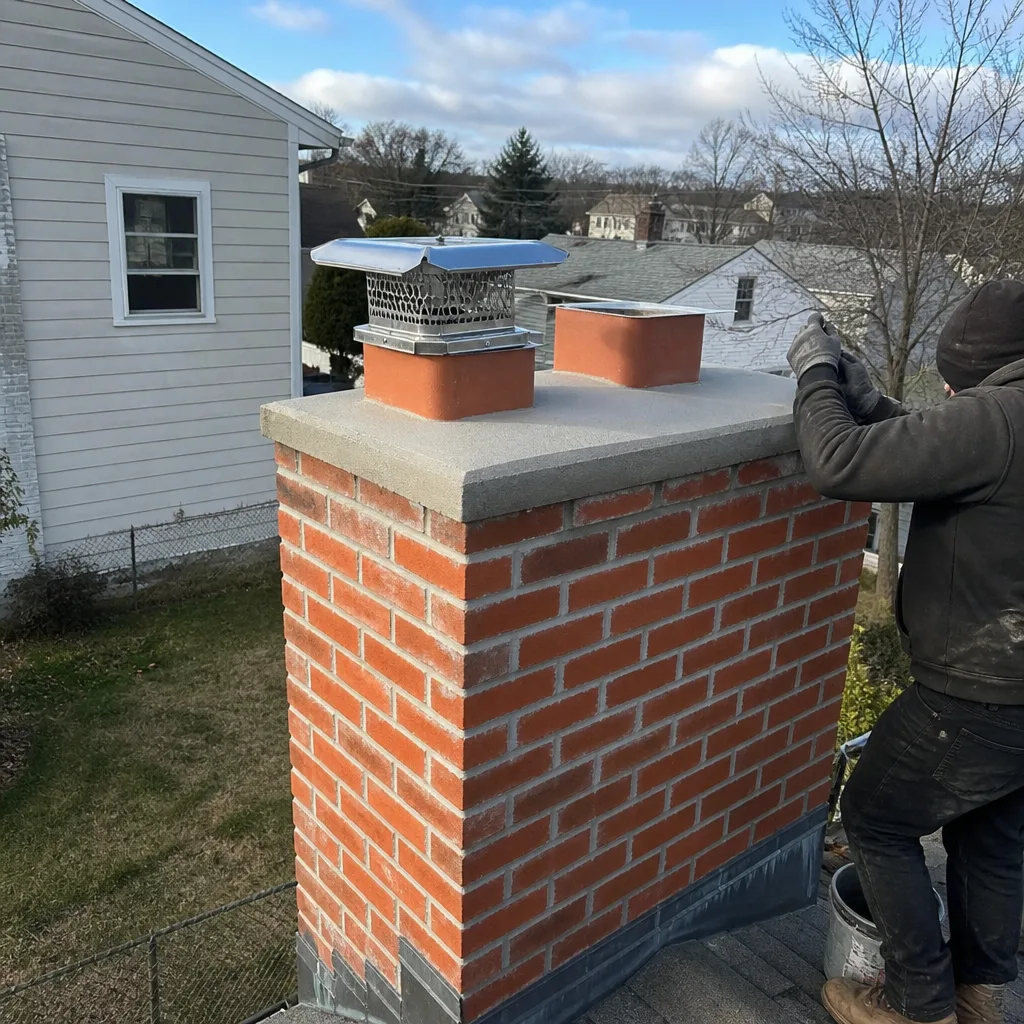 After
AfterChimney Cleaning Warning Signs: A Brooklyn Homeowner’s Reference Guide
Most Brooklyn homeowners only think about their chimney when the first cold snap hits in late October. That is a mistake, because a chimney rarely fails without first announcing itself. The white staining on your brownstone’s chimney stack is called efflorescence, and it means water is moving through your masonry right now. The faint musty smell when you walk past the fireplace in July is not your imagination. The fine black dust on your mantel in August is not just dust. This guide names the signals plainly, tells you which ones mean call this week and which can wait until spring, and gives you the reference points Wendell uses when he steps off the ladder and tells you what he saw. For more guides & resources, visit our blog.
Quick Answer
A chimney that needs attention will usually show one or more of these signals: a strong smoky or damp smell from the firebox when it is not in use, white staining or flaking brick on the exterior stack, visible soot or creosote buildup you can scrape with a butter knife, smoke rolling back into the room when you light a fire, or sounds like ticking and pinging from inside the flue. If you see any one of them, do not wait for the next burn season. Call Top Hat Chimney at (516) 289-9316 and describe what you are seeing. Wendell will tell you over the phone whether it is urgent or can be scheduled at your convenience.
Table of Contents
- The Smell Test: Musty vs. Smoky vs. Damp
- Efflorescence and What White Staining Actually Means
- Smoke Rollout: What a Draft Problem in a Brooklyn Rowhouse Tells You
- What You Can See From Inside the Firebox
- The Sounds a Chimney Makes: Ticking, Pinging, and What Is Normal
- The “Works Fine” Trap: Why Three Years Without a Sweep Is Already a Warning
- Creosote Stages and What Each One Means for Brooklyn Homes
- Common Mistakes to Avoid
- When to Call a Professional
- Frequently Asked Questions
- The Bottom Line
The Smell Test: Musty vs. Smoky vs. Damp
Most Brooklyn homeowners we talk to describe a smell from their fireplace in one of two ways: it smells like a campfire, or it smells like a basement. Those are not the same problem, and treating them as if they were leads to money spent on the wrong fix.
A smoky, sooty smell when the fireplace is cold almost always means creosote has built up inside the flue, and humidity in the air is releasing the odor back down into the room. You will notice it more on humid days in July and August, which is exactly when you are not thinking about the chimney. This is a first-degree creosote situation in most cases, and it gets fixed with a thorough sweep. Chimney Cleaning & Sweep in Brooklyn is the page that walks through what that job involves and how long it takes.
A damp, earthy, musty smell is different. That is moisture, and it means water is getting in somewhere: a cracked crown, failed flashing at the roofline, a missing cap, or a liner that has corroded through. In Brooklyn, where many homes are attached rowhouses, the water is often coming from a shared party wall or a parapet seam, not from your own roof. If the smell gets stronger after rain, that is a definite clue. Moisture inside a flue mixes with creosote to form an acidic slurry that eats mortar joints from the inside out. Smelling damp means the clock is running on the masonry. It will not be cheap to ignore.
Here is the distinction in plain terms: a smoky smell means your chimney needs cleaning. A damp smell means your chimney needs repair. Both are warnings. Only one of them can wait.
Efflorescence and What White Staining Actually Means
Walk outside and look up at your chimney stack. If you see white, chalky streaks or patches on the brick, that is efflorescence. It is salt and mineral deposits left behind when water moves through masonry and evaporates on the surface. The white staining itself is not structural damage. What it indicates is the problem: water is getting into your brick, and it has been for a while.
Efflorescence on a Brooklyn brownstone or brick rowhouse usually points to one of three entry points. The first is a cracked or deteriorated crown, the concrete cap on top of the chimney. The second is failed flashing, the metal seal where the chimney meets the roof. The third is spalling brick, which is brick that has started to flake and pop because water has frozen and thawed inside it through enough winters. Brooklyn gets roughly 25 inches of rain a year and plenty of freeze-thaw cycles between November and March. Each cycle pushes water deeper into the brick and widens the cracks.
Efflorescence is a warning sign you can literally see from the sidewalk. It does not require a ladder or a camera. If you see it, call a sweep. Wendell will inspect the crown, the flashing, and the brickwork, and he will tell you what is actually letting water in. He will not tell you to rebuild a chimney that only needs a crown seal. Ask anyone on your street: the honest answer is the only answer you will get from Top Hat Chimney.
Smoke Rollout: What a Draft Problem in a Brooklyn Rowhouse Tells You
Smoke rollout is when you light a fire and the smoke comes into the room instead of going up the flue. It is more than an annoyance. It is a draft failure, and in Brooklyn rowhouses specifically, we see three causes more than any others.
The first is a cold flue. On a winter evening in Park Slope or Bay Ridge, the air inside an exterior chimney is the same temperature as the outside air. Cold air is dense and it sits in the flue like a cork until something warms it and gets it moving upward. If the fire is not yet hot enough, the smoke has nowhere to go but out. The fix is often a simple preheat: hold a lit roll of newspaper up near the damper for thirty seconds before you light the kindling. That is a homeowner fix, not a chimney repair.
The second common cause is a partially closed damper or a damper that no longer opens fully. Dampers warp over time, especially in older Brooklyn homes where the original cast-iron damper may be forty or fifty years old. If the handle feels loose or you cannot tell whether the damper is fully open, that is worth a professional look. See How to Hire a Chimney Cleaning Contractor in Brooklyn: A Step-by-Step Guide if you are choosing who to call.
The third cause, and the one we take most seriously, is a flue obstruction. A bird’s nest at the top, a collapsed flue tile, or a heavy creosote accumulation can all choke the draft. In attached Brooklyn rowhouses, we also see cases where a neighbor’s chimney work has shifted the shared stack and narrowed your flue opening. That is not a DIY situation. Smoke rollout that persists after the preheat trick means the chimney needs a camera inspection to see what is actually blocking the path.
What You Can See From Inside the Firebox
You do not need to climb onto the roof to spot chimney warning signs. A flashlight and two minutes looking inside the firebox will reveal a lot. Here is what to check, and what each thing means.
Look at the firebrick, the pale brick lining the sides and back of the firebox. If the surface is flaking, crumbling, or has thin cracks running through it, that is spalling. Spalling firebrick means the brick has absorbed moisture and is slowly disintegrating from heat and freeze cycles. You may see small piles of sandy grit at the bottom of the firebox. That is the firebrick eroding. It needs repair before the structural brick behind it starts taking direct heat.
Next, look at the damper plate, the metal door just above the firebox that opens and closes the flue. If it is warped, rusted through, or does not move smoothly, it is not sealing your home from the outside when the fireplace is cold. A cracked damper plate lets heated air escape up the chimney all winter and lets cold air, rain, and the occasional squirrel come down. Damper replacement is one of the most common Chimney Repair in Brooklyn calls we make.
Finally, if you can angle the flashlight up, look at the smoke shelf, the flat area just above the damper where smoke collects before entering the flue. If you see a thick layer of black soot or what looks like dark, flaky crust built up there, that is creosote accumulation. The smoke shelf is a collection point by design, which means it is also a primary location where creosote builds to dangerous thickness.
The Sounds a Chimney Makes: Ticking, Pinging, and What Is Normal
A stainless steel chimney liner expands when it heats up and contracts when it cools. That produces a ticking or pinging sound, and in most cases it is completely normal. If you have a fire going and you hear occasional pings from inside the flue, that is thermal expansion doing what thermal expansion does.
What is not normal is a louder, more metallic banging or rattling, especially when there is no fire burning. That can indicate the liner has separated at a seam, a connector has come loose, or the liner has shifted inside the masonry chimney. A separated liner is a serious matter: it means gaps exist in the path your smoke and combustion gases are supposed to travel straight up. Combustion gases that escape through a gap in the liner can find their way into wall cavities, floor spaces, and living areas. That is a carbon monoxide risk, and it is not something to diagnose by ear and hope for the best.
If you have a stainless liner, brands like DuraFlex, Copperfield, and Famco make quality products that last decades when installed correctly. But installation quality is the variable. A liner that was pulled through a tight offset without proper support can rattle from day one. A liner that is properly sized and supported will not. If your chimney is making noises you cannot explain, call Top Hat Chimney. Wendell has been inside enough Brooklyn chimneys to know the difference between thermal expansion and a liner that has let go.
The “Works Fine” Trap: Why Three Years Without a Sweep Is Already a Warning
Here is the thing we hear most often from Brooklyn homeowners: “It works fine. We have not had any problems.” And here is the thing we always say back: your flue does not care how the fire looks. It cares how it breathes.
A chimney that has not been swept in three or more years is a warning sign by itself, regardless of whether you see smoke, smell odors, or notice staining. The National Fire Protection Association standard, which is the reference most sweeps follow, says chimneys should be inspected annually and cleaned when creosote reaches 1/8 inch of buildup. The average homeowner cannot judge 1/8 inch of buildup by looking up from the firebox. We can, and we measure it with a camera and a scrape test on every visit.
Your actual risk level depends on two things: what you burn and how often. If you burn seasoned hardwood two or three nights a week from November through March, you are producing creosote faster than the occasional-fireplace household, and a three-year gap is genuinely risky. If you burn green wood or soft woods like pine, creosote accumulates even faster because the smoke is cooler and wetter. If you never burn at all, your main risks shift to moisture damage, animal nests, and masonry deterioration, because chimneys break in the off-season too.
Once a year, burn or no burn. That is the rule. In Brooklyn, where many homes are over 100 years old, the margin for error is smaller than in a newer suburban build. Old mortar, aging flue tiles, and shared party walls do not forgive neglect the way a modern chase chimney might.
Creosote Stages and What Each One Means for Brooklyn Homes
Creosote is the byproduct of wood smoke condensing on the inside of your flue. It builds in three recognized stages, and each one carries a different level of urgency.
First-degree creosote is dry, flaky, and sooty. It brushes off easily. This is what you have after a season of burning seasoned hardwood with a good draft. A routine sweep handles it, and it is what you should aim to catch every year. First-degree creosote is a brush job. It is normal maintenance, not a crisis.
Second-degree creosote is thicker, tar-like, and harder to remove. It starts to look like baked-on black glaze in patches. It forms when the flue runs cooler, often because of an oversized flue, restricted airflow, or burning wood that is not fully seasoned. Second-degree creosote typically requires rotary cleaning tools and more time to remove. It is a sign that your burn habits or your flue setup need adjustment, and it is the stage where you start to lose significant margin.
Third-degree creosote is a hard, shiny glaze that resembles black glass. It is concentrated fuel. A hot ember or a chimney fire of any intensity can ignite it, and once creosote ignites, it burns hot enough to crack flue tiles, warp liners, and transfer fire to the surrounding structure. In an attached Brooklyn rowhouse, that is not just your home at risk. It is the building. Third-degree creosote cannot be brushed out. It often requires chemical treatment or flue replacement. The camera footage and a plain-English verdict, every time, no exceptions: if you have third-degree creosote, Wendell will show you on screen and tell you exactly what it means.
Common Mistakes to Avoid
- Using the fireplace as a garbage incinerator. Burning wrapping paper, cardboard, or mail produces hot, floating ash and volatile chemicals that accelerate creosote buildup. Wrapping paper especially can flash-burn and send embers up the flue. It is the most common avoidable mistake we see in Brooklyn homes.
- Ignoring a damp smell because “it goes away in winter.” Moisture problems do not go away; they just become less noticeable when the air is dry. The water is still there, and it is still doing damage to your masonry every freeze cycle.
- Skipping the annual inspection because you do not burn often. An unused chimney is a nesting site. Birds, squirrels, and raccoons do not care about your burn schedule. A chimney in Bay Ridge that goes unused all year can be fully blocked by a nest by the time you want your first fire.
- Waiting until October to call a sweep. Every Brooklyn sweep worth calling is booked solid from September through December. Scheduling a July or August sweep means you get your choice of appointment times and you have the whole burn season ahead of you with a clean flue.
- Assuming a stainless liner means zero maintenance. Stainless liners resist corrosion far better than masonry flues, but they still accumulate creosote and should still be inspected annually. A liner is an improvement, not an exemption.
- Painting over efflorescence or sealing a chimney from the inside. Sealing the exterior traps water inside the masonry, which accelerates spalling. The water entry point needs to be found and fixed first. Then you can address the cosmetic surface.
When to Call a Professional
There are warning signs a homeowner can watch, and then there are warning signs that mean stop, put down the flashlight, and pick up the phone. Call a professional if you see efflorescence that keeps coming back after brushing it off, smoke that rolls back into the room even after a proper preheat, firebrick that is crumbling to the touch, a damper that will not open or close fully, or any persistent damp smell that strengthens after rain. If you hear banging or rattling from the flue with no fire burning, call immediately and describe the sound. These are not DIY items. A chimney is a system, and by the time a problem is visible from the ground, it has been developing for a while.
Top Hat Chimney offers free estimates in Brooklyn. Call (516) 289-9316 and tell Wendell what you are seeing. He will give you a straight answer before a single tool comes off the truck.
Frequently Asked Questions
A standard chimney sweep in Brooklyn typically runs between $180 and $350 depending on the condition of the flue, the height of the chimney, and whether it is a masonry or prefab system. If the chimney has heavy second or third-degree creosote buildup, the price goes up because the job requires rotary tools and additional labor. Top Hat Chimney gives you an upfront price before work begins, and the number you hear on the phone is the number on the invoice. Call (516) 289-9316 for an exact quote with no trip charge inside the county.
Once a year, regardless of how much you burn. The National Fire Protection Association recommends annual inspection and sweeping when creosote reaches 1/8 inch. In Brooklyn, where many homes have older masonry chimneys and attached party walls, that annual check is the cheapest insurance you can buy. Homes that burn three or more nights a week during winter may need a mid-season sweep as well.
Creosote accumulates inside the flue. In early stages, it reduces draft and causes odors. In later stages, it becomes a hardened fuel that can ignite in a chimney fire, cracking flue tiles, warping liners, and in attached Brooklyn rowhouses, spreading to the building structure. Skipped cleaning also means missed detection of water damage, animal nests, and cracked masonry, all of which become more expensive the longer they go unnoticed. If it has been more than two years since your last sweep, schedule one. Call (516) 289-9316 and we will fit you in.
You need a new liner only if the existing one has failed, and the only way to know that is to look inside with a camera. Wendell will show you the footage and point to exactly what he is seeing before any liner recommendation is made. He will also tell you plainly if the current liner can safely stay. No camera evidence, no recommendation. That is the rule at Fireplace Services in Brooklyn, and it never changes.
You should not burn until the chimney has been inspected and swept, because the smell indicates creosote buildup, and burning adds heat and flame to that buildup. A small creosote fire in the flue may go out on its own, but it may also crack your liner or transfer heat to the surrounding masonry. The safer move is to get the flue swept first. Then burn with confidence.
It depends on the cause. Damage from a sudden event, like a lightning strike or a falling tree limb, is typically covered. Damage from long-term neglect, like creosote buildup or water penetration that was never addressed, is typically not covered. Your adjuster will ask about maintenance history. An annual sweep record helps establish that you maintained the system, and it is worth keeping receipts. If you need a second opinion on an estimate for insurance work, Top Hat Chimney will review any written estimate from another company at no charge.
The Bottom Line
A chimney tells you when something is wrong. The white staining on the brick, the damp smell after rain, the smoke that curls back into the room, the firebrick flaking into grit on the floor of the firebox, the pinging sound that becomes a rattle: each one is a signal, and each one has a specific meaning. A smoky smell needs a sweep. A damp smell needs a repair. A three-year gap means you are already behind regardless of how the fire looks. Brooklyn is a city of old brick and attached homes, and the margin for error shrinks with every freeze-thaw cycle. Listen to what your chimney is saying. Then call someone who will tell you the truth about what needs doing and what does not.
Written by Wendell Pike, Owner at Top Hat Chimney, serving Brooklyn since 1999.