
Last updated September 10, 2026
Level 1 sweep and inspection to the NFPA 211 annual standard - flue, crown, cap, and flashing checked and photographed
Chimney sweep logs do not sweep chimneys. They loosen some creosote - which then falls where a brush and vacuum still have to collect it.
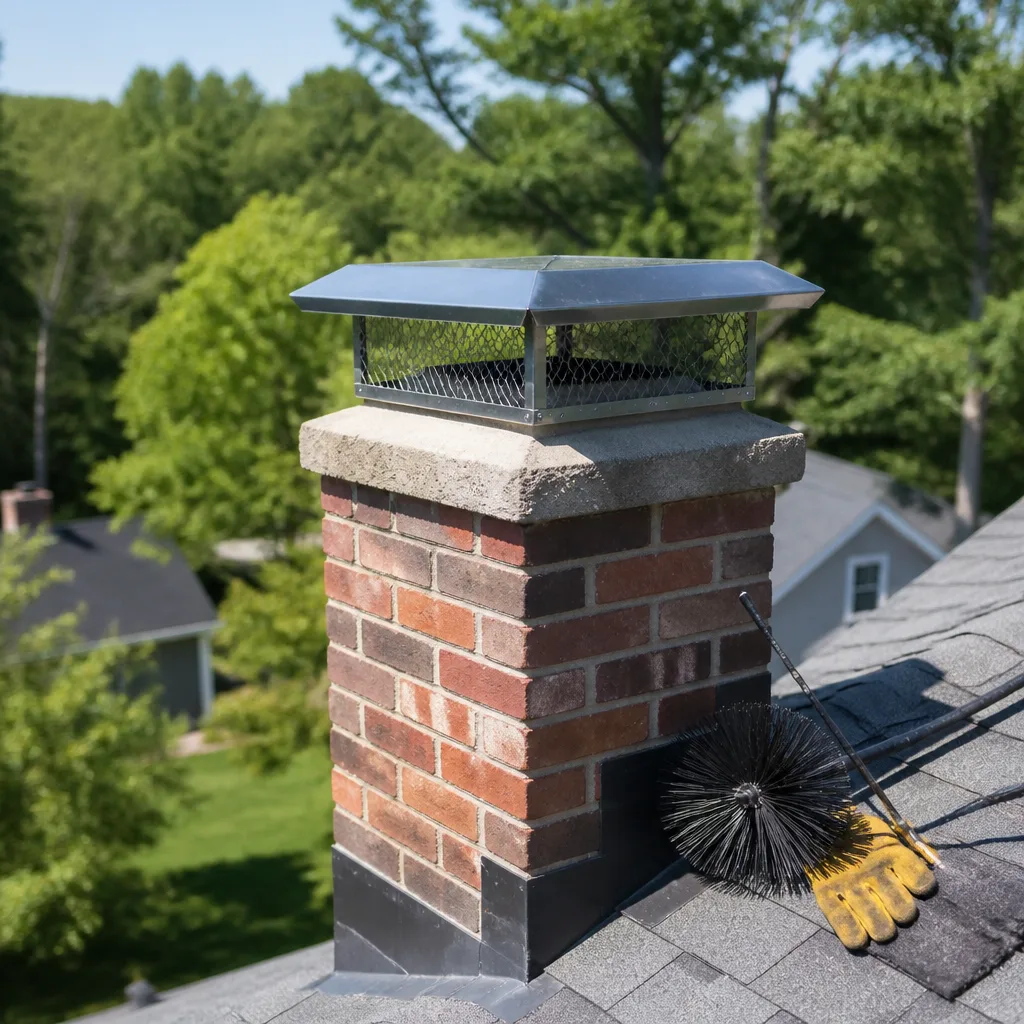
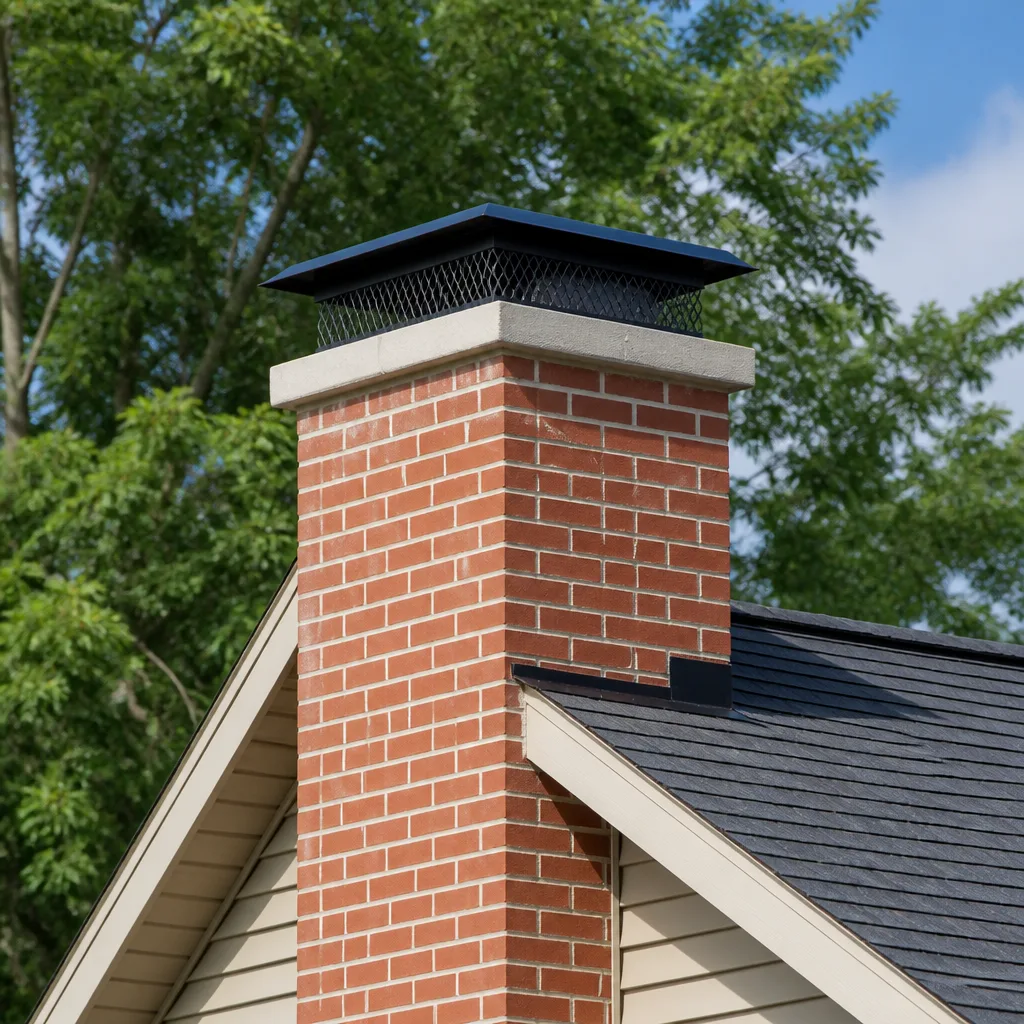
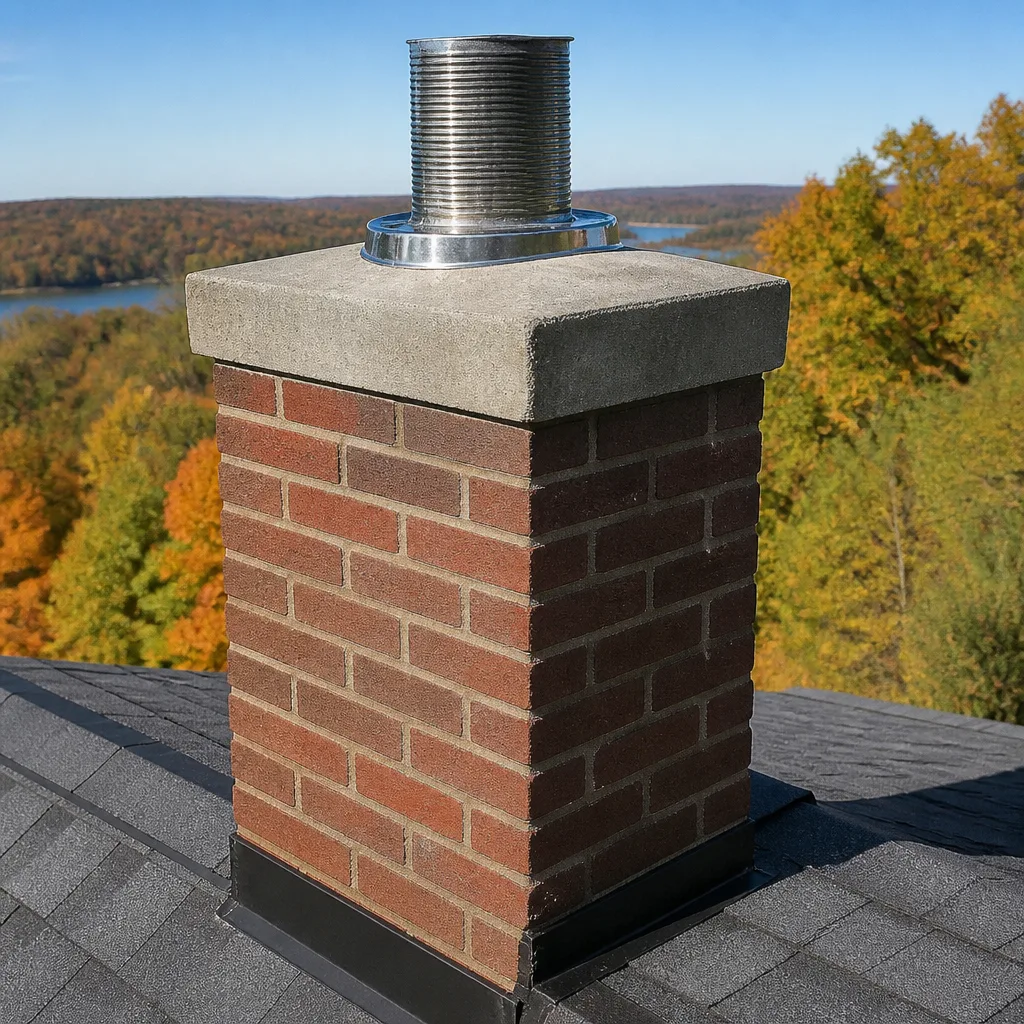
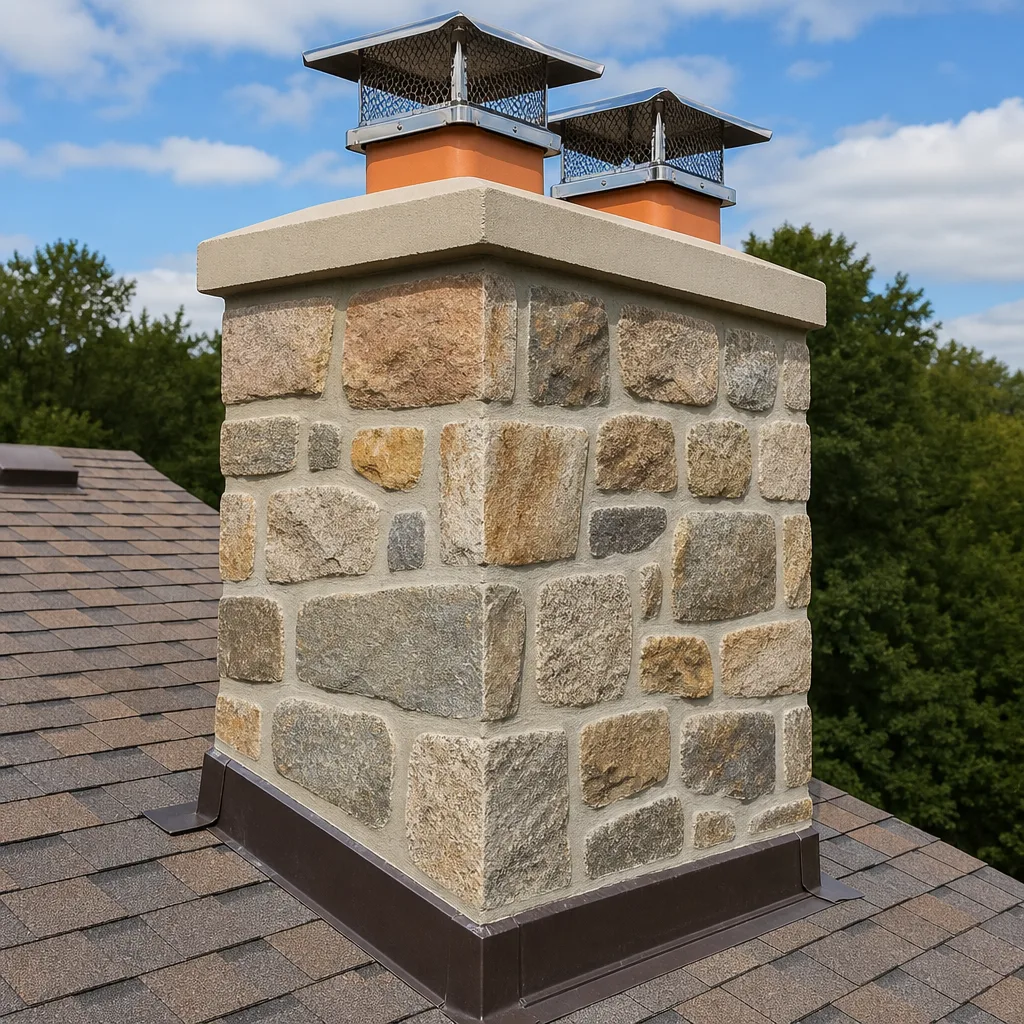
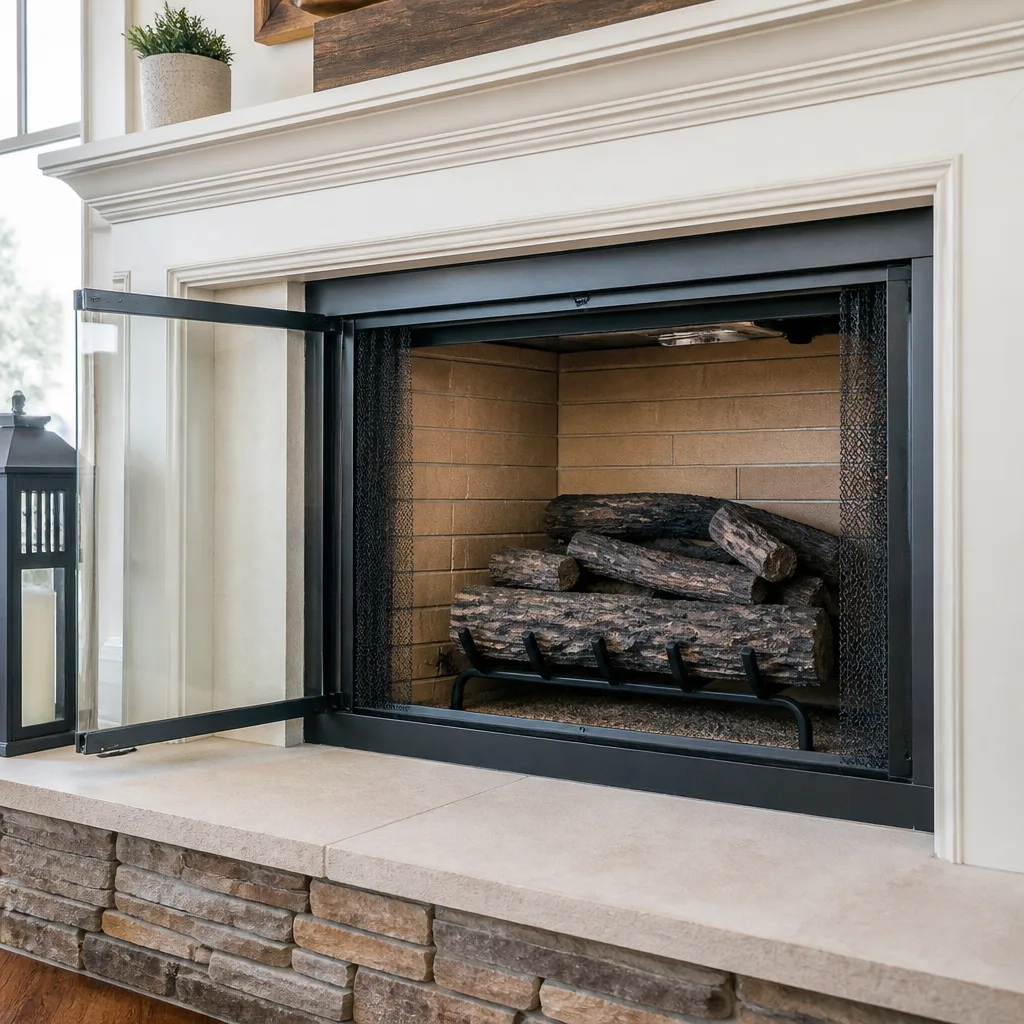
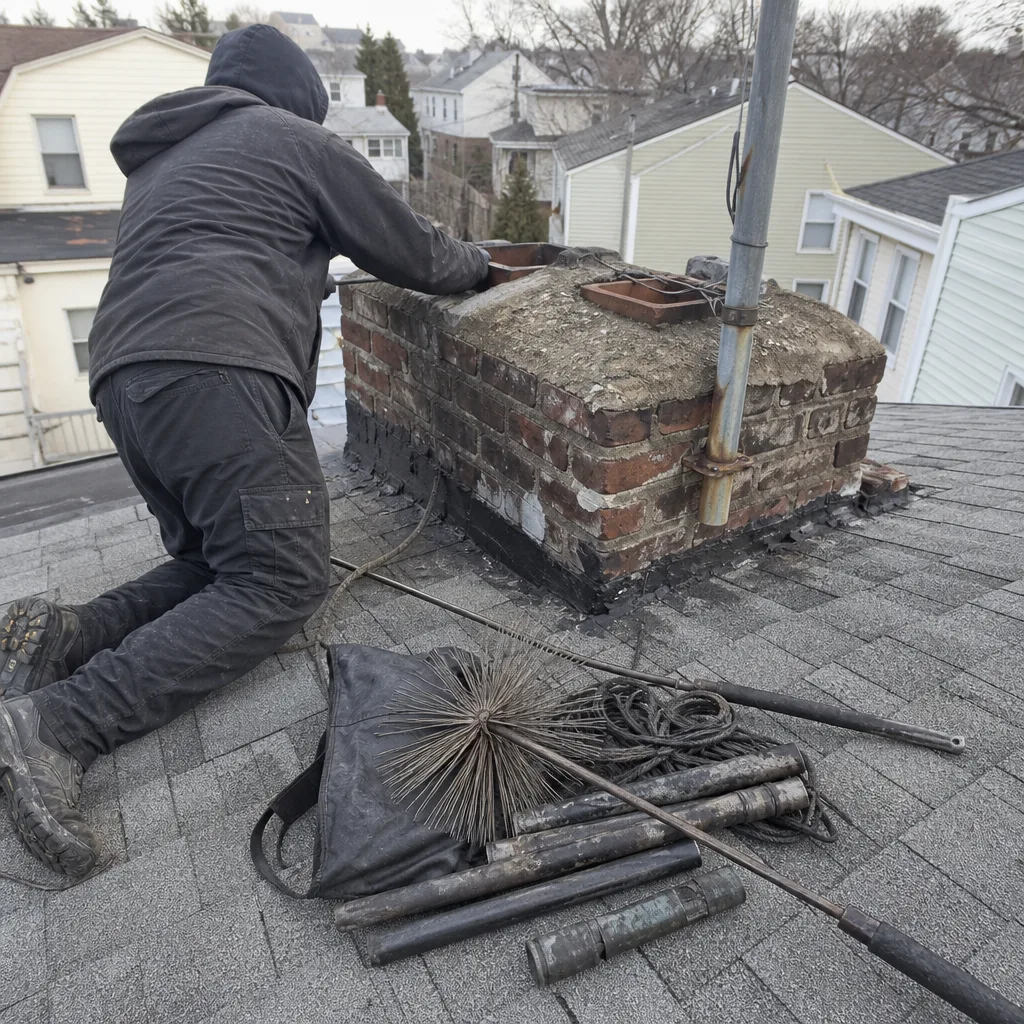 Before
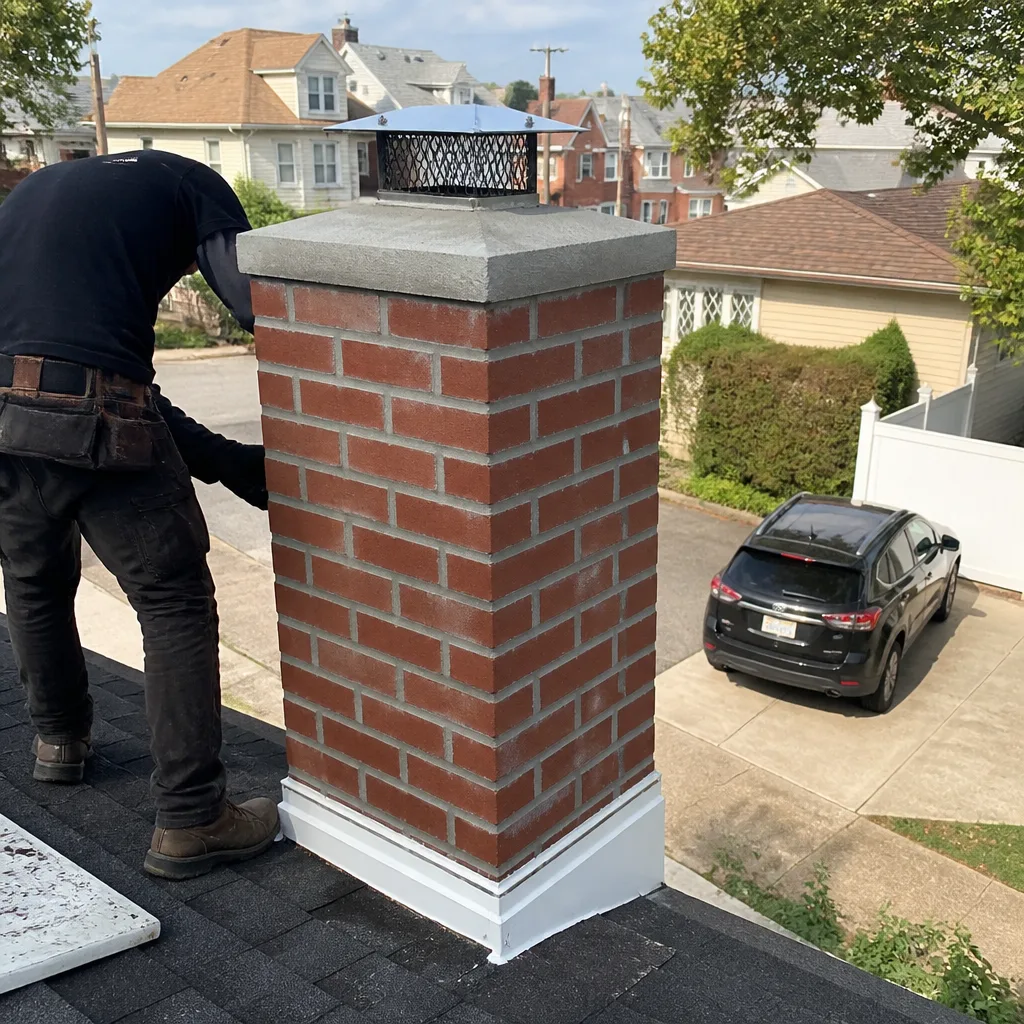 After
After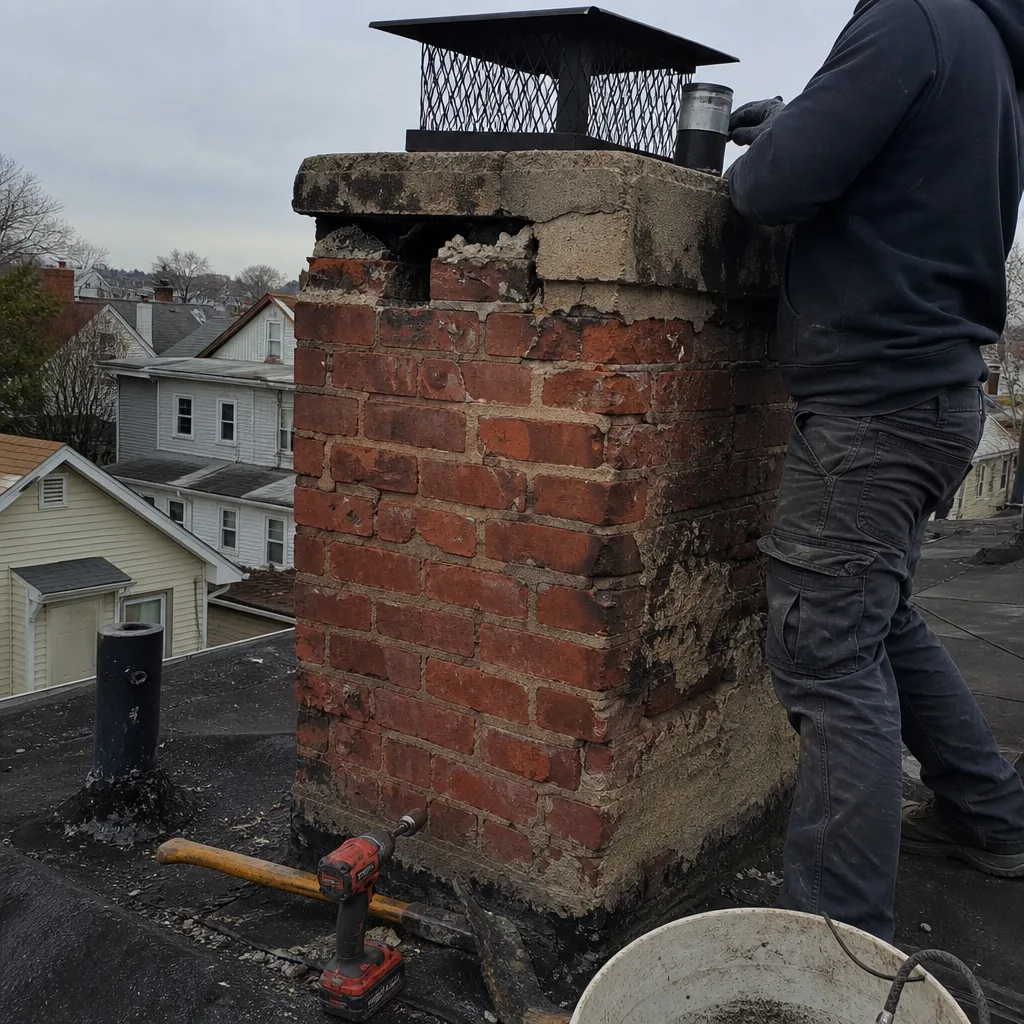 Before
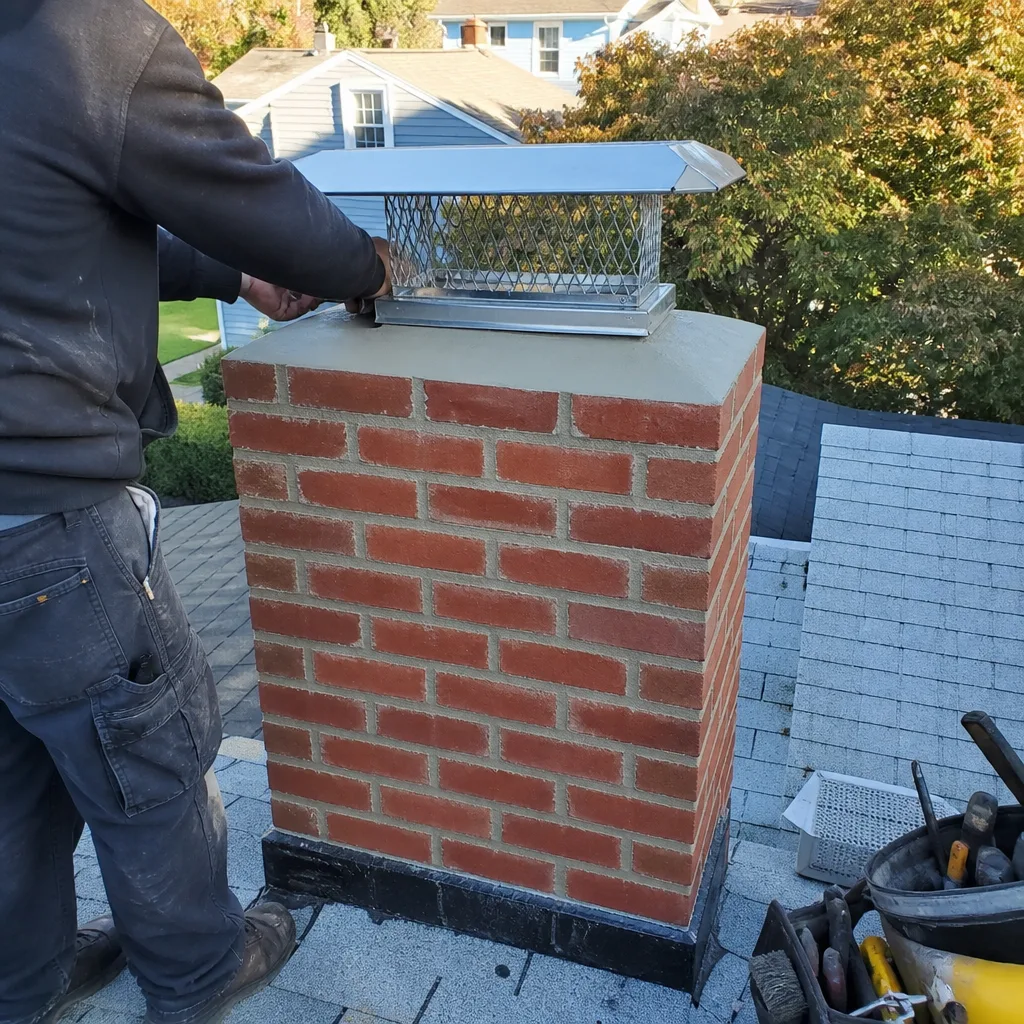 After
After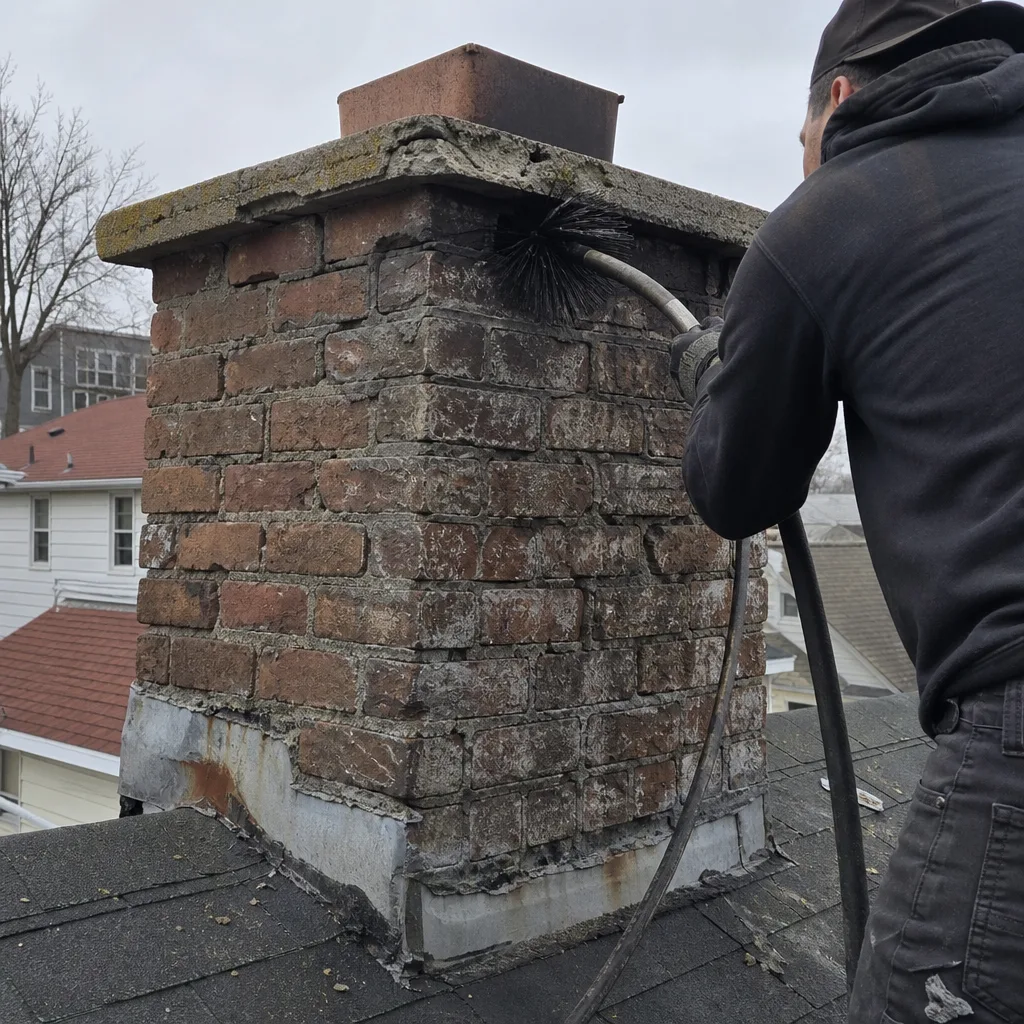 Before
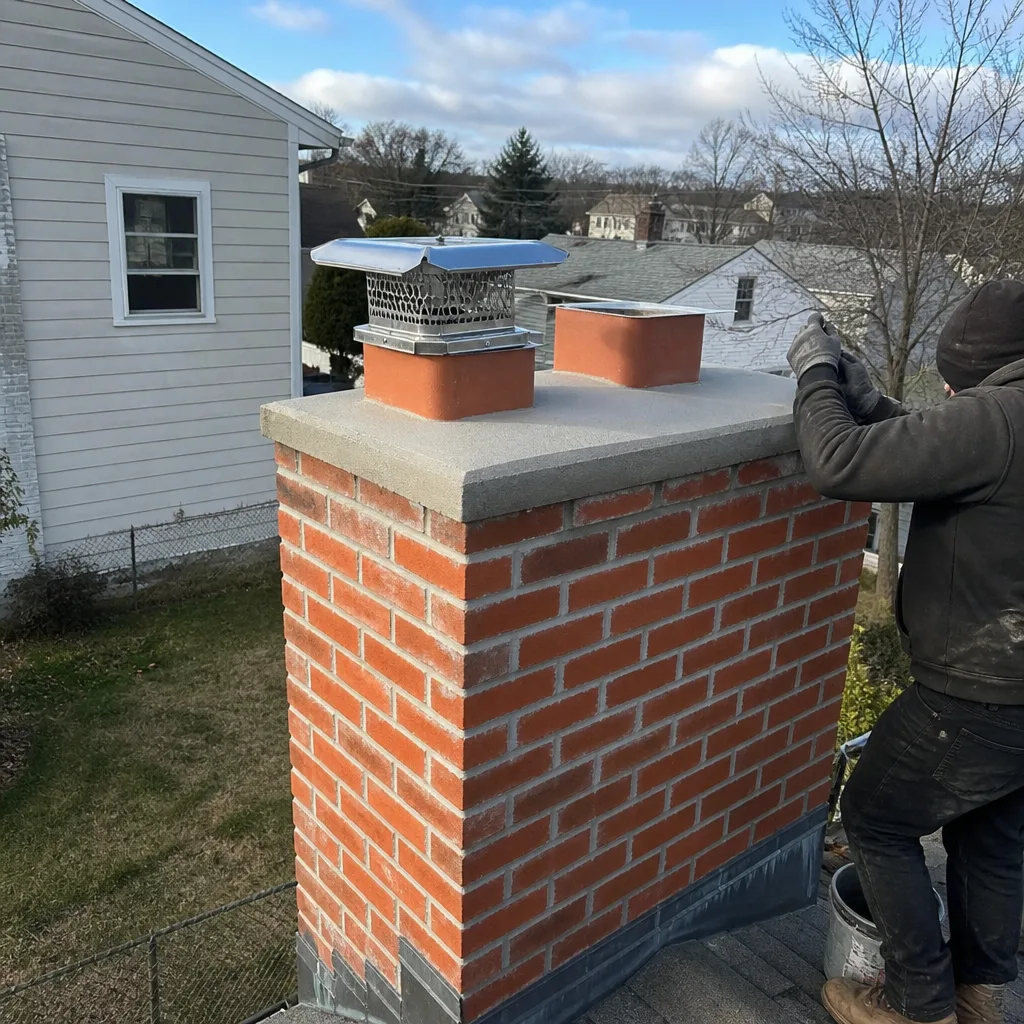 After
AfterDIY vs Professional Chimney Cleaning: The Brooklyn Homeowner’s Decision Guide
You can clean a lightly used gas fireplace flue yourself with a $40 brush kit and an afternoon, and for some Brooklyn homeowners, that is the honest answer. But the moment you’re burning wood, living in a brownstone with a shared roof deck, or looking at a flue that hasn’t been touched in three years, the math changes fast. This guide walks through exactly where the DIY line sits, what crossing it costs when things go wrong, and how to know which side of that line your chimney falls on. For more guides & resources on keeping your Brooklyn home safe, see our blog. We’ve swept thousands of Brooklyn flues since 1999, and we’ll tell you plainly when the job does not need doing.
Quick Answer
DIY chimney cleaning is reasonable for Brooklyn homeowners with a gas fireplace burning less than once per week and a flue that was professionally inspected within the past two years. For wood-burning fireplaces, any flue with more than one season of use, or any rowhouse or brownstone requiring roof access over shared decks or parapets, professional cleaning is the safer and usually cheaper choice once you factor in the cost of fixing a mistake. The real question is not “can I clean it” but “what am I looking at, and what happens if I miss something.”
Table of Contents
- What a Brooklyn Homeowner Can Actually Do Safely
- When DIY Gets Dangerous: Creosote, Height, and Hidden Damage
- The Brooklyn Brownstone Roof Problem Nobody Mentions
- What It Actually Costs to Fix a DIY Mistake
- How Often Should a Chimney Be Cleaned in Brooklyn?
- What a Professional Sweep Actually Does That DIY Cannot
- Choosing Who to Call: What to Ask Before You Book
What a Brooklyn Homeowner Can Actually Do Safely
There is a real list of maintenance tasks that do not require a professional, and being honest about that list matters because it keeps you from spending money on a sweep you don’t need yet. A homeowner with a gas fireplace in a low-rise Brooklyn home, a basic set of tools, and the willingness to spend an afternoon can handle several things competently. The key is knowing what those things are and, just as important, what they are not.
Here is what you can do yourself without special training:
- Clean the chimney cap and spark arrestor. If you can safely reach the cap from a ladder on a single-family home roof with a modest pitch, removing leaves, twigs, and nesting debris from the cap is straightforward. In Brooklyn, this matters more than you might think: our borough has a real pigeon population, and caps clog with nests faster than most homeowners expect. A clogged cap is a draft problem, and a draft problem is a smoke problem.
- Remove firebox debris. Ash, small bits of charred wood, and the general detritus that collects in the firebox after a season of use can be cleaned out with a shop vacuum and a stiff brush. Wear a dust mask. Wait until the ash is fully cold, which means at least 48 hours after your last fire.
- Basic visual inspection. With a bright flashlight and a mirror, you can look up the flue from inside the firebox and check for obvious problems: fallen bricks, a missing flue tile segment, a visible bird nest, or heavy black buildup. You cannot see everything, but you can see enough to know whether you need a professional opinion.
- Check the damper. A damper that doesn’t open and close smoothly, or one that is rusted in place, is a problem you can spot yourself. Whether you should fix it depends on how handy you are and how accessible the damper is.
The honest limitation on all of this: these tasks work when the flue is already in good shape from a recent professional cleaning. If a sweep looked at your chimney two years ago and gave it a clean bill, and you have been burning gas casually since then, your DIY afternoon is realistic. If the last professional look was five years ago, or never, you are not maintaining a clean system. You are guessing about a system that may already have problems you cannot see.
When DIY Gets Dangerous: Creosote, Height, and Hidden Damage
Wood-burning fireplaces are a different category entirely, and the reason comes down to one word: creosote. When wood burns, it releases volatile compounds that condense on the cooler walls of the flue as a tarry, flammable residue. The National Fire Protection Association has been clear on this for decades, and the standard is simple: creosote buildup is the leading cause of chimney fires, and chimney fires are a leading cause of house fires. Your flue doesn’t care how the fire looks. It cares how it breathes.
Creosote develops in stages, and the stages are not equal:
- Stage 1: A dusty, sooty, flaky deposit that brushes off relatively easily. This is what a $40 brush kit from a hardware store is designed to handle, and on a flue with light use and Stage 1 buildup only, a careful homeowner can make real progress.
- Stage 2: A shiny, hard, tar-like glaze that has begun to bake onto the flue walls. This does not come off with a homeowner brush kit. It requires rotary cleaning tools, chemical treatments, or both. Brushing Stage 2 creosote with a basic brush polishes it, which sounds good and does nothing useful.
- Stage 3: A thick, hardened, glazed coating that looks like black glass and has significantly reduced the flue’s diameter. Stage 3 creosote is a fire hazard that requires professional removal, often with specialized chains and rotary heads. It is not a brush job under any circumstances.
Here is the problem with DIY: most homeowners cannot tell the difference between Stage 1 and Stage 2 creosote from the firebox floor. What feels like a satisfying afternoon of brushing can leave behind a glazed deposit that still poses a real fire risk. And in a Brooklyn rowhouse, where flues often run through shared party walls, a chimney fire is not just your problem. It is your neighbor’s problem too. First-degree creosote is a brush job. Third-degree is a glaze. Catch it early, or don’t catch it yourself.
Height is the second DIY disqualifier. Most Brooklyn homes with wood-burning fireplaces are either multi-story rowhouses or brownstones with flues that extend 30, 40, or 50 feet above the firebox. Cleaning a flue that tall from the top down, which is how professionals do it, means accessing the roof safely and working with tools long enough to reach the full length of the flue. Cleaning from the bottom up, which is what a homeowner with a $40 kit will attempt, means pushing soot and debris toward the firebox and hoping the mess is contained. It often is not.
The Brooklyn Brownstone Roof Problem Nobody Mentions
If you own a brownstone in Park Slope, Bed-Stuy, Fort Greene, or any other Brooklyn neighborhood where the rowhouses share walls and roof lines, you already know this: getting to your chimney is not like walking out a door onto a wide suburban roof. It means navigating a shared roof deck, stepping over parapets, and working at heights that change the risk calculation completely.
In many Brooklyn brownstones, the chimney is not accessible from your own roof. It may be on a party wall, set back from the roof edge, or positioned where you can only reach it by crossing a neighbor’s roof or a shared deck. Some chimneys in the borough can only be accessed with a ladder set up in a rear yard, and rear yards in brownstone Brooklyn are often narrow, paved, and crowded with things you do not want a ladder to land on.
This is the access problem that generic DIY articles never mention. The article says “clean your chimney in an afternoon.” The article does not say “your chimney is 40 feet up, surrounded by a parapet, and you will be working next to a 100-year-old brick wall that has seen better decades.” A fall from a Brooklyn brownstone roof is not a sprained ankle. It is a life-altering injury, and it happens to experienced people, not just first-timers. No amount of money saved on a sweep is worth that.
We have been inside more Brooklyn chimneys than we can count, and we will tell you plainly: if your chimney requires navigating a shared roof, a steep pitch, or any height that makes you uncomfortable, the DIY conversation is over. Call someone who does this every week. Ask anyone on your street.
What It Actually Costs to Fix a DIY Mistake
The argument for professional chimney cleaning is often framed as safety, and safety matters. But there is a harder-edged argument that resonates with Brooklyn homeowners who are watching every dollar: DIY mistakes are expensive to fix, and the recovery cost usually dwarfs what a professional cleaning would have cost in the first place.
Here are the honest numbers on what goes wrong and what it costs to make right:
- Dropped brush assembly. A homeowner drops the brush or the rod assembly down the flue. The brush is now wedged somewhere in a 40-foot chimney, and you cannot reach it. Removing a lodged brush typically costs $250 to $450, and that is before you pay for the actual cleaning you were trying to do yourself.
- Damaged flue tile. A rod cracks a clay flue tile that was already weak from years of heat cycling. A cracked flue tile compromises the chimney’s ability to contain heat and combustion gases. Repair starts around $400 and goes up sharply if the damage extends to multiple tiles.
- Dislodged liner connection. Many Brooklyn homes have stainless steel liners installed, often from brands like DuraFlex. If a DIY cleaning knocks a liner joint loose, the liner may need to be re-secured or replaced. A liner repair can run $800 to $2,500 depending on the extent of the damage.
- Creosote you didn’t remove because you couldn’t see it. The most expensive DIY mistake is the one you don’t know you made. You brush, you feel good, you light a fire, and the Stage 2 creosote you missed catches. A chimney fire can damage the flue, the firebox, and the surrounding masonry. Repair bills regularly run into the thousands, and that assumes the fire didn’t spread to the house.
A professional chimney cleaning in Brooklyn typically runs in the $180 to $340 range for a standard flue, depending on the size of the chimney and the amount of buildup. The math is straightforward: the cheapest professional sweep is almost always cheaper than the cheapest DIY recovery. And the professional sweep includes something a $40 brush kit never will: trained eyes looking at the inside of your flue and telling you what they see.
How Often Should a Chimney Be Cleaned in Brooklyn?
The short answer, the one we give on every call: once a year, burn or no burn. Chimneys break in the off-season too. Water gets into the crown, freeze-thaw cycles do their work on the masonry, and animals find their way in. The annual inspection is not about the soot you can see. It is about the problems you cannot see yet.
The longer answer depends on what you burn and how often:
- Gas fireplace used occasionally (a few times a month during winter): every 2 years is acceptable if the flue was recently inspected and is in good condition. Gas does not produce creosote, but it does produce acidic condensate that can corrode liners over time.
- Wood fireplace used regularly (3 to 5 fires per week during heating season): every year, no exceptions. This is the use pattern that produces Stage 1 creosote quickly and Stage 2 creosote within a couple of seasons if left unchecked.
- Wood stove or fireplace insert (daily use during heating season): every year, and possibly more often if you are burning soft wood or wood that hasn’t been seasoned. Stoves run hotter and longer, and the buildup on the flue walls accumulates faster than most owners expect.
Brooklyn’s climate plays a role here. Our winters are damp, and our summers are humid. Moisture in the air interacts with creosote and accelerates the corrosion of metal liners and chimney caps. A chimney that sits unused from April through October is still accumulating moisture damage that an annual inspection would catch. This is not about fear. It is about the fact that chimneys are exposed to the weather 365 days a year, and weather is not kind to brick and mortar in Brooklyn.
What a Professional Sweep Actually Does That DIY Cannot
When Top Hat Chimney comes to a Brooklyn home, we are not just running a brush up and down a flue. We are conducting a full inspection using a camera that goes into the flue and shows you, in real time, what the inside of your chimney looks like. The camera footage and a plain-English verdict, every time, no exceptions. You see what we see. If we tell you a liner is cracked, you watch the camera pass over the crack.
Here is what a professional sweep includes that a DIY afternoon cannot replicate:
- Full camera inspection. Before any brush touches your flue, the camera goes in. We are looking for cracked flue tiles, deteriorated mortar joints, liner damage, animal nests, and creosote staging. The camera sees what eyes at the firebox cannot.
- Creosote assessment and removal. We identify whether you have Stage 1, Stage 2, or Stage 3 buildup and use the right tools for that stage. Chemical treatments and rotary cleaning heads from brands like Gelco and HeatShield are standard equipment for us, not an upsell.
- Access that respects your property. We show up with the ladders, the roof protection, and the training to work safely on Brooklyn brownstone roofs and shared decks. We move carefully around parapets and roofing materials. We leave the roof the way we found it.
- Verification after cleaning. After the sweep, the camera goes back in for a second pass. You see the before and after. This is the documentation that matters, and it is how you know the job was done.
The 90-Day Done Right Promise applies to every job we do. If the work is not right, one call brings the crew back at no additional cost. That promise is in writing, on every single job. The sweep who shows up at your door is answerable to you, to the company, and to the neighborhood, because this is where we work too.
For a more detailed look at how we approach a standard cleaning, see our Chimney Cleaning & Sweep in Brooklyn page. If you suspect something beyond routine buildup, our Chimney Repair in Brooklyn page explains how we diagnose and fix structural issues.
Choosing Who to Call: What to Ask Before You Book
If you have decided that professional cleaning is the right call, the next decision is who to call. And Brooklyn homeowners have every reason to be choosy, because the chimney industry has more than its share of outfits that quote one price on the phone and a different one at the door. Here is what to ask before you book anyone:
- Will I get a written estimate before any work begins? If the answer is anything other than yes, keep dialing. Upfront pricing is not a favor. It is the bare minimum of honest business.
- Who is actually doing the work? Is it the person you’re talking to, or a subcontractor you’ll never see again? A locally owned, owner-operated company puts a name on the work. Wendell Pike puts his name on every job Top Hat does.
- What kind of inspection do you include? If a camera is not part of the cleaning, ask why. A brush-only sweep tells you very little about the actual condition of your flue.
- What is your guarantee? A professional company can state its guarantee in one sentence. Ours is the 90-Day Done Right Promise: if it’s not done right, we make it right, in writing, on every single job.
- Are you licensed and insured? A published license number is a sign that the company is real and answerable. We publish ours. You should not have to dig for it.
If you already have a written estimate from another company, we will give you a free second opinion. No pressure, no obligation. We would rather you make an informed decision than a rushed one. For the full range of what we do, visit the Top Hat Chimney home page or our Fireplace Services in Brooklyn page.
Common Mistakes to Avoid
- Assuming gas means no maintenance. Gas fireplaces do not produce creosote, but they do produce acidic condensate that corrodes liners and caps over time. Brooklyn’s humid summers make this worse. A gas flue still needs periodic inspection.
- Brushing Stage 2 creosote with a homeowner kit. You will polish the glaze, feel like you accomplished something, and leave a fire hazard in place. Stage 2 and Stage 3 creosote require professional tools and training.
- Cleaning from the bottom with no dust containment. Soot travels. Without proper sealing around the firebox, a bottom-up cleaning fills your living room with fine black dust that takes weeks to fully clean out of rugs and upholstery.
- Ignoring the cap because it is hard to reach. In Brooklyn, pigeon and squirrel nests clog caps regularly. A clogged cap is a draft problem, and a draft problem sends smoke and carbon monoxide into your home instead of up the flue.
- Assuming a roof you can stand on is a roof that is safe to work on. Brownstone parapets hide edges, and old roofing materials can be brittle. Height plus age plus unfamiliarity is a combination that does not forgive mistakes.
- Skipping the annual check because you skipped the fires. Chimneys break in the off-season. Water, freeze-thaw cycles, and animals do their work whether you burn or not. Once a year, burn or no burn.
- Hiring on price alone. The cheapest sweep in Brooklyn is often the one who quotes low and finds problems at the door. Ask about the camera, the guarantee, and who is actually doing the work before you book.
When to Call a Professional
Call a professional if you burn wood, if your flue has not been inspected in more than two years, if you see shiny black buildup when you look up from the firebox, if you smell smoke inside the house after a fire, if your chimney requires roof access over a shared deck or parapet, or if you simply do not want to be on a Brooklyn roof with a brush in your hand. None of these are edge cases. They are most of the chimneys in this borough. Top Hat Chimney offers free estimates in Brooklyn, and the number on your invoice will match the number you heard on the phone. Call (516) 289-9316.
Frequently Asked Questions
A professional chimney sweep in Brooklyn typically costs between $180 and $340 for a standard flue, depending on the height of the chimney, the amount of buildup, and whether the flue has a liner. See our Chimney Cleaning Cost Breakdown: The Brooklyn Homeowner’s Reference for 2026 for full pricing details. Homes with difficult roof access, such as many brownstones and rowhouses, may fall at the higher end of that range. Call (516) 289-9316 for an exact quote. Estimates are free, and the price you hear on the phone is the price on the invoice.
Yes, if the fireplace has been lightly used and the flue was professionally inspected within the past two years, you can clean a gas fireplace flue yourself with a basic brush kit. Gas does not produce creosote, so the main concerns are dust, debris, and cap blockages. However, gas flues develop acidic condensate that corrodes liners over time, so even gas chimneys need a professional inspection every couple of years.
The short answer depends on what you burn. A gas fireplace with a clean, recently inspected flue will likely be fine for a year or two with minimal maintenance. A wood-burning fireplace with regular use will accumulate creosote, and creosote is flammable. If you skip cleaning long enough, you risk a chimney fire, carbon monoxide backup, or expensive liner and masonry damage. The annual sweep is cheap insurance compared to what neglect costs.
A brush sweep alone tells you very little. It removes soot, but it does not reveal cracked flue tiles, deteriorated mortar, liner damage, or the difference between Stage 1 and Stage 2 creosote. A camera inspection shows you the actual condition of your flue, and any honest professional should include it. We include camera footage before and after every cleaning, no exceptions.
Yes, and the math is simple. A professional sweep in Brooklyn costs $180 to $340, and it includes trained eyes, proper tools, a camera inspection, and a guarantee. A DIY mistake, like a dropped brush or a cracked flue tile, starts at $250 to repair and goes up from there. The cheapest professional sweep is almost always cheaper than the cheapest DIY recovery.
Ask for a written estimate before booking, ask who will actually be doing the work, ask if a camera inspection is included, and ask what the guarantee is. Any honest company answers these questions directly. We answer all of them on every call, and if you already have a written estimate from another company, we will give you a free second opinion.
The Bottom Line
Some Brooklyn homeowners can handle a light gas flue cleaning themselves, and saying so honestly is how trust gets built. But the line between DIY maintenance and professional work is real, and it is drawn by fuel type, burn frequency, flue height, and the access problem that comes with Brooklyn brownstones and rowhouses. Wood-burning fireplaces, Stage 2 or Stage 3 creosote, and any chimney requiring roof access over shared decks are professional territory, full stop. When you are ready to call, call someone who will put a name on the work and a price in writing before anything comes off the truck. That is how we have done it since 1999. Call (516) 289-9316 for a free estimate.
Written by Wendell Pike, Owner at Top Hat Chimney, serving Brooklyn since 1999.